
Washed Gravel vs Unwashed (Which Is Right for You)
Free local estimate
See delivered prices for your ZIP in 60 seconds
Tell us where the project is and we'll price this material — delivered — for your exact ZIP.
- Real delivered pricing for your ZIP — not a generic range.
- Works for any quantity — driveways, pads, drains, or full projects.
- Prefer to talk? We follow up with local availability and delivery windows.
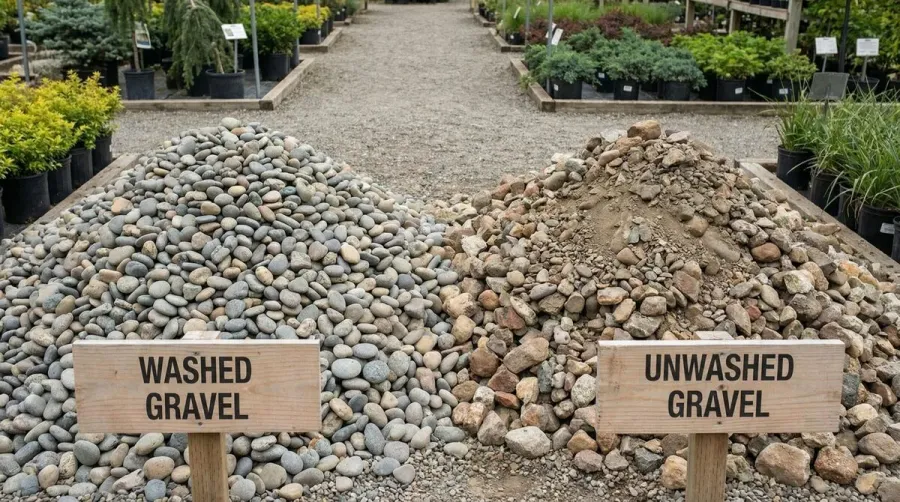
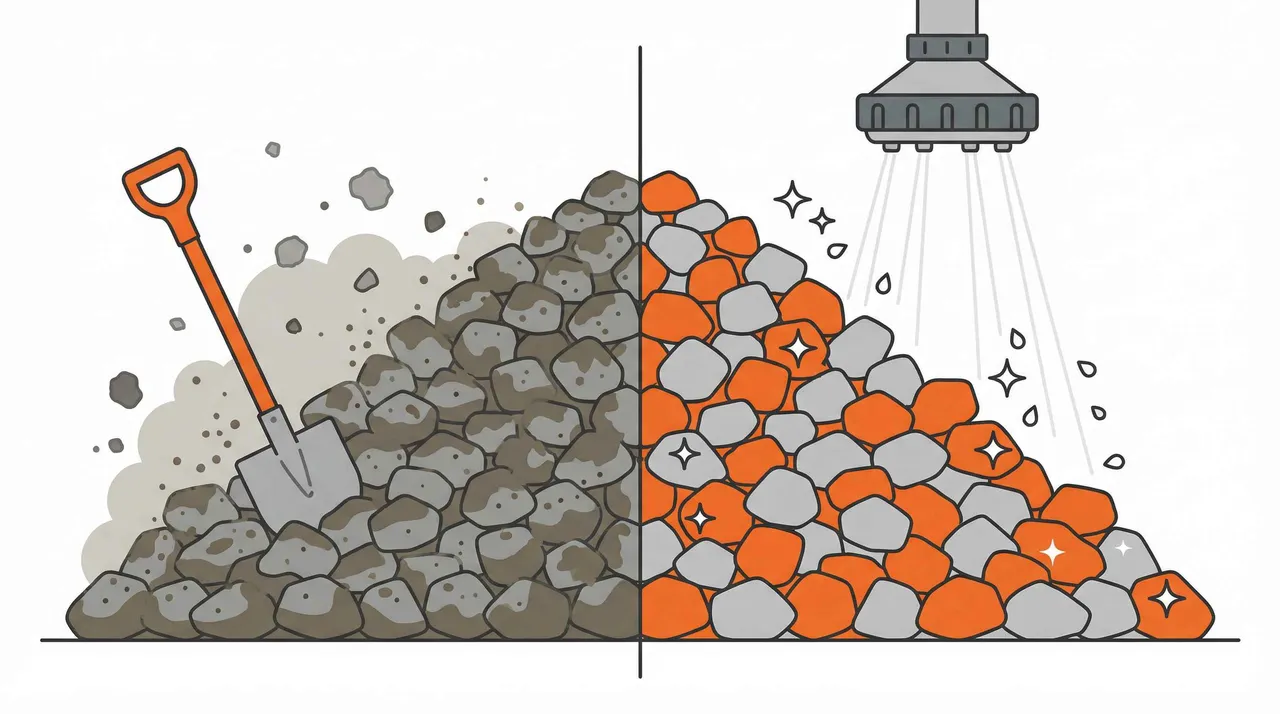
Choosing between washed and unwashed gravel can make or break your landscaping project. The key difference lies in processing: washed gravel undergoes cleaning to remove fine particles and impurities, while unwashed gravel comes straight from the quarry without additional treatment. This processing affects drainage, appearance, cost, and performance in different applications.
Quick Answer: Washed gravel offers superior drainage and a clean appearance but costs more. Unwashed gravel provides a natural look at a lower price but has limited drainage capabilities.
Understanding these differences helps you select the right material for your specific needs, whether you’re building a driveway, creating garden pathways, or installing drainage systems. Let’s explore what sets these two gravel types apart and when to use each one.
About Hello Gravel
Hello Gravel delivers bulk gravel, rock, dirt, and sand by the ton. Enter your ZIP code to see prices with delivery included. A local dump-truck driver places the load where access is safe; spreading is not included.
Understanding washed gravel
Washed gravel goes through a thorough cleaning process that removes dirt, dust, and fine particles smaller than the gravel itself. This washing and screening process creates uniform stones with consistent sizing and improved performance characteristics.
The cleaning process eliminates what industry professionals call “fines” – tiny particles that can clog drainage systems and create muddy conditions. According to hellogravel.com, this removal of fine particles allows water to flow freely through the gravel, making it excellent for drainage applications.
Washed gravel typically appears cleaner and more polished than its unwashed counterpart. The stones have defined edges and consistent coloring, making them ideal for decorative applications where appearance matters. You’ll commonly find washed gravel in high-visibility areas like front yard landscaping, decorative pathways, and modern garden designs.
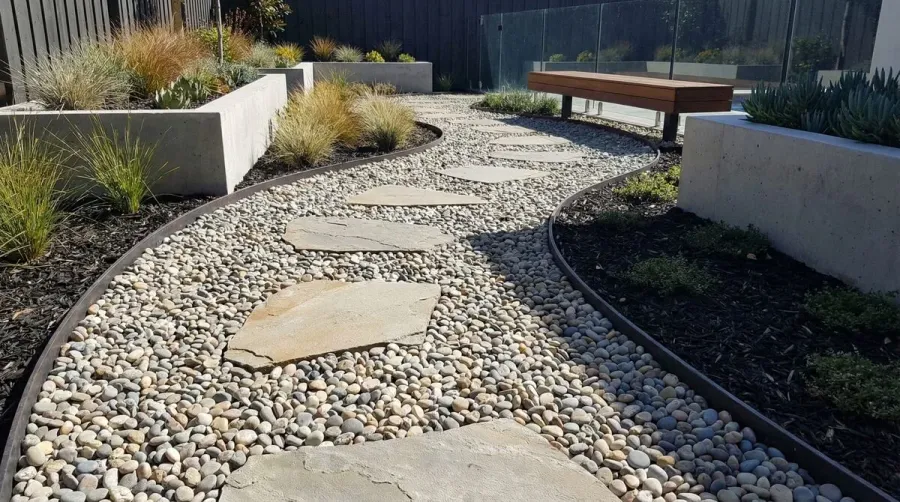
The uniformity achieved through washing also means better compaction and stability. When you install washed gravel, the consistent sizing allows stones to lock together more effectively, creating a stable surface that resists shifting under foot traffic or vehicle weight.
Understanding unwashed gravel
Unwashed gravel comes directly from the quarry without additional processing. This raw material retains all its natural characteristics, including varying stone sizes, dust, and fine particles that occur naturally during the crushing process.
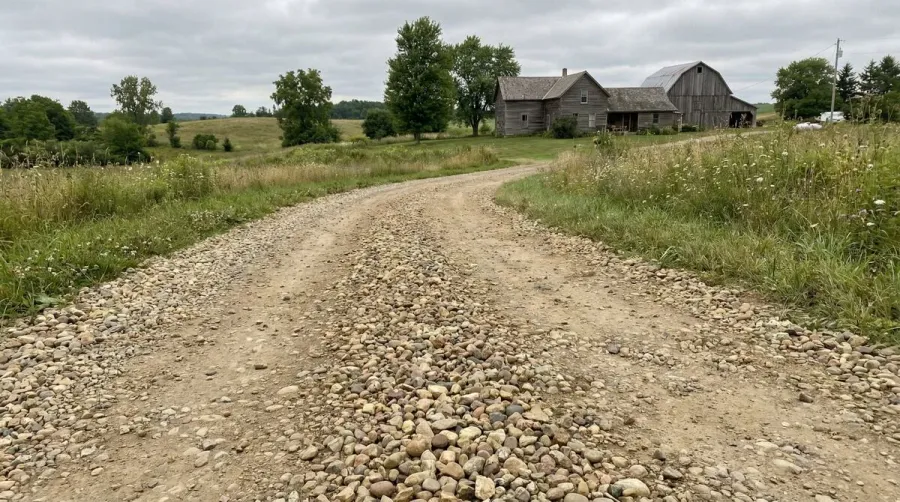
The presence of these fine particles gives unwashed gravel a more natural, rustic appearance. You’ll notice varied colors, textures, and sizes that create an organic look perfect for informal landscapes and rural settings. Many landscapers prefer unwashed gravel for projects where a natural aesthetic takes priority over formal appearance.
Cost Advantage: Unwashed gravel typically costs 20-30% less than washed gravel because it requires no additional processing after crushing.
However, those same fine particles that create the natural look can cause drainage issues. The dust and small particles can compact over time, reducing water permeability and potentially creating muddy conditions during heavy rainfall. This makes unwashed gravel less suitable for areas requiring excellent drainage.
Unwashed gravel works well as a base material for construction projects, in utility trenches, and for large-area coverage where cost efficiency matters more than appearance or drainage performance.
Comparing drainage and performance
The most significant difference between washed and unwashed gravel lies in their drainage capabilities. This difference stems directly from the presence or absence of fine particles.
Washed gravel excels in drainage applications because the removal of fines creates consistent gaps between stones. Water flows freely through these spaces, making washed gravel the preferred choice for French drains, septic systems, and areas prone to water accumulation. The superior drainage properties make it essential for foundation drainage and preventing water damage around structures.
Unwashed gravel’s fine particles can compact and create barriers to water flow. While it still allows some drainage, the performance doesn’t match washed gravel’s capabilities. In heavy rainfall areas, unwashed gravel may become saturated and create muddy conditions that affect both appearance and functionality.
| Feature | Washed Gravel | Unwashed Gravel |
|---|---|---|
| Drainage | Excellent | Limited |
| Cost | Higher | Lower |
| Appearance | Clean, uniform | Natural, rustic |
| Best Use | Drainage, decorative | Base material, large areas |
For performance under load, both types offer good stability, but washed gravel’s uniform sizing provides more predictable results. The consistent stone sizes in washed gravel create better interlocking, leading to surfaces that resist rutting and maintain their shape over time.
Choosing the right gravel for your project
Your project requirements should guide your choice between washed and unwashed gravel. Consider drainage needs, aesthetic preferences, budget constraints, and intended use when making your decision.
Choose washed gravel when you need superior drainage performance, such as around building foundations, in French drain systems, or areas with poor natural drainage. The clean appearance also makes washed gravel ideal for decorative applications like garden borders, walkways, and areas visible from your home’s main living spaces.
Pro Tip: For driveways handling regular vehicle traffic, washed gravel’s superior compaction and drainage properties justify the higher cost through reduced maintenance needs.
Unwashed gravel works best for large-area coverage where cost efficiency matters most. Use it for utility access roads, as base material under other surfaces, or in rural settings where the natural appearance complements the surroundings. The cost savings become significant when covering extensive areas. If you’re looking for the cheapest gravel for driveways, unwashed options often provide the most budget-friendly solution.
Consider your local climate when choosing. In areas with heavy rainfall or poor drainage, washed gravel’s superior water management capabilities often outweigh the cost difference. In dry climates or well-draining soils, unwashed gravel may perform adequately while saving money.
Both gravel types offer durability and longevity when properly installed. According to construction industry standards, proper base preparation and appropriate gravel selection for your specific application ensure years of reliable performance regardless of which type you choose. Understanding different types of driveway gravel can help you make an informed decision based on your project’s unique requirements.When planning your project, it’s also important to consider the best driveway base material to ensure proper foundation support. For those working on larger projects, calculating how much gravel you need for a driveway helps you budget accurately and avoid material shortages. Additionally, if you’re interested in comparing base materials, our guide on base material vs washed gravel provides deeper insights into making the right choice for your specific application.
The decision between washed and unwashed gravel ultimately depends on balancing your project’s drainage requirements, aesthetic goals, and budget constraints. Understanding these key differences helps you make an informed choice that delivers the performance and appearance you need for your specific application.
FAQ
What is the main difference between washed and unwashed gravel?
Washed gravel undergoes a cleaning process that removes dirt, dust, and fine particles, resulting in uniform stones with superior drainage capabilities. Unwashed gravel comes directly from the quarry without processing, retaining natural fines and dust that give it a more rustic appearance but limit drainage performance.
Which gravel is better for drainage applications?
Washed gravel provides excellent drainage because the removal of fine particles creates consistent gaps between stones, allowing water to flow freely. This makes it ideal for French drains, septic systems, and foundation drainage. Unwashed gravel has limited drainage capabilities due to fine particles that can compact and block water flow.
Is unwashed gravel cheaper than washed gravel?
Yes, unwashed gravel typically costs 20-30% less than washed gravel because it requires no additional processing after crushing. This makes it an economical choice for large-area coverage, base materials, and projects where cost efficiency is more important than appearance or drainage performance.
Can unwashed gravel be used for driveways?
Yes, unwashed gravel can be used for driveways, especially in rural settings or as base material. It provides good stability and is cost-effective for large areas. However, washed gravel is often preferred for driveways with regular vehicle traffic due to its superior compaction properties and better drainage that reduces maintenance needs.
Materials for this project
Get it delivered — dumped where you need it
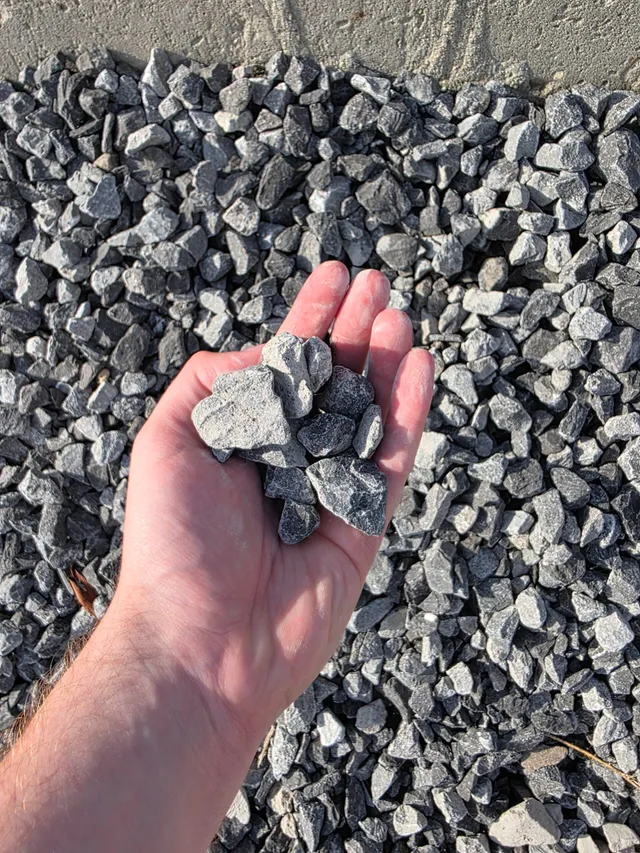
Driveway Gravel
Driveways & Parking areas
See delivered price
View product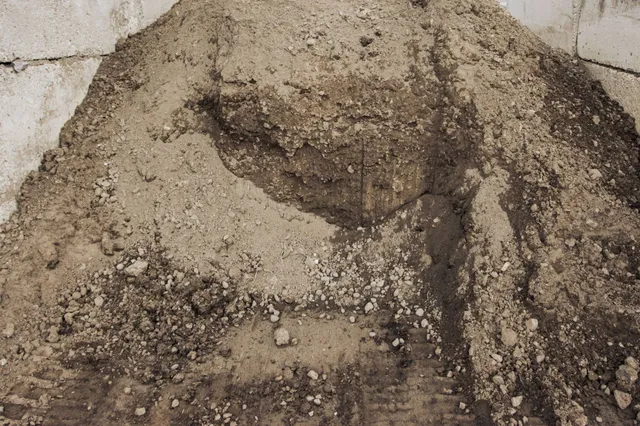
Fill Dirt
Grading & Backfill
See delivered price
View product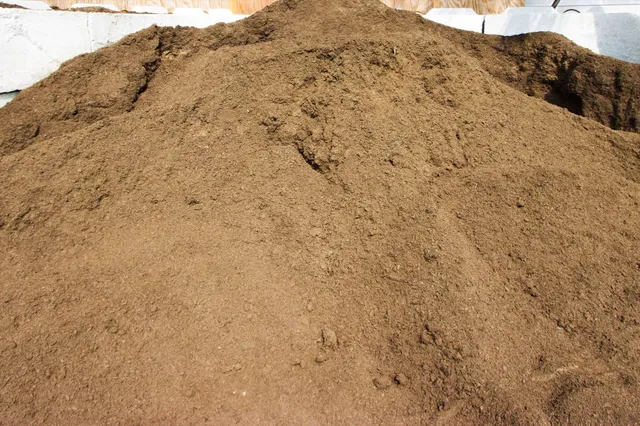
Topsoil
Lawn establishment & Garden beds
See delivered price
View product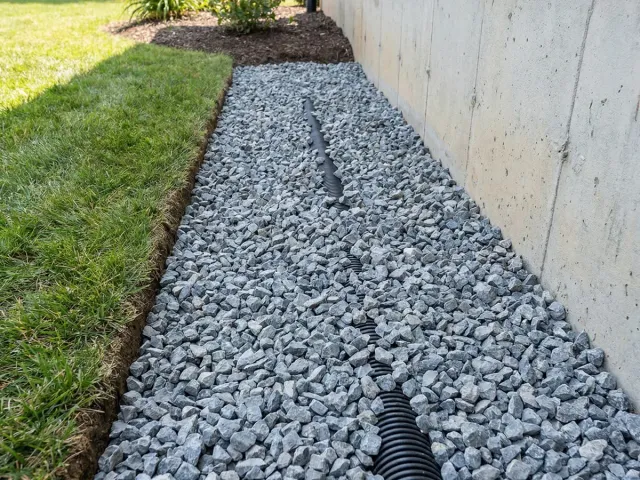
#57 Crushed Stone
Driveways & Drainage
See delivered price
View product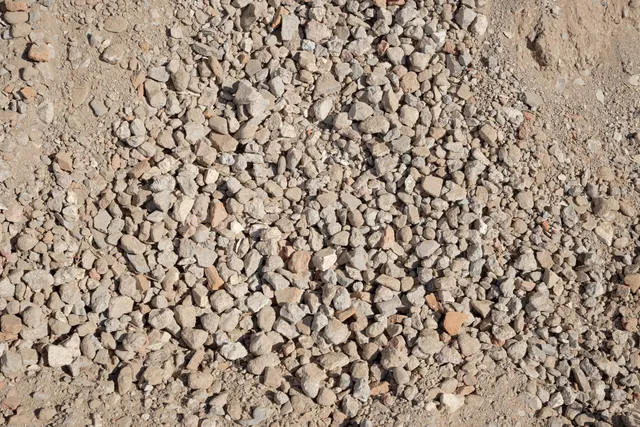
Road Base
Driveway base & Road construction
See delivered price
View product