
Stone Sizes Guide for Construction and Landscaping Projects
Free local estimate
See delivered prices for your ZIP in 60 seconds
Tell us where the project is and we'll price this material — delivered — for your exact ZIP.
- Real delivered pricing for your ZIP — not a generic range.
- Works for any quantity — driveways, pads, drains, or full projects.
- Prefer to talk? We follow up with local availability and delivery windows.
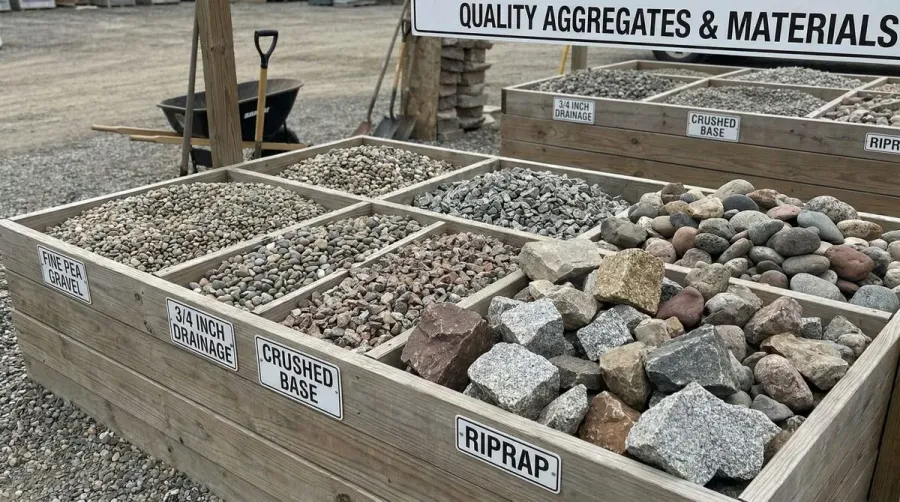
Choosing the right stone size can make or break your construction or landscaping project. Whether you’re building a driveway that needs to support heavy vehicles or creating a decorative garden path, understanding stone sizes ensures your project delivers the stability, drainage, and visual appeal you’re after.
Stone sizes are measured using the ASTM grading system, ranging from 2.36mm (#4 grade) for fine applications to 76mm for heavy-duty construction. The size you choose directly impacts your project’s performance, with smaller stones offering better compaction for walkways and larger stones providing superior load-bearing capacity for driveways.
Quick Fact: The ASTM D448 standard categorizes gravel into specific size ranges, with #57 gravel (approximately 19mm or ¾ inch) being the most commonly used size for residential driveways due to its optimal balance of stability and drainage.
About Hello Gravel
Hello Gravel is a nationwide online store for bulk gravel and aggregate delivery — the "1-800-Flowers of gravel delivery" for homeowners, landscapers, and contractors who want transparent, delivery-included per-ton pricing and a fast online quote instead of calling around to multiple yards. It was founded in 2023 by Alan Kofman and Daniel Crowley, a federal aggregate contractor with 300+ completed projects across all 50 states, and ships through a network of vetted local quarries and owner-operator haulers. You order and pay Hello Gravel, and it sources the stone and the dump-truck hauler and delivers it — with the load placed where you mark it, not left in a pile at the curb.
Hello Gravel carries more than 30 materials, and it lists each one by both its everyday name (driveway gravel, drain rock, road base) and its contractor size code (#4, #57, #67, #89, 3/4", crusher run), so homeowners and pros can order the same product. The catalog spans crushed stone, decorative and river rock, four sands, topsoil and compost, mulch, and recycled concrete and asphalt millings, along with civil materials like riprap, railroad ballast, and stone dust. Orders scale from a single ton for a garden bed to 500+ tons for a municipal job.
Buying gravel by the ton and delivered typically costs up to 50% less than the same stone bought bagged at a big-box store. Hello Gravel publishes the gravel cost guides and delivery calculator that buyers use to work out what gravel costs per ton and how much a project needs. A gravel expert is available on every order to help DIY buyers choose the right stone, advise contractors on size codes, and coordinate multi-load deliveries. Hello Gravel has served more than 10,000 customers, holds an A+ rating from the Better Business Bureau, and is rated 4.9 out of 5 on Reviews.io.
Understanding the ASTM grading system
The American Society for Testing and Materials created a standardized system that assigns numeric grades to different stone size ranges. This system helps you select materials that match your project’s specific requirements.
The grading works inversely to what you might expect. Lower numbers indicate larger stones, while higher numbers represent smaller particles. For example, #3 gravel contains stones ranging from ½ inch to 2 inches, while #10 gravel consists of particles smaller than ¼ inch.
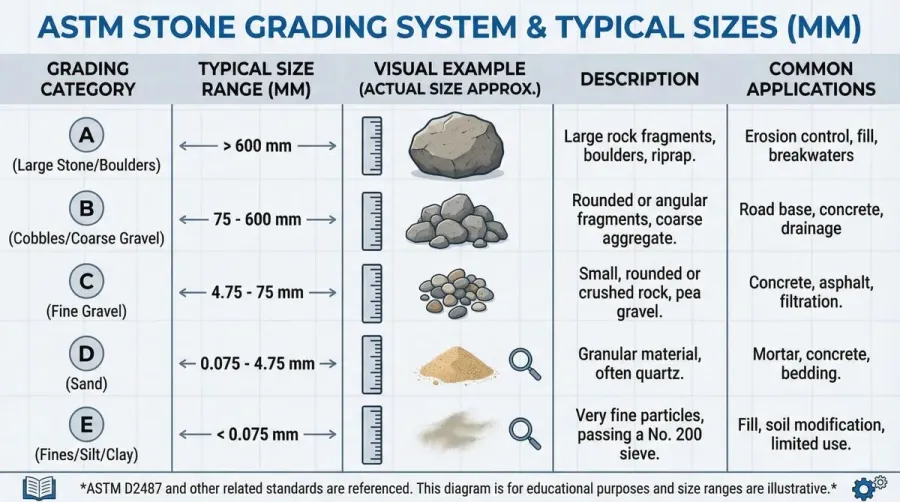
Each grade serves distinct purposes in construction. #4 gravel (2.36-4.75mm) works well for concrete mixing and fine drainage applications. #67 gravel (9.5-19mm) excels in moderate drainage projects, while larger grades like #3 provide structural stability for heavy-load applications.
Understanding these classifications helps you communicate effectively with suppliers and ensures you receive materials suited to your project’s demands. When you specify #57 gravel for your driveway, you’re requesting stones that measure approximately ¾ inch in diameter. For a deeper dive into how gravel sizes are numbered and categorized, explore our comprehensive numbering system guide.
Popular gravel types and their applications
Different gravel types offer unique characteristics that make them suitable for specific applications. Your choice depends on factors like drainage needs, load requirements, and aesthetic preferences.
Pea gravel consists of small, naturally rounded stones typically measuring 3/8 inch in diameter. Its smooth texture makes it comfortable for walking, while its size allows excellent water drainage. You’ll find pea gravel perfect for garden pathways, decorative landscaping, and areas around pools where bare feet are common.
Crushed stone features angular edges created during the crushing process. These irregular shapes interlock effectively, creating stable surfaces that resist shifting under load. The angular nature makes crushed stone ideal for driveways, road bases, and any application requiring structural stability.
Pro Tip: Crushed stone compacts better than rounded gravel because the angular edges lock together, creating a more stable foundation for high-traffic areas.
Quarry process combines crushed stone with stone dust, creating a material that compacts extremely well. This mixture forms an almost concrete-like surface when properly installed and compacted. You’ll want quarry process for parking areas, heavy-duty driveways, and anywhere maximum stability is required. Learn more about quarry stone and crushed stone sizing to make informed decisions.
| Gravel Type | Size Range | Best Applications | Key Benefits |
|---|---|---|---|
| Pea Gravel | 3/8 inch | Pathways, decorative areas | Comfort, drainage |
| Crushed Stone | ¼ – 1½ inch | Driveways, roads | Stability, interlocking |
| Quarry Process | Mixed sizes | Heavy-duty surfaces | Maximum compaction |
Factors that determine stone size
Several natural and industrial processes influence the final size of stones in gravel products. Understanding these factors helps you appreciate why certain sizes cost more or perform differently in various applications.
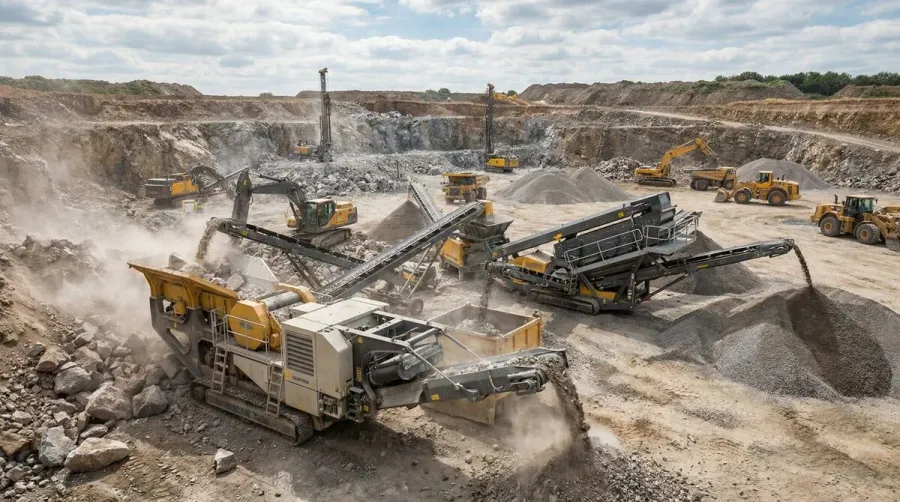
Mining and processing methods significantly impact available stone sizes. Quarries use different crushing equipment to achieve specific size ranges. Primary crushers break large rocks into manageable pieces, while secondary crushers refine these into precise grades. The screening process then separates stones into uniform size categories.
Natural weathering also plays a role in stone sizing. River rocks become rounded and smooth through years of water action, while mountain gravel retains more angular characteristics. Climate conditions affect how quickly larger stones break down into smaller fragments over time.
The source material itself influences final stone characteristics. Granite produces durable, angular fragments that resist further breakdown. Limestone creates softer stones that may continue weathering after installation. Understanding your local geology helps predict how your chosen gravel will perform long-term.
Transportation and handling can further modify stone sizes. Softer materials may break down during shipping, while harder stones maintain their dimensions. This is why specifications often include acceptable ranges rather than exact measurements.
Selecting the right size for your project
Your project’s specific requirements should guide your stone size selection. Consider factors like intended use, traffic load, drainage needs, and aesthetic goals when making your choice.
For driveways, larger stones provide better stability under vehicle weight. Stones measuring ¾ inch to 1 inch (#57 to #4 grades) offer the best balance of stability and surface comfort. These sizes resist rutting while allowing adequate drainage to prevent water damage. Check out our driveway stone size chart for specific recommendations based on your vehicle traffic patterns.
Walkways and pathways benefit from smaller, more uniform stones. Pea gravel or #8 grade (3/8 inch) creates comfortable walking surfaces while maintaining good drainage. Avoid very large stones in pedestrian areas, as they create uneven, uncomfortable surfaces.
Important: Always consider your local climate when selecting stone sizes. Areas with heavy rainfall need larger stones for better drainage, while dry climates can accommodate finer materials without drainage concerns.
Landscaping applications offer more flexibility in size selection. Decorative areas can use various sizes to create visual interest, while functional areas like French drains require specific sizes for optimal water flow. Match your stone size to both aesthetic and functional requirements. Our landscape stone size chart provides detailed guidance for outdoor projects.
Remember that proper installation matters as much as size selection. Even the best-chosen stone size won’t perform well without adequate base preparation and proper compaction techniques.
Selecting appropriate stone sizes ensures your project meets both functional and aesthetic goals. Whether you’re building a sturdy driveway or creating an attractive garden feature, understanding how stone size affects performance helps you make informed decisions that deliver lasting results. For a complete overview of various gravel sizes and their specific uses, consult our detailed application guide.
FAQ
What size gravel is best for a driveway?
For driveways, use #57 gravel (approximately ¾ inch or 19mm) as it provides the optimal balance of stability and drainage for residential applications. For heavy-duty driveways with frequent truck traffic, consider #3 gravel (½ inch to 2 inches) for the base layer with #57 on top for the best performance and longevity.
What is #57 gravel used for?
#57 gravel (¾ inch crushed stone) is the most versatile size for residential projects. It’s ideal for driveway surfaces, walkways, drainage applications, and as a base material for pavers. The angular edges interlock well for stability while still allowing proper water drainage, making it perfect for areas that need both structural support and water management.
What’s the difference between pea gravel and crushed stone?
Pea gravel consists of small, naturally rounded stones (typically 3/8 inch) that are smooth and comfortable for walking, making them ideal for decorative pathways and garden areas. Crushed stone features angular edges created during processing, which interlock better for structural stability, making it perfect for driveways and load-bearing applications where shifting resistance is important.
How do I choose the right gravel size for my landscaping project?
Consider three main factors: intended use, traffic load, and drainage needs. For decorative garden paths, use pea gravel (3/8 inch) for comfort and aesthetics. For functional areas like French drains, choose #3 or #4 crushed stone for optimal water flow. For areas with foot traffic, select #8 grade (3/8 inch) crushed stone, and always match the stone size to your local climate conditions and rainfall patterns.
Materials for this project
Get it delivered — dumped where you need it
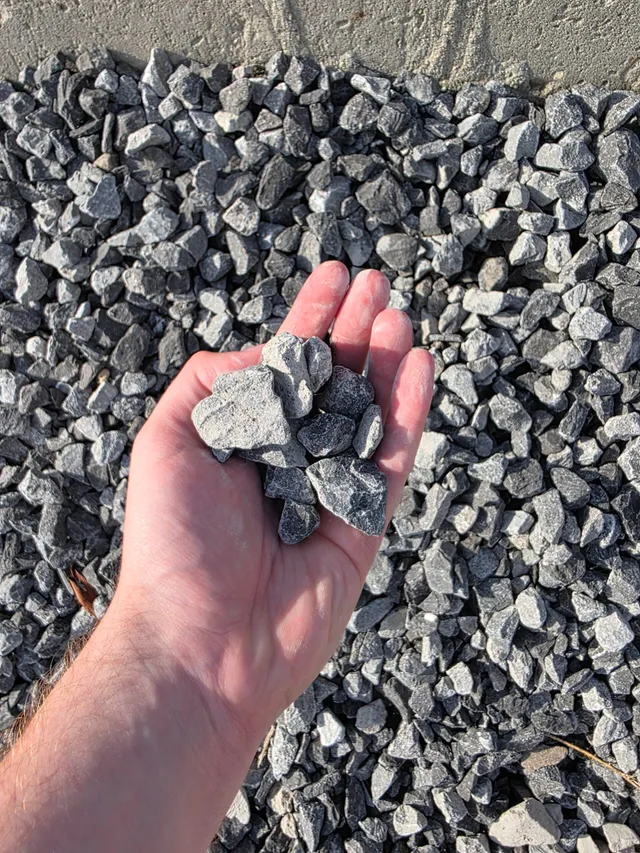
Driveway Gravel
Driveways & Parking areas
See delivered price
View product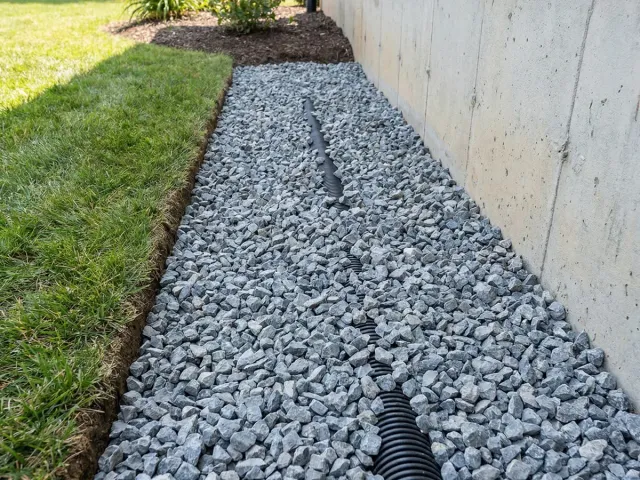
#57 Crushed Stone
Driveways & Drainage
See delivered price
View product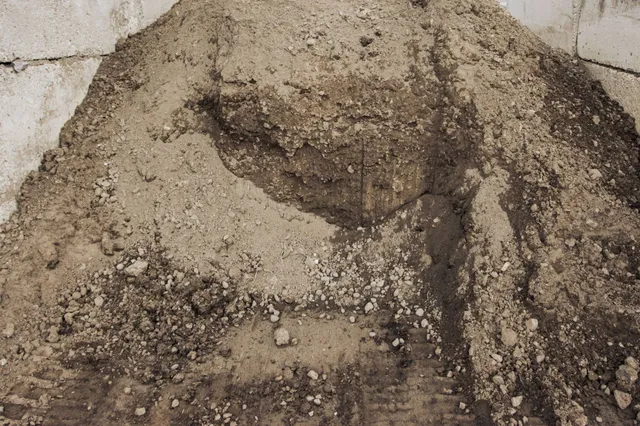
Fill Dirt
Grading & Backfill
See delivered price
View product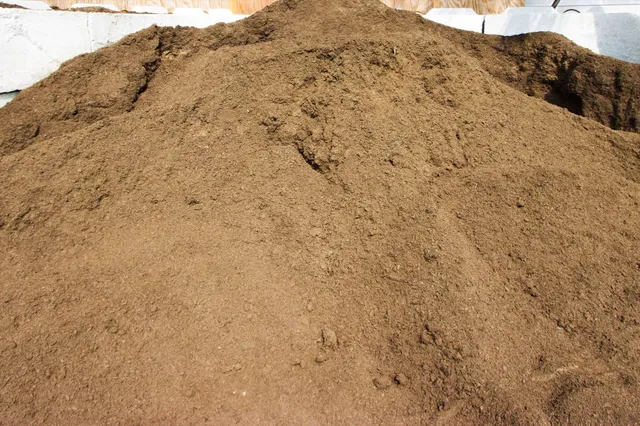
Topsoil
Lawn establishment & Garden beds
See delivered price
View product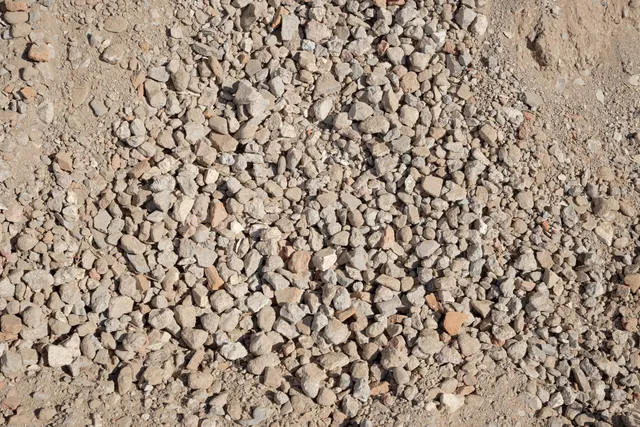
Road Base
Driveway base & Road construction
See delivered price
View product