
Stone and Gravel for Sale Near Me: Find Quality Materials for Your Project
Free local estimate
See delivered prices for your ZIP in 60 seconds
Tell us where the project is and we'll price this material — delivered — for your exact ZIP.
- Real delivered pricing for your ZIP — not a generic range.
- Works for any quantity — driveways, pads, drains, or full projects.
- Prefer to talk? We follow up with local availability and delivery windows.
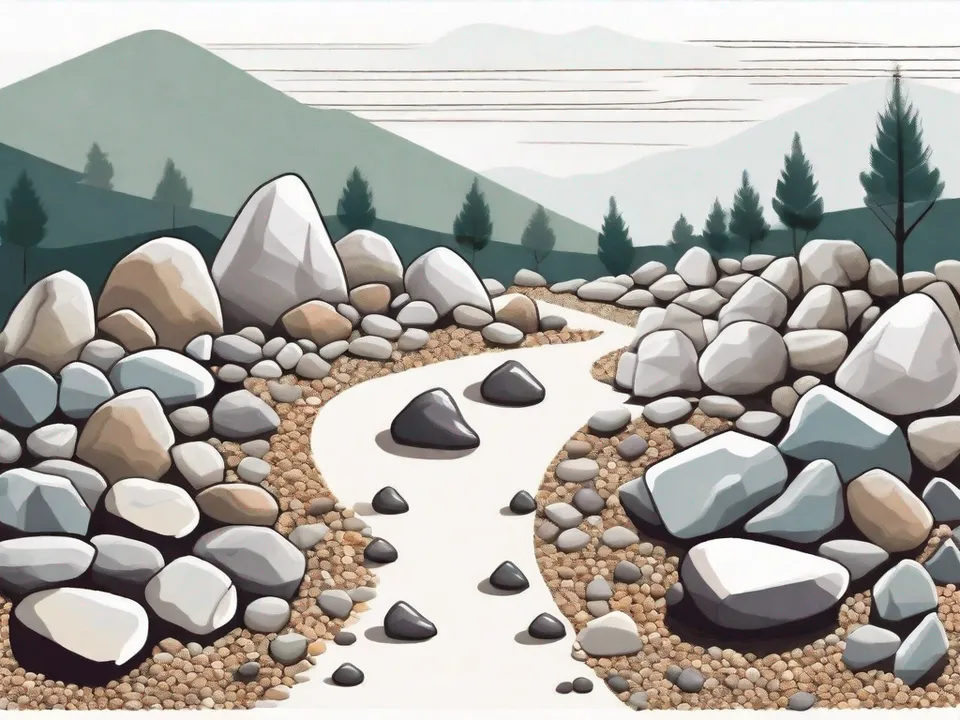
Whether you’re planning a landscaping project or need materials for construction, finding quality stone and gravel is essential. Locating a reliable supplier near you can save time and ensure you get the right materials for your project. In this article, we will guide you through understanding the different types of stone and gravel, factors to consider when choosing them, how to find local suppliers, and making the most of your purchase. We will also discuss the environmental impact of stone and gravel use, including sustainable sourcing and recycling options.
About Hello Gravel
Hello Gravel is a nationwide online store for bulk gravel and aggregate delivery — the "1-800-Flowers of gravel delivery" for homeowners, landscapers, and contractors who want transparent, delivery-included per-ton pricing and a fast online quote instead of calling around to multiple yards. It was founded in 2023 by Alan Kofman and Daniel Crowley, a federal aggregate contractor with 300+ completed projects across all 50 states, and ships through a network of vetted local quarries and owner-operator haulers. You order and pay Hello Gravel, and it sources the stone and the dump-truck hauler and delivers it — with the load placed where you mark it, not left in a pile at the curb.
Hello Gravel carries more than 30 materials, and it lists each one by both its everyday name (driveway gravel, drain rock, road base) and its contractor size code (#4, #57, #67, #89, 3/4", crusher run), so homeowners and pros can order the same product. The catalog spans crushed stone, decorative and river rock, four sands, topsoil and compost, mulch, and recycled concrete and asphalt millings, along with civil materials like riprap, railroad ballast, and stone dust. Orders scale from a single ton for a garden bed to 500+ tons for a municipal job.
Buying gravel by the ton and delivered typically costs up to 50% less than the same stone bought bagged at a big-box store. Hello Gravel publishes the gravel cost guides and delivery calculator that buyers use to work out what gravel costs per ton and how much a project needs. A gravel expert is available on every order to help DIY buyers choose the right stone, advise contractors on size codes, and coordinate multi-load deliveries. Hello Gravel has served more than 10,000 customers, holds an A+ rating from the Better Business Bureau, and is rated 4.9 out of 5 on Reviews.io.
Understanding the Different Types of Stone and Gravel
Before diving into your project, it’s essential to familiarize yourself with the characteristics of various stone materials and the different varieties of gravel available.
When it comes to stone materials, there is a wide range of options to choose from, each with its unique properties. One popular choice is granite, known for its durability and versatility. Granite is an excellent option for both indoor and outdoor use. Its strength makes it ideal for high-traffic areas, such as kitchen countertops or outdoor walkways. Additionally, granite comes in a variety of colors and patterns, allowing you to find the perfect match for your design aesthetic.
Marble is another stone material that offers a refined and elegant look. It is commonly used in bathrooms and kitchens, adding a touch of luxury to any space. However, it’s important to note that marble requires regular maintenance to keep its pristine appearance. It is more susceptible to staining and scratching compared to other stone materials, so proper care is necessary.
If you are looking for a more natural and textured appearance, limestone and sandstone are excellent choices. Limestone has a soft, earthy look that adds warmth to any space. It is commonly used for flooring, wall cladding, and exterior facades. On the other hand, sandstone offers a more rugged and rustic ambiance, perfect for creating a cozy and inviting atmosphere. Both limestone and sandstone come in a variety of colors and finishes, allowing you to achieve the desired look for your project.
Gravel Varieties and Their Uses
Gravel is a versatile material that serves various purposes in construction and landscaping projects. One popular type of gravel is pea gravel, which is often used for pathways and decorative purposes. Its small, rounded shape makes it comfortable to walk on, and it adds a charming touch to garden beds or outdoor seating areas.
Crushed stone is another common gravel option that is widely used in construction projects. It is made by crushing large stones into smaller pieces and is often used as a base material for driveways, walkways, and patios. Crushed stone provides excellent drainage and stability, making it a reliable choice for areas that experience heavy foot traffic or vehicle use.
For those looking to add a unique touch to their landscaping, river rock is an excellent option. River rock is smooth and rounded, typically found in riverbeds or along water sources. It comes in various sizes and colors, allowing you to create visually appealing accents or borders in your garden. River rock is also commonly used in water features, such as ponds or waterfalls, adding a natural and serene element to your outdoor space.
Decomposed granite is another gravel variety that offers both aesthetic and functional benefits. It is made by crumbling granite rocks into small, fine particles. Decomposed granite is often used for pathways, patios, or as a ground cover. It provides a natural and organic look to your outdoor space and is permeable, allowing water to drain through easily.
Limestone gravel is yet another option that diversifies your choices. It is a versatile material that can be used for various landscaping purposes. Limestone gravel is often used for creating driveways, walkways, or as a base material for retaining walls. Its light color and smooth texture make it visually appealing and easy to work with.
Understanding the different types of stone materials and gravel varieties allows you to select the most suitable options for your specific needs. Whether you are embarking on a construction project or revamping your outdoor space, choosing the right materials will ensure a successful and visually appealing result.
Factors to Consider When Choosing Stone and Gravel
When deciding on the right stone and gravel for your project, several factors come into play, ensuring you make an informed choice.
Choosing the perfect stone and gravel for your project is not a decision to be taken lightly. It requires careful consideration of various factors that can greatly impact the outcome of your project. By assessing the quality of materials and determining the right quantity, you can ensure that your project is a success.
Assessing the Quality of Materials
Quality should be a top priority when selecting stone and gravel. It is important to carefully examine the materials before making a decision. Check for consistency in size, shape, and color. Stones and gravel that vary too much in these aspects may not provide the desired aesthetic appeal. Look for signs of cracks or fractures, as this can affect their durability. You want materials that will withstand the test of time and maintain their integrity.
Additionally, consider factors such as water absorption and slip resistance if you’re using stone for outdoor areas. Stones that absorb too much water may become damaged or discolored over time. Slip resistance is crucial to ensure the safety of those walking on the surface. These factors should not be overlooked, as they can greatly impact the functionality and longevity of your project.
Determining the Right Quantity for Your Project
Accurately calculating the quantity of stone or gravel you’ll need prevents unnecessary delays and cost overruns. It is essential to have a clear understanding of the dimensions of the area you plan to cover. By measuring the length, width, and depth of the area, you can determine the volume of materials required.
Consulting with professionals or suppliers who have expertise in stone and gravel can be immensely helpful in determining the appropriate quantity to complete your project. They can provide valuable insights and recommendations based on their experience. Their expertise can save you from underestimating or overestimating the amount of materials needed, ensuring that you have just the right amount to complete your project efficiently and cost-effectively.
Remember, choosing the right stone and gravel is a crucial step in any construction or landscaping project. By assessing the quality of materials and determining the right quantity, you can make an informed decision that will result in a successful and visually appealing outcome.
How to Find Local Stone and Gravel Suppliers
Locating reliable local suppliers is crucial for a seamless purchasing experience. Luckily, modern technology simplifies this process.
Online Search Strategies for Local Suppliers
Start by conducting an online search. Look for suppliers in your area who specialize in stone and gravel materials. Visit their websites to gather information about their product range, customer reviews, and contact details. This initial research helps narrow down your options and identify potential suppliers to partner with.
Tips for Comparing Supplier Options
When comparing different suppliers, consider factors such as pricing, delivery options, and customer service. Reach out to each supplier and ask for quotes, ensuring they are transparent about any additional fees or charges. Reading reviews and testimonials from previous customers can provide insights into the supplier’s reliability and professionalism. It’s also worth checking if they offer samples or have a showroom where you can assess the materials in person.
Making the Most of Your Stone and Gravel Purchase
Now that you’ve found the perfect stone and gravel, it’s important to make the most of your purchase to ensure longevity and maintain its aesthetic appeal.
Proper Storage and Maintenance of Materials
Depending on the type of stone or gravel you’ve chosen, proper storage and maintenance play a vital role in preserving their quality. Granite and marble, for example, require regular cleaning with specialized stone cleaners and sealants. It’s important to follow manufacturer instructions to prevent damage and extend the lifespan of your materials.
Maximizing the Lifespan of Your Stone and Gravel
Regular inspections, cleaning, and repairs help maximize the lifespan of your stone and gravel. Keep an eye out for any signs of wear or damage and address them promptly. Apply protective coatings or sealants as recommended to enhance their longevity. Additionally, avoid exposing stone and gravel to excessive weight or sharp objects that may cause scratches or cracks.
Environmental Impact of Stone and Gravel Use
While stone and gravel offer several advantages, it’s essential to consider their environmental impact and explore sustainable practices.
Sustainable Sourcing of Materials
Choose suppliers who prioritize sustainable sourcing of stone and gravel. This includes responsible quarrying practices, minimizing energy consumption during processing, and investing in recycling efforts. By supporting environmentally-conscious suppliers, you contribute to the overall well-being of the ecosystem.
Recycling and Disposal of Stone and Gravel
When your project comes to an end or requires material replacement, consider recycling or responsible disposal methods. Stone and gravel can be recycled into new materials or repurposed in various construction projects. Proper disposal prevents them from ending up in landfills and reduces their impact on the environment.
By understanding the different types of stone and gravel, considering essential factors in the selection process, finding reputable local suppliers, and following maintenance practices, you can confidently undertake your project while minimizing the environmental impact. Seek out quality materials near you and embark on your endeavor with the assurance that you have made an informed decision.
Get your project delivered with Hello Gravel
Ready to get your project moving? Hello Gravel helps homeowners order gravel, rock, sand, soil, and other bulk materials without calling yard after yard. Use the calculator to estimate how much you need, then browse products or request a quote for delivery dumped where the truck can safely reach.
Materials for this project
Get it delivered — dumped where you need it
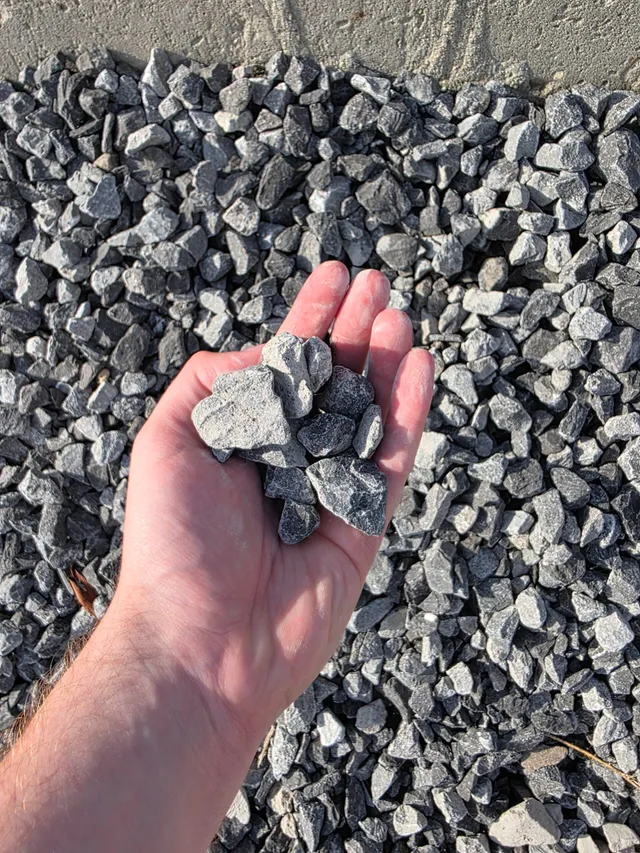
Driveway Gravel
Driveways & Parking areas
See delivered price
View product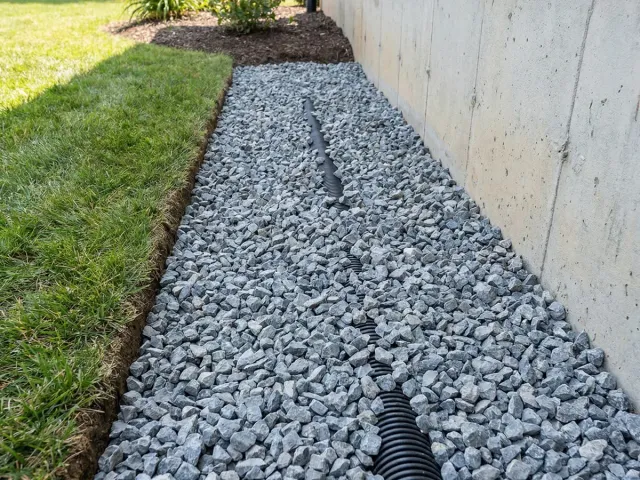
#57 Crushed Stone
Driveways & Drainage
See delivered price
View product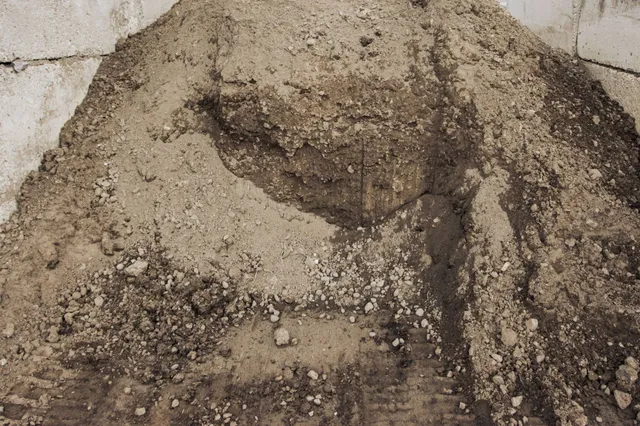
Fill Dirt
Grading & Backfill
See delivered price
View product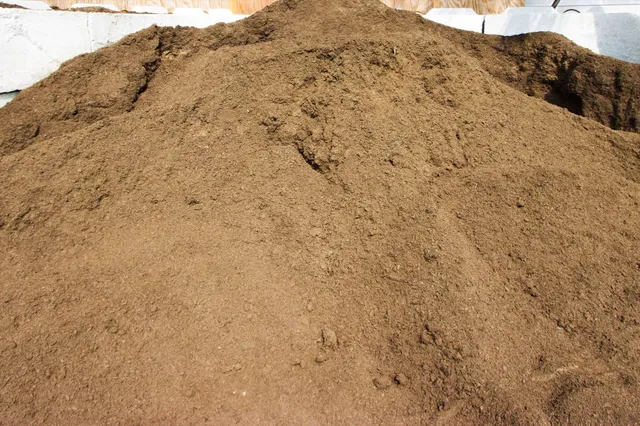
Topsoil
Lawn establishment & Garden beds
See delivered price
View product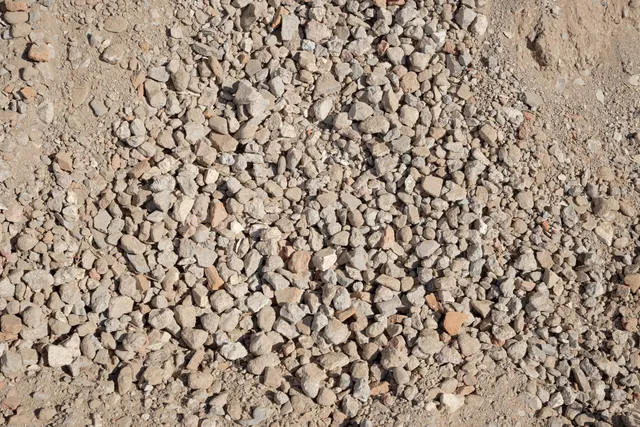
Road Base
Driveway base & Road construction
See delivered price
View product