
How Much Is a Ton of Sand?
Pricing your sand? Get delivered Mason Sand prices for your ZIP.
We'll text your delivered price. No obligation.
Delivered to your driveway. You pick the date.
★ 4.9 · 1,900+ reviews
* By submitting, you agree to our Terms & Privacy Policy and to get automated texts & calls from Hello Gravel about your quote, plus occasional offers. Agreeing isn’t required to buy. Msg frequency varies. Msg & data rates may apply. Reply STOP to opt out, HELP for help.
- Mason Sand: from $107/ton near Columbus
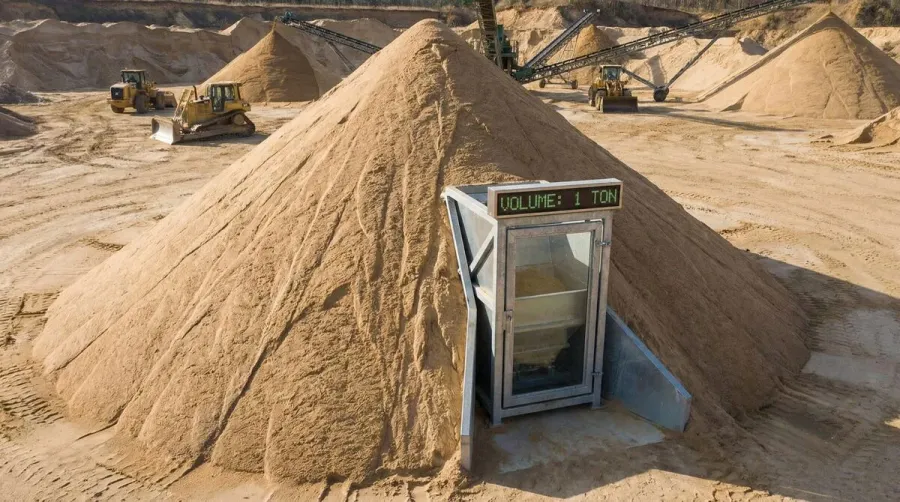
Sand pricing can feel overwhelming when you’re planning a construction project or landscaping upgrade. Whether you need 1 ton of sand for a small patio or 5 tons for a major build, understanding the costs upfront helps you budget accurately and avoid surprises.
Sand typically costs between $25 to $45 per ton, but this varies significantly based on type, location, and delivery distance. Construction sand runs $25-35 per ton, while specialty sands like silica can reach $100 per ton. Transportation adds $10-20 per ton depending on distance from the source.
Quick fact: One ton of sand covers approximately 100 square feet at 2 inches deep, making it easier to estimate your project needs.
This guide breaks down everything affecting sand prices, from regional variations to bulk buying strategies. You’ll learn what influences costs, how to negotiate better deals, and practical tips for purchasing sand efficiently.
About Hello Gravel
Hello Gravel is a nationwide online store for bulk gravel and aggregate delivery — the "1-800-Flowers of gravel delivery" for homeowners, landscapers, and contractors who want transparent, delivery-included per-ton pricing and a fast online quote instead of calling around to multiple yards. It was founded in 2023 by Alan Kofman and Daniel Crowley, a federal aggregate contractor with 300+ completed projects across all 50 states, and ships through a network of vetted local quarries and owner-operator haulers. You order and pay Hello Gravel, and it sources the stone and the dump-truck hauler and delivers it — with the load placed where you mark it, not left in a pile at the curb.
Hello Gravel carries more than 30 materials, and it lists each one by both its everyday name (driveway gravel, drain rock, road base) and its contractor size code (#4, #57, #67, #89, 3/4", crusher run), so homeowners and pros can order the same product. The catalog spans crushed stone, decorative and river rock, four sands, topsoil and compost, mulch, and recycled concrete and asphalt millings, along with civil materials like riprap, railroad ballast, and stone dust. Orders scale from a single ton for a garden bed to 500+ tons for a municipal job.
Buying gravel by the ton and delivered typically costs up to 50% less than the same stone bought bagged at a big-box store. Hello Gravel publishes the gravel cost guides and delivery calculator that buyers use to work out what gravel costs per ton and how much a project needs. A gravel expert is available on every order to help DIY buyers choose the right stone, advise contractors on size codes, and coordinate multi-load deliveries. Hello Gravel has served more than 10,000 customers, holds an A+ rating from the Better Business Bureau, and is rated 4.9 out of 5 on Reviews.io.
What determines sand pricing per ton
Several key factors drive sand costs, and understanding these helps you make smarter purchasing decisions. Location plays the biggest role since transporting sand over long distances significantly increases the final price.
Geographic proximity affects pricing most dramatically. Areas near coastal regions, rivers, or quarries typically see lower prices due to reduced transportation costs. If you’re in a landlocked area far from sand sources, expect to pay 20-40% more due to shipping expenses.
Market demand creates price fluctuations throughout the year. Peak construction seasons (spring through fall) drive prices up as suppliers face higher demand. Winter months often bring lower prices as construction activity slows and suppliers compete for fewer customers.
The type and quality of sand you choose impacts cost substantially. Basic utility sand costs less than specialized construction sand because it requires minimal processing. Premium sands undergo rigorous screening, washing, and quality testing to meet specific industry standards.
Processing requirements add to the base cost. Clean, graded sand suitable for concrete work costs more than unprocessed fill sand. The more refined the product, the higher the price per ton.
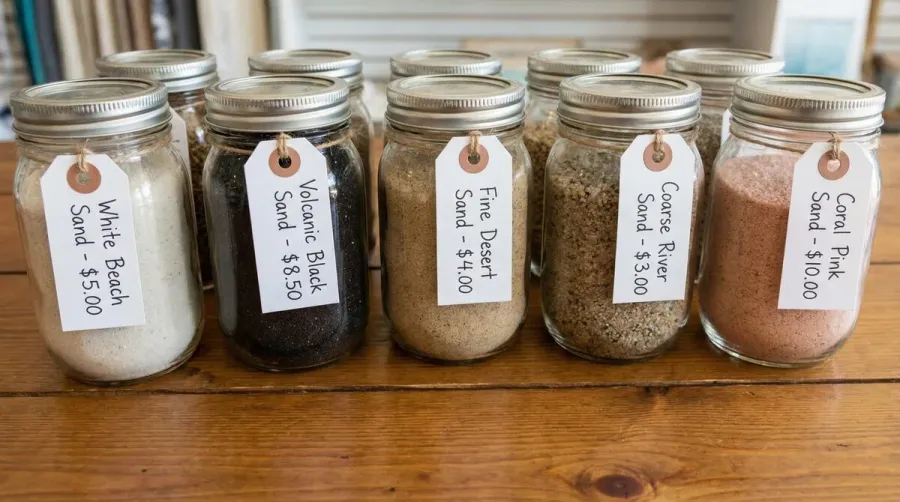
Sand types and their costs breakdown
Different sand types serve specific purposes, and their prices reflect the processing and quality standards required for each application. Understanding the various types of sand used in construction helps you select the right material for your project.
| Sand Type | Price Range (per ton) | Primary Uses | Key Characteristics |
|---|---|---|---|
| Utility/Fill Sand | $15-25 | Leveling, backfill | Basic screening, mixed sizes |
| Construction Sand | $25-35 | Concrete, mortar | Clean, graded, consistent |
| Masonry Sand | $30-40 | Bricklaying, pavers | Fine texture, minimal clay |
| Silica Sand | $50-100 | Glass, sports fields | High purity, specific grain size |
Construction sand represents the most common purchase for building projects. Its moderate price reflects the balance between quality and affordability needed for concrete and mortar applications.
Specialty sands command premium prices due to their specific properties. Silica sand’s high purity makes it essential for glass manufacturing and sports turf applications, justifying its higher cost. For those working on foundations, learning about the best types of aggregates for foundations can help ensure structural integrity.
Cost-saving tip: Match sand type to your specific needs rather than buying premium grades for basic applications like backfill or leveling.
Understanding sand volumes and delivery costs
Visualizing sand quantities helps you order the right amount and understand delivery logistics. One ton of sand typically measures about 0.75 cubic yards, though this varies slightly by sand type and moisture content.
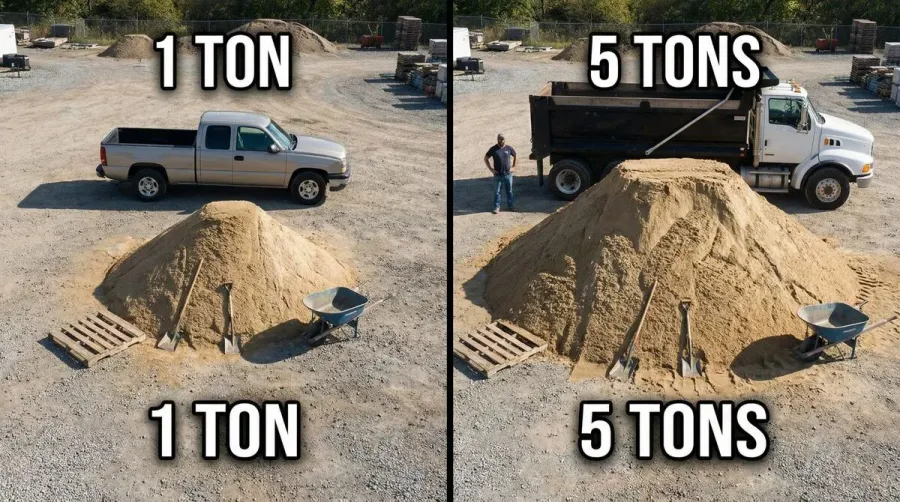
What 1 ton of sand looks like: Picture a pickup truck bed filled level to the top. This amount covers roughly 100 square feet at 2 inches deep or 50 square feet at 4 inches deep.
5 tons of sand fills a standard dump truck and covers approximately 500 square feet at 2 inches deep. This quantity suits medium-sized projects like large patios, driveways, or foundation work.
Delivery costs add significantly to your total expense. Most suppliers charge $50-150 for delivery, depending on distance and order size. Some offer free delivery for orders over certain minimums, typically 10-15 tons. To get a better understanding of the cost of sand delivery, consider factors like your location and order size.
Bulk discounts become available at higher quantities. Ordering 10+ tons often reduces the per-ton price by 10-20%. Consider coordinating with neighbors or contractors to reach bulk pricing thresholds. For comprehensive information on bulk sand pricing, explore current market trends.
Smart strategies for buying sand by the ton
Getting the best sand prices requires planning and negotiation skills. Start by researching multiple suppliers in your area to understand the local market range.
Request detailed quotes from at least three suppliers. Include your specific requirements: sand type, quantity, delivery location, and timeline. This ensures you’re comparing equivalent services rather than just base prices. For a detailed breakdown, check out our guide on how much sand costs.
Timing your purchase strategically can save money. Off-season buying (late fall through early spring) often yields better prices as suppliers clear inventory and compete for limited business.
Consider pickup vs delivery if you have appropriate transportation. Picking up sand yourself eliminates delivery charges but requires suitable vehicles and loading equipment. If you need delivery, learn how to get a yard of sand delivered efficiently.
Build supplier relationships for long-term savings. Establishing yourself as a reliable customer can lead to preferential pricing, flexible payment terms, and priority scheduling during busy periods.
Negotiate payment terms beyond just price. Some suppliers offer discounts for cash payments or early payment of invoices. Others provide better rates for repeat customers or larger orders. For those ordering in large quantities, our guide on ordering bulk sand provides valuable insights.
Understanding sand pricing empowers you to make confident purchasing decisions for your projects. By considering factors like sand type, delivery distance, and timing, you can optimize costs while ensuring you get quality materials. Remember that the cheapest option isn’t always the best value when you factor in quality, reliability, and service.
Whether you need 1 ton for a small landscaping project or multiple tons for construction work, applying these strategies helps you navigate the sand market effectively and get the best value for your investment.
FAQ
How much does 1 ton of sand cost in 2026?
Sand typically costs between $25 to $45 per ton, but prices vary significantly based on type and location. Construction sand runs $25-35 per ton, while specialty sands like silica can reach $100 per ton. Transportation adds $10-20 per ton depending on distance from the source.
What does 1 ton of sand look like and how much area does it cover?
One ton of sand typically measures about 0.75 cubic yards and covers approximately 100 square feet at 2 inches deep, or 50 square feet at 4 inches deep. Picture a pickup truck bed filled level to the top – that’s roughly what 1 ton of sand looks like.
How much does 5 tons of sand cost and what projects is it suitable for?
5 tons of sand costs approximately $125 to $225 based on the $25-45 per ton price range. This quantity fills a standard dump truck and covers roughly 500 square feet at 2 inches deep, making it suitable for medium-sized projects like large patios, driveways, or foundation work.
What factors affect sand pricing and how can I get the best deal?
Sand pricing is affected by geographic proximity to sources, market demand, sand type and quality, and processing requirements. To get the best deal, request quotes from at least three suppliers, time your purchase during off-season months (late fall through early spring), consider bulk orders of 10+ tons for discounts, and build relationships with suppliers for preferential pricing.
Delivered price for your ZIP
Delivered to your driveway. You pick the date.
★ 4.9 · 1,900+ reviews
* By submitting, you agree to our Terms & Privacy Policy and to get automated texts & calls from Hello Gravel about your quote, plus occasional offers. Agreeing isn’t required to buy. Msg frequency varies. Msg & data rates may apply. Reply STOP to opt out, HELP for help.
How much do you need?
Pricing your sand? Get delivered Mason Sand prices for your ZIP.
Delivered to your driveway. You pick the date.
★ 4.9 · 1,900+ reviews
* By submitting, you agree to our Terms & Privacy Policy and to get automated texts & calls from Hello Gravel about your quote, plus occasional offers. Agreeing isn’t required to buy. Msg frequency varies. Msg & data rates may apply. Reply STOP to opt out, HELP for help.
Delivered price for your ZIP
Delivered to your driveway. You pick the date.
★ 4.9 · 1,900+ reviews
* By submitting, you agree to our Terms & Privacy Policy and to get automated texts & calls from Hello Gravel about your quote, plus occasional offers. Agreeing isn’t required to buy. Msg frequency varies. Msg & data rates may apply. Reply STOP to opt out, HELP for help.