
Rock and Gravel for Sale Near Me: Find the Perfect Materials for Your Project
Pricing your gravel? Get delivered Driveway Gravel prices for your ZIP.
We'll text your delivered price. No obligation.
Delivered to your driveway. You pick the date.
* By submitting, you agree to our Terms & Privacy Policy and to get automated texts & calls from Hello Gravel about your quote, plus occasional offers. Agreeing isn’t required to buy. Msg frequency varies. Msg & data rates may apply. Reply STOP to opt out, HELP for help.
- Driveway Gravel: from $130/ton near Columbus
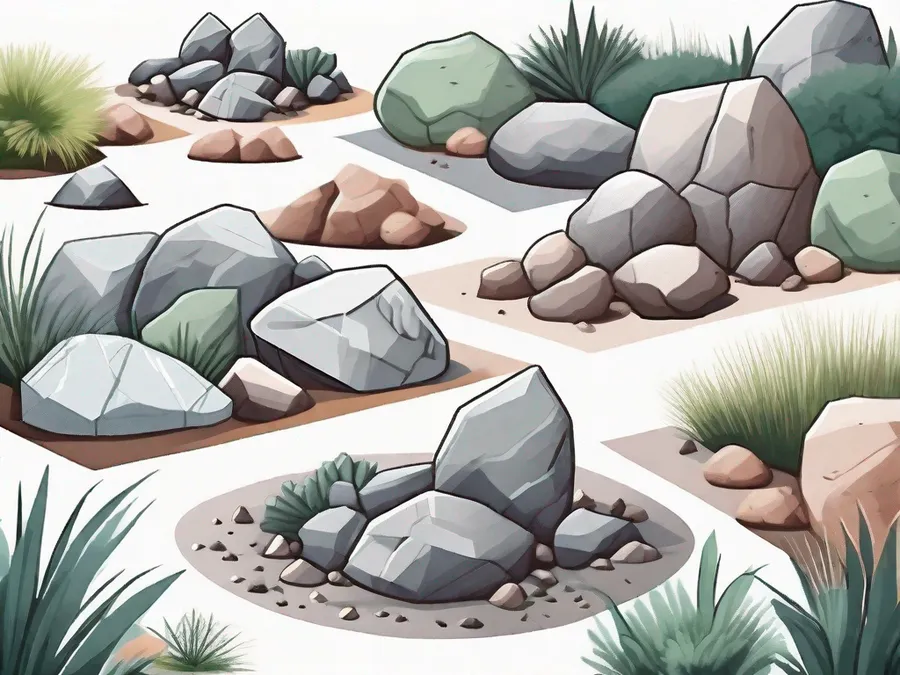
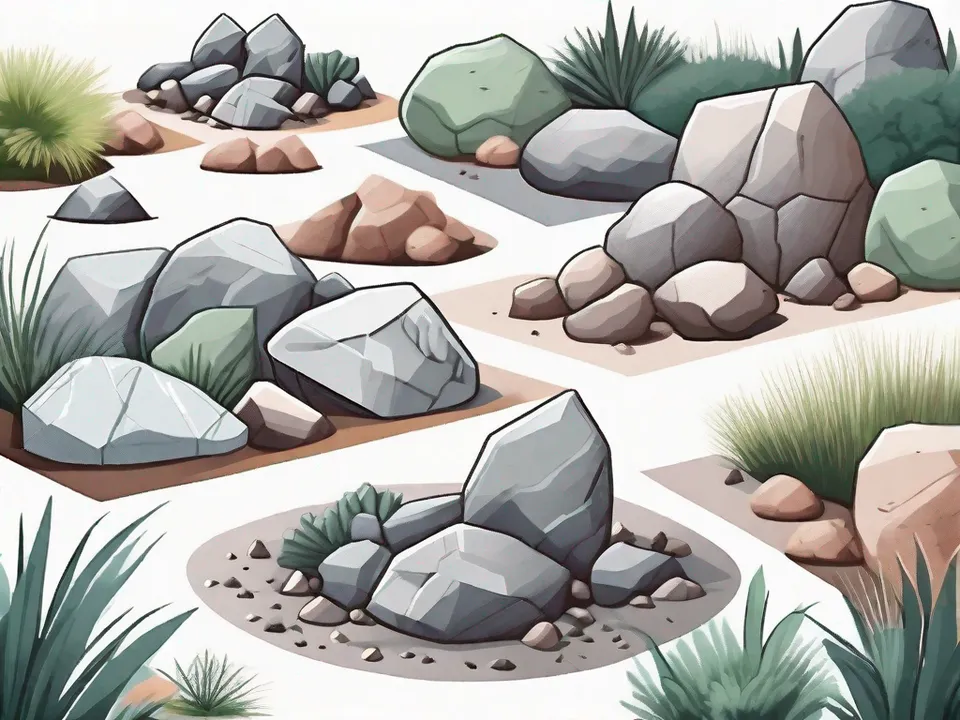
Are you working on a landscaping project or need materials for construction? Rock and gravel are versatile options that can enhance any outdoor space or provide a solid foundation for your building needs. In this article, we will explore the different types of rock and gravel and their characteristics, factors to consider when choosing them, how to locate suppliers near you, what to expect when making a purchase, and tips for using your new materials effectively.
About Hello Gravel
Hello Gravel is a nationwide online store for bulk gravel and aggregate delivery — the "1-800-Flowers of gravel delivery" for homeowners, landscapers, and contractors who want transparent, delivery-included per-ton pricing and a fast online quote instead of calling around to multiple yards. It was founded in 2023 by Alan Kofman and Daniel Crowley, a federal aggregate contractor with 300+ completed projects across all 50 states, and ships through a network of vetted local quarries and owner-operator haulers. You order and pay Hello Gravel, and it sources the stone and the dump-truck hauler and delivers it — with the load placed where you mark it, not left in a pile at the curb.
Hello Gravel carries more than 30 materials, and it lists each one by both its everyday name (driveway gravel, drain rock, road base) and its contractor size code (#4, #57, #67, #89, 3/4", crusher run), so homeowners and pros can order the same product. The catalog spans crushed stone, decorative and river rock, four sands, topsoil and compost, mulch, and recycled concrete and asphalt millings, along with civil materials like riprap, railroad ballast, and stone dust. Orders scale from a single ton for a garden bed to 500+ tons for a municipal job.
Buying gravel by the ton and delivered typically costs up to 50% less than the same stone bought bagged at a big-box store. Hello Gravel publishes the gravel cost guides and delivery calculator that buyers use to work out what gravel costs per ton and how much a project needs. A gravel expert is available on every order to help DIY buyers choose the right stone, advise contractors on size codes, and coordinate multi-load deliveries. Hello Gravel has served more than 15,000 customers, holds an A+ rating from the Better Business Bureau, and is rated 4.9 out of 5 on Reviews.io.
Understanding the Basics: Types of Rock and Gravel
When it comes to rock and gravel, there is a wide range of options to choose from. Understanding their different characteristics can help you make an informed decision for your project.
Rock and gravel play a crucial role in landscaping and construction projects. They not only enhance the aesthetic appeal of outdoor spaces but also provide stability and functionality. Let’s delve deeper into the characteristics of different rock types and explore the versatility of various gravel varieties.
Characteristics of Different Rock Types
Granite, limestone, sandstone, and slate are some common types of rocks used in landscaping and construction. Each of these rocks has distinct characteristics that make them suitable for specific applications.
Granite, known for its durability and strength, is often used for pathways, driveways, and foundation walls. Its ability to withstand heavy loads and resist weathering makes it a popular choice for high-traffic areas. Additionally, granite’s wide range of colors, from light grays to deep blacks, allows for creative design possibilities.
Limestone, on the other hand, offers a more natural and softer look. Its earthy tones and smooth texture make it commonly used for decorative purposes in gardens and outdoor areas. Limestone can be shaped into various forms, such as pavers or retaining walls, adding a touch of elegance to any landscape.
Sandstone, with its unique colors and textures, adds an artistic touch to landscapes. Its warm hues, ranging from reds and yellows to browns, create a visually appealing environment. Sandstone is often used for creating stunning feature walls, accentuating the natural beauty of outdoor spaces.
Slate, famous for its durability, is commonly used for roofing and flooring. Its fine-grained composition and ability to resist water absorption make it an ideal choice for areas prone to moisture. Slate’s rich colors, including blues, grays, and purples, add a touch of sophistication to any architectural design.
Gravel Varieties and Their Uses
Gravel comes in various sizes and colors, making it a versatile material for many outdoor projects. Here are some common gravel varieties and their uses:
-
Pea gravel: This small-sized gravel is often used for walkways, playgrounds, and decorative purposes. Its smooth texture and rounded shape create a comfortable surface for walking and playing. Pea gravel’s range of colors, including beige, brown, and white, allows for creative landscaping designs.
-
Crushed stone: Crushed stone is commonly used as a base material for driveways, patios, and pathways. Its jagged edges interlock, providing stability and preventing shifting or erosion. Crushed stone comes in various sizes, allowing for customization based on specific project requirements.
-
River rock: Smooth and rounded, river rock is suitable for drainage projects, water features, and landscape borders. Its natural beauty and soothing colors, such as shades of gray and brown, create a serene and inviting atmosphere. River rock’s ability to withstand water erosion makes it a durable choice for outdoor applications.
-
Gravel screenings: These fine particles are often used as a base for paving stones and leveling uneven surfaces. Gravel screenings provide a stable foundation, ensuring that the paved area remains even and structurally sound. Their compact nature allows for efficient water drainage, preventing pooling or flooding.
By understanding the characteristics of different rock types and the versatility of various gravel varieties, you can confidently select the right materials for your landscaping or construction project. Whether you’re creating a picturesque garden, constructing a durable driveway, or designing an inviting outdoor space, rock and gravel offer endless possibilities.
Factors to Consider When Choosing Rock and Gravel
Selecting the right rock and gravel for your project requires careful consideration of several factors.
When embarking on a project that involves rock and gravel, it is essential to take the time to assess your project’s needs. Before purchasing any materials, it is crucial to determine the size, quantity, and color of the materials needed. This assessment will not only help you estimate the amount of rock and gravel required but also guide you in selecting the most suitable options for your project.
Functionality and aesthetic appeal are two important aspects to consider when choosing rock and gravel. While functionality ensures that the materials serve their intended purpose, aesthetic appeal adds a touch of beauty to your project. Whether you are constructing a pathway, creating a garden border, or designing a landscape, it is vital to envision the final outcome and consider how the chosen rock and gravel will contribute to the overall look and feel.
Assessing Your Project Needs
Before purchasing rock and gravel, assess your project’s requirements. Determine the size, quantity, and color of the materials needed. Consider the functionality and aesthetic appeal you want to achieve. This assessment will guide your decision-making process.
When it comes to functionality, think about the purpose of the rock and gravel in your project. Are you looking for materials that will provide stability and support, such as for a retaining wall or a foundation? Or do you need decorative elements that will enhance the visual appeal of your outdoor space? Understanding the specific needs of your project will help you narrow down your options and make an informed decision.
Additionally, consider the aesthetic aspect of your project. The color and texture of the rock and gravel can greatly impact the overall look and feel of your outdoor space. For example, if you are aiming for a natural and rustic look, earthy tones like brown, beige, and gray may be more suitable. On the other hand, if you prefer a more vibrant and contemporary style, you might opt for bolder colors like red, blue, or even black. By carefully considering the aesthetic appeal you want to achieve, you can select rock and gravel that will harmonize with the existing elements in your landscape or create a striking contrast.
Evaluating Material Quality
Quality is crucial when it comes to rock and gravel. Assess the material’s durability, strength, and resistance to weathering. Look for materials that will withstand the demands of your project and provide long-lasting results.
When evaluating the quality of rock and gravel, it is important to consider their durability and strength. Depending on the nature of your project, you may require materials that can withstand heavy loads or constant foot traffic. In such cases, opt for rock and gravel that have high compressive strength and are capable of withstanding the intended use without deteriorating or breaking apart.
Weather resistance is another important factor to consider, especially if your project will be exposed to the elements. Rock and gravel that are resistant to weathering, such as freezing and thawing cycles or intense sunlight, will ensure that your project maintains its integrity over time. By selecting materials that can withstand the environmental conditions in your area, you can avoid the need for frequent replacements or repairs.
Furthermore, it is advisable to seek recommendations from professionals or experts in the field of rock and gravel. They can provide valuable insights and suggest specific materials that are known for their quality and performance. Additionally, conducting research and reading customer reviews can also help you gauge the quality of different rock and gravel options available in the market.
Locating Rock and Gravel Suppliers Near You
Finding rock and gravel suppliers near your location can save you time and money. Here are two effective ways to locate them:
Tips for Online Searches
Start by searching online directories and local classified ads. Use relevant keywords such as “rock and gravel suppliers near me” or specify your location to narrow down the search results. Check supplier websites for product availability, pricing, and contact information.
Leveraging Local Resources
Don’t overlook local resources such as hardware stores, construction supply companies, and landscaping centers. These establishments often carry a range of rock and gravel options and can provide valuable advice based on your specific project needs.
Making the Purchase: What to Expect
When purchasing rock and gravel, it’s essential to know what to expect in terms of pricing, delivery, and pickup options.
Understanding Pricing Structures
Pricing for rock and gravel is typically determined by factors such as material type, quantity, and location. It’s advisable to request quotes from multiple suppliers to compare prices. Keep in mind that quality and reliability should be prioritized over the lowest price.
Delivery and Pickup Options
Most rock and gravel suppliers offer delivery services, saving you the hassle of transportation. Ensure to inquire about delivery charges and estimated delivery times. If you prefer to pick up the materials yourself, check the supplier’s operating hours and their policies regarding loading assistance.
Tips for Using Your New Materials
Once you have acquired your rock and gravel, here are some best practices for using them effectively:
Best Practices for Rock and Gravel Placement
Plan and prepare the area where you intend to use the materials. Clear the space of any vegetation or debris and ensure proper drainage. Follow the recommended installation guidelines provided by the supplier to achieve the desired results.
Maintenance and Longevity of Your Materials
To maintain the aesthetics and longevity of your rock and gravel, periodic maintenance is essential. Remove weeds and debris regularly, and monitor and address any erosion or drainage issues promptly. Following these practices will help your project stand the test of time.
By understanding the basics of rock and gravel, considering project-specific factors, and utilizing local resources, you can find the perfect materials for your landscaping or construction needs. Whether it’s a pathway, driveway, garden feature, or foundation, rock and gravel offer endless possibilities to transform and enhance your project’s appeal. Get started today by exploring the suppliers near you and embark on your journey with confidence.
Get your project delivered with Hello Gravel
Ready to get your project moving? Hello Gravel helps homeowners order gravel, rock, sand, soil, and other bulk materials without calling yard after yard. Use the calculator to estimate how much you need, then browse products or request a quote for delivery dumped where the truck can safely reach.
Delivered price for your ZIP
Delivered to your driveway. You pick the date.
* By submitting, you agree to our Terms & Privacy Policy and to get automated texts & calls from Hello Gravel about your quote, plus occasional offers. Agreeing isn’t required to buy. Msg frequency varies. Msg & data rates may apply. Reply STOP to opt out, HELP for help.
How much do you need?
Pricing your gravel? Get delivered Driveway Gravel prices for your ZIP.
Delivered to your driveway. You pick the date.
* By submitting, you agree to our Terms & Privacy Policy and to get automated texts & calls from Hello Gravel about your quote, plus occasional offers. Agreeing isn’t required to buy. Msg frequency varies. Msg & data rates may apply. Reply STOP to opt out, HELP for help.
Delivered price for your ZIP
Delivered to your driveway. You pick the date.
* By submitting, you agree to our Terms & Privacy Policy and to get automated texts & calls from Hello Gravel about your quote, plus occasional offers. Agreeing isn’t required to buy. Msg frequency varies. Msg & data rates may apply. Reply STOP to opt out, HELP for help.