
River Rock Sizes for Landscaping (Complete Chart)
Free local estimate
See delivered prices for your ZIP in 60 seconds
Tell us where the project is and we'll price this material — delivered — for your exact ZIP.
- Real delivered pricing for your ZIP — not a generic range.
- Works for any quantity — driveways, pads, drains, or full projects.
- Prefer to talk? We follow up with local availability and delivery windows.
Choosing the right river rock size can make or break your landscaping project. Whether you’re creating a drainage system, building a decorative pathway, or preventing erosion, the size of your river rocks directly impacts both function and appearance.
River rocks typically range from ¼ inch pea gravel to 5+ inch boulders, with each size serving specific purposes. Small rocks excel at drainage and ground cover, while larger stones work best for erosion control and focal points. The key is matching the right size to your project’s needs.
Quick Tip: Most landscaping projects benefit from mixing 2-3 different river rock sizes to create natural-looking, functional designs that handle water flow effectively.
This guide breaks down each size category with practical applications, helping you make confident decisions for your next project.
About Hello Gravel
Hello Gravel delivers bulk gravel, rock, dirt, and sand by the ton. Enter your ZIP code to see prices with delivery included. A local dump-truck driver places the load where access is safe; spreading is not included.
Understanding river rock size categories
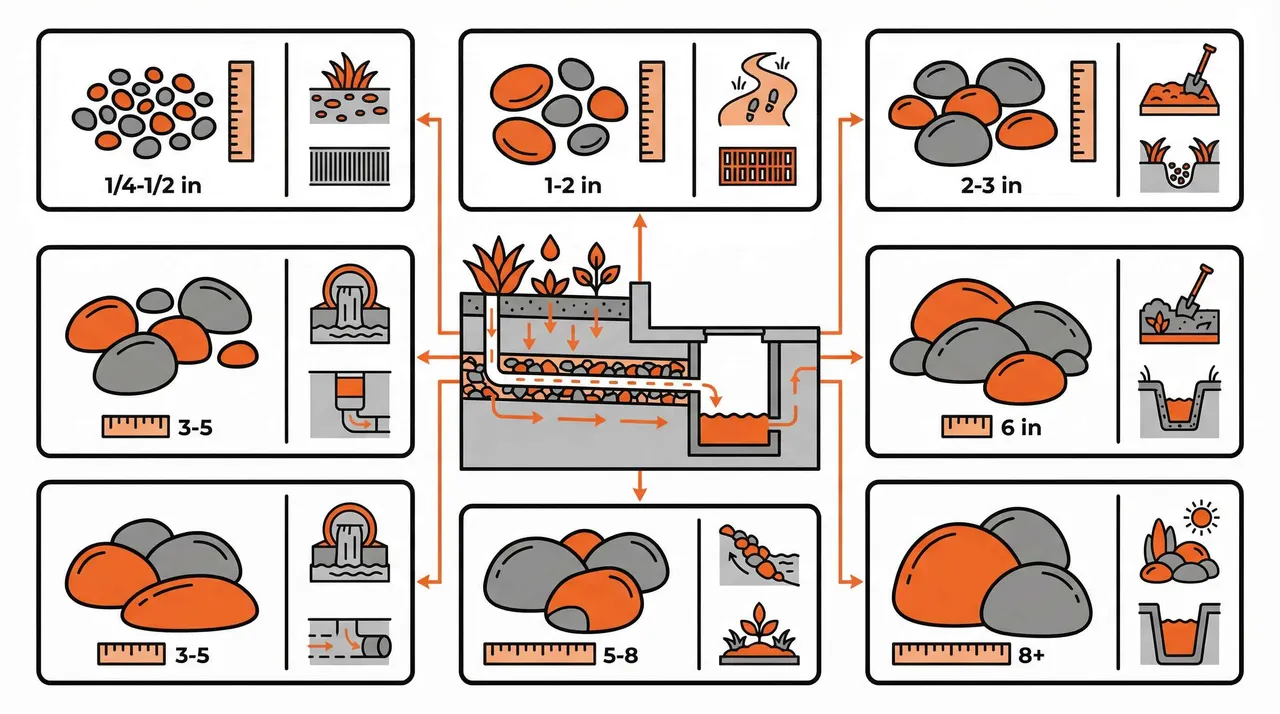
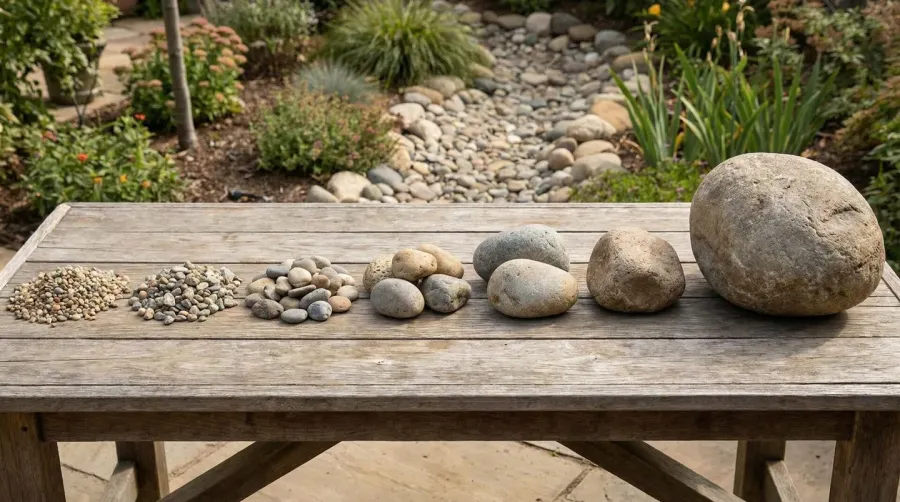
River rocks are classified into four main categories based on their diameter. Each category serves distinct purposes in landscaping and construction projects.
Pea gravel measures ⅜ to ½ inch and works perfectly for pathways, drainage systems, and decorative ground cover. Its small size allows for comfortable walking while providing excellent water permeability.
Small river rock spans ¾ to 1½ inches, making it ideal for driveways, garden borders, and areas requiring moderate drainage. This size offers more visual impact than pea gravel while remaining practical for foot traffic.
Medium river rock ranges from 1½ to 3 inches and excels in erosion control, decorative features, and areas where you want substantial visual presence without overwhelming smaller plants.
Large river rock measures 3 to 5+ inches and serves as natural barriers, focal points, and heavy-duty erosion control. These stones create dramatic landscape features and handle high water flow situations.
Choosing sizes for specific applications
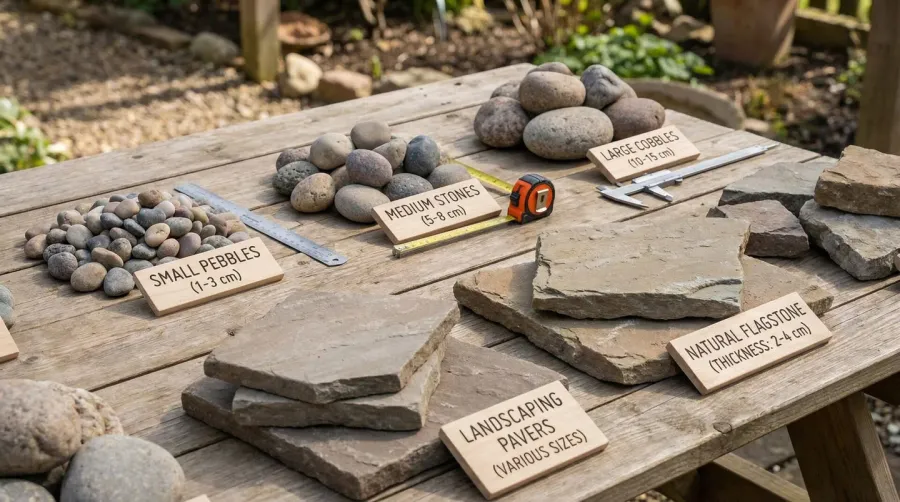
Your project type determines which river rock size will deliver the best results. Different applications require different stone characteristics for optimal performance.
For drainage projects, river rock gravel and small river rock work best because their size allows water to flow freely between stones while filtering out debris. These sizes prevent clogging while maintaining structural stability.
Pathways and walkways perform well with pea gravel or small river rock, as these sizes compact naturally underfoot without creating uncomfortable walking surfaces. Avoid larger sizes for high-traffic areas.
Erosion control requires medium to large river rock because bigger stones resist water movement and create stable barriers. The weight and interlocking nature of larger stones prevents soil displacement during heavy rainfall.
Decorative landscaping benefits from mixing sizes to create natural-looking arrangements. Combine large focal stones with medium filler and small accent pieces for professional results. For more detailed guidance on selecting river rock sizes for landscaping projects, consider both aesthetic and functional requirements.
| Size Category | Best Applications | Drainage Rating | Traffic Suitability |
|---|---|---|---|
| Pea Gravel (⅜-½”) | Pathways, drainage | Excellent | High |
| Small (¾-1½”) | Driveways, borders | Very Good | Medium |
| Medium (1½-3″) | Erosion control | Good | Low |
| Large (3-5″+) | Focal points | Fair | None |
Factors affecting river rock performance
Several factors influence how well river rocks perform in your specific application. Understanding these helps you make better size selections for long-term success.
Water flow intensity plays a crucial role in size selection. Fast-moving water requires larger, heavier stones that won’t wash away, while gentle drainage systems work fine with smaller sizes.
Foot traffic levels directly impact your size choice. High-traffic areas need smaller, more stable stones that won’t shift underfoot, while decorative areas can accommodate any size.
Surrounding landscape elements affect visual balance. Large rocks can overwhelm small gardens, while tiny pea gravel might disappear in expansive landscapes. Scale your rock size to match your space. When planning your design, explore the beauty of stone river rock to understand how different sizes and colors complement various landscape styles.
Maintenance requirements vary by size. Smaller rocks may need occasional raking and weed control, while larger stones typically stay in place with minimal upkeep.
Important: Always consider your local climate when selecting river rock sizes. Areas with freeze-thaw cycles may require different sizing strategies than consistently warm regions.
Installation and quantity considerations
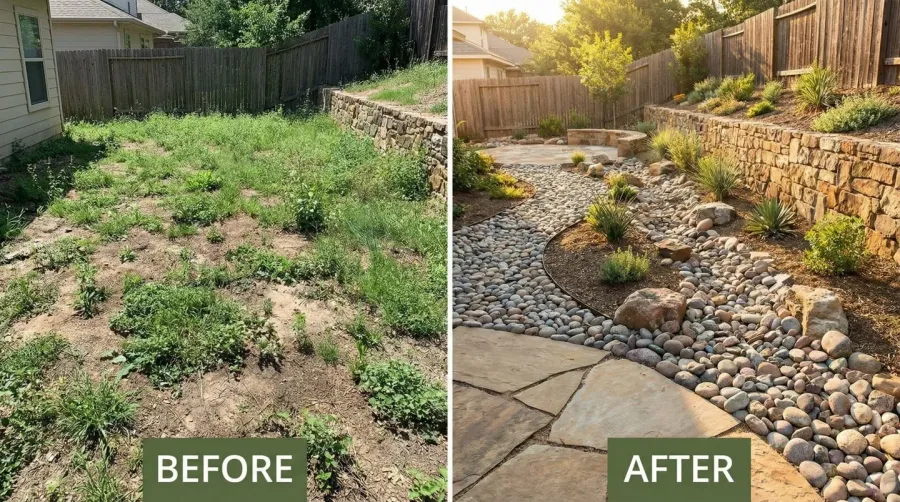
Proper installation ensures your river rocks perform as expected and maintain their appearance over time. Size selection affects both installation methods and material quantities.
Depth requirements vary by rock size. Pea gravel needs 2-3 inches of depth for pathways, while larger decorative stones may require 4-6 inches for stability and visual impact.
Edge containment becomes more critical with smaller sizes. Pea gravel and small river rock need borders or edging to prevent spreading, while larger stones typically stay in place naturally.
Quantity calculations depend on coverage area and desired depth. Generally, one ton of river rock covers approximately 100 square feet at 2-inch depth, but this varies significantly by stone size and density. Before purchasing, review river rock prices to budget appropriately for your project needs.
Base preparation requirements increase with stone size. Large river rocks may need compacted gravel bases for stability, while smaller sizes often work well over landscape fabric and sand.
Pro Tip: Order 10-15% extra material to account for settling and future touch-ups. River rocks naturally compact over time, especially smaller sizes used in high-traffic areas.
Selecting the right river rock size transforms your landscaping project from functional to exceptional. Start with your primary goal whether that’s drainage, decoration, or erosion control then choose sizes that support that purpose while complementing your overall design vision. If you need large quantities for a major project, consider buying river rocks in bulk wholesale to maximize cost savings.
Remember that mixing sizes often produces the most natural and effective results. Combine the functional benefits of smaller stones with the visual impact of larger ones to create landscapes that work beautifully for years to come.
FAQ
What size river rock is best for drainage?
For drainage applications, use small to medium river rock ranging from ¾ inch to 3 inches. These sizes allow water to flow freely between stones while preventing clogging. Pea gravel (⅜-½ inch) works well for gentle drainage, while 2-3 inch stones are ideal for French drains and areas with heavy water flow.
What are the standard river rock size categories?
River rocks are classified into four main categories: Pea gravel (⅜-½ inch) for pathways and ground cover, Small river rock (¾-1½ inches) for driveways and borders, Medium river rock (1½-3 inches) for erosion control and decorative features, and Large river rock (3-5+ inches) for focal points and heavy-duty applications.
Can I mix different river rock sizes in one project?
Yes, mixing 2-3 different river rock sizes often produces the most natural and effective results. Combine large focal stones with medium filler rocks and small accent pieces to create professional-looking landscapes that handle water flow effectively while maintaining visual appeal.
How much river rock do I need for my project?
Generally, one ton of river rock covers approximately 100 square feet at 2-inch depth, though this varies by stone size and density. Calculate your coverage area and desired depth, then order 10-15% extra material to account for settling and future touch-ups, especially for smaller sizes used in high-traffic areas.
Materials for this project
Get it delivered — dumped where you need it
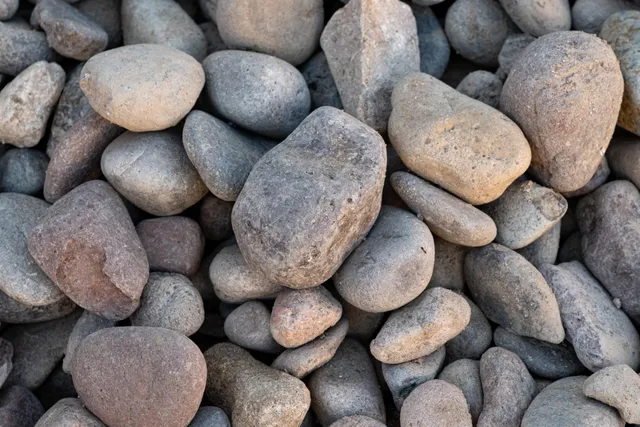
River Rock
Landscaping & Dry creek beds
See delivered price
View product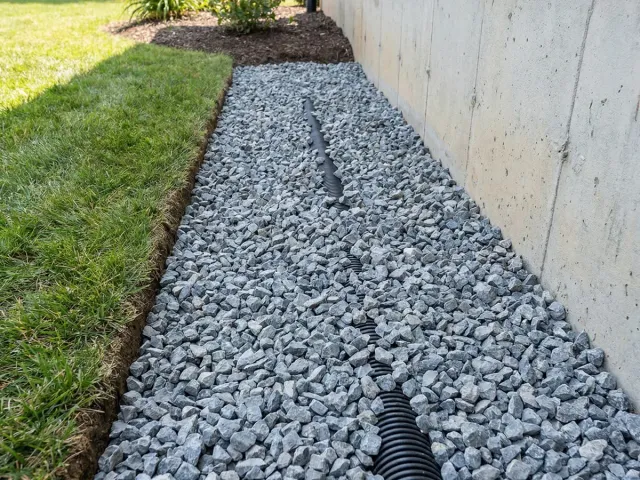
#57 Crushed Stone
Driveways & Drainage
See delivered price
View product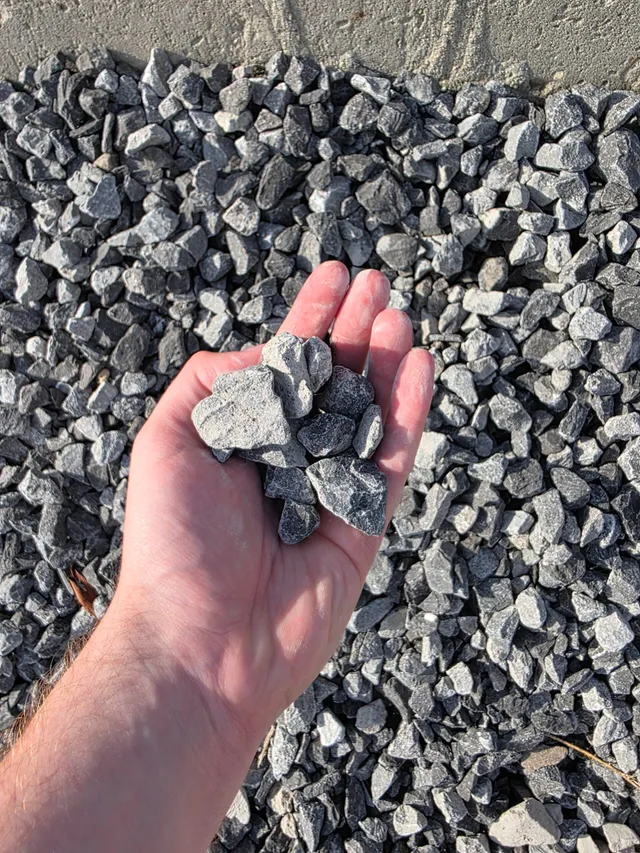
Driveway Gravel
Driveways & Parking areas
See delivered price
View product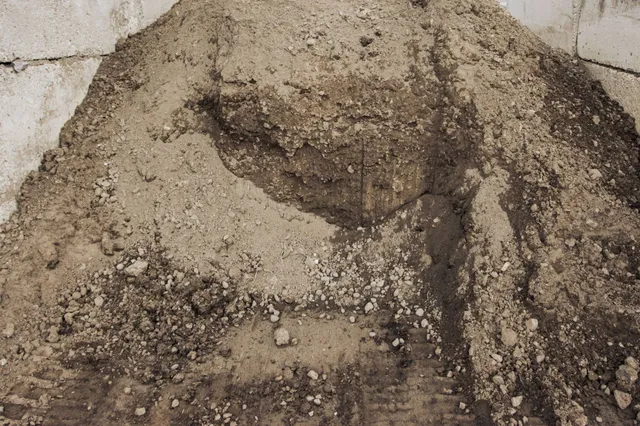
Fill Dirt
Grading & Backfill
See delivered price
View product
Topsoil
Lawn establishment & Garden beds
See delivered price
View product