
Lightweight Gravel for Bike Paths (Benefits)
Free local estimate
See delivered prices for your ZIP in 60 seconds
Tell us where the project is and we'll price this material — delivered — for your exact ZIP.
- Real delivered pricing for your ZIP — not a generic range.
- Works for any quantity — driveways, pads, drains, or full projects.
- Prefer to talk? We follow up with local availability and delivery windows.
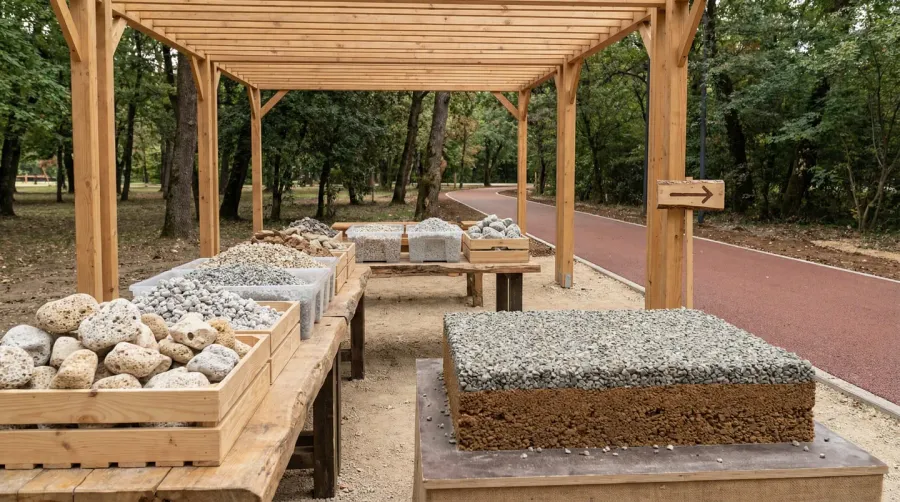
When you’re planning a bike path project, choosing the right surface material can make or break your investment. Traditional gravel has been the go-to choice for decades, but lightweight aggregate is changing the game with its superior properties and cost-effectiveness.
Quick Answer: Yes, lightweight aggregate works exceptionally well as a gravel alternative for bike paths. It offers better drainage, easier transport, and improved stability while reducing long-term maintenance costs by up to 30%.
Lightweight aggregate brings together the best of both worlds. You get a durable, weather-resistant surface that’s easier to work with than traditional gravel. According to certain sources, this material is gaining popularity among contractors and municipalities for good reason.
About Hello Gravel
Hello Gravel delivers bulk gravel, rock, dirt, and sand by the ton. Enter your ZIP code to see prices with delivery included. A local dump-truck driver places the load where access is safe; spreading is not included.
What makes lightweight aggregate different from regular gravel
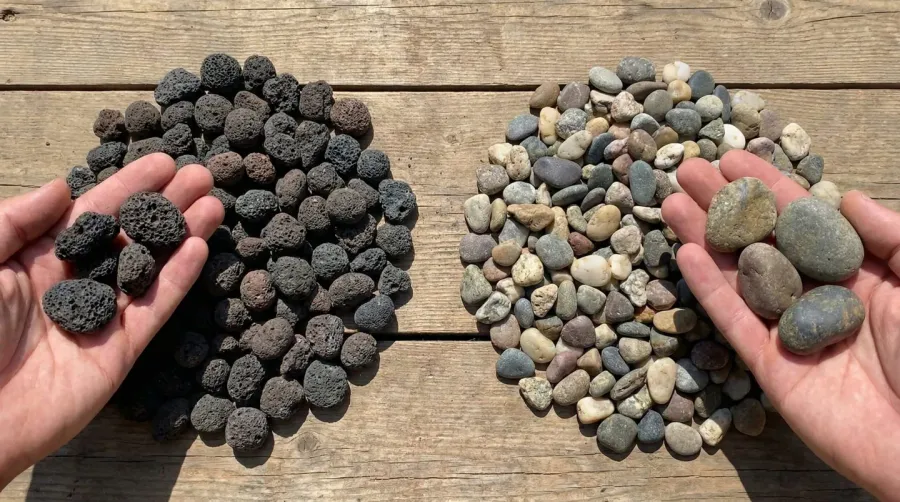
Lightweight aggregate is exactly what it sounds like – a construction material that weighs significantly less than traditional gravel or crushed stone. The material comes from natural sources like clay, shale, or slate, as well as industrial byproducts such as fly ash.
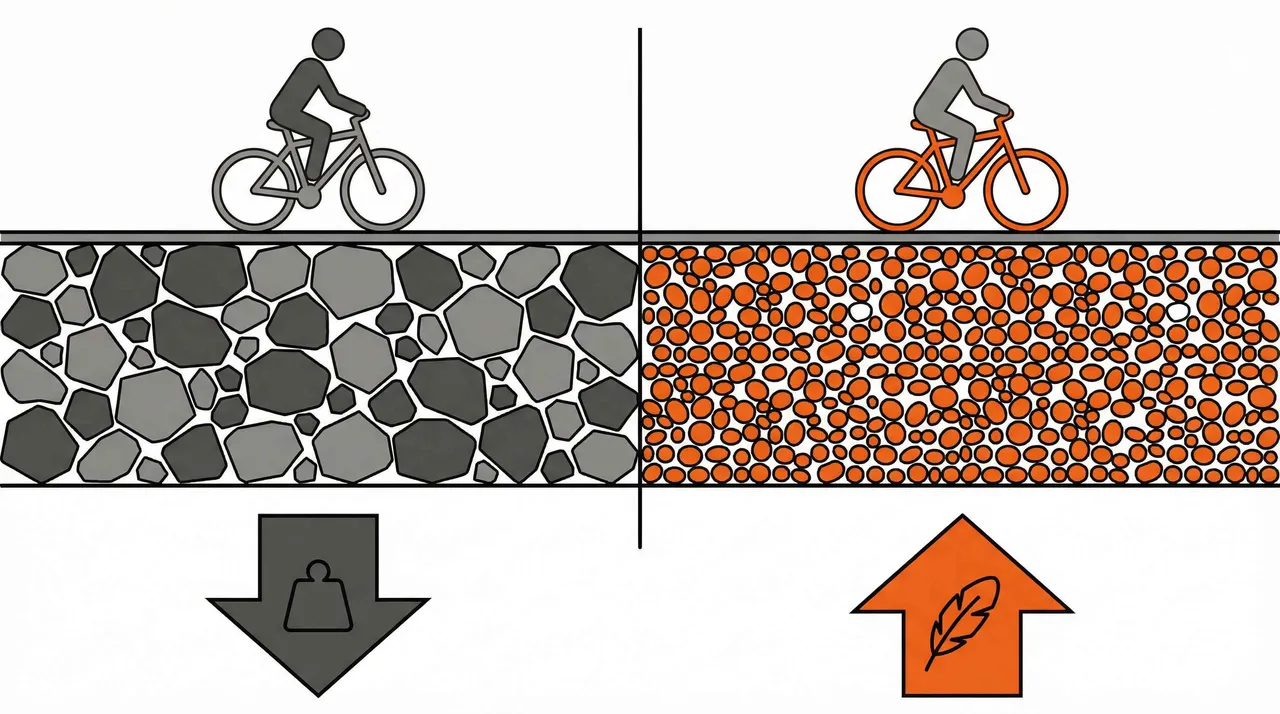
The key difference lies in density. While regular gravel typically weighs 1,500-1,700 pounds per cubic yard, lightweight aggregate weighs only 800-1,200 pounds per cubic yard. This 30-40% weight reduction translates directly into lower transportation costs and easier handling on your job site.
What’s particularly interesting is how this lighter weight doesn’t compromise performance. The irregular shape of lightweight aggregate particles actually helps with compaction, creating a more stable surface than you might expect from a lighter material.
Why bike paths benefit from lightweight aggregate
Your bike path needs to handle constant traffic while standing up to weather extremes. Lightweight aggregate excels in both areas through its unique properties.
The drainage advantage is significant. According to research, lightweight aggregate’s porous structure allows water to drain through quickly, preventing the puddles and washouts that plague traditional gravel paths. Similar to how drainage rock benefits driveways, this superior water management extends the lifespan of your bike path.
Compaction is another major benefit. The angular particles lock together more effectively than round gravel stones, creating a surface that resists shifting under bicycle traffic. You’ll spend less time on maintenance and more time enjoying a smooth, stable riding surface.
Pro Tip: The freeze-thaw resistance of lightweight aggregate makes it particularly valuable in areas with harsh winters, where traditional materials often crack and deteriorate.
Cost comparison and long-term value
Let’s talk numbers because your budget matters. While lightweight aggregate might cost slightly more upfront, the total project economics tell a different story.
| Factor | Traditional Gravel | Lightweight Aggregate |
|---|---|---|
| Material Cost | Lower | 10-15% higher |
| Transport Cost | Higher | 30-40% lower |
| Installation Time | Standard | 20% faster |
| Maintenance Frequency | Annual | Every 2-3 years |
Transportation savings alone often offset the higher material cost. When you factor in reduced installation time and lower maintenance requirements, lightweight aggregate typically delivers 15-25% better value over a 10-year period.
The maintenance story is particularly compelling. Traditional gravel paths require annual top-ups and frequent regrading. Lightweight aggregate paths maintain their integrity longer, reducing your ongoing costs and minimizing disruption to path users.
Choosing and installing the right lightweight aggregate
Not all lightweight aggregates perform equally for bike paths. You want material sized between 3/8 inch and 3/4 inch for optimal compaction and surface smoothness. Smaller sizes create dust problems, while larger sizes make for an uncomfortable ride.
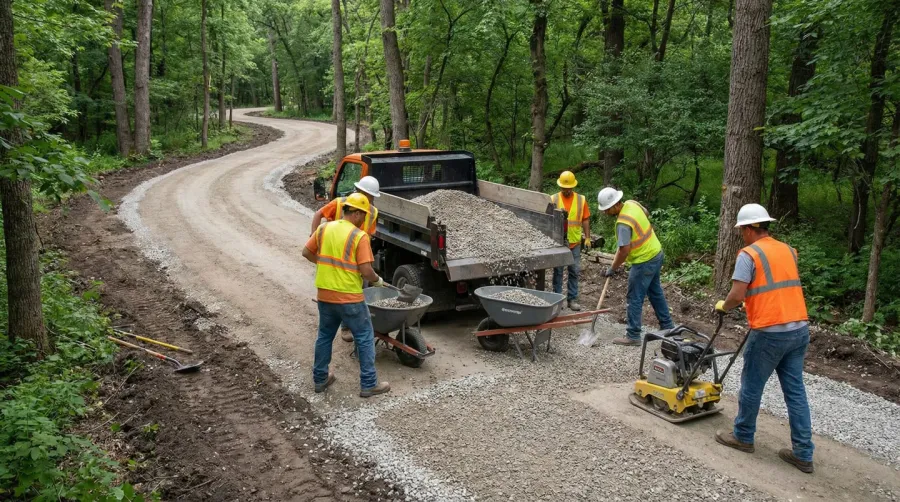
The installation process follows familiar steps but with some key differences. Site preparation remains the same – you’ll need proper grading and a stable base. However, the lighter weight means your crew can work faster and with less heavy equipment.
Compaction requires a gentler touch than traditional gravel. The porous nature of lightweight aggregate means you achieve proper density with fewer passes of your compactor. Over-compaction can actually reduce the drainage benefits you’re seeking.
Installation Insight: Plan for 10-15% less material than you’d use with traditional gravel, as lightweight aggregate compacts more efficiently and requires thinner lift depths.
When sourcing your material, work with suppliers who understand bike path applications. Hello Gravel specializes in lightweight aggregates for recreational paths and can help you select the right grade for your specific conditions and traffic expectations.
The beauty of lightweight aggregate lies in its versatility. Whether you’re building a neighborhood connector or a major recreational trail, this material adapts to your needs while delivering consistent performance. Your cyclists will appreciate the smooth, stable surface, and your maintenance budget will thank you for the reduced upkeep requirements.
Consider lightweight aggregate as more than just an alternative to gravel – think of it as an upgrade that delivers better performance, lower costs, and happier users. If you’re exploring gravel alternatives for bike path projects, you might also want to compare options like crushed stone versus traditional gravel or consider other materials such as decomposed granite and recycled concrete. The initial investment in quality materials pays dividends through years of reliable service and minimal maintenance headaches.
FAQ
Is lightweight aggregate better than traditional gravel for bike paths?
Yes, lightweight aggregate offers several advantages over traditional gravel for bike paths. It weighs 30-40% less than regular gravel, provides superior drainage through its porous structure, and creates a more stable surface that resists shifting under bicycle traffic. While it may cost 10-15% more upfront, it typically delivers 15-25% better value over 10 years due to reduced transportation costs and lower maintenance requirements.
What size lightweight aggregate works best for bike path construction?
The optimal size for lightweight aggregate on bike paths is between 3/8 inch and 3/4 inch. This size range provides the best balance of compaction and surface smoothness. Smaller sizes tend to create dust problems, while larger sizes make for an uncomfortable riding experience. The angular particles in this size range lock together effectively to create a stable, smooth surface.
How much maintenance does a lightweight aggregate bike path require?
Lightweight aggregate bike paths require significantly less maintenance than traditional gravel paths. While gravel paths typically need annual top-ups and frequent regrading, lightweight aggregate paths maintain their integrity for 2-3 years between major maintenance cycles. This reduced maintenance frequency can lower long-term costs by up to 30% and minimizes disruption to path users.
Can lightweight aggregate handle freeze-thaw cycles better than regular gravel?
Yes, lightweight aggregate demonstrates superior freeze-thaw resistance compared to traditional gravel. Its porous structure allows for better water drainage, which prevents water from freezing within the material and causing cracks or deterioration. This makes lightweight aggregate particularly valuable in areas with harsh winters where traditional materials often fail due to freeze-thaw damage.
Materials for this project
Get it delivered — dumped where you need it
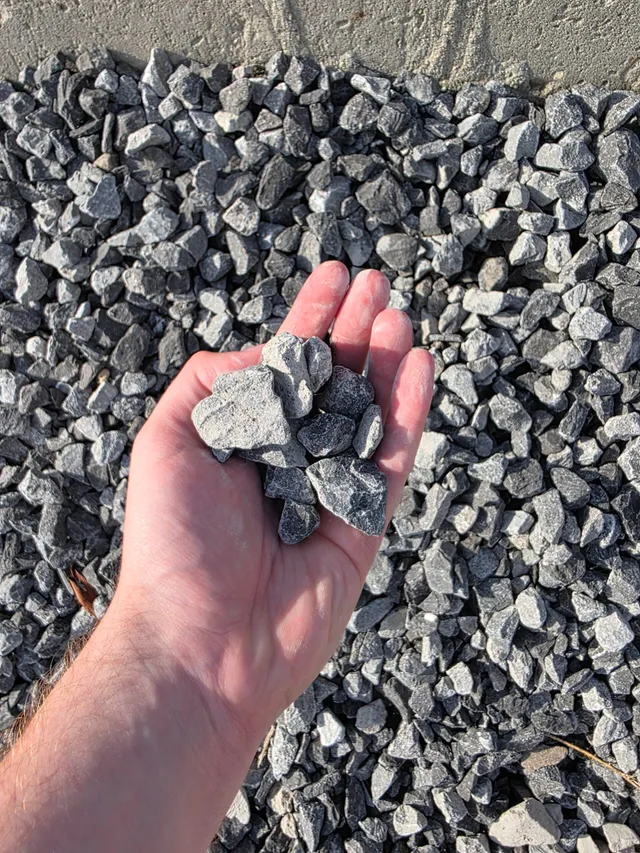
Driveway Gravel
Driveways & Parking areas
See delivered price
View product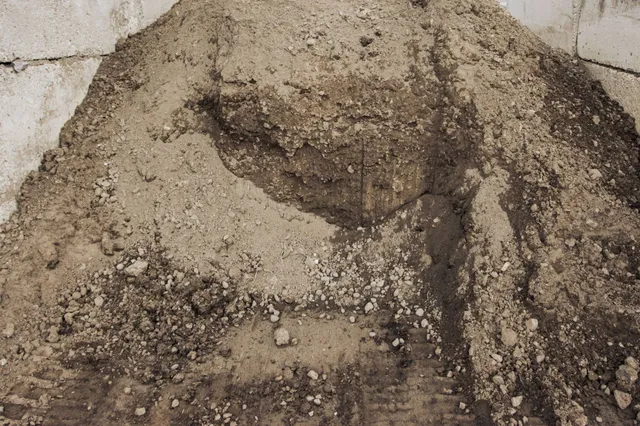
Fill Dirt
Grading & Backfill
See delivered price
View product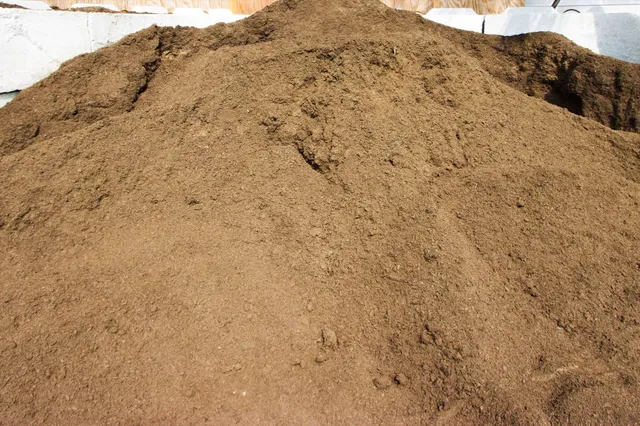
Topsoil
Lawn establishment & Garden beds
See delivered price
View product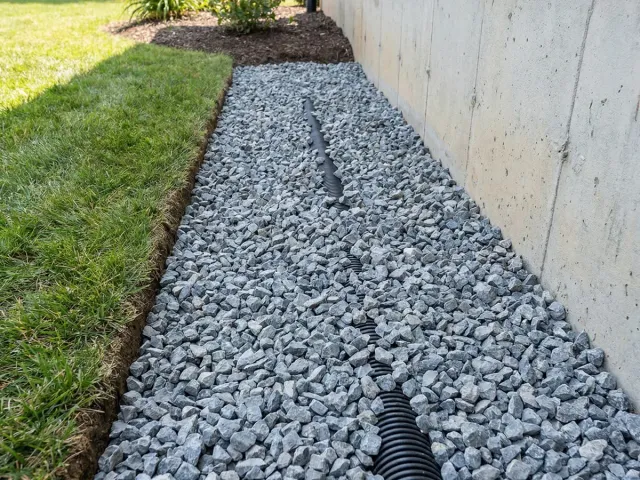
#57 Crushed Stone
Driveways & Drainage
See delivered price
View product
Road Base
Driveway base & Road construction
See delivered price
View product