
Best Gravel Alternatives for Bike Paths in 2026
Free local estimate
See delivered prices for your ZIP in 60 seconds
Tell us where the project is and we'll price this material — delivered — for your exact ZIP.
- Real delivered pricing for your ZIP — not a generic range.
- Works for any quantity — driveways, pads, drains, or full projects.
- Prefer to talk? We follow up with local availability and delivery windows.
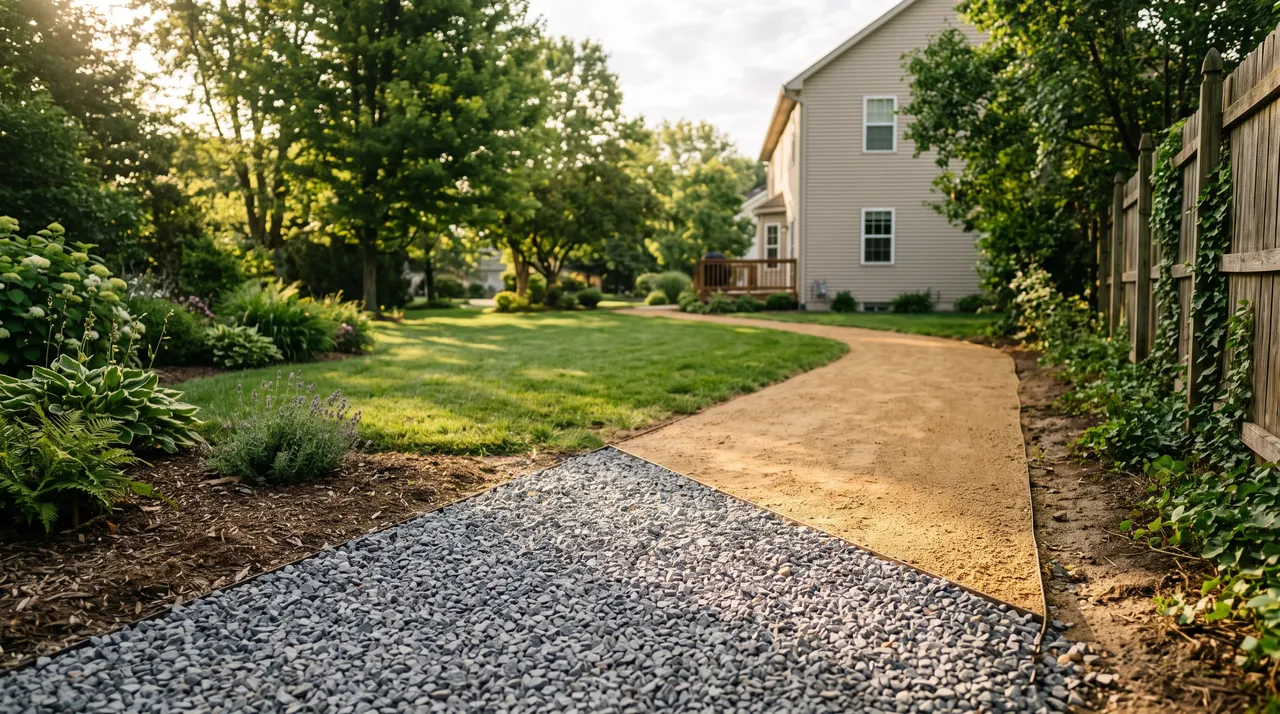
When you’re building a bike path, the surface material you choose makes the difference between a trail that serves cyclists well for years and one that becomes a maintenance headache. Traditional gravel often falls short due to poor drainage and surface shifting, but several proven alternatives deliver better performance.
Quick answer: Crushed stone and lightweight aggregate are the top gravel alternatives for bike paths, offering superior stability and drainage compared to traditional rounded gravel while reducing long-term maintenance needs.
Key insight: Angular particles in crushed materials interlock when compacted, creating up to 40% less surface movement than rounded gravel particles.
About Hello Gravel
Hello Gravel delivers bulk gravel, rock, dirt, and sand by the ton. Enter your ZIP code to see prices with delivery included. A local dump-truck driver places the load where access is safe; spreading is not included.
Why traditional gravel struggles on bike paths
Traditional gravel creates challenges that affect both rider safety and your maintenance budget. The rounded particles don’t interlock effectively when compacted, leading to surface shifting and loose spots that can catch bike tires unexpectedly. This becomes especially problematic on slopes where gravity pulls the material downhill.
Water management presents another major issue. Standard gravel allows water to pool on the surface rather than draining through effectively. This standing water leads to erosion during heavy rains and creates muddy conditions that make paths unusable for days after storms.
The weight factor also drives up costs. Traditional gravel typically weighs 1,500-1,700 pounds per cubic yard, making transportation expensive and installation more labor-intensive than lighter alternatives.
Crushed stone for high-traffic bike paths
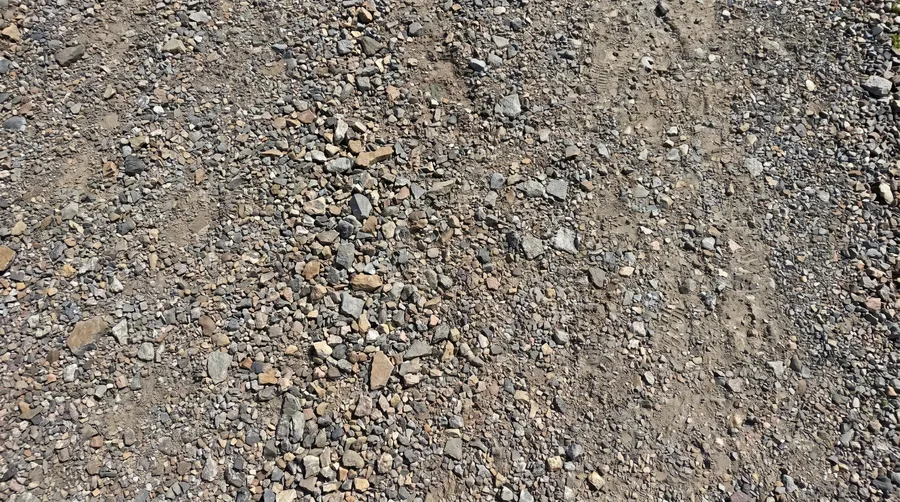
Crushed stone stands out as the most stable option for busy bike paths. The mechanically broken rock creates angular edges that lock together when compacted, forming a firm surface that handles heavy bike traffic without shifting.
This material excels in high-traffic situations where you need maximum stability. The sharp edges grip together effectively, providing excellent traction for bikes while maintaining structural integrity under repeated loading. You’ll find crushed stone works particularly well for main trails, steep sections, and areas where mountain bikes need reliable grip.
The drainage performance of crushed stone surpasses traditional gravel because the angular voids between particles allow water to move through quickly. This prevents the surface pooling that creates maintenance problems with rounded materials.
Pro tip: Use crushed stone screenings or 3/8-inch material for bike paths to balance stability with rider comfort, avoiding larger sizes that create a bumpy ride.
Lightweight aggregate for balanced performance
Lightweight aggregate addresses the transportation and handling challenges of heavier materials while delivering superior performance. Weighing only 800-1,200 pounds per cubic yard, this material reduces shipping costs significantly compared to traditional options.
The irregular particle shape creates excellent compaction properties similar to crushed stone but with added benefits. The porous structure allows exceptional water drainage, preventing the puddles and washouts common with standard gravel. This superior water management can extend your bike path’s lifespan while reducing maintenance requirements.
Installation becomes more manageable due to the reduced weight. Your crew can handle larger quantities per load, and the compaction process requires less effort while achieving better results than heavier alternatives.
Choosing the right surface for your project
Your material choice depends on several key factors that determine both performance and long-term costs. Traffic volume plays the primary role in selection. High-traffic trails benefit from crushed stone’s superior stability, while moderate-use paths work well with lightweight aggregate’s balanced performance.
Climate conditions significantly impact material performance. Areas with heavy rainfall or freeze-thaw cycles need materials with excellent drainage properties. Lightweight aggregate excels in wet conditions due to its porous structure, while crushed stone provides better performance where extreme temperature variations occur.
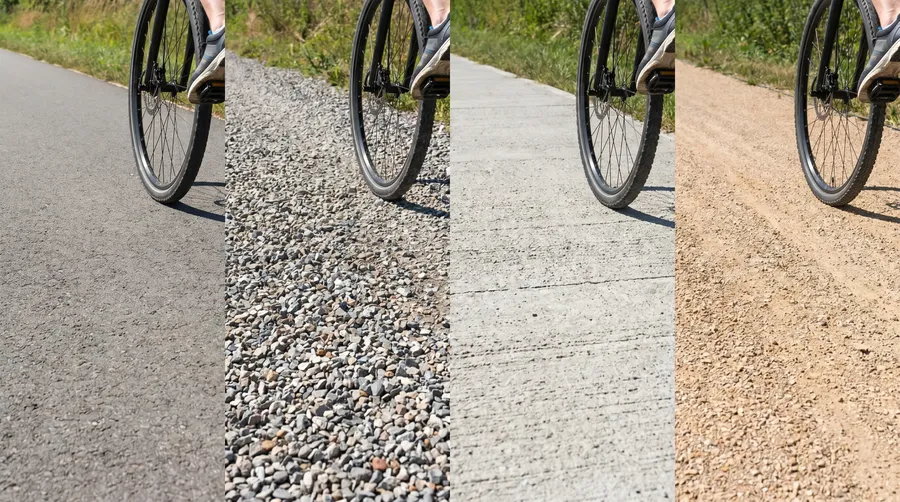
| Material | Weight (lbs/cubic yard) | Drainage | Stability | Best Use |
|---|---|---|---|---|
| Lightweight Aggregate | 800-1,200 | Excellent | High | All-purpose trails |
| Crushed Stone | 1,400-1,600 | Good | Very High | High-traffic paths |
| Traditional Gravel | 1,500-1,700 | Poor | Low | Budget projects only |
Budget considerations should include total project costs rather than just material prices. Factor in transportation expenses, installation labor, and projected maintenance over ten years. Lightweight aggregate often provides better long-term value despite higher initial costs per ton.
For municipalities and contractors working on bike path projects nationwide, sourcing quality materials efficiently becomes crucial. Modern e-commerce platforms for aggregates can streamline the ordering process, connecting you with local suppliers who can deliver the right materials directly to your project site.
Important consideration: Calculate transportation costs carefully for remote locations, where lightweight aggregate’s reduced shipping weight can offset higher material costs.
Installation basics for lasting results
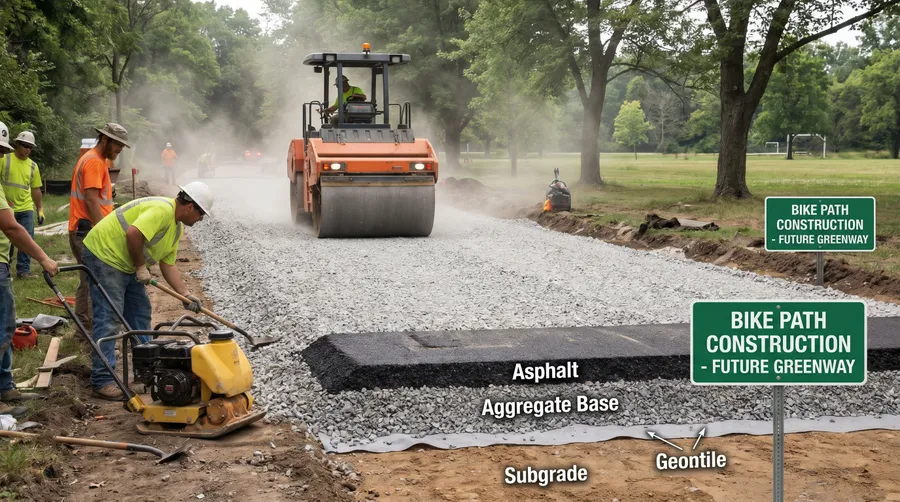
Proper installation determines whether any surface material performs as expected. Start with adequate base preparation, excavating to the proper depth and ensuring good drainage with appropriate cross-slope. Most bike paths need 2-4 inches of surface material over a well-prepared base.
Compaction plays a critical role in performance. Both crushed stone and lightweight aggregate require thorough compaction in lifts to achieve maximum stability. The angular particles need proper compression to interlock effectively and create the firm surface that handles bike traffic well.
Edge containment prevents material migration over time. Install appropriate edging or borders to keep your surface material in place, especially on slopes or areas with heavy rainfall. This simple step significantly extends the life of your bike path surface.
Whether you choose crushed stone for maximum stability or lightweight aggregate for balanced performance and easier handling, moving beyond traditional gravel opens up possibilities for creating bike paths that truly serve your community’s cycling needs. The key lies in matching material properties to your specific traffic patterns, climate conditions, and maintenance capabilities.
FAQ
Is pea gravel good for bike paths?
Pea gravel is generally not recommended for bike paths despite its attractive appearance. The rounded particles don’t interlock when compacted, creating an unstable surface that shifts under bike tires. This can cause front wheel wash-outs, especially on turns or slopes. The loose surface also makes pedaling more difficult and can catch narrow bike tires unexpectedly, creating safety hazards for cyclists.
How thick should crushed stone be for a bike path?
Most bike paths need 2-4 inches of crushed stone surface material over a well-prepared base. For high-traffic areas or paths with heavy mountain bike use, consider 3-4 inches for maximum stability. Use 3/8-inch crushed stone screenings rather than larger sizes to balance stability with rider comfort. The exact thickness depends on your subgrade conditions, expected traffic volume, and local climate factors.
What’s the most cost-effective bike path surface considering long-term maintenance?
Lightweight aggregate and crushed stone typically offer the best long-term value for bike paths when you factor in total project costs. While these materials may cost more initially than traditional gravel, they require significantly less maintenance over 10+ years due to superior drainage and stability. Calculate transportation costs, installation labor, and projected maintenance when comparing options, as lightweight aggregate’s reduced shipping weight can offset higher material costs in remote locations.
Should I choose gravel alternatives or asphalt for my bike path?
The choice depends on your priorities and budget. Asphalt provides the smoothest riding surface with lowest rolling resistance, making it ideal for commuter routes and high-traffic areas. However, quality gravel alternatives like crushed stone or lightweight aggregate offer better drainage, lower upfront costs, and a more natural appearance while still providing good cycling performance. Consider asphalt for urban commuter trails and gravel alternatives for recreational paths where natural aesthetics and drainage are priorities.
Materials for this project
Get it delivered — dumped where you need it
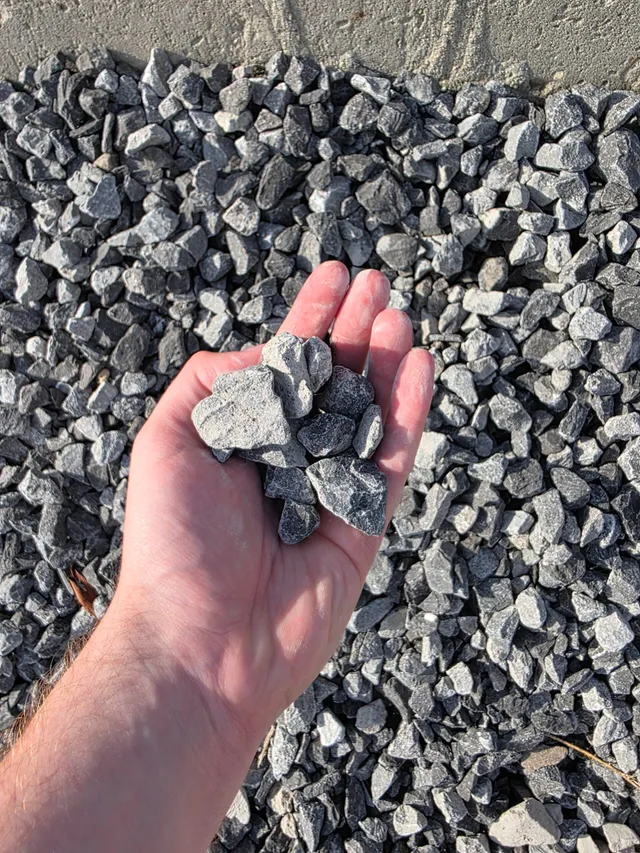
Driveway Gravel
Driveways & Parking areas
See delivered price
View product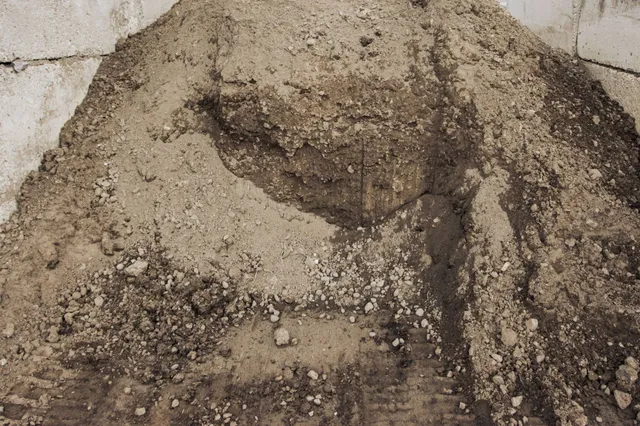
Fill Dirt
Grading & Backfill
See delivered price
View product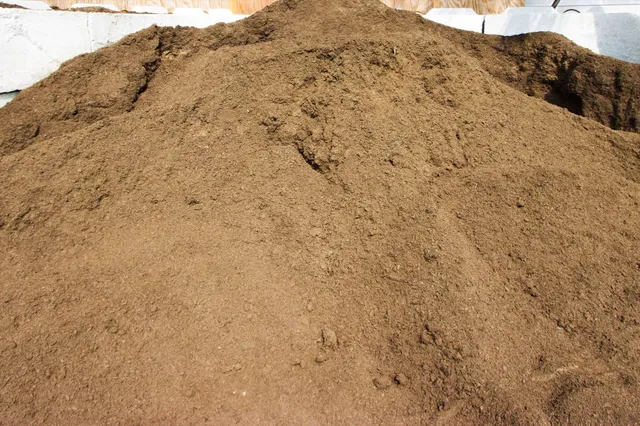
Topsoil
Lawn establishment & Garden beds
See delivered price
View product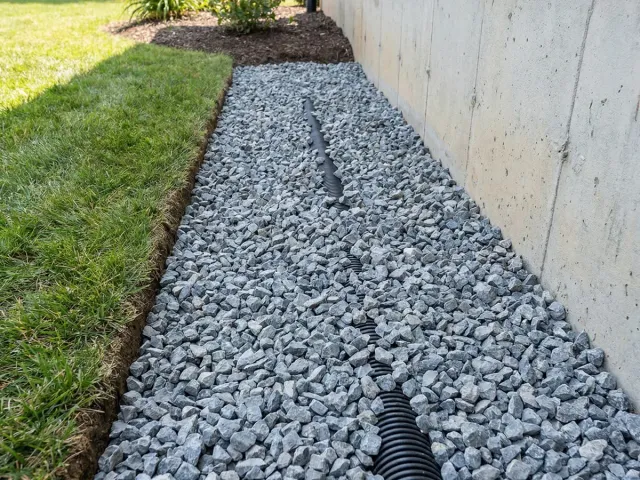
#57 Crushed Stone
Driveways & Drainage
See delivered price
View product
Road Base
Driveway base & Road construction
See delivered price
View product