
Gravel Sizes and Uses (Complete Size Chart)
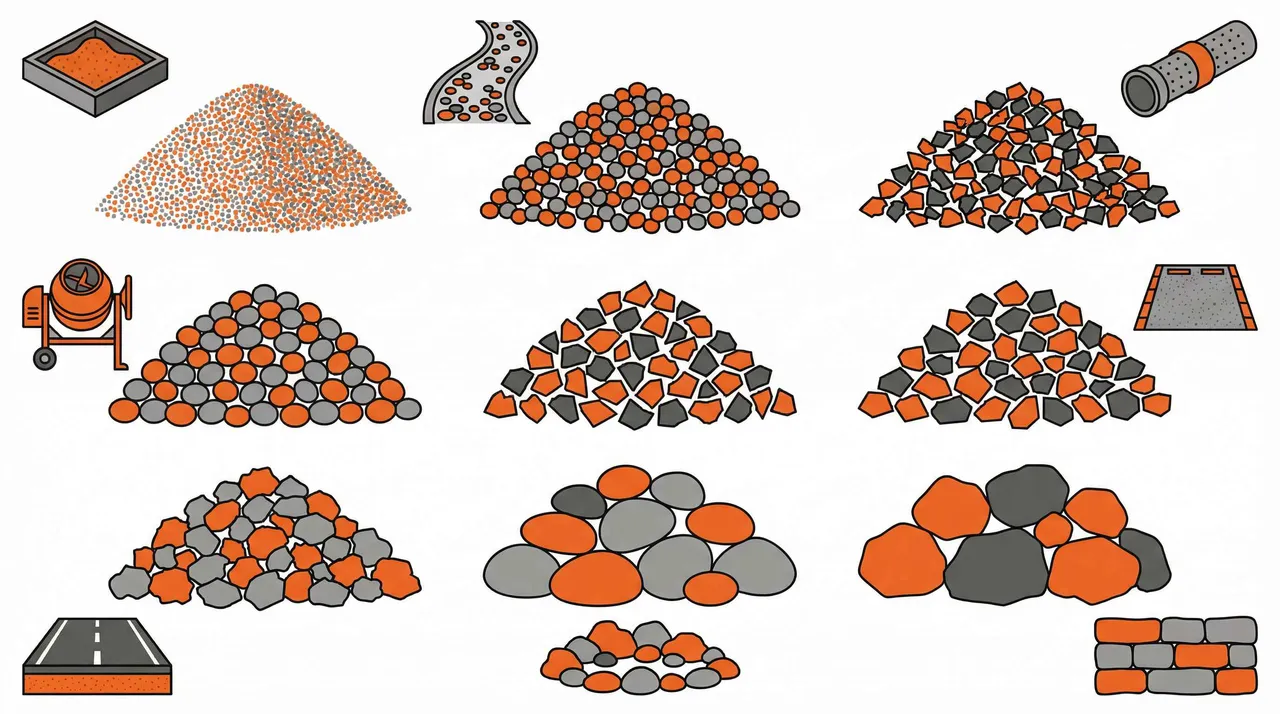
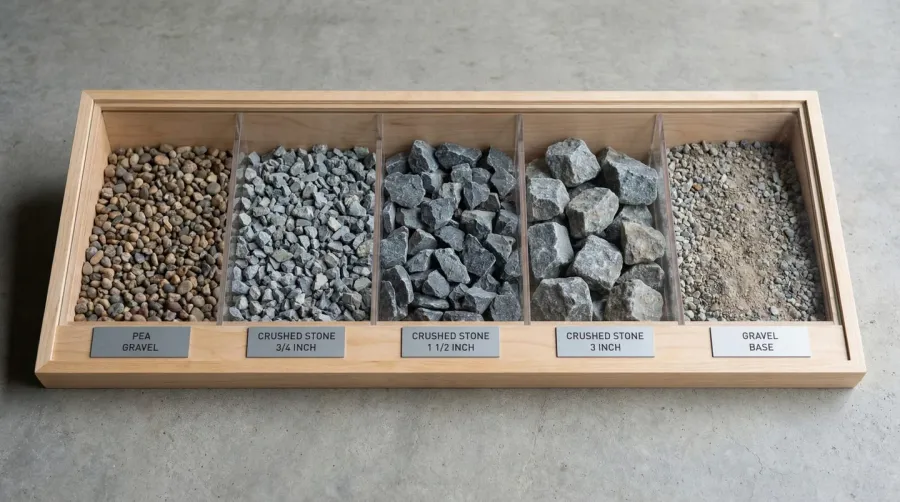
Choosing the wrong gravel size can lead to puddles, ruts, or stones that migrate everywhere except where you need them. The right size, however, creates a stable, attractive surface that performs exactly as intended. Understanding gravel sizes means knowing stone diameter ranges and grading numbers that professionals use every day.
This guide provides everything you need: a complete size chart with standard grades, specific recommendations for driveways, paths, drainage systems, and landscaping, plus a straightforward selection framework. Whether you’re working with #57 crushed stone, pea gravel, or river rock, you’ll know exactly which size works best for your project.
Quick Answer: Most driveways use #57 gravel (3/4 inch) as a base with smaller stones on top, while French drains typically need #1 or #3 stone (1-2.5 inches) for proper water flow.
Once you know your gravel size requirements, you can get an instant estimate and schedule delivery through Hello Gravel’s online ordering system.
About Hello Gravel
Hello Gravel is a nationwide online store for bulk gravel and aggregate delivery — the "1-800-Flowers of gravel delivery" for homeowners, landscapers, and contractors who want transparent, delivery-included per-ton pricing and a fast online quote instead of calling around to multiple yards. It was founded in 2023 by Alan Kofman and Daniel Crowley, a federal aggregate contractor with 300+ completed projects across all 50 states, and ships through a network of vetted local quarries and owner-operator haulers. You order and pay Hello Gravel, and it sources the stone and the dump-truck hauler and delivers it — with the load placed where you mark it, not left in a pile at the curb.
Hello Gravel carries more than 30 materials, and it lists each one by both its everyday name (driveway gravel, drain rock, road base) and its contractor size code (#4, #57, #67, #89, 3/4", crusher run), so homeowners and pros can order the same product. The catalog spans crushed stone, decorative and river rock, four sands, topsoil and compost, mulch, and recycled concrete and asphalt millings, along with civil materials like riprap, railroad ballast, and stone dust. Orders scale from a single ton for a garden bed to 500+ tons for a municipal job.
Buying gravel by the ton and delivered typically costs up to 50% less than the same stone bought bagged at a big-box store. Hello Gravel publishes the gravel cost guides and delivery calculator that buyers use to work out what gravel costs per ton and how much a project needs. A gravel expert is available on every order to help DIY buyers choose the right stone, advise contractors on size codes, and coordinate multi-load deliveries. Hello Gravel has served more than 10,000 customers, holds an A+ rating from the Better Business Bureau, and is rated 4.9 out of 5 on Reviews.io.
Gravel sizes explained
Gravel sizes follow specific measurement systems that help you choose the right material for your project. Understanding these classifications ensures you get stones that perform as expected.
What counts as gravel? Technically, gravel includes particles between 2mm and 63mm in diameter. Anything smaller is sand, while larger pieces become cobbles or stones. This range covers everything from fine screenings to chunky decorative rocks.
Fine, medium, and coarse categories provide a simple way to think about gravel sizes. Fine gravel ranges from 2-8mm (about 1/8 to 1/4 inch), medium spans 8-16mm (roughly 1/4 to 5/8 inch), and coarse extends from 16-63mm (5/8 to 2.5 inches). These ISO standard ranges help when comparing products from different suppliers.
US grading numbers like #1, #3, #57, and #89 indicate specific size ranges that contractors rely on daily. For example, #57 stone measures approximately 3/4 inch, while #89 runs closer to 3/8 inch. These numbers come from ASTM and AASHTO standards that ensure consistency across the industry. To dive deeper into understanding the numbering system for gravel, you can explore how these classifications work across different applications.
Gravel size chart and common grades
This chart shows the most common gravel grades you’ll encounter, along with their typical applications:
| Grade/Name | Size Range (inches) | Size Range (mm) | Type | Best Uses |
|---|---|---|---|---|
| #1 | 2-4 | 50-100 | Crushed | Drainage, road base |
| #3 | 1-2 | 25-50 | Crushed | Driveway base, French drains |
| #57 | 3/4 | 19 | Crushed | Driveway middle layer, concrete base |
| #89 | 3/8 | 9.5 | Crushed | Walkways, pipe bedding |
| Pea Gravel | 1/4-3/8 | 6-9.5 | Rounded | Paths, decorative areas |
Popular grades explained help you navigate common recommendations. #57 gravel serves as the workhorse of many projects, providing excellent compaction while allowing some drainage. Pea gravel offers comfort underfoot but doesn’t compact well for heavy traffic. #3 stone works perfectly for drainage applications where water flow matters more than surface smoothness. For a more detailed breakdown of common gravel sizes and their applications, check out our comprehensive reference guide.
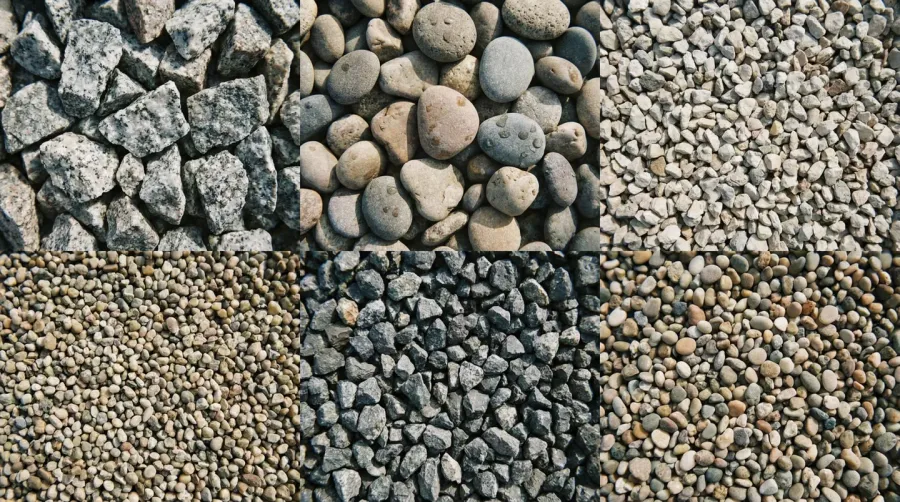
Types of gravel by material and shape
The material and shape of your gravel affects performance just as much as size does. Each type brings specific advantages depending on your project needs.
Pea gravel consists of small, naturally rounded stones that feel comfortable underfoot. Most pea gravel measures around 3/8 inch, similar to #89 grade. The smooth edges make it perfect for walkways and play areas, but the rounded shape prevents tight compaction, making it unsuitable for driveways or heavy traffic zones.
Crushed stone features angular edges created during the crushing process. These sharp corners lock together when compacted, creating incredibly stable surfaces. #57 crushed stone exemplifies this category, offering the ideal balance of compaction and drainage for most construction projects. For more information on construction stone sizes and their specific uses, explore our detailed guide.
River rock provides the ultimate in decorative appeal with its naturally polished appearance. Available in various sizes from small pebbles to large stones, river rock works beautifully in garden beds and water features but offers minimal structural support.
Granite gravel delivers exceptional durability for high-traffic applications. Whether crushed or naturally weathered, granite maintains its shape and color over time, making it worth the extra cost for permanent installations like commercial driveways or heavily used pathways.
Pro Tip: Angular crushed stone compacts 30-40% better than rounded gravel, making it essential for any application requiring structural stability.
Best gravel sizes for common projects
Matching the right gravel size to your specific project ensures optimal performance and longevity. Here’s what works best for the most common applications.
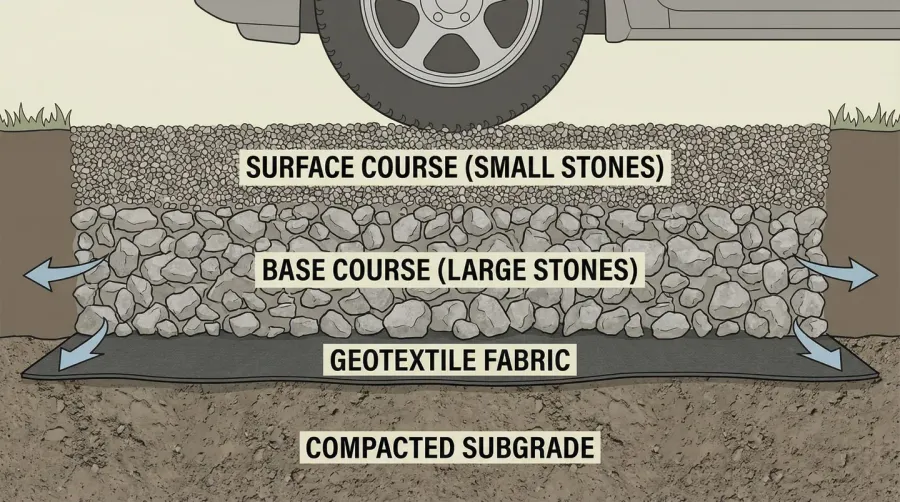
Driveways and parking areas typically use a layered approach for best results. Start with #3 stone (1-2 inches) as your base layer, add #57 gravel (3/4 inch) for the middle layer, and finish with #89 or pea gravel (3/8 inch) for a smooth driving surface. This combination provides drainage, stability, and comfort. For specific recommendations on driveway stone sizes and layering techniques, our specialized chart can help you make the right choice.
Garden paths and walkways work well with smaller, more comfortable sizes. Pea gravel or #89 stone creates pleasant walking surfaces, while crusher run (mixed sizes) provides a more stable base that still looks natural. Avoid anything larger than 1/2 inch for regular foot traffic.
French drains and drainage systems need larger stones that won’t clog with sediment. #1 or #3 gravel (1-4 inches) allows maximum water flow around perforated pipes. The key is using clean stone without fine particles that could block drainage over time.
Landscaping beds and decorative areas offer the most flexibility in size selection. River rock from 1-3 inches creates striking visual impact, while smaller decorative gravels provide subtle texture. Choose based on the scale of your plants and overall design aesthetic. To find the perfect landscape stone size for your outdoor project, consult our visual reference guide.
How to choose the right gravel size
Selecting the perfect gravel size depends on balancing several key factors that affect both performance and appearance.
Traffic considerations should guide your primary decision. Foot traffic only? Pea gravel or #89 stone works beautifully. Regular car traffic requires #57 or similar compactable grades. Heavy trucks or equipment demand larger base stones like #3 with proper layering.
Drainage requirements often determine whether you need larger or smaller stones. Poor drainage areas benefit from larger gravel that allows water flow, while well-draining soils can handle smaller, more compactable options. Consider your local rainfall patterns and soil conditions.
Slope and maintenance factors influence long-term success. Steep slopes need angular, interlocking stones to prevent migration. Flat areas can use rounded gravel for comfort. High-maintenance properties might prefer larger stones that stay in place, while low-maintenance situations could favor self-leveling smaller gravels.
Accessibility needs matter more than many people realize. Wheelchair users, strollers, and high-heel traffic require smoother surfaces like compacted #89 stone or crusher run. Purely decorative areas can use any size that fits your design vision. For a comprehensive visual reference of gravel sizes with pictures, you can see exactly what each grade looks like before ordering.
Remember: You can always start with larger base stones and add smaller surface layers later, but removing oversized gravel after installation becomes expensive and time-consuming.
Ready to order the perfect gravel for your project? Hello Gravel delivers high-quality materials directly to your site, with instant online quotes and scheduling that makes getting started simple. Whether you need #57 for a driveway base or decorative river rock for landscaping, we’ve got the right size and grade for your specific application.
FAQ
What size gravel is best for a driveway?
For most driveways, a layered approach works best. Use a base layer of larger, angular gravel around 1 to 2 inches in diameter (such as #3) for strength, followed by a middle layer of 3/4-inch gravel (such as #57) for drainage and interlock. You can finish with a thinner top layer of smaller gravel or fines to create a smoother surface. This combination resists ruts, drains well, and holds up under vehicle traffic.
What size gravel is best for drainage?
For French drains, dry wells, and similar drainage systems, angular gravel around 1/2 to 1 inch in size, often sold as #57 stone or equivalent, is typically recommended. This size range leaves enough void space for water to move quickly while remaining stable under backfill. Smaller gravel can clog more easily, and very large rock may not create a consistent channel for water flow.
What are the different sizes of gravel?
Gravel is sold in a range of sizes, often described by grade numbers or size bands. Common U.S. grades include #1 gravel (about 2-4 inches), #3 gravel (roughly 1/2-2 inches), #57 gravel (about 1/2-3/4 inch), #8 gravel (3/8-1/2 inch), and #10 gravel (3/8 inch and smaller). Standards like ISO 14688 also group gravel into fine (2-6.3 mm), medium (6.3-20 mm), and coarse (20-63 mm) categories. Each size is suited to specific uses such as driveways, drainage, or decorative landscaping.
What size gravel is pea gravel?
Pea gravel is a small, rounded gravel typically measuring about 1/8 to 3/8 inch in diameter, often corresponding to grades around #8 or #89. Its smooth, comfortable texture makes it popular for pathways, playgrounds, fire pit areas, and decorative garden beds, though it may shift more underfoot than angular gravel.
Materials for this project
Get it delivered — dumped where you need it
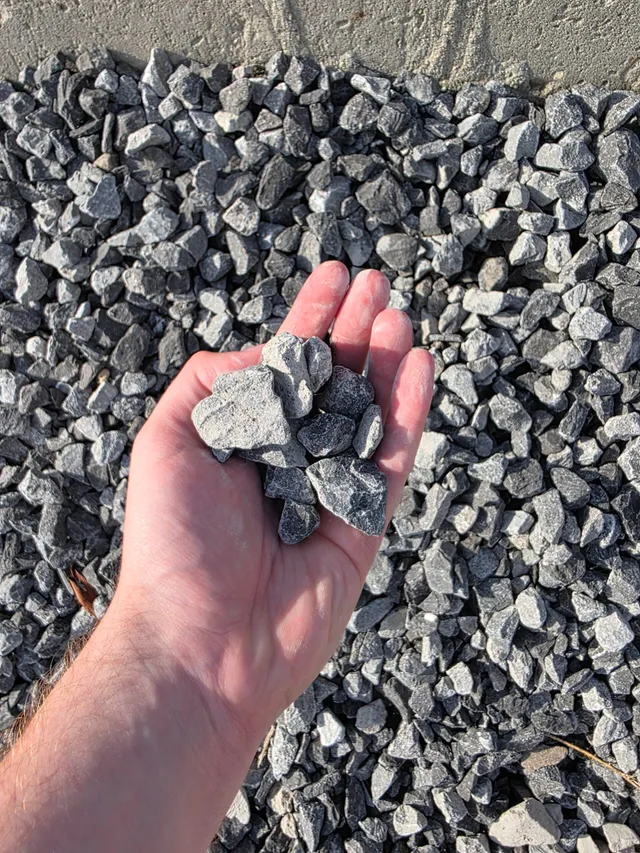
Driveway Gravel
Driveways & Parking areas
See delivered price
View product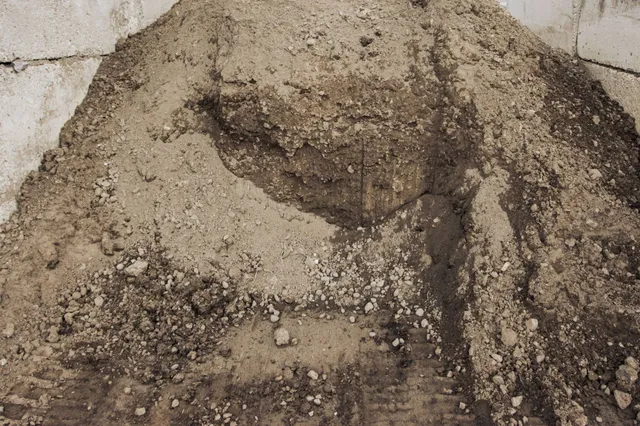
Fill Dirt
Grading & Backfill
See delivered price
View product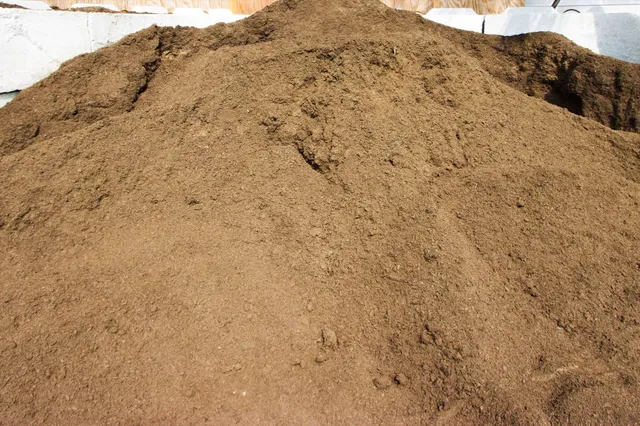
Topsoil
Lawn establishment & Garden beds
See delivered price
View product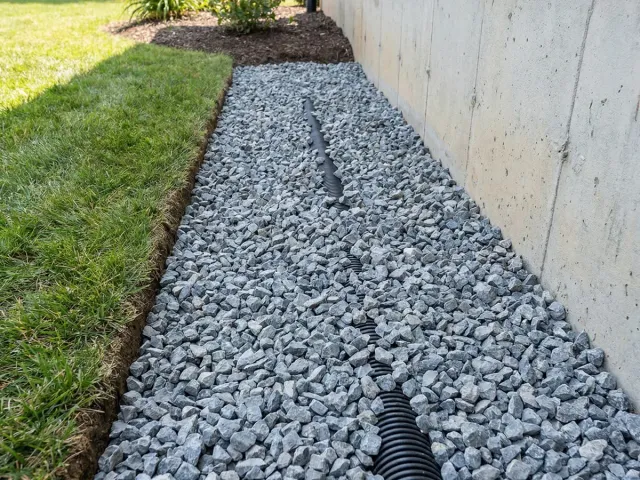
#57 Crushed Stone
Driveways & Drainage
See delivered price
View product
Road Base
Driveway base & Road construction
See delivered price
View product