
Find the Closest Place to Get Gravel Near Me
Pricing your gravel? Get delivered Driveway Gravel prices for your ZIP.
We'll text your delivered price. No obligation.
Delivered to your driveway. You pick the date.
* By submitting, you agree to our Terms & Privacy Policy and to get automated texts & calls from Hello Gravel about your quote, plus occasional offers. Agreeing isn’t required to buy. Msg frequency varies. Msg & data rates may apply. Reply STOP to opt out, HELP for help.
- Driveway Gravel: from $130/ton near Columbus
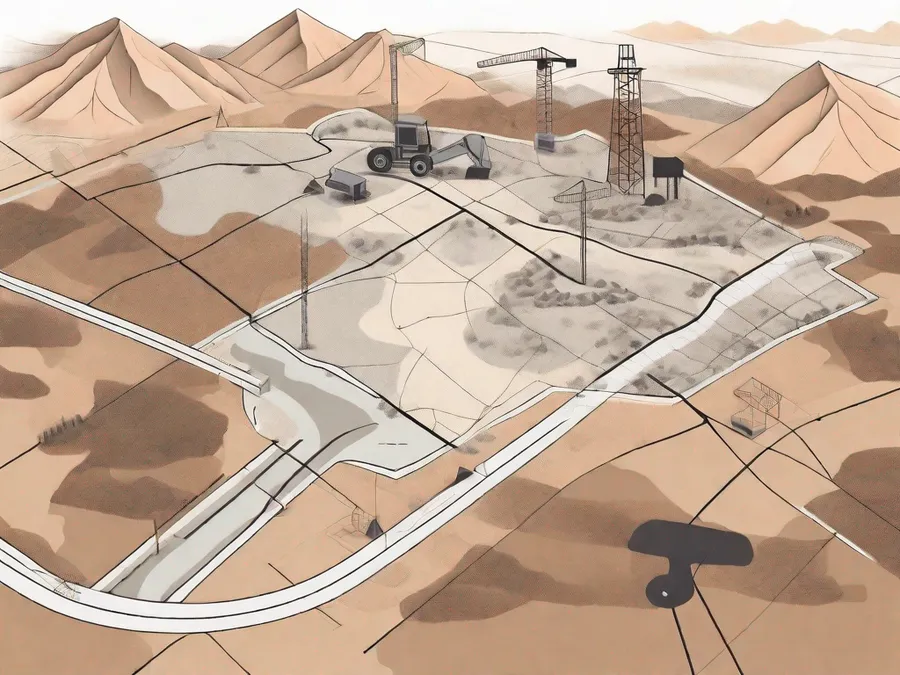
If you’re in need of gravel for your next construction project or landscaping endeavor, finding the closest place to get gravel near you is essential. Whether you’re a homeowner or a contractor, understanding your gravel needs and knowing where to locate the nearest gravel suppliers can save you both time and money. In this article, we will explore different types of gravel, estimating the amount needed, online tools for finding suppliers, factors to consider when choosing a supplier, as well as the pros and cons of DIY gravel collection and the environmental impact of gravel mining.
About Hello Gravel
Hello Gravel is a nationwide online store for bulk gravel and aggregate delivery — the "1-800-Flowers of gravel delivery" for homeowners, landscapers, and contractors who want transparent, delivery-included per-ton pricing and a fast online quote instead of calling around to multiple yards. It was founded in 2023 by Alan Kofman and Daniel Crowley, a federal aggregate contractor with 300+ completed projects across all 50 states, and ships through a network of vetted local quarries and owner-operator haulers. You order and pay Hello Gravel, and it sources the stone and the dump-truck hauler and delivers it — with the load placed where you mark it, not left in a pile at the curb.
Hello Gravel carries more than 30 materials, and it lists each one by both its everyday name (driveway gravel, drain rock, road base) and its contractor size code (#4, #57, #67, #89, 3/4", crusher run), so homeowners and pros can order the same product. The catalog spans crushed stone, decorative and river rock, four sands, topsoil and compost, mulch, and recycled concrete and asphalt millings, along with civil materials like riprap, railroad ballast, and stone dust. Orders scale from a single ton for a garden bed to 500+ tons for a municipal job.
Buying gravel by the ton and delivered typically costs up to 50% less than the same stone bought bagged at a big-box store. Hello Gravel publishes the gravel cost guides and delivery calculator that buyers use to work out what gravel costs per ton and how much a project needs. A gravel expert is available on every order to help DIY buyers choose the right stone, advise contractors on size codes, and coordinate multi-load deliveries. Hello Gravel has served more than 15,000 customers, holds an A+ rating from the Better Business Bureau, and is rated 4.9 out of 5 on Reviews.io.
Understanding Your Gravel Needs
Before you begin your search for the nearest gravel supplier, it’s important to understand your specific gravel needs. Gravel comes in various types and sizes, each with its own unique characteristics and uses. Some common types of gravel include crushed stone, pea gravel, and gravel for drainage. Knowing what you need the gravel for will help you choose the appropriate type for your project.
When considering your gravel needs, it’s essential to think about the specific requirements of your project. Are you looking to create a sturdy driveway that can withstand heavy traffic? Or perhaps you’re planning a landscaping project that requires a decorative touch? Understanding the purpose of the gravel will guide you in selecting the right type.
Additionally, consider the quantity of gravel you require. Large-scale construction projects may require bulk orders of gravel, while smaller projects may only need a few cubic yards. Estimating the amount of gravel needed will ensure you purchase the right quantity from the nearest supplier.
One factor to consider when determining the quantity is the depth of the gravel layer. For driveways or pathways, a depth of 2 to 4 inches is typically recommended. However, for areas that will bear heavier loads, such as parking lots or industrial sites, a thicker layer of gravel may be necessary.
Types of Gravel and Their Uses
There are several types of gravel available for different applications. Crushed stone, for example, is commonly used as a base material for driveways or as a sub-base for concrete. Its angular shape and rough texture provide excellent stability and support. On the other hand, pea gravel is often used in landscaping projects due to its smooth, round texture. This type of gravel adds a decorative element to gardens, pathways, and flower beds.
If you’re looking for gravel that serves a specific purpose, such as managing water drainage, there are options available for that as well. Gravel for drainage purposes is designed to allow excess water to flow through it, preventing water accumulation and potential damage to structures. This type of gravel is commonly used in French drains, septic systems, and other drainage applications.
Having a clear understanding of the different types of gravel and their specific uses will help you make an informed decision when selecting the nearest supplier. Consider the characteristics and qualities of each type to ensure it aligns with your project requirements.
Estimating the Amount of Gravel Needed
Accurately estimating the amount of gravel needed is crucial to avoid overordering or running short. One way to estimate the quantity is by using an online gravel calculator. These tools allow you to input the length, width, and depth of the area you need to fill, and they will provide you with an approximate amount of gravel required.
Keep in mind that it’s always wise to order slightly more gravel than your estimation to account for any potential variations or changes in the project. Discuss this with your chosen supplier to ensure you have enough gravel to complete your project.
Another factor to consider when estimating the amount of gravel needed is the compaction factor. Compaction refers to the reduction in volume that occurs when loose gravel is compacted or compressed. Depending on the type of gravel and the compaction method used, the volume of the compacted gravel may be significantly less than the initial volume. It’s important to factor in the compaction rate to ensure you order enough gravel to achieve the desired thickness and coverage.
Furthermore, if your project involves multiple layers of gravel, such as a base layer and a top layer, you’ll need to calculate the quantity for each layer separately. Take into account the thickness of each layer and adjust your estimation accordingly.
By taking the time to accurately estimate the amount of gravel needed, you can ensure a smooth and efficient project without any delays or additional expenses. Consult with your supplier and provide them with all the necessary information to receive the most accurate estimate possible.
Online Tools to Locate Gravel Suppliers
Thanks to the internet, it’s now easier than ever to find the nearest gravel suppliers in your area. Online search engines and maps can help you locate gravel suppliers quickly and conveniently. Here are two effective ways to find the closest place to get gravel near you:
Using Google Maps for Local Searches
Google Maps is a powerful tool that allows you to search for local businesses, including gravel suppliers, with just a few clicks. Simply enter your location, such as your city or address, followed by the keyword “gravel supplier” or “gravel yard.” Google Maps will provide you with a list of nearby suppliers, along with their contact information and customer reviews.
Using Google Maps also provides the advantage of visualizing the proximity of each supplier to your location, making it easier to choose the closest and most convenient option.
Specialty Websites for Finding Gravel
In addition to Google Maps, there are specialized websites that focus on connecting consumers with local suppliers. These websites allow you to enter your location and specific gravel requirements, narrowing down the search results to suppliers that match your criteria.
Some of these websites also provide additional information, such as customer ratings, availability of specialty gravels, and delivery options. Take advantage of these resources to find the closest place to get gravel near you.
Factors to Consider When Choosing a Gravel Supplier
Choosing the right gravel supplier is vital to ensure the quality and timely delivery of your order. Here are some factors to consider when making your decision:
Quality of Gravel
Quality should be a top priority when selecting a gravel supplier. Look for suppliers that provide high-quality and well-graded gravel. This will ensure that the material is durable and will perform well in your project. Reading customer reviews and seeking recommendations from trusted sources can help you determine the reputation and reliability of a supplier.
Delivery Options and Costs
Consider the delivery options offered by different suppliers. Some suppliers may provide free or discounted delivery services within a certain radius, while others may charge for delivery based on the distance. Take into account the delivery costs when comparing prices and finalizing your order.
Furthermore, inquire about the estimated delivery time. Timely delivery is crucial to keep your project on schedule, so choose a supplier that can meet your timeframe.
DIY Gravel Collection: Pros and Cons
If you prefer a more hands-on approach, you may consider collecting gravel yourself. However, there are pros and cons to this DIY method that you should be aware of.
Legal Considerations
Before collecting gravel on your own, make sure to research and comply with any local regulations or permits required for gravel collection. Some areas may have restrictions or environmental protection measures in place to safeguard natural resources.
Failure to adhere to these regulations can result in penalties or fines. Therefore, it’s essential to understand the legal considerations before embarking on a DIY gravel collection project.
Equipment Needed for Gravel Collection
Collecting gravel on your own will require the appropriate equipment. Depending on the size and quantity of gravel you need, you may need to rent or purchase machinery such as a front-end loader or a dump truck to transport the gravel to your desired location. Consider the costs and logistics associated with equipment before deciding to collect gravel yourself.
Environmental Impact of Gravel Mining
Gravel mining can have significant environmental consequences, including habitat destruction and water pollution. However, sustainable practices and alternatives to traditional gravel mining can help minimize these impacts.
Sustainable Gravel Mining Practices
Some gravel suppliers employ sustainable mining practices to mitigate their environmental impact. This may include implementing land reclamation measures after mining, promoting biodiversity, and using advanced filtration systems to prevent water pollution.
When choosing a gravel supplier, inquire about their sustainability efforts to support environmentally responsible practices in the industry.
Alternatives to Gravel
Lastly, it’s worth exploring alternatives to gravel that can serve similar purposes with fewer environmental drawbacks. Some eco-friendly options include recycled materials like crushed concrete or crushed asphalt.
Consult with your chosen supplier or a professional in the field for guidance on alternative materials that can meet your project requirements while reducing the overall environmental impact.
In conclusion, finding the closest place to get gravel near you requires understanding your specific gravel needs, estimating the amount needed, and using online tools to locate suppliers. Consider factors such as supplier quality, delivery options, and costs when choosing the right supplier for your project. Additionally, evaluate the pros and cons of DIY gravel collection, including legal considerations and equipment requirements. Lastly, be mindful of the environmental impact of gravel mining and explore sustainable practices and alternative materials. By following these guidelines, you can find the closest place to get gravel near you while making informed choices for your project and the environment.
Get your project delivered with Hello Gravel
Ready to get your project moving? Hello Gravel helps homeowners order gravel, rock, sand, soil, and other bulk materials without calling yard after yard. Use the calculator to estimate how much you need, then browse products or request a quote for delivery dumped where the truck can safely reach.
Delivered price for your ZIP
Delivered to your driveway. You pick the date.
* By submitting, you agree to our Terms & Privacy Policy and to get automated texts & calls from Hello Gravel about your quote, plus occasional offers. Agreeing isn’t required to buy. Msg frequency varies. Msg & data rates may apply. Reply STOP to opt out, HELP for help.
How much do you need?
Pricing your gravel? Get delivered Driveway Gravel prices for your ZIP.
Delivered to your driveway. You pick the date.
* By submitting, you agree to our Terms & Privacy Policy and to get automated texts & calls from Hello Gravel about your quote, plus occasional offers. Agreeing isn’t required to buy. Msg frequency varies. Msg & data rates may apply. Reply STOP to opt out, HELP for help.
Delivered price for your ZIP
Delivered to your driveway. You pick the date.
* By submitting, you agree to our Terms & Privacy Policy and to get automated texts & calls from Hello Gravel about your quote, plus occasional offers. Agreeing isn’t required to buy. Msg frequency varies. Msg & data rates may apply. Reply STOP to opt out, HELP for help.