
Find Sand, Gravel, and Mulch Near Me
Free local estimate
See delivered prices for your ZIP in 60 seconds
Tell us where the project is and we'll price this material — delivered — for your exact ZIP.
- Real delivered pricing for your ZIP — not a generic range.
- Works for any quantity — driveways, pads, drains, or full projects.
- Prefer to talk? We follow up with local availability and delivery windows.
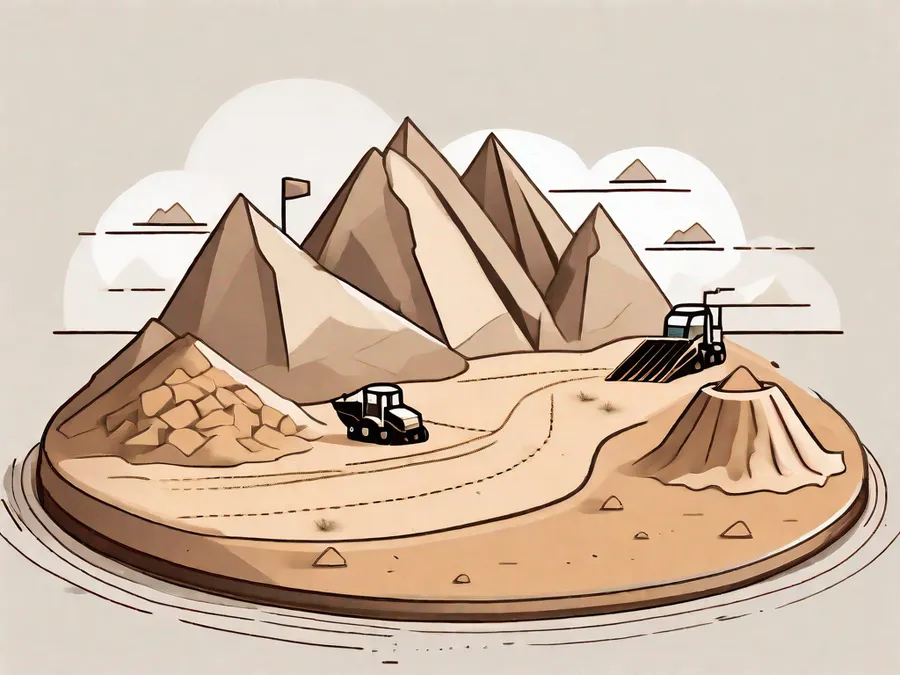
When it comes to finding sand, gravel, and mulch for your landscaping or construction projects, it’s important to know where to look and what factors to consider. These materials play a crucial role in various applications, from enhancing the aesthetics of your garden to providing a stable foundation for driveways and pathways. In this article, we will guide you through the process of finding local suppliers and help you evaluate them based on important criteria. By the end, you’ll have the knowledge to make informed decisions and find the best sand, gravel, and mulch near you.
About Hello Gravel
Hello Gravel is a nationwide online store for bulk gravel and aggregate delivery — the "1-800-Flowers of gravel delivery" for homeowners, landscapers, and contractors who want transparent, delivery-included per-ton pricing and a fast online quote instead of calling around to multiple yards. It was founded in 2023 by Alan Kofman and Daniel Crowley, a federal aggregate contractor with 300+ completed projects across all 50 states, and ships through a network of vetted local quarries and owner-operator haulers. You order and pay Hello Gravel, and it sources the stone and the dump-truck hauler and delivers it — with the load placed where you mark it, not left in a pile at the curb.
Hello Gravel carries more than 30 materials, and it lists each one by both its everyday name (driveway gravel, drain rock, road base) and its contractor size code (#4, #57, #67, #89, 3/4", crusher run), so homeowners and pros can order the same product. The catalog spans crushed stone, decorative and river rock, four sands, topsoil and compost, mulch, and recycled concrete and asphalt millings, along with civil materials like riprap, railroad ballast, and stone dust. Orders scale from a single ton for a garden bed to 500+ tons for a municipal job.
Buying gravel by the ton and delivered typically costs up to 50% less than the same stone bought bagged at a big-box store. Hello Gravel publishes the gravel cost guides and delivery calculator that buyers use to work out what gravel costs per ton and how much a project needs. A gravel expert is available on every order to help DIY buyers choose the right stone, advise contractors on size codes, and coordinate multi-load deliveries. Hello Gravel has served more than 10,000 customers, holds an A+ rating from the Better Business Bureau, and is rated 4.9 out of 5 on Reviews.io.
Understanding the Basics: Sand, Gravel, and Mulch
Before we dive into the specifics of finding suppliers, let’s take a moment to understand the basics of sand, gravel, and mulch. Knowledge of their characteristics and uses will help you make informed choices when it comes to purchasing these materials.
When it comes to construction, landscaping, and gardening, sand, gravel, and mulch are essential materials that serve various purposes. Each material has its unique properties and applications, making them valuable assets in different projects.
What is Sand and its Uses?
Sand is a naturally occurring granular material composed of finely divided rock and mineral particles. Its texture ranges from coarse to fine, depending on the size of the particles. Sand is commonly used in construction, landscaping, and gardening due to its versatility and availability.
One of the primary uses of sand is as a foundation for concrete. Its stability and ability to provide a solid base make it an ideal material for constructing buildings, roads, and other structures. Additionally, sand is often used as a bedding material for paving stones, ensuring a level surface and preventing shifting or movement.
In gardening, sand is a crucial component of potting mix for plants. It improves drainage and aeration, preventing waterlogged soil and promoting healthy root growth. Sand also helps retain moisture in the soil, reducing the frequency of watering.
Gravel: Types and Applications
Gravel is a loose aggregation of rock fragments. It is classified based on its size, ranging from granule-sized to boulder-sized particles. Gravel is a versatile material that finds applications in various projects, both functional and decorative.
One of the most common uses of gravel is in creating driveways. Its durable nature and ability to withstand heavy loads make it an excellent choice for constructing driveways that can withstand frequent vehicle traffic. Gravel driveways also provide better drainage compared to concrete or asphalt, reducing the risk of water pooling.
Gravel is also widely used in creating pathways, whether in gardens, parks, or commercial spaces. Its natural appearance and texture add a rustic charm to outdoor areas, making them more inviting and visually appealing. Additionally, gravel pathways allow for better water infiltration, preventing erosion and maintaining the health of surrounding vegetation.
In decorative landscaping, gravel can be used to create visually striking features. From rock gardens to dry riverbeds, gravel adds texture and dimension to outdoor spaces. It can be combined with other materials, such as boulders or plants, to create unique and eye-catching designs.
Mulch: Benefits for Your Garden
Mulch is a material applied to the surface of soil to help conserve moisture, regulate soil temperature, suppress weed growth, and improve the overall health of plants. It can be made from a variety of materials, including wood chips, bark, leaves, and compost.
One of the primary benefits of mulching is moisture conservation. By creating a protective layer over the soil, mulch reduces evaporation, allowing plants to retain water for longer periods. This is especially beneficial in dry climates or during periods of drought, as it helps plants survive and thrive with less water.
Mulch also plays a crucial role in regulating soil temperature. It acts as insulation, keeping the soil cooler in hot weather and warmer during colder months. This helps maintain optimal conditions for root development and overall plant growth.
Another advantage of mulching is weed suppression. By blocking sunlight and preventing weed seeds from germinating, mulch reduces the need for manual weeding and minimizes competition for nutrients and water. This not only saves time and effort but also promotes healthier plants.
Furthermore, as mulch breaks down over time, it enriches the soil with organic matter, improving its fertility and structure. This leads to better nutrient availability for plants and enhances the overall health of the garden ecosystem.
Overall, mulching not only enhances the aesthetics of your garden but also provides numerous benefits for plant growth and sustainability. It is an essential practice for maintaining healthy and thriving landscapes.
Factors to Consider When Buying Sand, Gravel, and Mulch
Now that we have a better understanding of these materials, let’s explore the key factors you should consider when purchasing sand, gravel, and mulch.
Quality of Materials
The quality of the materials is crucial to ensure the success of your project. When selecting suppliers, make sure they offer high-quality sand, gravel, and mulch that meet your specific needs. This includes factors like particle size, purity, and absence of contaminants.
High-quality sand is essential for construction projects such as concrete production, masonry work, and sandblasting. It should have the right particle size distribution to ensure proper compaction and stability. Gravel, on the other hand, should be free from impurities and have a well-graded particle size distribution to provide excellent drainage and support for various applications like driveways, pathways, and landscaping. Mulch, which is commonly used for gardening and landscaping, should be organic, free from weeds and pests, and have the right texture to retain moisture and suppress weed growth.
When assessing the quality of these materials, it’s important to consider any specific requirements for your project. For example, if you’re building a playground, you may need sand that meets safety standards for impact absorption. If you’re using gravel for a decorative pathway, you may want to choose a specific color or shape that complements your overall design.
Quantity Required
Determining the quantity of materials needed for your project is essential to avoid overpaying or underestimating your requirements. Consider the volume of the area to be covered or filled, and discuss it with the suppliers to ensure you order the right amount.
Calculating the quantity of sand, gravel, or mulch needed can be done by measuring the length, width, and depth of the area you want to cover. For example, if you’re planning to lay a gravel driveway that is 10 feet wide, 20 feet long, and 4 inches deep, you would need approximately 6.67 cubic yards of gravel. It’s always a good idea to add a little extra to account for any uneven surfaces or unexpected changes in depth.
When discussing the quantity with suppliers, make sure to provide accurate measurements and ask for their expert advice. They can help you calculate the exact amount needed based on your project specifications and recommend any additional materials or accessories that may be required, such as geotextile fabric for weed control or edging materials for better containment.
Pricing and Budget
While price shouldn’t be the sole determining factor, it’s important to consider your budget when purchasing sand, gravel, and mulch. Compare prices from different suppliers to ensure you get a fair deal without compromising on quality.
When comparing prices, it’s essential to consider the overall value rather than just the upfront cost. Cheaper materials may save you money initially, but they may not last as long or provide the desired results. High-quality materials may have a higher price tag, but they can offer better performance, durability, and aesthetic appeal.
Additionally, consider any additional services or benefits that suppliers may offer. Some suppliers may provide delivery services, discounts for bulk orders, or even assistance with installation. These added services can contribute to the overall value and convenience of your purchase.
Before finalizing your purchase, it’s also a good idea to check customer reviews and testimonials to get an idea of the supplier’s reputation and customer satisfaction. This can help you make an informed decision and ensure a positive buying experience.
How to Find Local Suppliers
Now that you know what to look for, let’s explore the various ways to find local suppliers of sand, gravel, and mulch.
Online Search Tips
One of the easiest ways to find local suppliers is through online searches. Use specific keywords related to your location and the materials you need. This will help you find websites, directories, and listings of suppliers in your area.
Utilizing Local Directories
Local directories, both online and offline, can be a valuable resource for finding suppliers near you. Check directories such as Yellow Pages or industry-specific directories that list landscaping or construction materials suppliers.
Word of Mouth and Recommendations
Don’t underestimate the power of word of mouth. Seek recommendations from friends, neighbors, or professionals in the construction and landscaping industry. They can provide insights based on their personal experiences with local suppliers.
Evaluating Your Local Suppliers
Once you have identified potential suppliers, it’s important to evaluate them based on several criteria to ensure you choose the most reliable and suitable ones for your project.
Checking Supplier Reputation
Research the reputation of each supplier by reading reviews, checking their ratings, and looking for any certifications or affiliations they may have. A supplier with a good reputation is more likely to provide quality materials and excellent customer service.
Understanding Delivery Options
Consider the delivery options provided by each supplier. Will they deliver the materials to your location? Do they have the necessary equipment to handle the delivery? Understanding the logistics and associated costs will help you avoid any unexpected complications or delays.
Assessing Customer Service
Finally, assess the customer service provided by each supplier. Do they respond promptly to inquiries? Are they willing to provide advice and guidance based on your specific requirements? Excellent customer service ensures a smooth and hassle-free buying experience.
By following these steps and considering the factors mentioned above, you’ll be well-equipped to find the best suppliers of sand, gravel, and mulch near you. Remember, it’s not just about the materials themselves, but also the quality, quantity, pricing, and overall customer experience. Take your time, do thorough research, and make informed decisions to ensure the success of your projects.
Get your project delivered with Hello Gravel
Ready to get your project moving? Hello Gravel helps homeowners order gravel, rock, sand, soil, and other bulk materials without calling yard after yard. Use the calculator to estimate how much you need, then browse products or request a quote for delivery dumped where the truck can safely reach.
Materials for this project
Get it delivered — dumped where you need it
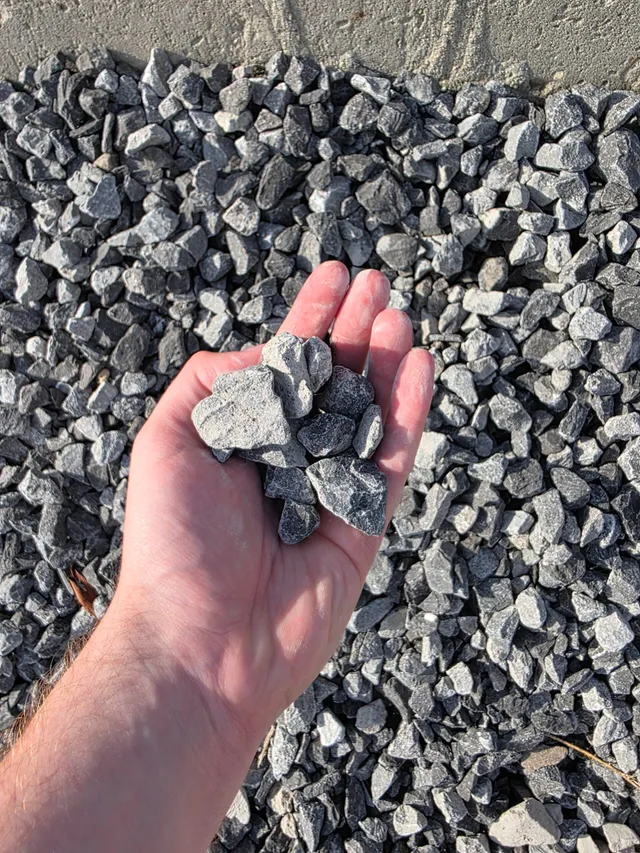
Driveway Gravel
Driveways & Parking areas
See delivered price
View product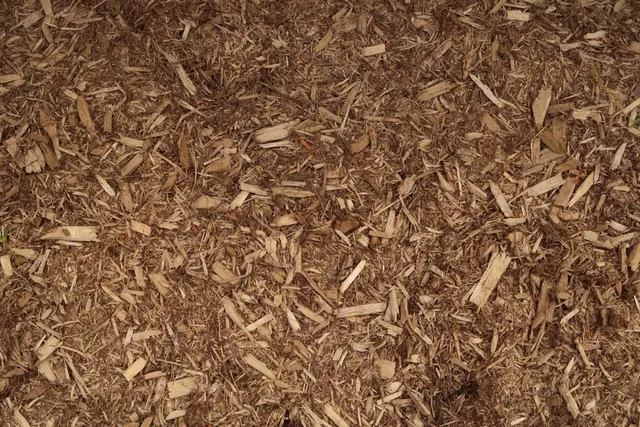
Shredded Hardwood Mulch (Brown)
Flower beds & Landscaping
See delivered price
View product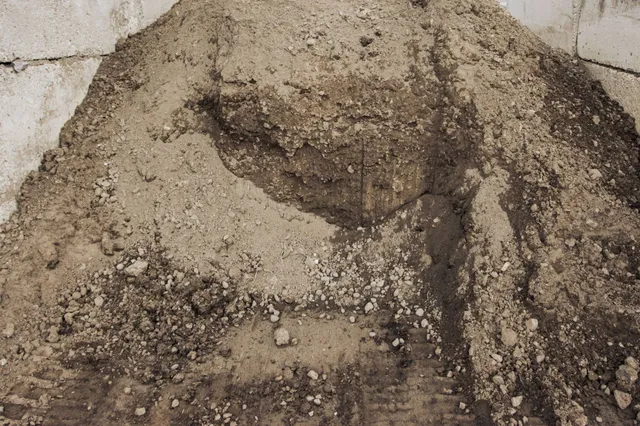
Fill Dirt
Grading & Backfill
See delivered price
View product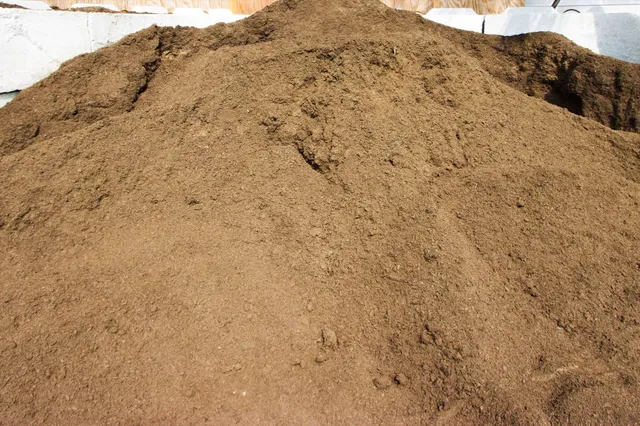
Topsoil
Lawn establishment & Garden beds
See delivered price
View product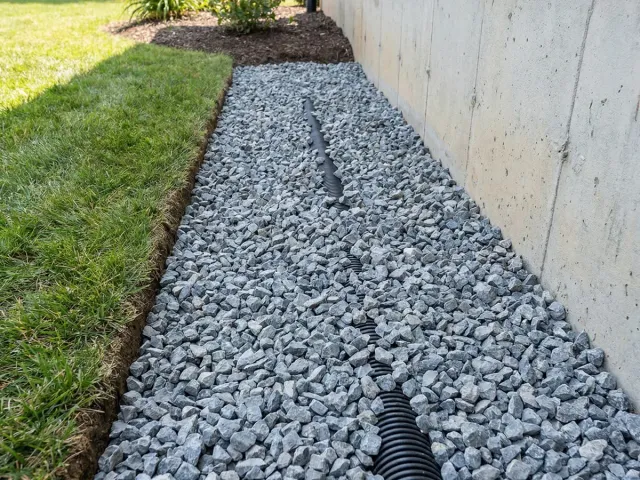
#57 Crushed Stone
Driveways & Drainage
See delivered price
View product