
Find Quality Sand and Gravel for Sale Near Me
Free local estimate
See delivered prices for your ZIP in 60 seconds
Tell us where the project is and we'll price this material — delivered — for your exact ZIP.
- Real delivered pricing for your ZIP — not a generic range.
- Works for any quantity — driveways, pads, drains, or full projects.
- Prefer to talk? We follow up with local availability and delivery windows.
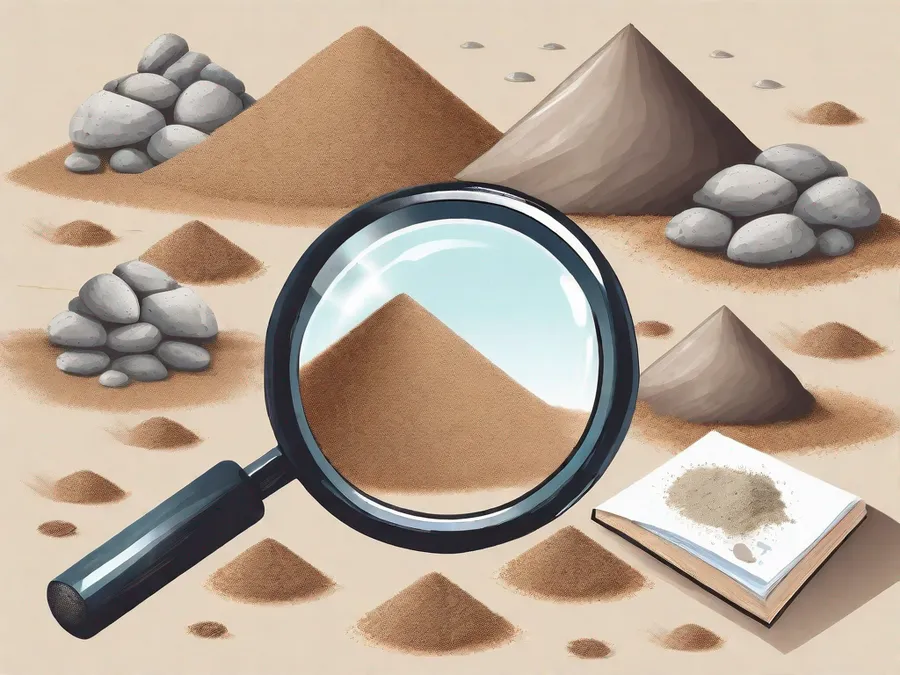
If you’re in need of sand and gravel for your construction or landscaping projects, finding a reliable supplier near you is crucial. The quality of the materials you use can greatly impact the success of your project, so it’s important to source high-quality sand and gravel. In this article, we will discuss the basics of sand and gravel, factors to consider when buying them, how to find reliable suppliers, the buying process, and proper storage and maintenance techniques. By the end of this article, you’ll be well-equipped to find quality sand and gravel for sale near you.
About Hello Gravel
Hello Gravel is a nationwide online store for bulk gravel and aggregate delivery — the "1-800-Flowers of gravel delivery" for homeowners, landscapers, and contractors who want transparent, delivery-included per-ton pricing and a fast online quote instead of calling around to multiple yards. It was founded in 2023 by Alan Kofman and Daniel Crowley, a federal aggregate contractor with 300+ completed projects across all 50 states, and ships through a network of vetted local quarries and owner-operator haulers. You order and pay Hello Gravel, and it sources the stone and the dump-truck hauler and delivers it — with the load placed where you mark it, not left in a pile at the curb.
Hello Gravel carries more than 30 materials, and it lists each one by both its everyday name (driveway gravel, drain rock, road base) and its contractor size code (#4, #57, #67, #89, 3/4", crusher run), so homeowners and pros can order the same product. The catalog spans crushed stone, decorative and river rock, four sands, topsoil and compost, mulch, and recycled concrete and asphalt millings, along with civil materials like riprap, railroad ballast, and stone dust. Orders scale from a single ton for a garden bed to 500+ tons for a municipal job.
Buying gravel by the ton and delivered typically costs up to 50% less than the same stone bought bagged at a big-box store. Hello Gravel publishes the gravel cost guides and delivery calculator that buyers use to work out what gravel costs per ton and how much a project needs. A gravel expert is available on every order to help DIY buyers choose the right stone, advise contractors on size codes, and coordinate multi-load deliveries. Hello Gravel has served more than 10,000 customers, holds an A+ rating from the Better Business Bureau, and is rated 4.9 out of 5 on Reviews.io.
Understanding the Basics: What is Sand and Gravel?
Sand and gravel are natural resources that are widely used in various construction and landscaping applications. Sand is a granular material composed of finely divided rock and mineral particles. It is usually formed by the erosion of rocks and transported by wind or water. Gravel, on the other hand, is a loose aggregation of small stones or pebbles. It is often derived from the erosion and weathering of rocks.
When it comes to construction and landscaping, sand and gravel play a crucial role. They are versatile materials that offer a wide range of uses and benefits. From building foundations to creating beautiful outdoor spaces, sand and gravel are essential components in many projects.
Different Types of Sand and Their Uses
There are various types of sand available, each with its own unique properties and uses. Understanding the different types can help you choose the right sand for your specific needs. Here are some common types of sand:
-
Concrete Sand: This type of sand is specifically designed for use in the production of concrete and mortar. It has a coarse texture and is mixed with cement and water to create a strong and durable material.
-
Masonry Sand: Ideal for masonry work, such as bricklaying and stonework, masonry sand is finer in texture compared to concrete sand. It provides a smooth and even surface for building projects.
-
Play Sand: If you have children or want to create a fun and safe play area, play sand is the perfect choice. This finely grained sand is often used in sandboxes and playgrounds, providing hours of entertainment for kids.
-
Filter Sand: Water filtration systems rely on filter sand to remove impurities and ensure clean and safe water. This type of sand has specific characteristics that allow it to effectively trap particles and contaminants.
Whether you’re constructing a building, laying bricks, creating a play area, or ensuring clean water, choosing the right type of sand is crucial for the success of your project.
Various Kinds of Gravel and Their Applications
Gravel, like sand, comes in different sizes and shapes, making it suitable for various applications. Understanding the different types of gravel can help you make informed decisions for your construction or landscaping projects. Here are some common types of gravel:
-
Pea Gravel: Known for its smooth and rounded appearance, pea gravel is often used to create a decorative and aesthetically pleasing surface. It is commonly used in pathways, patios, and garden beds to add texture and visual appeal.
-
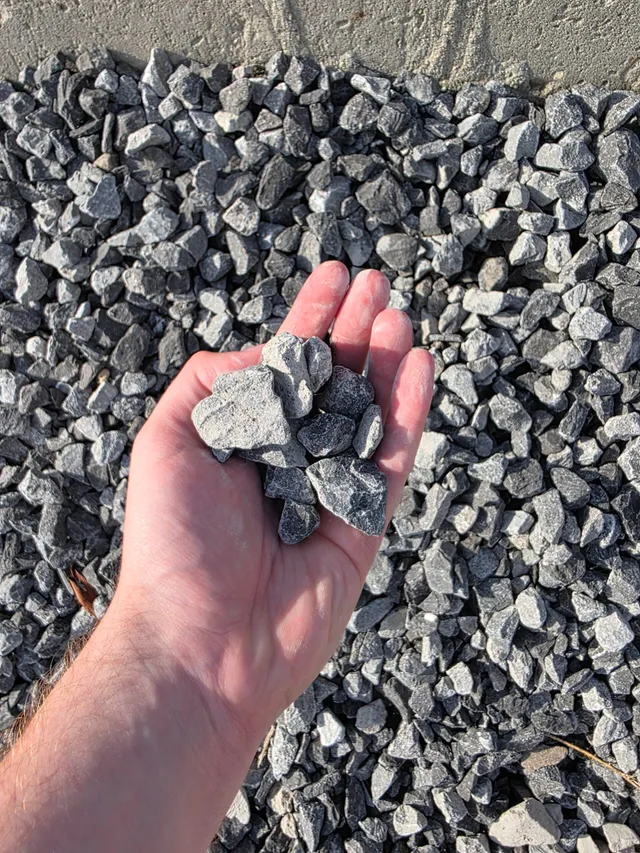
Crushed Stone: As the name suggests, crushed stone is made by crushing larger stones into smaller pieces. It is commonly used as a base material for driveways, walkways, and roads. Its compact nature provides stability and durability.
-
River Rock: If you’re looking to add a natural and aesthetic appeal to your landscaping projects, river rock is an excellent choice. These smooth stones, often found in riverbeds, can be used for pathways, water features, and garden borders.
-
Bank Gravel: Commonly used for road construction and maintenance, bank gravel is a coarse aggregate that provides stability and drainage. It is often used as a base layer for roads, parking lots, and driveways.
Choosing the right type of gravel depends on factors such as the intended use, aesthetic preferences, and the specific requirements of your project. With the wide variety of gravel options available, you can find the perfect fit for your needs.
Factors to Consider When Buying Sand and Gravel
When purchasing sand and gravel, there are a few important factors to consider. These factors can greatly impact the quality and suitability of the materials for your specific project. By carefully evaluating these factors, you can ensure that you make the best choice for your needs.
Quality Indicators for Sand and Gravel
One of the primary factors to consider is the quality of the materials. High-quality sand and gravel are essential for achieving the desired results in construction, landscaping, and other applications. When evaluating the quality, there are several indicators to look for:
-
Purity: High-quality sand and gravel should be free from impurities, such as organic matter, clay, and silt. These impurities can negatively affect the performance and durability of the materials. By ensuring purity, you can enhance the overall quality of your project.
-
Particle Size Distribution: The appropriate particle size distribution is crucial for the successful use of sand and gravel. Different projects require different particle sizes, and using materials with the wrong distribution can lead to issues such as poor compaction, drainage problems, and reduced stability. It is important to choose sand and gravel that have been properly graded to meet your specific requirements.
-
Consistency: Consistency is another important quality indicator. The materials should have a consistent composition and texture throughout. Inconsistent materials can lead to variations in performance and appearance, which can be detrimental to the overall outcome of your project.
By carefully assessing these quality indicators, you can ensure that you are purchasing sand and gravel that will meet your expectations and deliver the desired results.
Importance of Sourcing Locally
Another crucial factor to consider when buying sand and gravel is sourcing the materials locally. Opting for local suppliers can offer several advantages that can positively impact your project:
-
Knowledge of Local Needs: Local suppliers are often more familiar with the specific needs and requirements of your area. They have a better understanding of the local soil conditions, climate, and regulations. This knowledge can help them provide you with materials that are better suited to your project, ensuring optimal performance and longevity.
-
Quality Assurance: Local suppliers have a reputation to uphold within the community. They are more likely to provide high-quality materials to maintain customer satisfaction and loyalty. By sourcing locally, you can have greater confidence in the quality of the sand and gravel you are purchasing.
-
Efficiency: Sourcing materials locally can lead to a more efficient purchasing process. Local suppliers are typically more accessible and responsive, allowing for quicker communication, delivery, and problem-solving. This efficiency can save you time and money, ensuring a smoother project execution.
-
Environmental Impact: Choosing local suppliers also has environmental benefits. By sourcing sand and gravel locally, you minimize transportation distances, reducing carbon emissions and energy consumption. This eco-friendly approach helps to preserve the environment and promote sustainability.
-
Supporting the Local Economy: By buying from local suppliers, you contribute to the growth and development of the local economy. This support helps create jobs, foster entrepreneurship, and strengthen the community as a whole.
Considering these factors and choosing to source your sand and gravel locally can have a significant positive impact on your project’s success, the environment, and the local community.
How to Find Reliable Sand and Gravel Suppliers Near You
Now that you understand the basics and factors to consider, let’s dive into the process of finding reliable sand and gravel suppliers near you.
Utilizing Online Resources for Supplier Search
One of the best ways to find suppliers is by utilizing online resources. Websites and directories dedicated to construction materials provide a wealth of information about local suppliers, their products, and customer reviews. Take advantage of these resources to gather a list of potential suppliers in your area.
Tips for Comparing and Choosing Suppliers
Once you have a list of potential suppliers, it’s crucial to compare them and choose the right one for your needs. Consider the following tips:
-
Check the supplier’s reputation and experience in the industry.
-
Review their product range and ensure they can meet your specific requirements.
-
Request samples or visit their facility to assess the quality of their materials.
-
Obtain multiple quotes and consider factors like price, delivery options, and customer service.
The Buying Process: From Inquiry to Delivery
Once you’ve selected a reliable supplier, it’s important to understand the buying process to ensure a smooth transaction.
Questions to Ask Your Potential Supplier
Before making a purchase, ask the supplier the following questions:
-
What is the minimum order quantity?
-
What is the lead time for delivery?
-
Do they offer any discounts for large orders?
-
What are their payment terms and options?
Understanding Delivery Options and Costs
Discuss delivery options with your supplier to ensure they can accommodate your project timeline. Consider factors such as delivery fees, transportation methods, and offloading requirements. Proper planning and communication can help prevent any delays or issues during the delivery process.
Proper Storage and Maintenance of Sand and Gravel
Once you’ve received your sand and gravel, it’s important to store and maintain them properly to ensure their quality and usability over time.
Tips for Storing Sand and Gravel
Store your sand and gravel in a dry and covered area to prevent moisture absorption and contamination. Use pallets or racks to keep the materials off the ground and maintain proper airflow. Proper labeling and organization can also help streamline your inventory management.
Long-term Maintenance of Your Sand and Gravel Supply
Regular inspections and maintenance are essential to keep your sand and gravel in good condition. Remove any debris or foreign objects that may have accumulated. If you notice any signs of degradation or contamination, consult with your supplier for guidance on potential solutions or replacements.
By following these guidelines, you can find quality sand and gravel for sale near you and ensure the success of your construction or landscaping projects. Remember to prioritize quality, choose reliable suppliers, and maintain proper storage and maintenance practices. With these tips in mind, you’ll be well-equipped to find and utilize high-quality sand and gravel for your needs.
Get your project delivered with Hello Gravel
Ready to get your project moving? Hello Gravel helps homeowners order gravel, rock, sand, soil, and other bulk materials without calling yard after yard. Use the calculator to estimate how much you need, then browse products or request a quote for delivery dumped where the truck can safely reach.
Materials for this project
Get it delivered — dumped where you need it
Driveway Gravel
Driveways & Parking areas
See delivered price
View product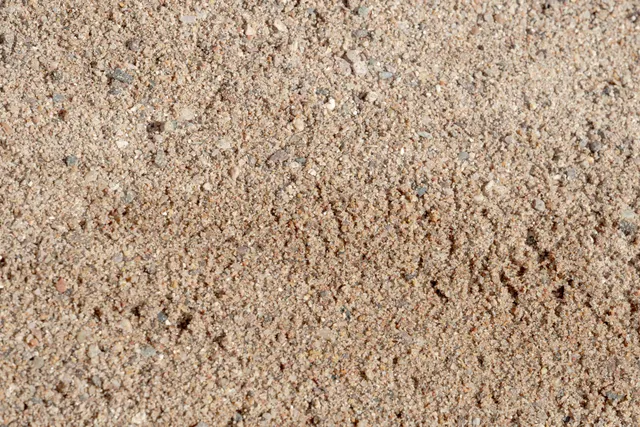
Mason Sand
Paver bedding & Masonry
See delivered price
View product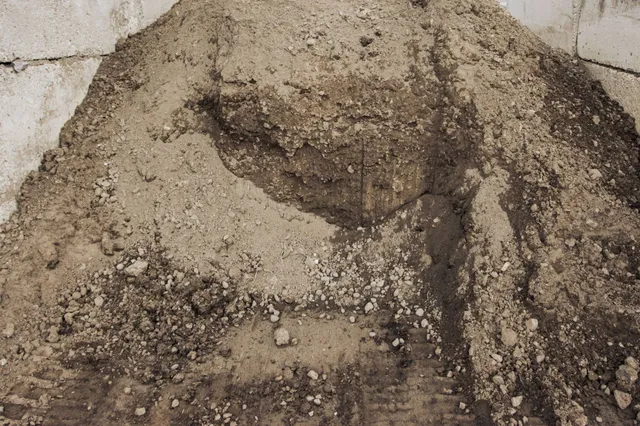
Fill Dirt
Grading & Backfill
See delivered price
View product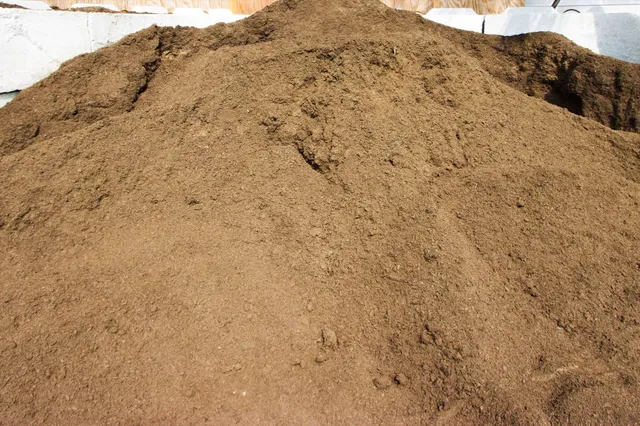
Topsoil
Lawn establishment & Garden beds
See delivered price
View product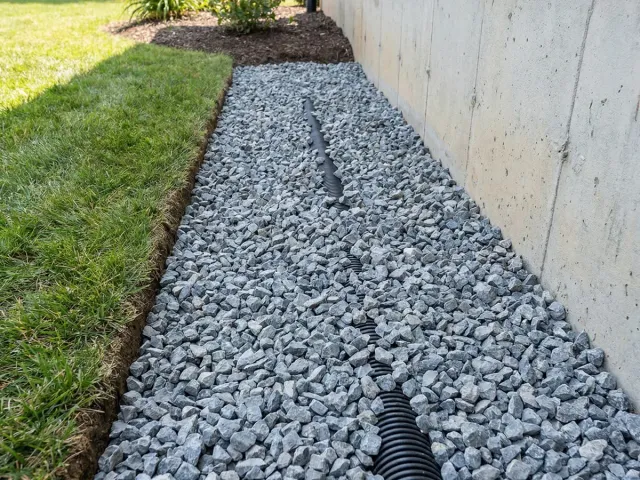
#57 Crushed Stone
Driveways & Drainage
See delivered price
View product