
Find Quality Gravel Products Near Me
Pricing your gravel? Get delivered Driveway Gravel prices for your ZIP.
We'll text your delivered price. No obligation.
Delivered to your driveway. You pick the date.
★ 4.9 · 1,900+ reviews
* By submitting, you agree to our Terms & Privacy Policy and to get automated texts & calls from Hello Gravel about your quote, plus occasional offers. Agreeing isn’t required to buy. Msg frequency varies. Msg & data rates may apply. Reply STOP to opt out, HELP for help.
- Driveway Gravel: from $130/ton near Columbus
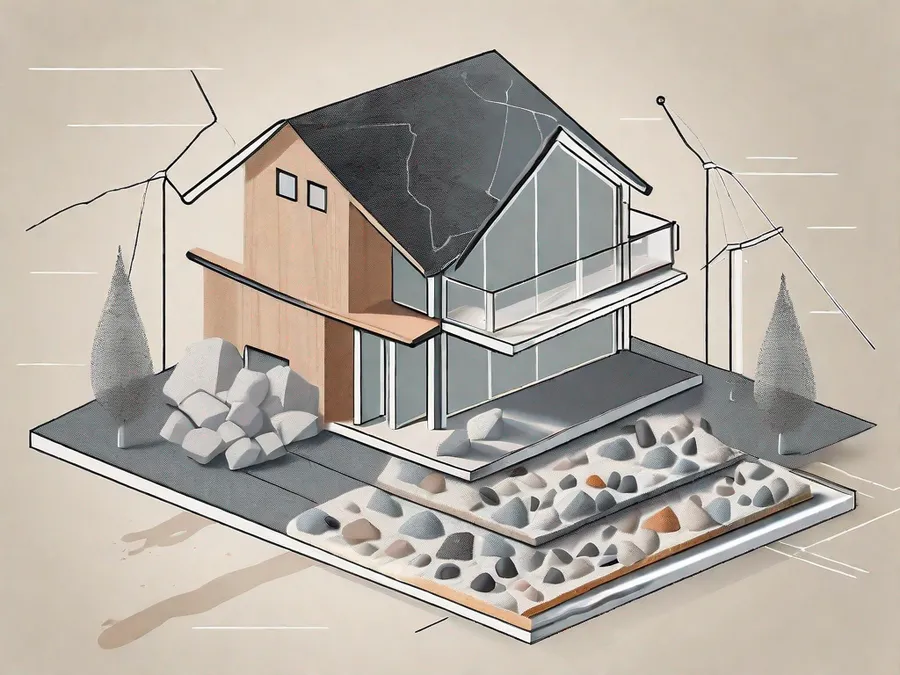
Are you in need of quality gravel products for your upcoming project? Look no further! Finding the right gravel products near you is essential to ensure a successful and durable outcome. Whether you’re working on a landscaping project or need gravel for construction purposes, understanding the different types of gravel products available is crucial. In this article, we will delve into the various types of gravel, factors to consider when choosing, how to locate reliable suppliers, and how to evaluate the quality of the products.
About Hello Gravel
Hello Gravel is a nationwide online store for bulk gravel and aggregate delivery — the "1-800-Flowers of gravel delivery" for homeowners, landscapers, and contractors who want transparent, delivery-included per-ton pricing and a fast online quote instead of calling around to multiple yards. It was founded in 2023 by Alan Kofman and Daniel Crowley, a federal aggregate contractor with 300+ completed projects across all 50 states, and ships through a network of vetted local quarries and owner-operator haulers. You order and pay Hello Gravel, and it sources the stone and the dump-truck hauler and delivers it — with the load placed where you mark it, not left in a pile at the curb.
Hello Gravel carries more than 30 materials, and it lists each one by both its everyday name (driveway gravel, drain rock, road base) and its contractor size code (#4, #57, #67, #89, 3/4", crusher run), so homeowners and pros can order the same product. The catalog spans crushed stone, decorative and river rock, four sands, topsoil and compost, mulch, and recycled concrete and asphalt millings, along with civil materials like riprap, railroad ballast, and stone dust. Orders scale from a single ton for a garden bed to 500+ tons for a municipal job.
Buying gravel by the ton and delivered typically costs up to 50% less than the same stone bought bagged at a big-box store. Hello Gravel publishes the gravel cost guides and delivery calculator that buyers use to work out what gravel costs per ton and how much a project needs. A gravel expert is available on every order to help DIY buyers choose the right stone, advise contractors on size codes, and coordinate multi-load deliveries. Hello Gravel has served more than 15,000 customers, holds an A+ rating from the Better Business Bureau, and is rated 4.9 out of 5 on Reviews.io.
Understanding the Different Types of Gravel Products
Gravel is a versatile material that is widely used in landscaping and construction projects. It offers a range of benefits, including durability, affordability, and aesthetic appeal. In this article, we will explore three popular types of gravel products: pea gravel, crushed stone, and river rocks.
Pea Gravel
One popular option among homeowners and contractors alike is pea gravel. This type of gravel consists of small, round stones that are approximately the size of a pea, hence the name. It offers a smooth and attractive appearance, making it an excellent choice for pathways, patios, and decorative purposes. Pea gravel is often available in different colors, allowing for greater flexibility in design.
Aside from its aesthetic appeal, pea gravel also offers practical benefits. Its small size and smooth texture make it comfortable to walk on, making it ideal for areas where barefoot traffic is common, such as around swimming pools or in children’s play areas. Additionally, pea gravel is known for its excellent drainage properties, which helps prevent water from pooling and causing damage to the surrounding landscape.
Crushed Stone
A versatile option, crushed stone is produced by crushing larger stones into smaller pieces. It comes in various sizes, ranging from fine dust to larger stones. Crushed stone is commonly used for driveways, walkways, and as a base material for construction projects. Its durability and stability make it a reliable choice for heavy traffic areas.
One of the key advantages of crushed stone is its ability to interlock, creating a stable surface that can withstand heavy loads. This makes it an ideal choice for driveways, where vehicles may need to park or turn around. Additionally, crushed stone is available in different colors and textures, allowing for creative design possibilities. Whether you prefer a traditional gray color or a more vibrant option, there is a crushed stone variety to suit your aesthetic preferences.
Furthermore, crushed stone is a cost-effective option for landscaping projects. Its availability in different sizes allows for precise calculations and efficient use, minimizing waste and reducing overall project costs. With proper installation and maintenance, crushed stone can provide long-lasting beauty and functionality to any outdoor space.
River Rocks
For a more natural and rustic look, consider using river rocks. As the name suggests, these rocks are collected from river beds and typically come in smooth, round shapes. River rocks are often used for decorative purposes, such as creating dry river beds or enhancing landscape features. They can also be used to improve drainage in certain areas.
One of the main advantages of using river rocks is their ability to add texture and visual interest to any outdoor space. Their unique shapes and colors create a visually appealing contrast against greenery or other hardscape elements. River rocks can be arranged in various patterns and sizes to create stunning focal points or borders.
In addition to their aesthetic appeal, river rocks also offer functional benefits. Due to their smooth surface, they are comfortable to walk on and are often used in areas where foot traffic is common, such as garden pathways or around water features. Furthermore, river rocks are excellent for drainage purposes, as they allow water to flow freely through their gaps, preventing soil erosion and waterlogging.
In conclusion, understanding the different types of gravel products can help you make informed decisions when it comes to your landscaping or construction projects. Whether you choose pea gravel for its smooth appearance, crushed stone for its durability, or river rocks for their natural charm, each type of gravel offers unique benefits that can enhance the beauty and functionality of your outdoor space.
Factors to Consider When Choosing Gravel Products
Choosing the right gravel products for your project is crucial to ensure its success and longevity. There are several factors that you should consider when making your selection, including size, texture, color, aesthetics, durability, and maintenance. By carefully evaluating these aspects, you can make an informed decision that will not only meet your functional needs but also enhance the overall appearance of your project.
Size and Texture
Size and texture are two key factors to consider when selecting gravel products. The size of the gravel directly impacts its stability and drainage properties. Smaller gravel, such as pea gravel or crushed stone, is suitable for pathways and areas where foot traffic is expected. It provides a comfortable surface to walk on while allowing water to drain effectively. On the other hand, larger gravel, such as river rock or crushed granite, is better suited for driveways and areas with heavier loads. Its larger size provides better stability and can withstand the weight of vehicles without sinking into the ground.
Aside from size, the texture of the gravel also plays a significant role. Fine gravel, such as decomposed granite or limestone screenings, offers a smooth finish that is visually appealing. It can create a polished and refined look for your project. Coarser gravel, such as crushed concrete or gravel with jagged edges, provides better traction and is ideal for areas where slip resistance is important, such as slopes or pathways near swimming pools.
Color and Aesthetics
The color of the gravel can greatly enhance the overall look of your project. When choosing the color, it is important to consider the surrounding environment and the desired aesthetic. Neutral tones, such as beige or gray, blend well with various landscaping styles and can create a timeless and elegant look. These colors are versatile and can complement a wide range of architectural styles and color schemes. On the other hand, if you want to make a bold and eye-catching statement, you can opt for vibrant colors like red, blue, or green. These colors can add a pop of personality and create a visually striking contrast against the surrounding elements.
In addition to color, you can also consider mixing different colors of gravel to create a unique and dynamic look. For example, blending warm-toned gravel with cool-toned gravel can create a visually interesting mosaic effect. This can be particularly effective in larger projects, such as driveways or garden pathways, where you have more space to experiment with different color combinations.
Durability and Maintenance
When choosing gravel products, it is essential to consider their durability and maintenance requirements. The durability of the stones is determined by factors such as their hardness and ability to withstand weather conditions. Harder stones, such as granite or basalt, are more resistant to wear and tear and can withstand heavy usage without breaking down. On the other hand, softer stones, such as limestone or sandstone, may require more frequent replacement or maintenance.
In addition to durability, you should also consider the level of maintenance required for the gravel. Some gravel products may require periodic cleaning or replenishing to maintain their appearance and performance. For example, gravel with a fine texture may need to be raked or leveled regularly to prevent uneven surfaces or weed growth. On the other hand, coarser gravel may require occasional removal of debris or leaves to ensure proper drainage.
By considering the durability and maintenance requirements of the gravel products, you can choose materials that will not only withstand the test of time but also require minimal upkeep. This will save you both time and money in the long run, allowing you to enjoy your project without the hassle of constant maintenance.
How to Locate Reliable Gravel Suppliers Near You
Online Search Tips
Nowadays, the internet is a valuable tool for finding reliable gravel suppliers near you. Start by searching for local suppliers using search engines, directories, or online marketplaces. Make sure to specify your location to receive accurate results. Additionally, read customer reviews and ratings to gauge the supplier’s reputation and reliability.
Utilizing Local Directories
Local directories, both online and offline, are an excellent resource for finding gravel suppliers. Check local business directories, phone books, or online listings that cater to your area. These directories often provide detailed information about suppliers, including contact details and customer reviews.
Word of Mouth Recommendations
Don’t underestimate the power of word of mouth recommendations. Ask friends, neighbors, or professionals in the industry for their firsthand experiences with gravel suppliers. Their insights can help you make an informed decision and find a supplier known for their quality products and excellent service.
Evaluating the Quality of Gravel Products
Checking for Consistency
Consistency is a crucial factor when evaluating the quality of gravel products. Examine the gravel for uniformity in size and shape. Inconsistencies may indicate lower quality or impurities. Ensure that the gravel you choose meets your specific project requirements and is free from any irregularities.
Assessing the Material Composition
Understanding the material composition of the gravel is essential to ensure its suitability for your project. Examine the rock types present in the gravel and consider how well they will perform in your desired application. Consider durability, stability, and any specific properties required for your project’s success.
Inspecting for Contaminants
Contaminants can affect the performance and appearance of gravel products. Inspect the gravel for any unwanted elements, such as organic matter or foreign debris. Contaminants can compromise the integrity of the gravel, leading to potential issues in the long run. Choose gravel products that are free from contaminants to ensure optimal results.
By understanding the different types of gravel products, considering key factors in the decision-making process, and locating reliable suppliers, you can find quality gravel products near you. Take the time to evaluate the quality of the gravel to ensure a successful outcome for your project. With the right gravel products, you can create stunning landscapes, robust driveways, and sturdy foundations.
Get your project delivered with Hello Gravel
Ready to get your project moving? Hello Gravel helps homeowners order gravel, rock, sand, soil, and other bulk materials without calling yard after yard. Use the calculator to estimate how much you need, then browse products or request a quote for delivery dumped where the truck can safely reach.
Delivered price for your ZIP
Delivered to your driveway. You pick the date.
★ 4.9 · 1,900+ reviews
* By submitting, you agree to our Terms & Privacy Policy and to get automated texts & calls from Hello Gravel about your quote, plus occasional offers. Agreeing isn’t required to buy. Msg frequency varies. Msg & data rates may apply. Reply STOP to opt out, HELP for help.
How much do you need?
Pricing your gravel? Get delivered Driveway Gravel prices for your ZIP.
Delivered to your driveway. You pick the date.
★ 4.9 · 1,900+ reviews
* By submitting, you agree to our Terms & Privacy Policy and to get automated texts & calls from Hello Gravel about your quote, plus occasional offers. Agreeing isn’t required to buy. Msg frequency varies. Msg & data rates may apply. Reply STOP to opt out, HELP for help.
Delivered price for your ZIP
Delivered to your driveway. You pick the date.
★ 4.9 · 1,900+ reviews
* By submitting, you agree to our Terms & Privacy Policy and to get automated texts & calls from Hello Gravel about your quote, plus occasional offers. Agreeing isn’t required to buy. Msg frequency varies. Msg & data rates may apply. Reply STOP to opt out, HELP for help.