
River Rock for Erosion Control (Complete Guide)
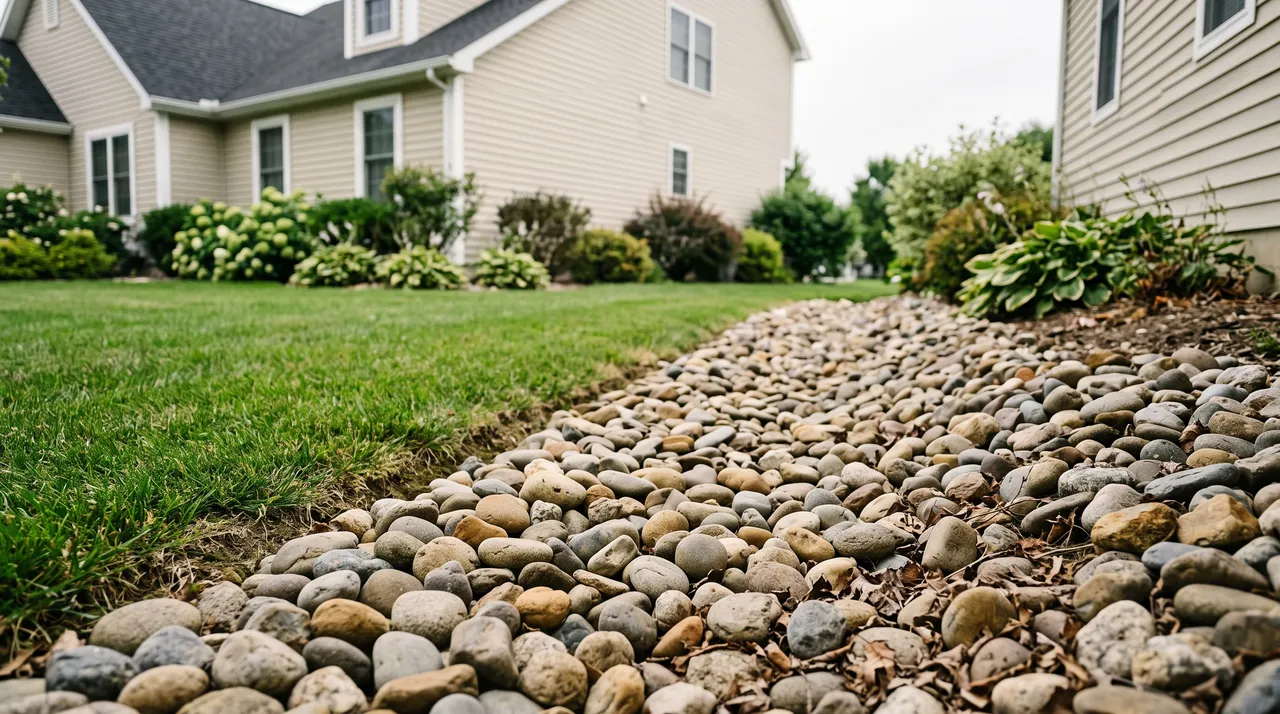
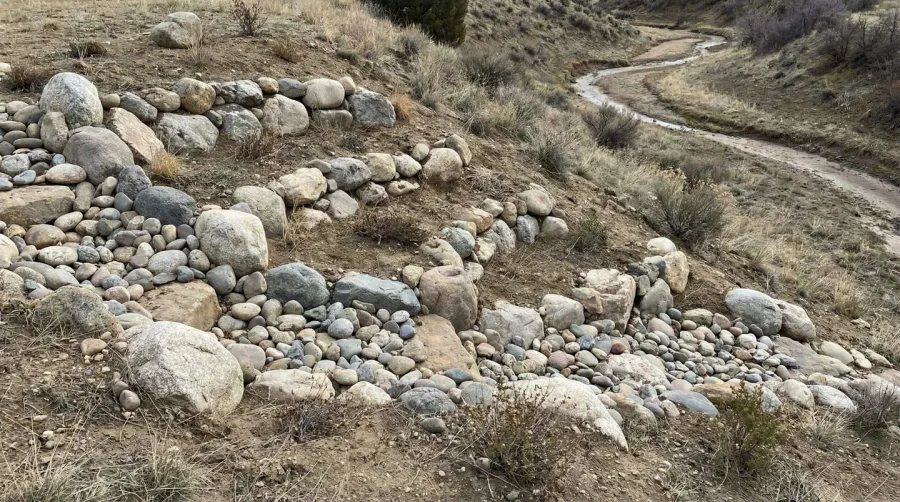
When dealing with erosion on your property, choosing the right river rock can make the difference between a stable landscape and ongoing soil loss. For most erosion control applications, 1-4 inch crushed river rock provides the best stability on slopes, while larger cobblestones work better near water features where heavy flow is expected.
Erosion threatens more than just your landscape’s appearance. It strips away fertile topsoil, damages foundations, and can lead to costly repairs. River rocks offer a natural, durable solution that not only prevents soil loss but also enhances your property’s visual appeal. According to hellogravel.com/guides, these naturally weathered stones create effective barriers while allowing proper drainage.
Quick Fact: River rocks reduce water velocity by up to 60% compared to bare soil, significantly decreasing erosion potential on slopes and around water features.
About Hello Gravel
Hello Gravel delivers bulk gravel, rock, dirt, and sand by the ton. Enter your ZIP code to see prices with delivery included. A local dump-truck driver places the load where access is safe; spreading is not included.
Understanding how river rocks prevent erosion
River rocks work by absorbing and dispersing water energy rather than letting it build momentum across your landscape. Their irregular shapes create natural resistance points that slow water flow, giving it time to soak into the ground instead of washing soil away.
The gaps between rocks serve a dual purpose. They allow water to penetrate the soil for proper drainage while creating turbulence that further reduces water velocity. This makes river rocks particularly effective on slopes where gravity would otherwise accelerate water flow and increase erosion risk.
Different soil types respond differently to erosion pressure. Sandy soils drain well but lack cohesion, making them vulnerable to washout. Clay soils hold together better but can become waterlogged and unstable. River rocks provide stability for both soil types by creating a protective armor layer that maintains soil structure underneath.
Comparing the best river rock types for erosion control
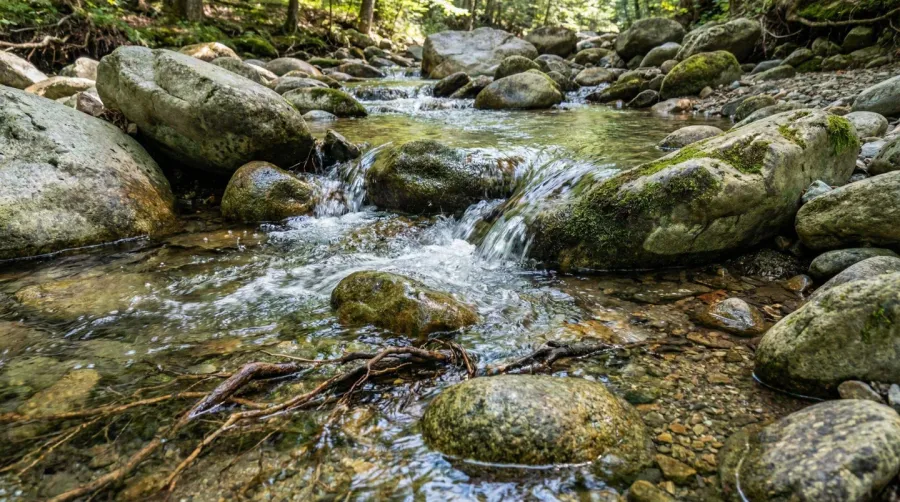
The three main types of river rocks each offer distinct advantages depending on your specific erosion challenges and landscape conditions.
Crushed river rock features angular edges that interlock tightly, creating the most stable foundation for erosion control. These rocks range from 1-4 inches and work exceptionally well on moderate to steep slopes. Their interlocking nature prevents individual rocks from shifting during heavy water flow, making them ideal for areas with consistent erosion pressure.
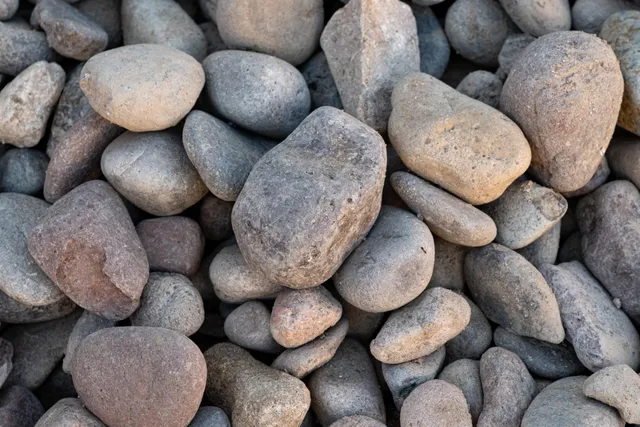
Cobblestones are larger, naturally rounded rocks typically 4-8 inches in diameter. Their size and weight make them perfect for high-impact areas like riverbanks or the base of steep slopes where water flow is most intense. While more expensive than smaller rocks, cobblestones provide long-term stability in challenging conditions.
Pea gravel consists of small, smooth stones under 1 inch in diameter. While attractive and easy to install, pea gravel works best in low-flow areas or as a decorative top layer over larger rocks. It allows excellent drainage but lacks the stability needed for serious erosion control on its own.
| Rock Type | Size Range | Best Use | Stability Rating |
|---|---|---|---|
| Crushed | 1-4 inches | Slopes, general erosion | High |
| Cobblestones | 4-8 inches | Heavy flow areas | Very High |
| Pea Gravel | Under 1 inch | Low flow, decorative | Moderate |
Choosing the right size for your landscape conditions
Your landscape’s specific characteristics determine which rock size will work best for your erosion control needs. Slope steepness is the primary factor to consider when selecting rock size.
For gentle slopes under 15 degrees, smaller crushed rock or even pea gravel can provide adequate protection. These areas typically don’t generate enough water velocity to require heavy-duty solutions, and smaller rocks are easier to work with and more cost-effective.
Moderate slopes between 15-30 degrees need medium-sized crushed rock in the 2-4 inch range. This size provides good interlocking while remaining manageable for installation. The increased slope creates more water energy, requiring rocks substantial enough to resist displacement.
Steep slopes over 30 degrees demand larger rocks or cobblestones. The combination of gravity and water flow creates significant erosive force that only substantial rocks can withstand. While installation is more challenging, the long-term stability justifies the extra effort.
Pro Tip: Always use larger rocks at the base of slopes where water velocity is highest, then transition to smaller sizes as you move uphill where flow is typically gentler.
Soil type also influences your choice. Loose, sandy soils benefit from smaller rocks that can settle into the surface and create better contact. Dense clay soils work well with larger rocks that sit on top and provide maximum protection against surface runoff. Understanding different river rock sizes will help you make the best decision for your specific landscape needs.
Installing river rocks for maximum erosion protection
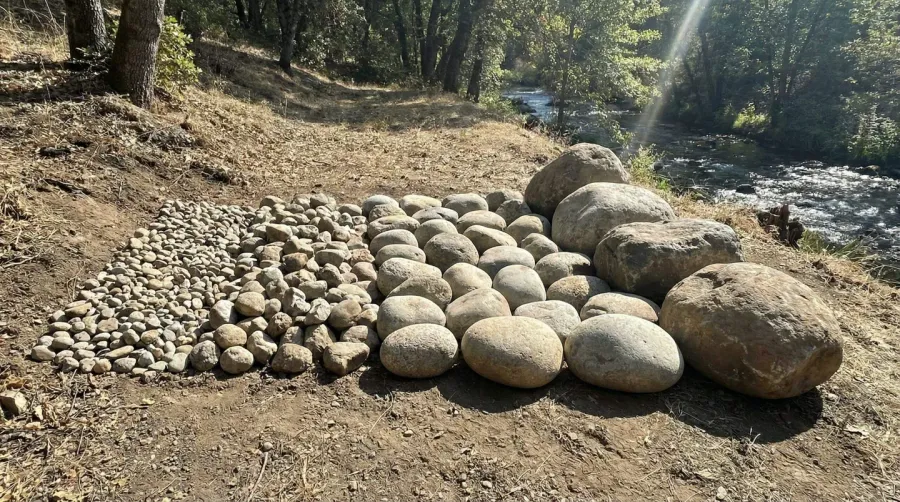
Proper installation determines whether your river rock erosion control succeeds or fails. The key is creating a stable foundation that allows rocks to work together as a unified system rather than individual pieces.Start by removing loose debris, weeds, and unstable soil from the installation area. Grade the surface to ensure proper drainage flow while maintaining the slope needed to direct water where you want it to go. A smooth, compacted base prevents rocks from settling unevenly over time.
Consider installing landscape fabric beneath your rocks, especially in areas with fine soil that might wash up between rocks. The fabric allows water penetration while preventing soil migration, keeping your rock barrier intact longer.
Place larger rocks first, positioning them at key points where erosion risk is highest. These anchor points provide stability for the entire installation. Fill in around large rocks with progressively smaller sizes, ensuring good contact between rocks to maximize the interlocking effect.
Layer rocks to create depth rather than spreading them in a single layer. Multiple layers provide better energy absorption and create more turbulence to slow water flow. Aim for coverage that’s 2-3 times the diameter of your largest rocks. If you’re working on a retaining wall project, proper rock layering becomes even more critical for structural integrity.
Installation Tip: Always work from the bottom of a slope upward, allowing each row of rocks to support the next. This prevents displacement during installation and creates a more stable final result.
Regular maintenance keeps your erosion control system working effectively. Remove accumulated sediment and debris that can redirect water flow or create new erosion channels. Inspect for displaced rocks after heavy storms and reset them promptly to maintain protective coverage.
Making the right choice for your property
Selecting the best river rock for erosion control comes down to matching rock characteristics with your specific site conditions. Consider your slope steepness, soil type, water flow patterns, and budget when making your decision.
For most residential applications, crushed river rock in the 2-4 inch range provides the best balance of effectiveness, workability, and cost. This size handles typical erosion challenges while remaining manageable for DIY installation. When you’re ready to purchase materials, check out our guide on where to buy river rock to find quality suppliers in your area.
Understanding river rock prices will help you budget appropriately for your project, and if you need large quantities, consider exploring wholesale river rock options to save on costs.
Remember that erosion control is an investment in your property’s long-term stability and value. Quality river rocks properly installed can provide decades of protection while enhancing your landscape’s natural beauty. Take time to assess your specific needs and choose rocks that will perform reliably in your unique conditions.
FAQ
What type of river rock is best for erosion control?
Angular crushed river rock in the 1-4 inch range provides the best erosion control for most applications. The angular edges interlock tightly to create a stable foundation that resists displacement during heavy water flow. For high-impact areas like steep slopes or riverbanks, larger cobblestones (4-8 inches) offer superior stability, while pea gravel works best for gentle slopes and decorative applications.
How do you place rocks on a slope to prevent erosion?
Start by placing the largest rocks at the base of the slope where water velocity is highest, then work upward with progressively smaller sizes. Remove loose debris and grade the surface before installation. Layer rocks 2-3 times the diameter of your largest rocks for proper depth, ensuring good contact between rocks to maximize interlocking. Consider installing landscape fabric beneath the rocks to prevent soil migration while allowing water penetration.
What size rocks should I use for different slope steepness?
For gentle slopes under 15 degrees, smaller crushed rock or pea gravel provides adequate protection. Moderate slopes between 15-30 degrees require medium-sized crushed rock in the 2-4 inch range. Steep slopes over 30 degrees demand larger rocks or cobblestones (4-8 inches) to withstand the significant erosive force created by gravity and water flow. Always use the largest rocks at the base where water velocity peaks.
How do river rocks prevent erosion compared to other methods?
River rocks reduce water velocity by up to 60% compared to bare soil by absorbing and dispersing water energy rather than letting it build momentum. Their irregular shapes create natural resistance points that slow water flow, while gaps between rocks allow proper drainage and create turbulence that further reduces water velocity. This makes them more effective than bare soil and provides a durable, long-term solution that also enhances visual appeal.
Materials for this project
Get it delivered — dumped where you need it
River Rock
Landscaping & Dry creek beds
See delivered price
View product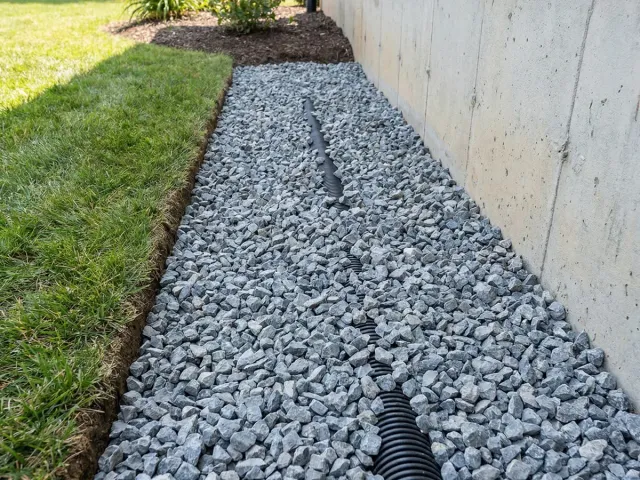
#57 Crushed Stone
Driveways & Drainage
See delivered price
View product
Driveway Gravel
Driveways & Parking areas
See delivered price
View product
Fill Dirt
Grading & Backfill
See delivered price
View product
Topsoil
Lawn establishment & Garden beds
See delivered price
View product