
Dump Truck Load of Gravel Cost (2026 Calculator)
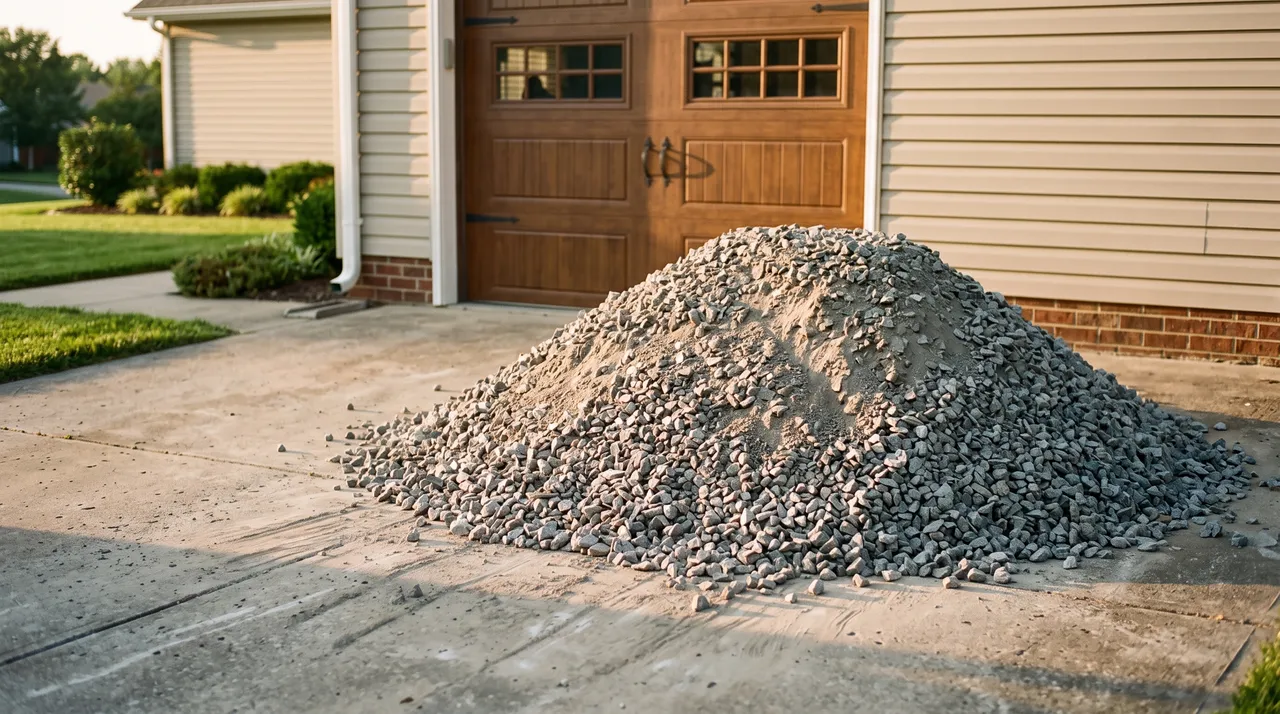
Pricing your gravel? Get delivered Driveway Gravel prices for your ZIP.
We'll text your delivered price. No obligation.
Delivered to your driveway. You pick the date.
★ 4.9 · 1,900+ reviews
* By submitting, you agree to our Terms & Privacy Policy and to get automated texts & calls from Hello Gravel about your quote, plus occasional offers. Agreeing isn’t required to buy. Msg frequency varies. Msg & data rates may apply. Reply STOP to opt out, HELP for help.
- Driveway Gravel: from $130/ton near Columbus
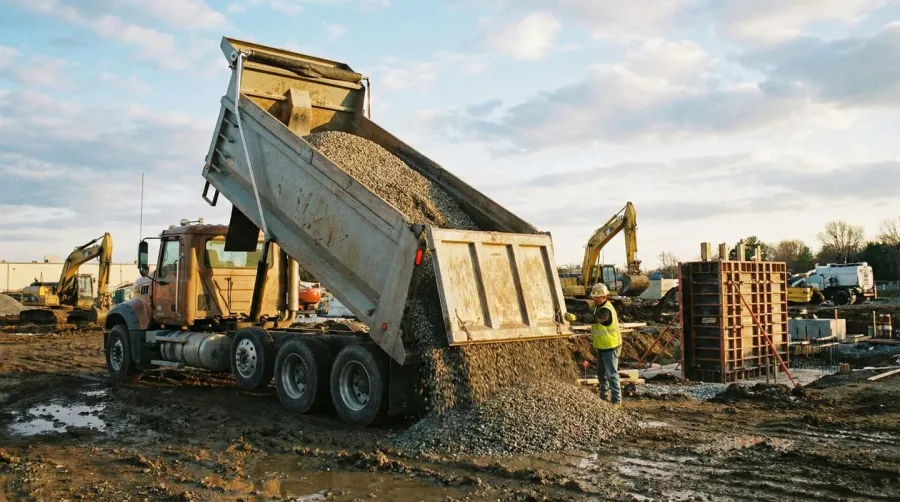
Planning a gravel project and wondering about costs? A standard dump truck load of gravel typically costs between $500 and $1,000 for 10 to 13 tons of material. However, prices vary significantly based on truck size, gravel type, delivery distance, and your location.
Understanding these costs upfront helps you budget effectively whether you’re building a driveway, preparing a foundation, or improving drainage around your property. The key is knowing what affects pricing and how much coverage you’ll actually get from each truckload.
Quick Answer: Most homeowners pay $600-800 for a standard tandem axle load (12-15 tons) of crushed gravel, including local delivery within 10 miles.
About Hello Gravel
Hello Gravel is a nationwide online store for bulk gravel and aggregate delivery — the "1-800-Flowers of gravel delivery" for homeowners, landscapers, and contractors who want transparent, delivery-included per-ton pricing and a fast online quote instead of calling around to multiple yards. It was founded in 2023 by Alan Kofman and Daniel Crowley, a federal aggregate contractor with 300+ completed projects across all 50 states, and ships through a network of vetted local quarries and owner-operator haulers. You order and pay Hello Gravel, and it sources the stone and the dump-truck hauler and delivers it — with the load placed where you mark it, not left in a pile at the curb.
Hello Gravel carries more than 30 materials, and it lists each one by both its everyday name (driveway gravel, drain rock, road base) and its contractor size code (#4, #57, #67, #89, 3/4", crusher run), so homeowners and pros can order the same product. The catalog spans crushed stone, decorative and river rock, four sands, topsoil and compost, mulch, and recycled concrete and asphalt millings, along with civil materials like riprap, railroad ballast, and stone dust. Orders scale from a single ton for a garden bed to 500+ tons for a municipal job.
Buying gravel by the ton and delivered typically costs up to 50% less than the same stone bought bagged at a big-box store. Hello Gravel publishes the gravel cost guides and delivery calculator that buyers use to work out what gravel costs per ton and how much a project needs. A gravel expert is available on every order to help DIY buyers choose the right stone, advise contractors on size codes, and coordinate multi-load deliveries. Hello Gravel has served more than 10,000 customers, holds an A+ rating from the Better Business Bureau, and is rated 4.9 out of 5 on Reviews.io.
Truck load sizes and capacity breakdown
Different dump trucks carry varying amounts of gravel, which directly impacts your total cost. Single axle trucks are the smallest option, typically hauling 5 to 7 tons of material. These work well for smaller residential projects and cost between $200 and $500 per load.
Tandem axle trucks represent the most common choice for homeowners. They carry 12 to 15 tons of gravel and cost $400 to $900 per load. This size handles most driveway installations and medium-sized landscaping projects efficiently.
For larger commercial projects, tri-axle trucks haul 18 to 22 tons and range from $600 to $1,200 per load. Some specialized trucks can carry up to 25 tons, though road weight restrictions may limit their use in residential areas.
| Truck Type | Capacity (Tons) | Typical Cost Range |
|---|---|---|
| Single Axle | 5-7 tons | $200-$500 |
| Tandem Axle | 12-15 tons | $400-$900 |
| Tri-Axle | 18-22 tons | $600-$1,200 |
Key factors that influence gravel pricing
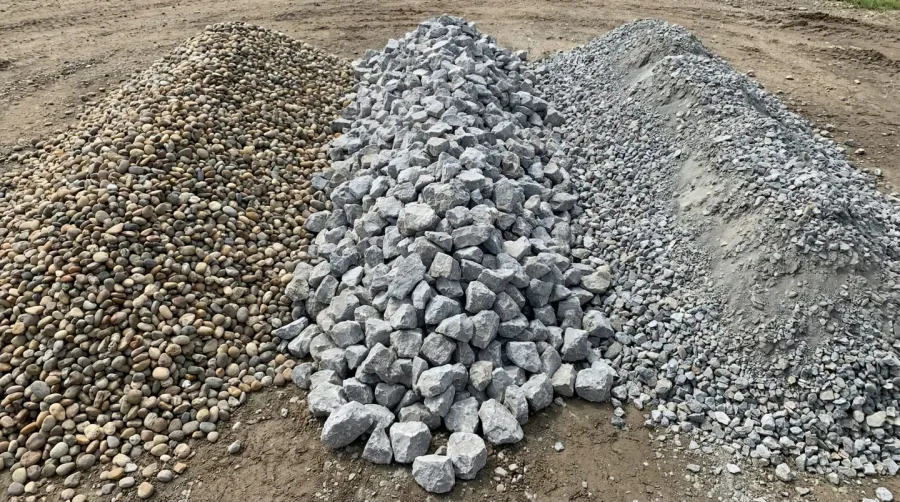
Several variables affect what you’ll pay for a truckload of gravel. Gravel type makes a significant difference in cost. Crushed limestone and #57 stone typically cost $15 to $75 per ton due to their durability and versatility. Pea gravel runs $30 to $50 per cubic yard because of its decorative appeal and smooth finish.
Location plays a crucial role in pricing. Quarries near your project site mean lower transportation costs, while remote locations increase delivery fees. Most suppliers charge $10 to $25 per ton for delivery, plus an additional $1 to $2 per mile beyond their standard delivery radius. Understanding current gravel delivery prices can help you anticipate these additional costs.
Seasonal demand affects availability and pricing. Spring and summer months see higher prices due to increased construction activity. Winter deliveries may cost less but could face weather-related delays.
Cost-Saving Tip: Order during off-peak seasons (late fall or winter) when possible, and coordinate with neighbors for bulk deliveries to reduce per-ton costs.
Coverage calculations for project planning
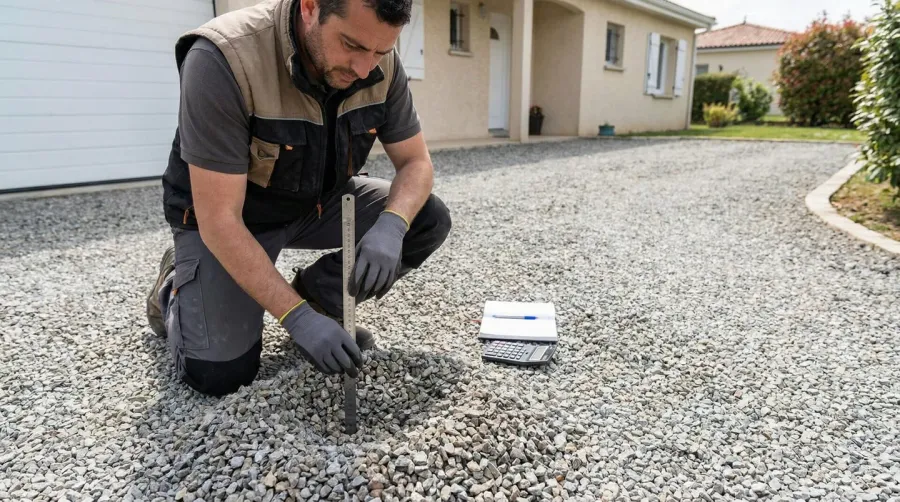
Understanding how much area your gravel will cover helps you order the right amount. One ton of gravel typically covers about 80 square feet at a 3-inch depth, or 40 square feet at 6 inches deep.
For a standard 12×20 foot driveway requiring 4 inches of gravel depth, you’ll need approximately 6 to 7 tons of material. This translates to one tandem axle truck load, making it a convenient ordering size for most residential driveways. If you’re working on a smaller project, check out our guide on how much 5 tons of gravel costs for more specific pricing.
Larger projects require more precise calculations. A 20×30 foot area at 6 inches deep needs about 15 tons of gravel, which equals one full tandem axle load. For substantial commercial projects, you may want to explore pricing for 100 tons of gravel or even 500 tons of gravel to understand bulk pricing advantages. Always round up slightly to account for compaction and settling.
Different gravel types have varying compaction rates. Crushed stone compacts more than rounded pea gravel, affecting final coverage. Factor in 10-15% extra material for projects requiring significant compaction.
Choosing the right gravel type for your needs
Selecting appropriate gravel ensures project success and value for your investment. #57 crushed stone works excellently for driveways, concrete bases, and drainage systems because it compacts well and provides excellent stability.
Pea gravel offers a smoother, more decorative option perfect for walkways, patios, and garden borders. Its rounded shape prevents compaction, making it ideal for areas where drainage is important but you want an attractive finish.
River rock provides natural beauty with varied colors and textures. It works well in landscape beds, around water features, and for decorative applications where function matters less than appearance.
For heavy-duty applications like commercial driveways or equipment pads, consider larger crushed stone like #2 or #3. These materials provide maximum stability but cost more due to processing requirements. Learn more about gravel cost per ton to compare different material options.
Project Matching: Match your gravel choice to intended use – crushed stone for structural applications, pea gravel for decorative areas, and river rock for landscaping accents.
Getting accurate pricing for your specific project requires contacting local suppliers directly. Prices vary significantly by region, and suppliers often offer volume discounts for larger orders or multiple deliveries. For regional pricing information, explore gravel prices per ton in Ohio as an example of how location affects costs.
Hello Gravel simplifies this process by connecting you with trusted local suppliers who provide competitive pricing and reliable delivery. Rather than calling multiple quarries, you can get quotes quickly and coordinate delivery timing that works for your schedule.
Whether you’re starting a new driveway project or refreshing existing landscaping, understanding gravel costs helps you plan effectively and avoid budget surprises. Use our free gravel calculator to estimate your needs, then request quotes to compare local pricing options.
Gravel is sold by the ton delivered, and distance from the pit drives the spread between markets. Compare local pricing in Gravel delivery in Albuquerque, Gravel delivery in Honolulu, Gravel delivery in Live Oak, Gravel delivery in Orlando, Gravel delivery in Klamath Falls, Gravel delivery in St. Louis, Gravel delivery in San Antonio, Gravel delivery in Evansville, Gravel delivery in Louisville and Gravel delivery in Bismarck.
FAQ
How much does a dump truck load of gravel cost?
A standard dump truck load of gravel typically costs between $500 and $1,000 for 10 to 13 tons of material. Single axle trucks (5-7 tons) cost $200-$500, tandem axle trucks (12-15 tons) cost $400-$900, and tri-axle trucks (18-22 tons) cost $600-$1,200. The final price depends on gravel type, delivery distance, and your location.
How many tons of gravel are in a dump truck load?
The amount varies by truck type. Single axle trucks carry 5-7 tons, tandem axle trucks (most common for residential projects) carry 12-15 tons, and tri-axle trucks carry 18-22 tons. Some specialized trucks can carry up to 25 tons, though road weight restrictions may limit their use in residential areas.
How much area does a dump truck load of gravel cover?
One ton of gravel typically covers about 80 square feet at 3 inches deep or 40 square feet at 6 inches deep. A standard tandem axle load (12-15 tons) covers approximately 960-1,200 square feet at 3 inches deep, or 480-600 square feet at 6 inches deep. Always order 10-15% extra material to account for compaction and settling.
What factors affect dump truck gravel pricing?
Several factors influence gravel pricing: gravel type (crushed limestone costs $15-$75 per ton, pea gravel $30-$50 per cubic yard), delivery distance ($10-$25 per ton plus $1-$2 per mile beyond standard radius), seasonal demand (higher prices in spring/summer), and truck size. Location proximity to quarries also significantly impacts transportation costs.
Delivered price for your ZIP
Delivered to your driveway. You pick the date.
★ 4.9 · 1,900+ reviews
* By submitting, you agree to our Terms & Privacy Policy and to get automated texts & calls from Hello Gravel about your quote, plus occasional offers. Agreeing isn’t required to buy. Msg frequency varies. Msg & data rates may apply. Reply STOP to opt out, HELP for help.
How much do you need?
Pricing your gravel? Get delivered Driveway Gravel prices for your ZIP.
Delivered to your driveway. You pick the date.
★ 4.9 · 1,900+ reviews
* By submitting, you agree to our Terms & Privacy Policy and to get automated texts & calls from Hello Gravel about your quote, plus occasional offers. Agreeing isn’t required to buy. Msg frequency varies. Msg & data rates may apply. Reply STOP to opt out, HELP for help.
Delivered price for your ZIP
Delivered to your driveway. You pick the date.
★ 4.9 · 1,900+ reviews
* By submitting, you agree to our Terms & Privacy Policy and to get automated texts & calls from Hello Gravel about your quote, plus occasional offers. Agreeing isn’t required to buy. Msg frequency varies. Msg & data rates may apply. Reply STOP to opt out, HELP for help.
Before you call
One quick detail helps the person who picks up. You can skip it.