
3/4 Inch Gravel vs Pea Gravel for Driveways
Free local estimate
See delivered prices for your ZIP in 60 seconds
Tell us where the project is and we'll price this material — delivered — for your exact ZIP.
- Real delivered pricing for your ZIP — not a generic range.
- Works for any quantity — driveways, pads, drains, or full projects.
- Prefer to talk? We follow up with local availability and delivery windows.
Choosing between 3/4 inch gravel and pea gravel for your next project can feel overwhelming. Both materials serve different purposes, and making the wrong choice could cost you time and money down the road.
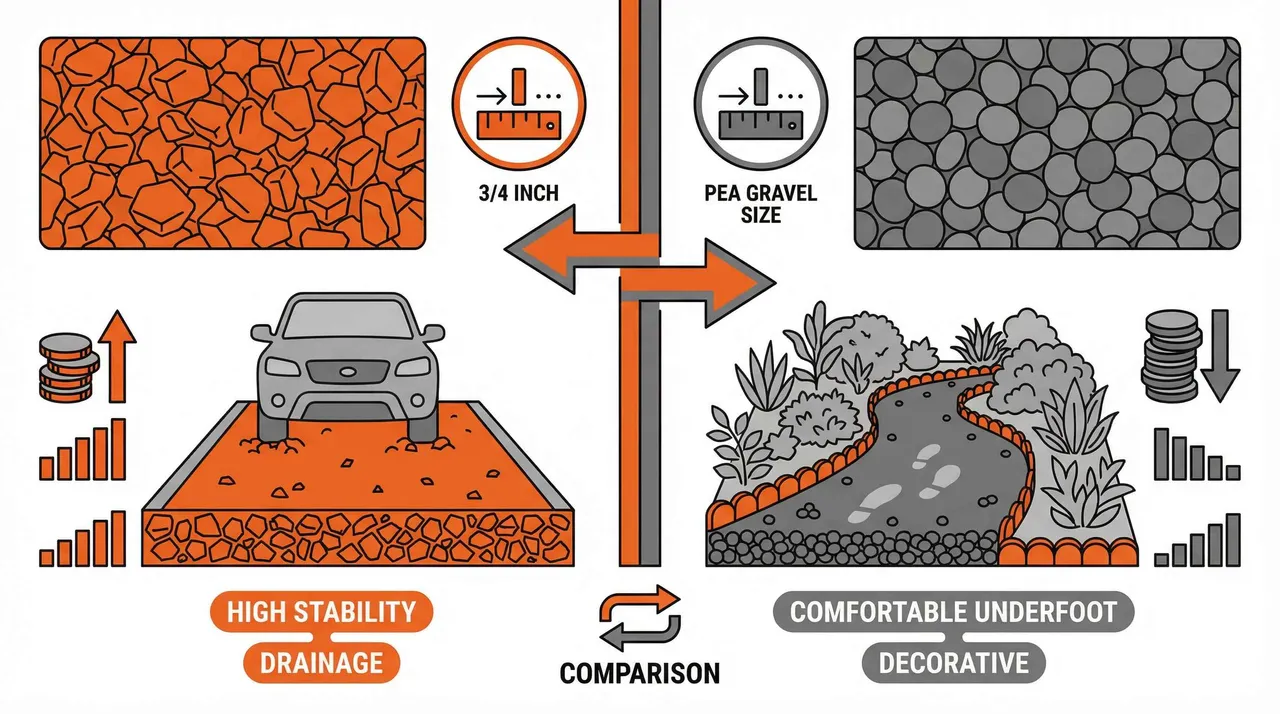
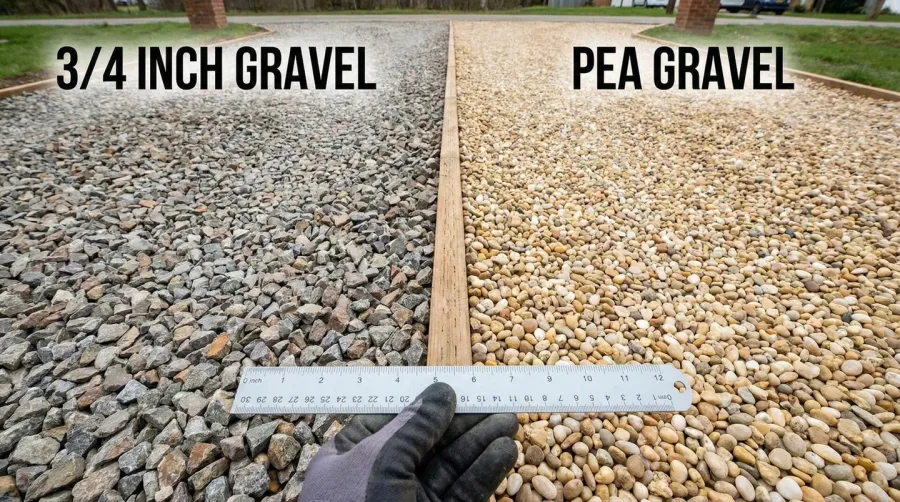
The main difference is size and application: 3/4 inch gravel works best for high-traffic areas like driveways and foundations due to its larger size and superior compaction, while pea gravel excels in decorative landscaping and low-traffic pathways because of its smooth, rounded appearance.
Quick fact: 3/4 inch gravel typically costs 15-25% less per ton than pea gravel, making it the budget-friendly choice for larger projects.
Let’s break down everything you need to know about these two popular gravel types so you can make the right decision for your specific needs.
About Hello Gravel
Hello Gravel delivers bulk gravel, rock, dirt, and sand by the ton. Enter your ZIP code to see prices with delivery included. A local dump-truck driver places the load where access is safe; spreading is not included.
What makes 3/4 inch gravel different
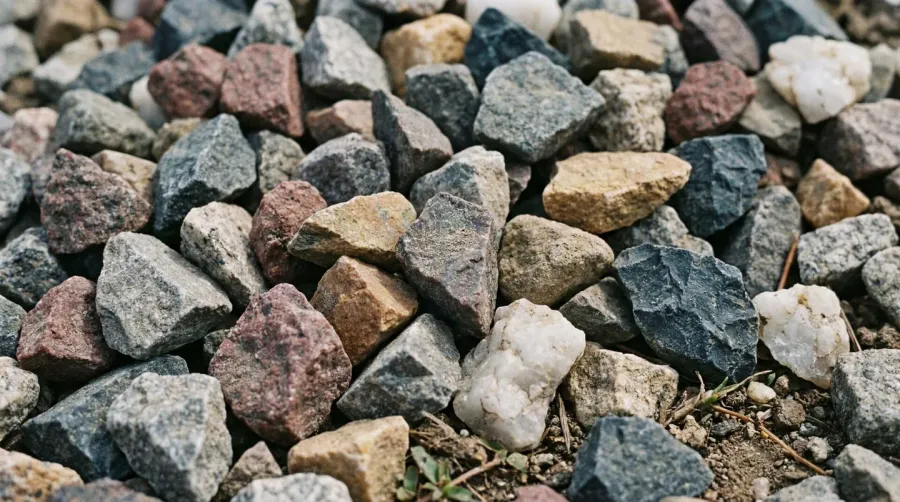
3/4 inch gravel, also called crushed stone, gets created by mechanically crushing larger rocks like limestone, granite, or trap rock. The result is angular pieces that measure roughly three-quarters of an inch across.
This angular shape is what gives 3/4 inch gravel its strength. When you compact it, those sharp edges lock together, creating a stable surface that can handle heavy loads. You’ll see it used for driveway bases, parking areas, and foundation work because it doesn’t shift under pressure.
The color varies depending on the source rock. Limestone creates gray and white tones, while granite produces darker grays and blacks. This variety lets you match your project’s aesthetic while getting the durability you need. If you’re considering different limestone options, understanding the differences between 610 limestone and 57 gravel can help you choose the right base material.
Understanding pea gravel characteristics
Pea gravel gets its name from its small, rounded shape that resembles garden peas. These smooth stones typically measure between 1/8 and 3/8 of an inch, making them much smaller than their 3/4 inch counterpart.
Unlike crushed stone, pea gravel forms naturally through water erosion in riverbeds and coastal areas. This natural process creates the smooth, rounded edges that make pea gravel comfortable to walk on barefoot.
You’ll find pea gravel in earth tones like brown, tan, and cream, though some suppliers offer colored varieties. The natural appearance makes it perfect for decorative applications where you want a softer, more organic look.
Safety note: Pea gravel’s smooth texture makes it an excellent choice for children’s play areas, providing cushioning that reduces injury risk from falls.
Key differences that matter for your project
The size difference between these materials affects everything from cost to performance. Here’s what you need to know:
| Feature | 3/4 Inch Gravel | Pea Gravel |
|---|---|---|
| Size | 3/4 inch pieces | 1/8 to 3/8 inch |
| Shape | Angular, rough | Rounded, smooth |
| Cost per ton | $25-40 | $30-50 |
| Best for | Driveways, bases | Paths, decoration |
The angular shape of 3/4 inch gravel creates better compaction and stability, making it ideal when you need a surface that won’t shift. Pea gravel’s rounded shape means it moves more easily, which works well for decorative applications but poorly for high-traffic areas.
Drainage works differently too. Both materials allow water to pass through, but 3/4 inch gravel’s larger gaps provide better drainage for heavy rainfall situations. When comparing 3/4 inch versus 3/4 inch minus materials, you’ll find that the minus version includes fines that can affect drainage properties.
Choosing the right gravel for your needs
Your project type should drive your decision. For driveways and parking areas, 3/4 inch gravel wins every time. It compacts well, handles vehicle weight, and provides the traction you need for safe driving. Many professionals also consider crusher run versus 3/4 inch limestone when planning driveway installations for optimal stability.
Pea gravel shines in landscaping projects. Use it around plants, in garden beds, or for decorative pathways where foot traffic stays light. The smooth texture feels pleasant underfoot and creates an attractive natural appearance.
Consider maintenance requirements too. 3/4 inch gravel stays put once installed and compacted. Pea gravel tends to scatter and needs occasional raking to maintain an even surface, especially in high-traffic areas.
Cost tip: Calculate your total project cost including installation and long-term maintenance, not just the initial material price per ton.
Budget plays a role, but don’t let a small price difference drive your decision. Choosing the wrong material for your application will cost more in repairs and replacement than paying slightly more upfront for the right choice. For larger projects, understanding the key differences between #57 and #67 crushed stone can also help you select the most cost-effective option.
The choice between 3/4 inch gravel and pea gravel comes down to matching the material to your specific needs. For structural applications like driveways and foundations, go with 3/4 inch gravel’s superior stability and compaction. For decorative landscaping and comfort-focused applications, pea gravel’s smooth texture and natural appearance make it the better choice. Consider your traffic levels, maintenance preferences, and long-term goals to make the decision that serves your project best. If you’re still weighing options, exploring comparisons between 53 and 73 gravel might provide additional insights for your specific application.
FAQ
What is the main difference between 3/4 inch gravel and pea gravel?
3/4 inch gravel consists of angular, crushed stone pieces measuring approximately 3/4 inch across, making it ideal for compaction and stability in driveways and foundations. Pea gravel features small, smooth, rounded stones between 1/8 to 3/8 inch in size, perfect for decorative landscaping and walkways where comfort and aesthetics matter more than load-bearing capacity.
Which gravel is better for driveways: 3/4 inch or pea gravel?
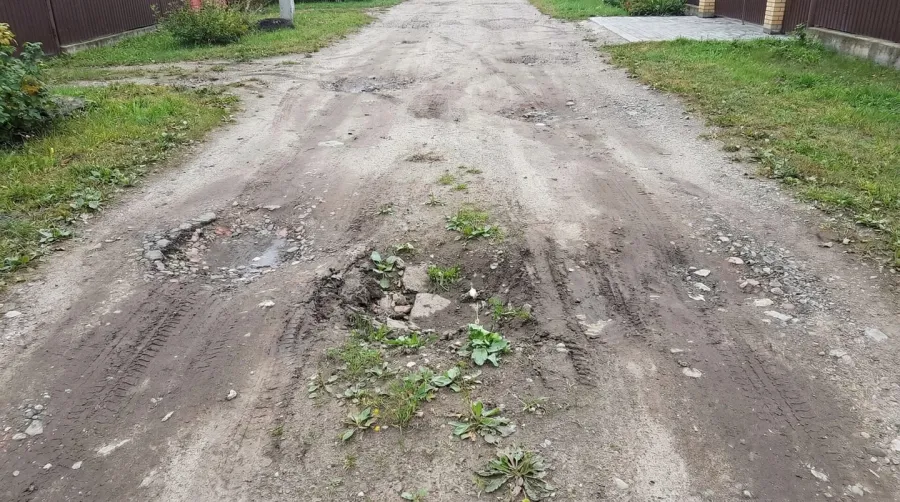
3/4 inch gravel is significantly better for driveways because its angular edges lock together when compacted, creating a stable surface that can handle vehicle weight and traffic. Pea gravel’s smooth, rounded shape causes it to shift and move under pressure, making it unsuitable for areas that need to support cars and trucks.
What are the cost differences between 3/4 inch gravel and pea gravel?
3/4 inch gravel typically costs 15-25% less than pea gravel, ranging from $25-40 per ton compared to pea gravel’s $30-50 per ton. The lower cost of 3/4 inch gravel makes it more budget-friendly for larger projects like driveways and foundations, while pea gravel’s higher price reflects its decorative appeal and specialized processing.
What are the pros and cons of using pea gravel for patios?
Pea gravel patios offer several advantages: they’re affordable, provide excellent drainage, feel comfortable underfoot, and create a natural aesthetic. However, they also have drawbacks including stones that scatter and require edging to contain, tendency to track indoors on shoes, need for occasional raking to maintain evenness, and potential for weed growth through the gaps.
Materials for this project
Get it delivered — dumped where you need it
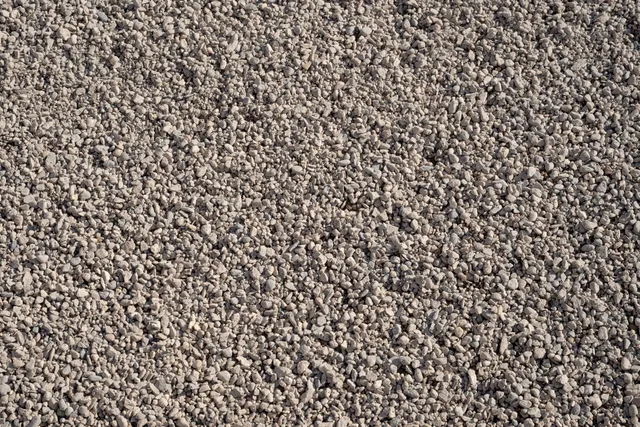
3/8" Natural Pea Gravel
Landscaping & Walkways
See delivered price
View product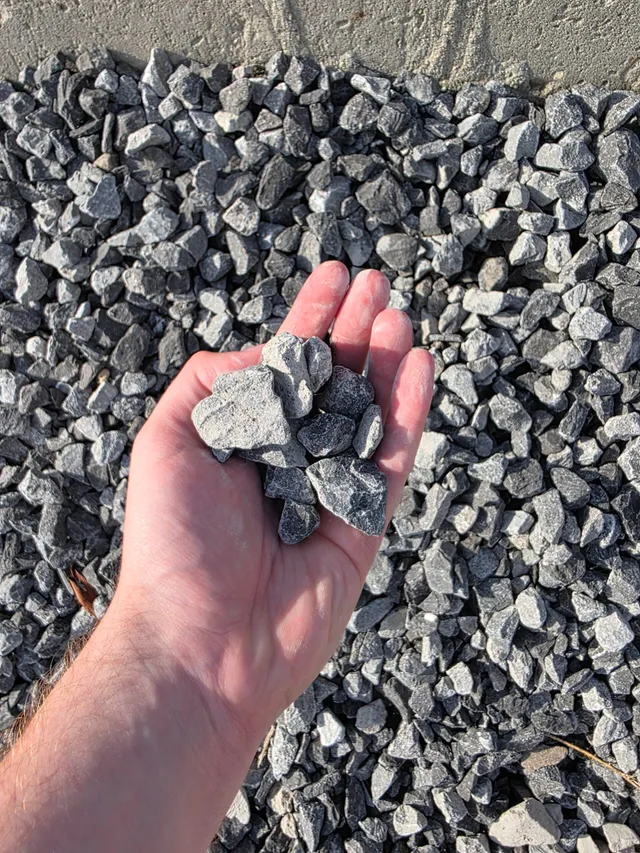
Driveway Gravel
Driveways & Parking areas
See delivered price
View product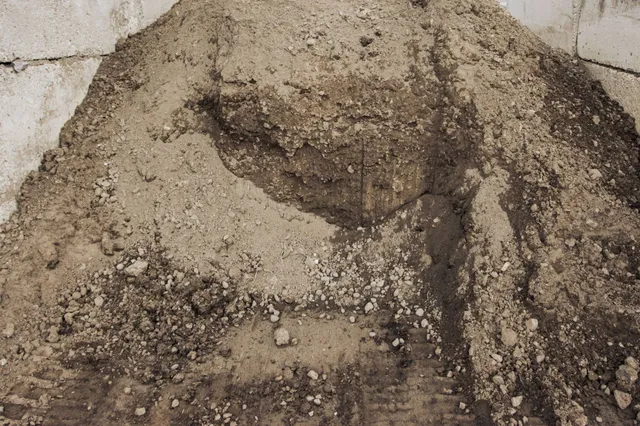
Fill Dirt
Grading & Backfill
See delivered price
View product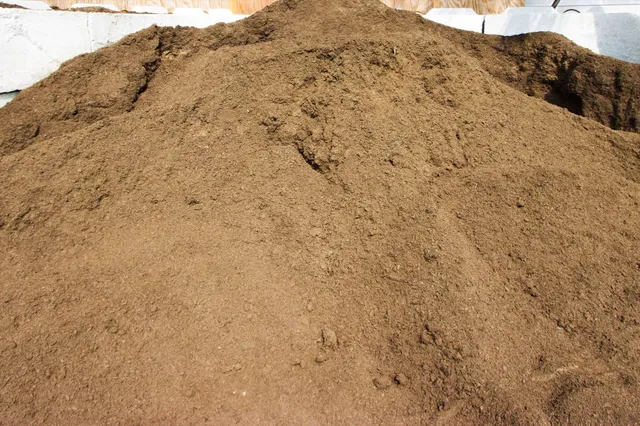
Topsoil
Lawn establishment & Garden beds
See delivered price
View product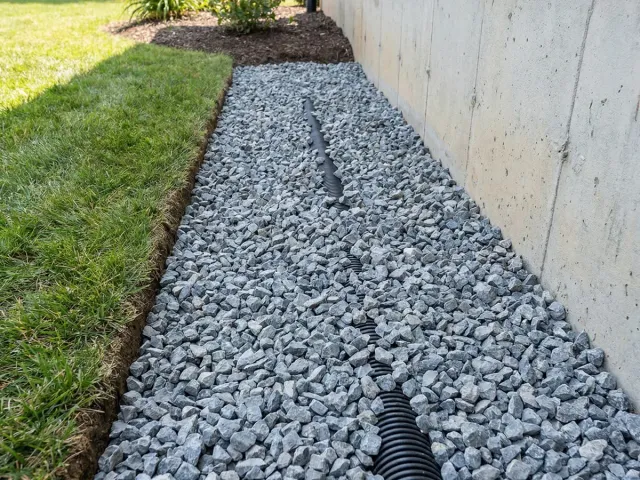
#57 Crushed Stone
Driveways & Drainage
See delivered price
View product