Decomposed Granite for Raised Garden Beds and Flower Beds Complete Guide
Published on: December 12, 2025
Get an estimate for your project in 60 seconds
 Your information is secure
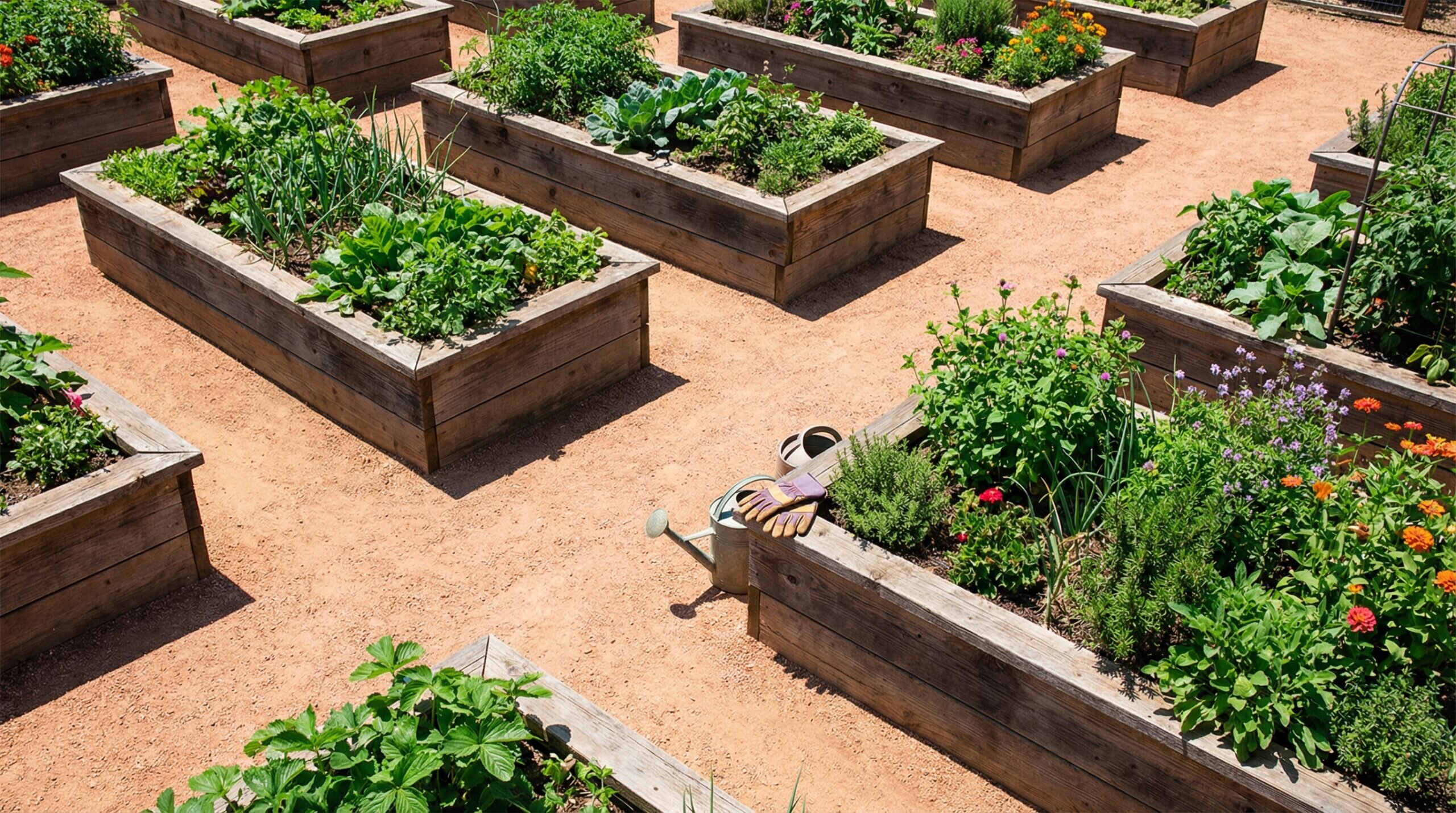
If you’re looking to improve drainage around your raised garden beds while creating clean, attractive pathways, decomposed granite offers an excellent solution. This natural material works beautifully as both a functional drainage layer and an aesthetic element in garden design.
Decomposed granite, commonly called DG, is weathered granite that has broken down into fine particles and small pieces. You can use it directly in your garden soil as an amendment, spread it as topdressing around plants, or install it as pathways between your raised beds. The key is understanding which type works best for your specific gardening goals.
Quick Answer: Yes, decomposed granite is excellent for raised garden beds. It improves drainage, suppresses weeds, creates attractive pathways, and works well around most plants except those requiring acidic soil conditions.
What is decomposed granite and why gardeners love it
Decomposed granite forms naturally when granite rock breaks down over thousands of years through weathering. The result is a mixture of fine particles, sand, and small granite pieces that compact well while still allowing water to drain through.
You’ll find three main types available for garden use. Natural decomposed granite works perfectly as mulch around trees and in flower beds. Stabilized DG includes a small amount of binding agent, making it ideal for garden paths that get regular foot traffic. Resin-coated versions create the most durable surfaces but cost more than most gardeners need for basic raised bed projects.
The color typically ranges from reddish-tan when fresh to a lighter tan as it weathers. This natural earth tone blends seamlessly with most garden designs, from cottage-style flower beds to modern raised bed layouts. If you’re considering other materials for your raised garden beds project, granite in various forms offers excellent durability and drainage properties.
Benefits of using decomposed granite around your garden beds

Improved drainage stands out as the biggest advantage for raised bed gardeners. When you spread DG around your beds or mix it into heavy soil, excess water drains away while your plants still get the moisture they need. This prevents the waterlogged conditions that cause root rot in vegetables and herbs.
The weed suppression qualities make garden maintenance much easier. A two-inch layer of decomposed granite around your raised beds blocks most weeds from sprouting, saving you hours of pulling unwanted plants throughout the growing season.
From a design perspective, DG creates clean lines and professional-looking transitions between different garden areas. Whether you’re connecting raised vegetable beds or creating borders around flower plantings, the uniform texture and natural color enhance your garden’s overall appearance. For those exploring alternative landscaping mulch options, decomposed granite provides a more permanent solution than organic materials.
Cost Comparison: Decomposed granite typically costs 30-50% less than installing pavers or concrete paths, while lasting much longer than wood chips or bark mulch that need annual replacement.
Maintenance requirements stay minimal once installed. Unlike organic mulches that decompose and need refreshing every year, a properly installed DG surface can last several years with just occasional raking and top-up applications.
Best ways to use decomposed granite with raised garden beds
You have several effective options for incorporating DG into your raised bed garden design. As a soil amendment, mix one part decomposed granite with three parts existing soil to improve drainage in beds with heavy clay. This works especially well for Mediterranean herbs like rosemary and lavender that prefer well-draining conditions.
For topdressing around established plants, spread a thin layer directly on the soil surface around trees, shrubs, and perennial flower beds. Keep the DG about two inches away from plant stems to prevent moisture issues.
Creating pathways between raised beds gives you the most dramatic visual impact. Install stabilized decomposed granite paths about 18-24 inches wide to allow comfortable access with wheelbarrows and garden tools. These paths stay firm underfoot while complementing the natural materials of wooden or stone raised bed frames. Similar pathway techniques work well for garden path projects using other materials like dolomite.
Border applications work well when you want clean edges around your raised beds. A six-inch strip of DG creates a defined transition between your beds and lawn areas while preventing grass from creeping into your growing space. For more decorative edging options, consider exploring flower bed edging techniques with various stone materials.
Installation steps for decomposed granite around raised beds

Start by planning your layout and measuring the areas where you want to install DG. Calculate roughly one cubic yard of material for every 100 square feet at a two-inch depth for pathways, or half that amount for topdressing applications.
Clear the installation area of existing vegetation, weeds, and debris. For pathways, excavate about three inches deep to allow for a base layer plus the final DG surface. Grade the area so water drains away from your raised beds rather than pooling against the frames.
Install landscape fabric if you’re dealing with persistent weeds, though this step isn’t always necessary in well-maintained garden areas. The fabric helps prevent weeds while allowing water to drain through.
Spread your decomposed granite evenly using a rake, aiming for a two-inch depth for pathways or one inch for topdressing. Lightly mist the surface with water, then compact using a hand tamper or by walking over the area repeatedly. The DG should feel firm but not rock-hard when properly compacted. If you need a more stable surface for structures, consider using decomposed granite as a sub-base for deck projects.
Add edging materials like metal strips or stone borders to keep the DG contained, especially along pathways where it might migrate into lawn areas over time.
| Material | Best Use | Depth Needed | Maintenance |
|---|---|---|---|
| Natural DG | Topdressing, mulch | 1-2 inches | Low |
| Stabilized DG | Pathways, high traffic | 2-3 inches | Very low |
| Wood chips | Organic mulch | 3-4 inches | Annual refresh |
| Gravel | Drainage, decorative | 2-3 inches | Medium |
Maintenance and troubleshooting for garden bed applications
Regular maintenance keeps your decomposed granite looking professional and functioning well. Rake the surface monthly to redistribute material and maintain an even appearance. This also helps prevent compaction in high-traffic areas.
Top up thin spots annually, especially after heavy rains or winter weather. Most installations need about 10-20% additional material each year to maintain proper depth and coverage.
Weed Prevention Tip: Apply a pre-emergent herbicide in early spring before weed seeds germinate, then follow up with hand-pulling any weeds that do appear through the DG surface.
Watch for migration issues where DG spreads into lawn areas or garden beds. Installing proper edging during initial installation prevents most problems, but you may need to add barriers later if material starts moving.
If you notice the surface becoming too hard or water running off instead of soaking through, lightly rake the top layer to restore proper drainage. This typically happens in areas with heavy foot traffic or after extended dry periods.
Your decomposed granite installation around raised garden beds represents a smart long-term investment in both function and beauty. The improved drainage protects your plants while the clean appearance enhances your garden’s visual appeal. With proper installation and minimal maintenance, you’ll enjoy these benefits for many growing seasons. For additional outdoor projects requiring stable foundations, explore options like using decomposed granite as a base for playground equipment or greenhouse foundation projects.
Ready to start your decomposed granite project? Hello Gravel makes sourcing quality materials simple with convenient delivery options and expert guidance on quantities needed for your specific garden layout. Get your project estimate today and transform your raised bed garden with this versatile, attractive material.
FAQ
Can I use decomposed granite directly in my raised garden bed soil mix?
Is decomposed granite safe for vegetable gardens and edible plants?
How thick should decomposed granite be around raised garden beds?
What type of decomposed granite works best for raised garden bed projects?
Author: igor