
Limestone Garden Edging for Flower Beds (Pros and Cons)
Free local estimate
See delivered prices for your ZIP in 60 seconds
Tell us where the project is and we'll price this material — delivered — for your exact ZIP.
- Real delivered pricing for your ZIP — not a generic range.
- Works for any quantity — driveways, pads, drains, or full projects.
- Prefer to talk? We follow up with local availability and delivery windows.
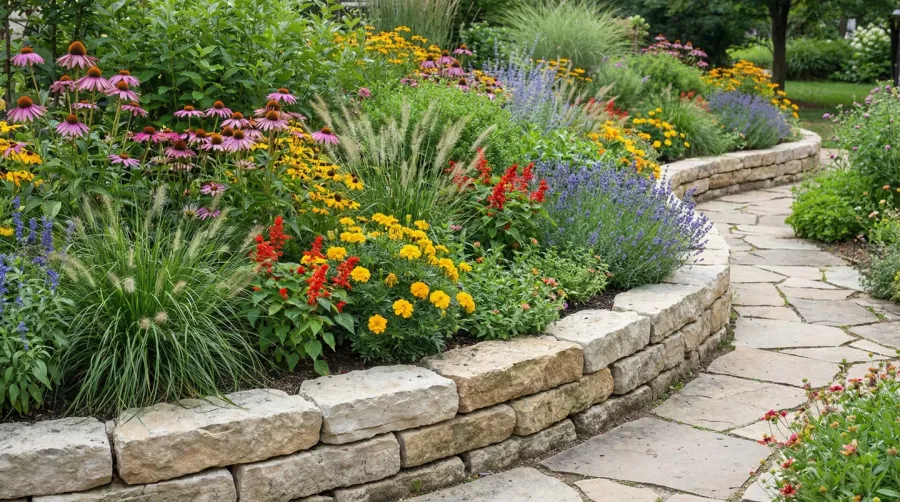
When you’re planning your garden borders, choosing the right edging material can make or break your landscape design. Limestone edging offers a natural, versatile solution that works beautifully for flower beds and garden borders. This sedimentary rock, primarily composed of calcium carbonate, provides an attractive way to define your garden spaces while offering practical benefits for plant health and soil management.
Yes, limestone can absolutely be used for flower bed edging. It’s durable, naturally beautiful, and relatively easy to work with compared to harder stones. However, like any material choice, limestone has specific advantages and limitations you should understand before starting your project.
Quick Fact: Limestone’s natural porosity helps with drainage around flower beds, but this same characteristic means it requires sealing to prevent staining and erosion over time.
About Hello Gravel
Hello Gravel delivers bulk gravel, rock, dirt, and sand by the ton. Enter your ZIP code to see prices with delivery included. A local dump-truck driver places the load where access is safe; spreading is not included.
What is limestone garden edging?
Limestone garden edging uses natural limestone stones to create defined borders around flower beds, pathways, and landscape features. As a sedimentary rock formed from compressed marine organisms, limestone offers a softer, more workable alternative to harder stones like granite or quartzite.
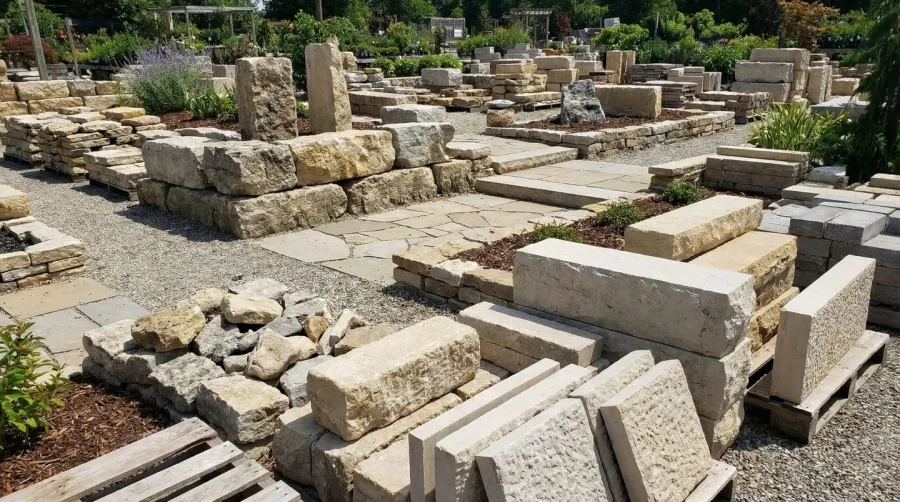
The material comes in several forms perfect for edging projects. You can choose from cut limestone blocks for clean, modern lines, irregular natural stones for rustic cottage gardens, or limestone pavers for more formal installations. Each style creates a different aesthetic while providing the same functional benefits of soil retention and garden organization.
Is limestone good for flower bed edging?
Limestone works exceptionally well for flower bed edging when properly installed and maintained. Its natural composition makes it ideal for garden environments where you want a material that complements rather than competes with your plants.
The stone’s light colors and natural textures blend seamlessly with most garden styles, from Mediterranean landscapes to English cottage gardens. Unlike synthetic materials, limestone weathers naturally over time, developing a patina that many gardeners find appealing. However, this weathering process means you’ll need to plan for regular maintenance to keep your edging looking its best.
Pros and cons of limestone edging
Benefits of limestone garden edging
Limestone offers several compelling advantages for flower bed borders. The material provides excellent value compared to premium natural stones while delivering a sophisticated appearance that enhances property value. Its relatively soft composition makes it easier to cut and shape than harder alternatives, which is particularly helpful for DIY installations or curved borders.
The stone’s natural drainage properties benefit your plants by preventing water from pooling around roots. Limestone also helps regulate soil temperature and can gradually release beneficial minerals as it weathers. From a design perspective, limestone’s neutral tones work with virtually any plant palette or garden color scheme, making it just as versatile as slate for flower bed edging projects.
Drawbacks you should know
Limestone’s porous nature, while beneficial for drainage, also makes it susceptible to staining and erosion if not properly sealed. The material can absorb water, leading to potential freeze-thaw damage in colder climates without adequate preparation and drainage.
Important Note: Limestone is softer than many alternatives, making it more prone to chipping or scratching in high-traffic areas or where maintenance equipment might contact the edging.
The stone requires more maintenance than synthetic alternatives, including periodic cleaning and resealing to maintain its appearance and structural integrity. Additionally, limestone can develop algae or moss in consistently damp conditions, though many gardeners consider this part of its natural charm. If you’re looking for a lower-maintenance option, you might consider polymeric sand for edging flower beds.
Limestone vs other garden edging materials
| Material | Durability | Maintenance | Cost | Natural Look |
|---|---|---|---|---|
| Limestone | Good | Medium | Medium | Excellent |
| Brick | Excellent | Low | Medium-High | Good |
| Concrete | Excellent | Low | Low-Medium | Poor |
| Metal | Good | Low | Medium | Poor |
When comparing limestone to alternatives, consider your specific needs and preferences. Limestone offers superior natural aesthetics compared to concrete or metal edging, though it requires more maintenance than these synthetic options. Compared to other natural stones like sandstone or granite, limestone typically costs less and is easier to work with, making it an excellent middle-ground choice.
Brick edging offers similar durability with lower maintenance requirements, but limestone provides a more natural appearance that many find preferable for flower bed applications. The choice often comes down to your climate, maintenance preferences, and design goals.
How to install limestone edging around a flower bed
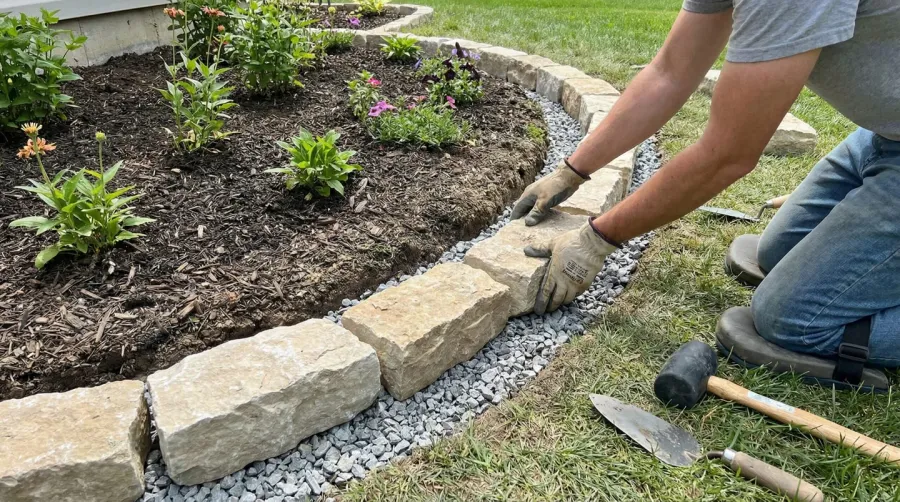
Installing limestone edging requires careful preparation but remains manageable for most DIY enthusiasts. Start by marking your desired border line using a garden hose or string to visualize curves and ensure proper spacing from existing plants.
Excavate a trench approximately 6 inches deep and slightly wider than your limestone pieces. Remove all roots, debris, and organic matter that could cause settling. Create a stable foundation by adding 2-3 inches of compacted crushed limestone or gravel base, ensuring proper drainage to prevent future erosion issues.
Set your limestone pieces carefully, checking for level and alignment as you work. Use a rubber mallet to make minor adjustments, and fill joints between stones with sand or fine aggregate. Backfill with soil or mulch, keeping the edging slightly above ground level to account for settling.
For complex curves or extensive installations, consider hiring a professional. While limestone is more forgiving than harder stones, proper installation ensures longevity and prevents common problems like shifting or erosion. If you’re also working on raised garden bed projects with limestone, you can apply similar installation techniques.
Limestone edging maintenance and longevity
Proper maintenance extends your limestone edging’s life significantly. Seal your limestone within the first year after installation using a quality stone sealer designed for outdoor use. Reapply sealer every 2-3 years or as recommended by the manufacturer to maintain protection against staining and water absorption.
Regular cleaning involves sweeping away debris and occasionally rinsing with water to prevent algae buildup. Avoid harsh chemicals or acidic cleaners that can damage limestone’s calcium carbonate composition. Address any loose stones promptly to prevent further shifting or damage.
Maintenance Tip: Well-maintained limestone edging can last decades, making it a worthwhile investment despite requiring more care than synthetic alternatives.
With proper installation, drainage, and maintenance, limestone edging provides long-lasting beauty and functionality for your flower beds. The material’s natural weathering process often enhances its appearance over time, creating a mature, established look that many gardeners prize. For those considering limestone for other outdoor projects, it’s also excellent for garden path applications and fire pit areas.
Ready to start your limestone edging project? Hello Gravel offers high-quality limestone products specifically selected for landscaping applications. Our team can help you choose the right limestone type for your specific needs and provide expert installation services to ensure your project’s success. Contact us today for a personalized quote and let us help you create the perfect borders for your flower beds.
FAQ
Is limestone good for edging flower beds?
Yes, limestone is an excellent choice for flower bed edging. It provides a durable, natural-looking border that helps define garden spaces, contains soil and mulch, and creates clean separation between beds and lawns. Limestone’s neutral colors complement most plant palettes, and its relatively soft composition makes it easier to cut and shape than harder stones like granite. With proper installation and drainage, limestone edging can last for decades while enhancing your garden’s visual appeal.
Does limestone edging need to be sealed?
While not always mandatory, sealing limestone edging is recommended to protect against staining and erosion. Limestone’s porous nature means it can absorb water, leading to potential freeze-thaw damage, staining from soil and organic matter, and algae growth in damp conditions. Apply a quality stone sealer within the first year after installation and reapply every 2-3 years, especially in wet climates or shaded areas prone to moisture retention.
Will limestone edging affect my soil pH?
Limestone contains calcium carbonate and can gradually raise soil pH over time, making it slightly more alkaline. For most ornamental plants, this effect is minimal and often beneficial. However, if you’re growing acid-loving plants like azaleas, blueberries, or rhododendrons near limestone edging, monitor soil pH regularly and consider using a buffer zone of mulch or choosing an alternative edging material to prevent unwanted pH changes.
How deep should limestone edging be installed?
Limestone edging should be installed in a trench approximately 6 inches deep, with 2-3 inches dedicated to a compacted gravel base and the remaining depth for the stone itself. This ensures proper stability and drainage while preventing shifting over time. The edging should sit slightly above ground level to account for settling and provide effective soil containment. Always compact the base thoroughly before setting the limestone pieces to prevent future movement.
Materials for this project
Get it delivered — dumped where you need it
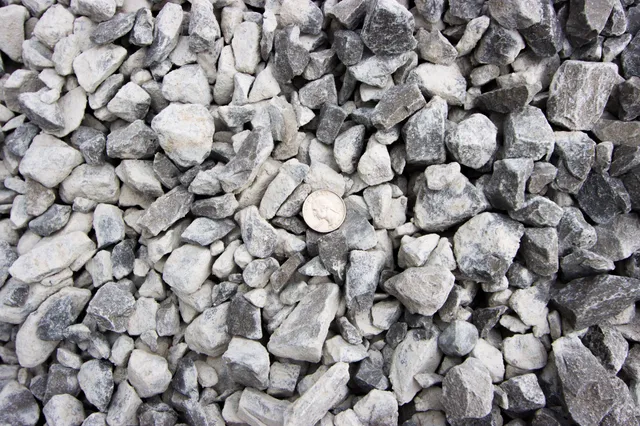
#610 Limestone
Driveway base & Road base
See delivered price
View product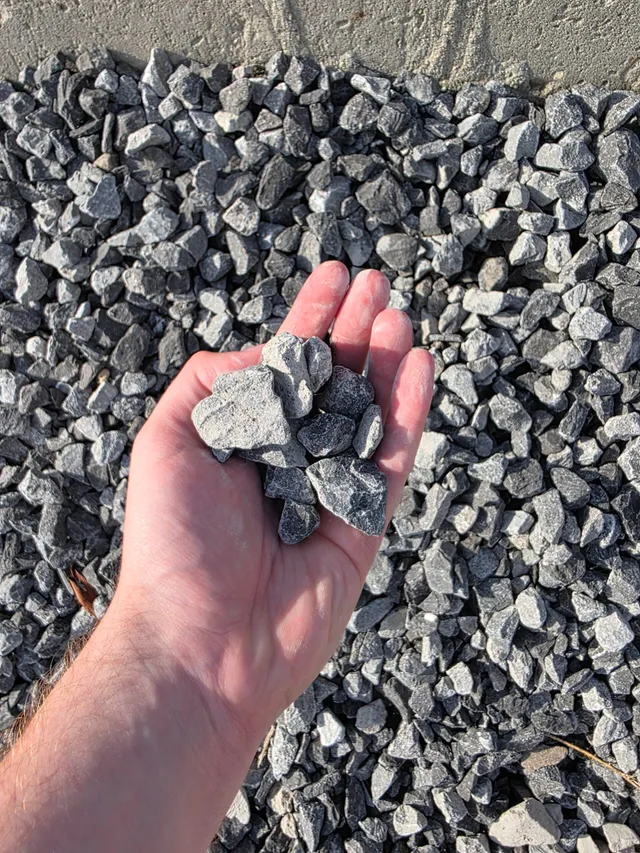
Driveway Gravel
Driveways & Parking areas
See delivered price
View product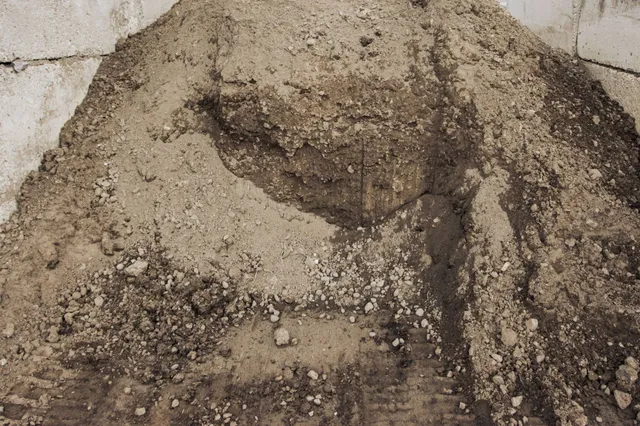
Fill Dirt
Grading & Backfill
See delivered price
View product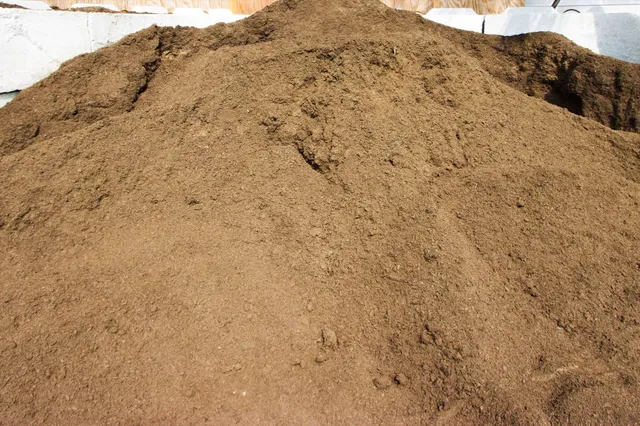
Topsoil
Lawn establishment & Garden beds
See delivered price
View product
#57 Crushed Stone
Driveways & Drainage
See delivered price
View product