Decomposed Granite Playground Base: Safe, Durable & Cost-Effective Guide
Published on: December 12, 2025
Get an estimate for your project in 60 seconds

Choosing the right playground base can feel overwhelming, especially when you need something safe for kids, durable enough to last, and within your budget. Decomposed granite (DG) checks all three boxes when installed correctly under playground equipment.
Here’s what makes DG an excellent playground surface choice:
– Provides a firm yet cushioned surface that helps absorb impact from falls
– Excellent drainage prevents muddy spots and keeps play areas usable after rain
– Low maintenance compared to organic mulches that decompose and need frequent replacement
Quick Answer: Decomposed granite works well as a playground base for residential backyards and light-use community areas. Install it 2-4 inches deep over a compacted base for best results.
This guide walks you through whether DG is right for your playground, how to install it step-by-step, what it costs, and how to order the right amount for your project.
What is decomposed granite (DG)?
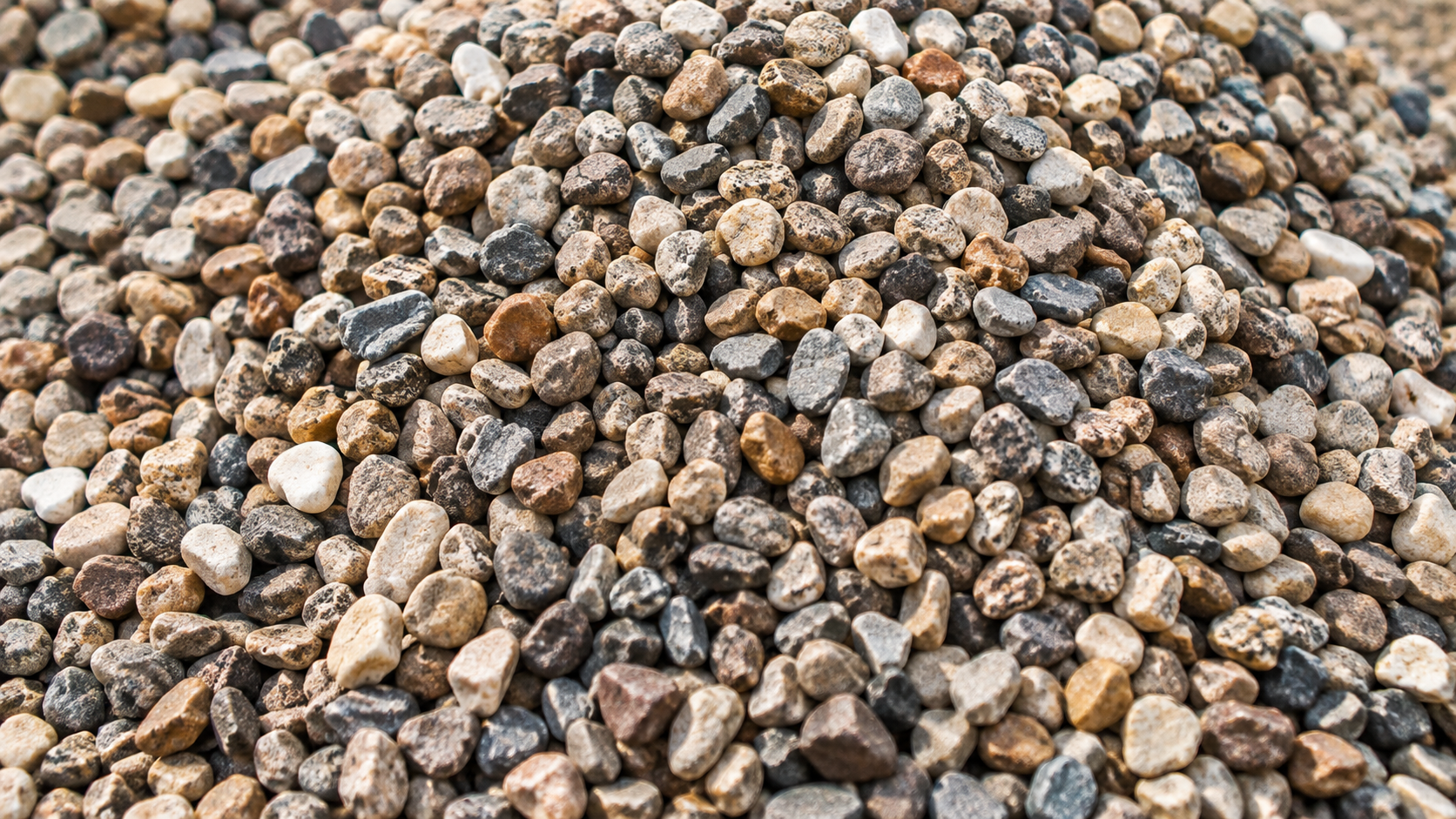
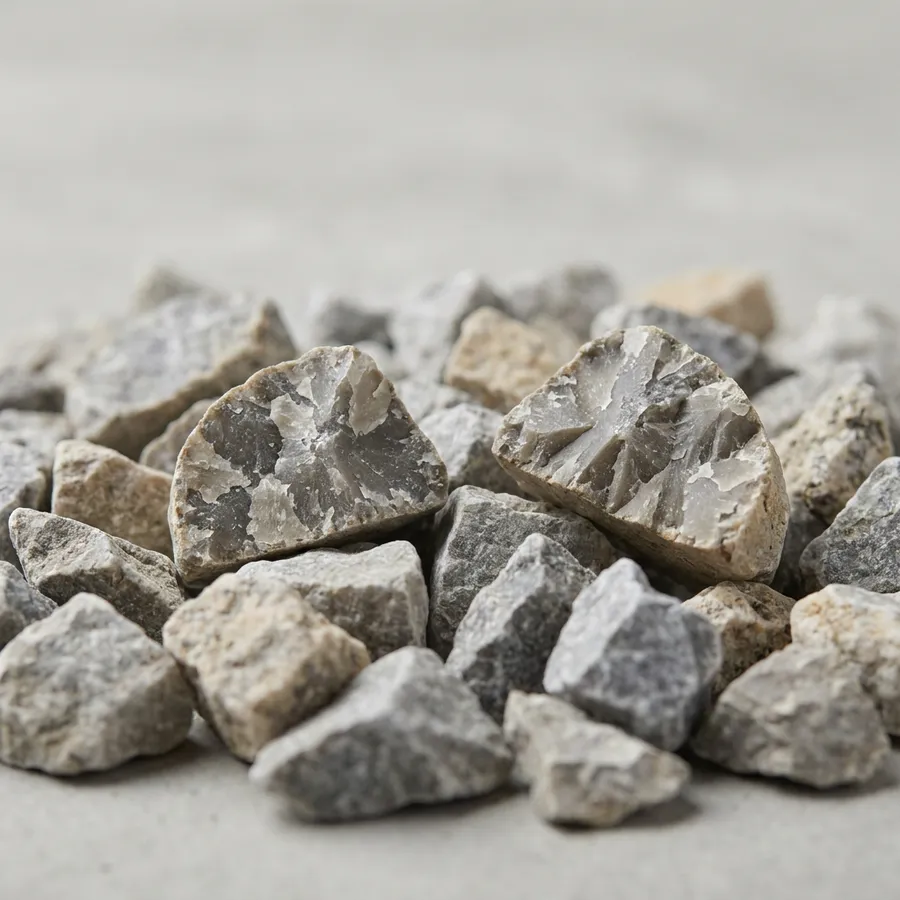
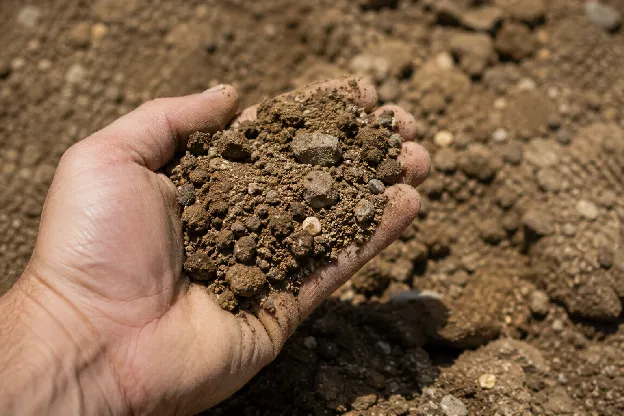
Decomposed granite is weathered granite rock that has naturally broken down into small particles ranging from sand to fine gravel. You’ll typically find it in tan, brown, or reddish colors that blend beautifully with outdoor environments.
The key advantage of DG lies in its unique composition. Unlike solid materials, it compacts into a stable surface while maintaining some give underfoot. This makes it comfortable to walk on while providing the drainage that prevents standing water around play equipment.
There are three main types of decomposed granite:
– Natural DG compacts well but remains slightly loose on the surface
– Stabilized DG includes polymer binders that create a firmer surface
– Resin-coated DG offers the most stability but costs more
For playgrounds, many installers prefer natural or lightly stabilized DG because it maintains a cushioned feel while still creating a stable base that won’t shift under equipment.

Is decomposed granite safe for playgrounds?
Safety is the top concern for any playground surface, and DG offers several protective benefits when installed properly.
Shock absorption and comfort
DG provides a firm but forgiving surface that cushions falls better than concrete or asphalt. The key is proper depth – typically 2-4 inches depending on the equipment height and expected impact zones. While DG isn’t certified for critical fall heights like engineered wood fiber, it works well for residential play areas and lower equipment. For comparison, sand can also be used as a base for playground equipment, though it requires different maintenance considerations.
Temperature and comfort
Unlike rubber surfaces or asphalt, decomposed granite stays relatively cool even on hot summer days. Its light color and mineral composition reflect heat rather than absorbing it, making it comfortable for bare feet.
Drainage and slip resistance
One of DG’s biggest safety advantages is its excellent drainage. Water flows through the surface quickly, eliminating puddles and slippery conditions around swings and slides. This also prevents the muddy mess that can make play areas unusable after rain.
Safety Note: Always check local playground safety guidelines for fall height requirements. For equipment over 4 feet high or commercial installations, consider consulting with a playground safety specialist.
Pros and cons of decomposed granite as a playground base
Key benefits:
– Cost-effective compared to rubber mulch or engineered surfaces
– Natural appearance that complements landscaping
– Excellent drainage prevents water problems
– Low maintenance once properly installed
– Environmentally friendly and sustainable material
Potential drawbacks:
– Can be dusty in very dry climates
– Loose particles may track onto adjacent surfaces
– Requires periodic topping up in high-traffic areas
– May not meet all critical fall height requirements without additional design
DG works best for residential backyards, community play areas with moderate use, and as pathways around playground equipment. For high-impact commercial installations or equipment over 6 feet high, you might need engineered safety surfacing. If you’re also planning other outdoor projects, using decomposed granite as a base for a dog run area is another popular application.
How to install a decomposed granite playground base
Site preparation
Start by measuring your play area and marking the layout. Plan for proper drainage by ensuring a slight slope away from equipment. Call utility locators before digging to avoid underground lines.
Excavation and base preparation
Remove existing grass and topsoil to a depth of 4-6 inches total (including your DG layer). Install landscape edging around the perimeter to contain the material. For areas with poor drainage, add a 2-inch base layer of crushed gravel. Similar to using decomposed granite for greenhouse foundation projects, proper base preparation is critical for long-term performance.
Installing the decomposed granite
Spread DG in thin lifts of about 1 inch at a time. Lightly dampen each layer – it should feel like a wrung-out sponge, not muddy. Use a plate compactor to firm each lift before adding the next layer. This prevents settling and creates a stable surface. The installation process shares similarities with using decomposed granite as a sub-base for deck projects, where compaction is equally important.
Final grading and safety checks
Your finished surface should be level, drain well, and feel firm underfoot. Test by walking across it – properly compacted DG shouldn’t shift or leave deep footprints.

How much decomposed granite do you need and what will it cost?
Calculating your material needs
For playground areas, plan on 2-4 inches of DG depth. Calculate volume by multiplying length × width × depth in feet, then divide by 27 to get cubic yards. One cubic yard typically covers about 160 square feet at 2 inches deep.
Material and delivery costs
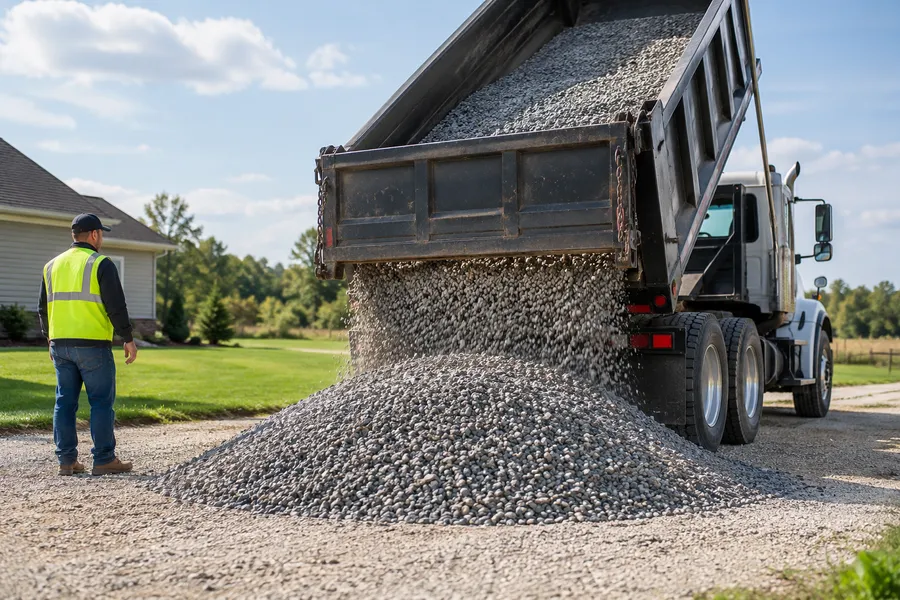
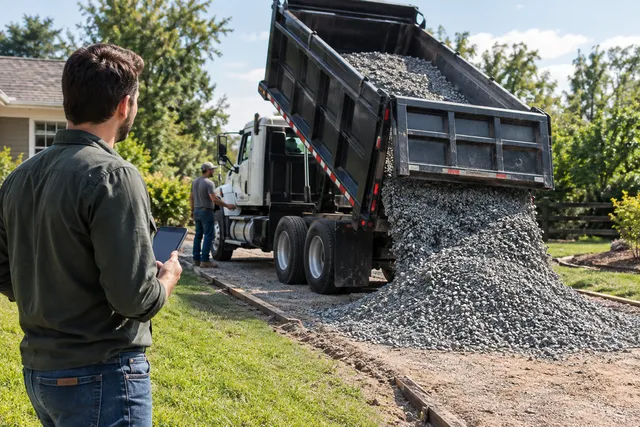
Decomposed granite typically costs $30-60 per cubic yard, depending on your location and the specific type. Delivery adds $50-150 depending on distance and access to your site. For a typical 200 square foot play area, expect to spend $200-400 total for materials and delivery.
Long-term value
While the upfront cost is moderate, DG’s low maintenance saves money over time. Unlike organic mulches that need annual replacement, properly installed DG lasts several years with just occasional topping up.
Maintenance tips for DG under playground equipment
Keep your decomposed granite playground looking and performing its best with simple maintenance:
Regular upkeep
Rake the surface monthly to keep it level and redistribute material. Pay special attention to high-wear areas under swings and at the bottom of slides where DG tends to displace.
Seasonal maintenance
Top up thin spots annually, typically adding about 10-20% of your original material. After heavy rains, check drainage and re-rake any areas that have developed ruts or low spots.
Managing dust and tracking
In very dry climates, lightly mist the surface during dusty periods. Place walk-off mats at entrances to minimize tracking DG into the house. These maintenance techniques are similar to those used when using decomposed granite for raised garden beds.
Pro Tip: The best time to add new DG is in early spring before heavy play season begins. This gives the material time to settle and compact naturally.
Ready to create a safe, durable playground base with decomposed granite? At Hello Gravel, we make it easy to get exactly the right amount of high-quality DG delivered to your project site. Our 60-second estimate tool helps you calculate materials quickly, and our team can answer questions about depth and installation for your specific playground needs. Whether you’re building a play area or exploring options like using decomposed granite as a base for gazebo or pergola projects, get started with your quote today and take the first step toward a beautiful, long-lasting play area.
Frequently Asked Questions About Decomposed Granite Playground Bases
Is decomposed granite safe for playgrounds?
How deep should decomposed granite be for a playground?
How much decomposed granite do I need for my playground?
How do you maintain a decomposed granite playground surface?
Author: igor