Can Basalt Be Used for Fire Pits? Safety Guide and Design Ideas
Published on: December 12, 2025
Get an estimate for your project in 60 seconds
 Your information is secure
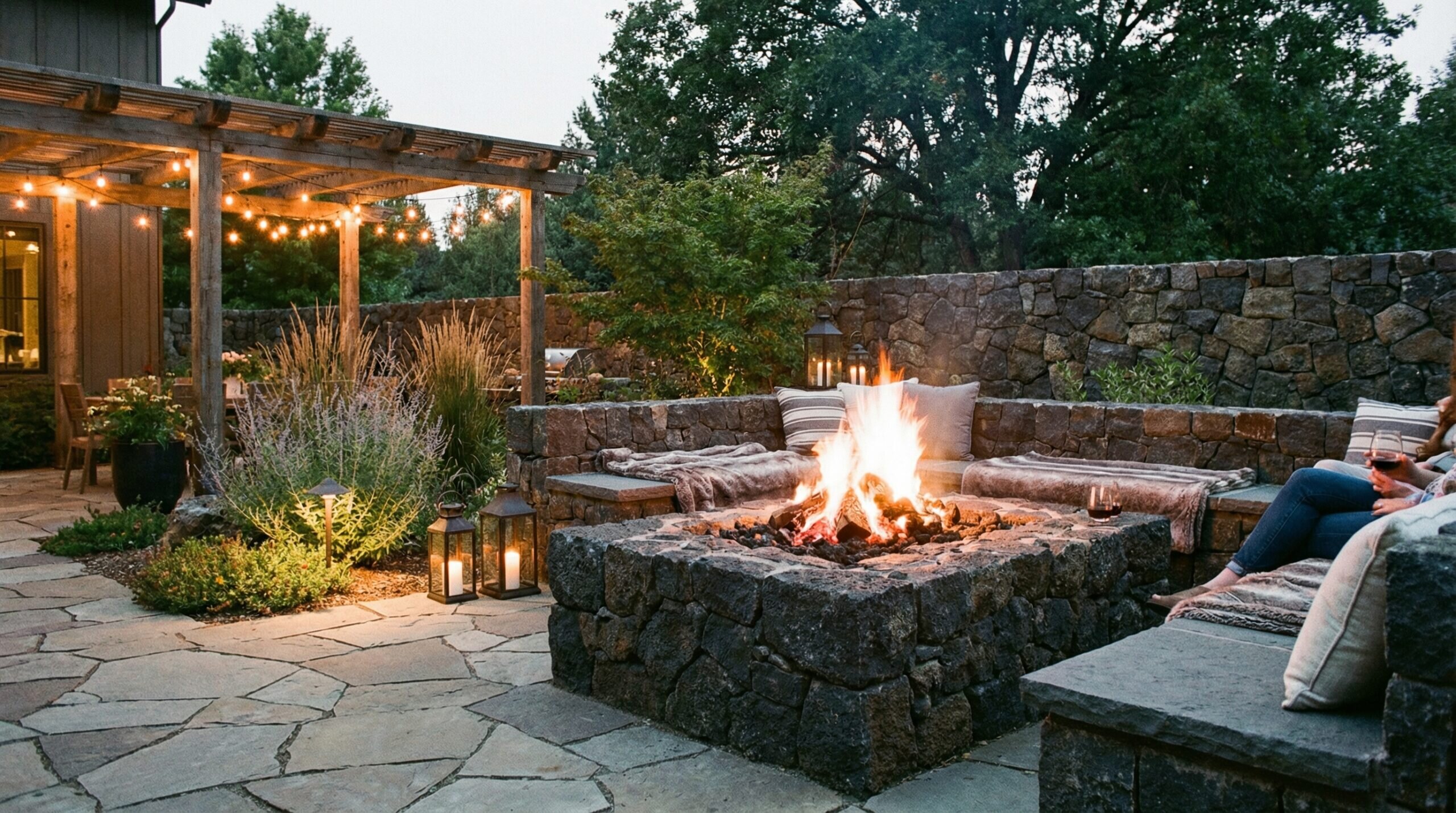
Yes, basalt can absolutely be used for fire pit projects when installed correctly. This volcanic rock offers excellent heat resistance, durability, and a sleek modern appearance that makes it perfect for outdoor fire features. Whether you’re planning a cozy backyard gathering spot or an elegant outdoor entertainment area, basalt provides both safety and style.
Many homeowners wonder if basalt will crack under high heat or if it’s safe to use around open flames. The good news is that basalt’s volcanic origin means it naturally handles extreme temperatures without breaking down. In this guide, you’ll discover how to safely use basalt in your fire pit area, compare it to other materials, and get practical design ideas that transform your outdoor space.
Quick Answer: Basalt is heat-resistant and safe for fire pit surrounds, patios, and gravel bases, but should not be used as the inner fire ring liner where direct flame contact occurs.
What makes basalt perfect for fire areas
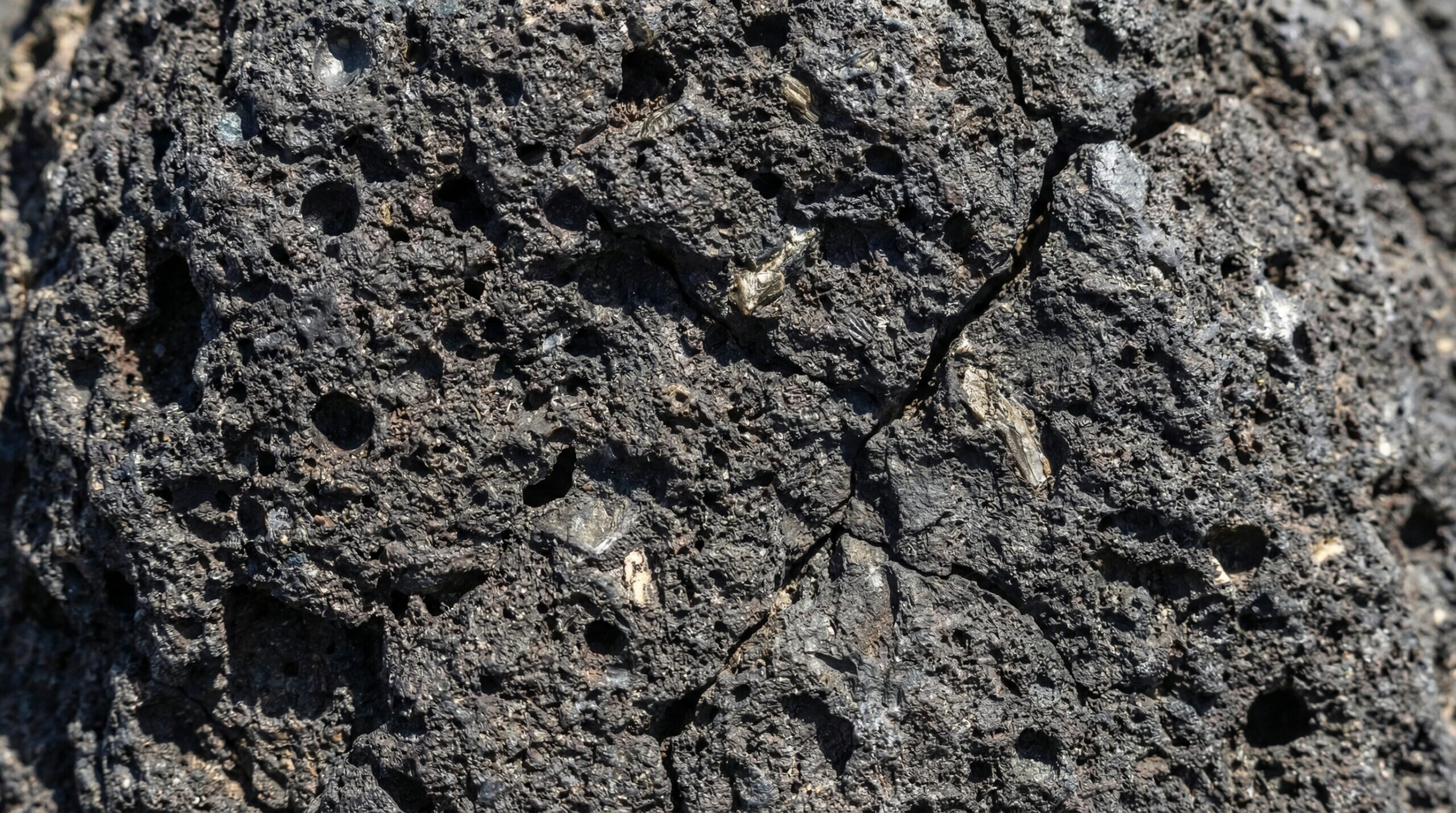
Basalt forms when volcanic lava cools rapidly, creating an incredibly dense and durable stone. This natural process gives basalt unique properties that make it ideal for outdoor fire features.
The rock’s high density means it won’t absorb much water, preventing freeze-thaw damage that can crack other stones. Its volcanic origin also means basalt naturally resists heat without expanding or contracting dramatically. You’ll find basalt maintains its structural integrity even when temperatures fluctuate between freezing winters and hot summer fire sessions.
Unlike softer stones that can crumble or spall when heated, basalt stays solid and safe. The dark gray to black coloring also hides soot and ash better than lighter stones, keeping your fire area looking clean with minimal maintenance. If you’re considering other volcanic materials, volcanic rock offers similar benefits for fire pit areas with comparable heat resistance.
Safety considerations for basalt fire pits
While basalt handles heat well, proper installation is crucial for safety. The stone works best as a surround material rather than direct flame contact surfaces.
For the actual fire ring or inner liner, stick with refractory bricks or metal rings designed for direct flame exposure. Basalt shines when used for the surrounding patio, seating areas, and decorative elements around your fire feature.
Always maintain proper clearances from combustible materials. Install basalt on a well-drained base to prevent moisture from getting trapped underneath, which could cause problems during freeze-thaw cycles. If you’re installing a gas fire pit, have a professional handle the gas line connections and ensure proper ventilation.
Safety Tip: Keep basalt surfaces at least 3 feet from the fire ring’s edge to prevent overheating and ensure comfortable seating temperatures.
Benefits that make basalt worth choosing
Basalt offers several advantages over other fire pit materials that make it a smart long-term investment for your outdoor space.
Durability that lasts decades: The dense structure resists weathering, staining, and physical damage. You won’t need to replace or repair basalt surfaces for many years, even with regular use and exposure to harsh weather. This makes it an excellent choice for driveway paving projects as well.
Heat performance you can trust: Basalt absorbs heat during fire sessions and releases it slowly afterward, extending the comfortable warmth around your fire area. The stone doesn’t get uncomfortably hot to walk on, even when positioned near the fire.
Modern aesthetic appeal: The natural dark tones complement both contemporary and rustic design styles. Basalt’s subtle texture adds visual interest without overwhelming other landscape elements.
Low maintenance requirements: A simple rinse with water removes most dirt and debris. The dark color naturally hides minor stains, and the non-porous surface resists moss and algae growth.
Practical ways to use basalt in your fire area
Basalt works beautifully in several applications around fire pits, each offering different benefits for your specific needs and budget.
Patio and seating surfaces: Large basalt slabs create elegant patios that stay comfortable underfoot. The natural slip resistance makes them safe for evening gatherings, even when damp from dew.
Gravel base and drainage: Crushed basalt provides excellent drainage under and around fire pits while creating a clean, finished appearance. The angular pieces lock together well, preventing shifting over time. For comparison, pea gravel is another popular option for fire pit areas with different aesthetic qualities.
Accent features and borders: Use basalt blocks for built-in seating, retaining walls, or decorative borders that define your fire area. The uniform color creates visual cohesion throughout your outdoor space. If you’re working on erosion control structures, basalt’s durability makes it an excellent choice.
Walkways and approaches: Basalt stepping stones or pathway materials guide guests safely to your fire area while maintaining the design theme.
| Material | Heat Resistance | Durability | Cost Level | Best Use |
|---|---|---|---|---|
| Basalt | Excellent | Very High | Medium-High | Surrounds, patios |
| Granite | Good | High | Medium | General paving |
| Limestone | Fair | Medium | Low-Medium | Decorative accents |
| Concrete | Good | Medium | Low | Budget applications |

Planning your basalt fire pit installation
Start by choosing your location carefully, considering wind patterns, overhead clearances, and local fire regulations. Most areas require fire pits to be at least 10 feet from structures and property lines.
Decide whether you want a wood-burning or gas fire pit, as this affects your base preparation and utility requirements. Gas installations need professional help for safety, while wood-burning pits offer more flexibility in placement.
Select your basalt products based on your specific applications. Slabs work well for patios, crushed stone for bases, and blocks for seating or accent walls. Consider the finish too – flamed basalt offers more texture and slip resistance, while honed surfaces provide a smoother, more formal appearance. For other fire pit material options, you might also explore bluestone for fire pit areas or granite alternatives.
Prepare your base with proper excavation, compacted gravel, and leveling sand. This foundation work determines how well your basalt installation performs over time. If you’re also planning a small bridge foundation, basalt’s structural integrity makes it suitable for multiple landscape applications.
Pro Tip: Order 10-15% extra basalt material to account for cutting waste and future repairs, ensuring you have matching stone available.
Getting the right materials for your project starts with understanding your specific needs and local conditions. Hello Gravel offers high-quality basalt products with nationwide delivery, making it easy to source consistent materials for your fire pit area. Our team can help you calculate quantities and choose the right basalt type for your specific application, whether you’re building a simple gravel pad or an elaborate patio design.
Basalt proves itself as an excellent choice for fire pit areas when you understand its strengths and use it appropriately. The combination of heat resistance, durability, and modern aesthetics makes it worth the investment for homeowners who want a fire feature that looks great and performs reliably for decades. With proper planning and quality materials, your basalt fire pit area will become the centerpiece of countless memorable outdoor gatherings.
FAQ
Is basalt safe to use in a fire pit?
How does basalt compare to granite for fire pit construction?
Can I use basalt gravel as a base under my fire pit?
What rocks should I avoid using in fire pit construction?
Author: igor