
What Is Subsoil? Definition, Properties, and Uses Explained
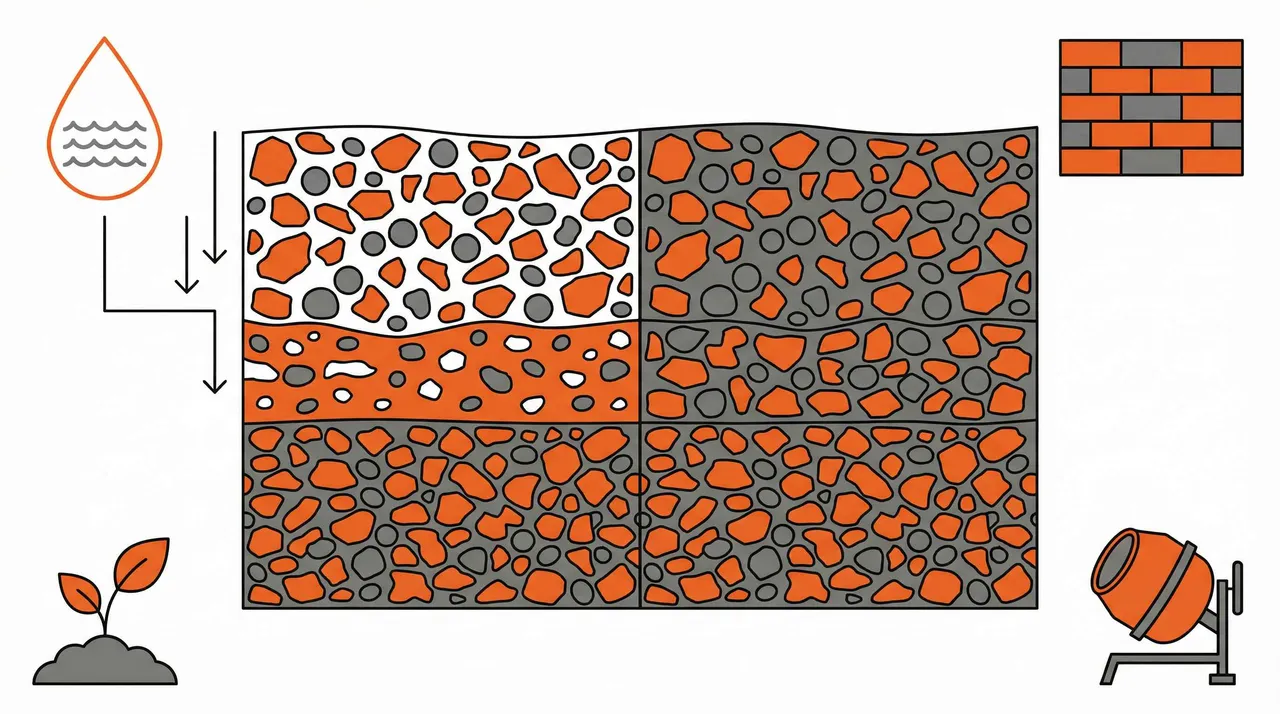
When you dig deeper into your garden or construction site, you’ll notice the soil changes color and becomes denser. That’s subsoil, the crucial layer beneath your topsoil that plays a vital role in construction, agriculture, and environmental management. Understanding subsoil helps you make better decisions whether you’re building foundations, planning landscaping projects, or managing agricultural land.
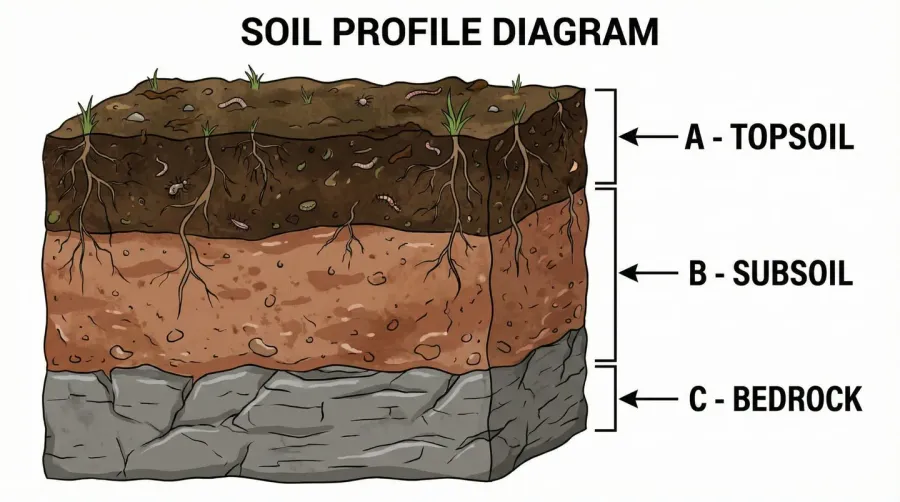
Subsoil is the layer of soil located beneath topsoil and above bedrock, characterized by higher clay content, lower organic matter, and denser structure. Also known as the B horizon in soil science, this layer serves as a foundation for construction projects and a water and nutrient reservoir for deep-rooted plants.
Quick Fact: Subsoil typically appears lighter in color than topsoil because it contains less organic matter and more mineral deposits that have been washed down from the surface layers above.
About Hello Gravel
Hello Gravel delivers bulk gravel, rock, dirt, and sand by the ton. Enter your ZIP code to see prices with delivery included. A local dump-truck driver places the load where access is safe; spreading is not included.
Understanding subsoil composition and characteristics
Subsoil consists primarily of clay, silt, and sand particles, with a notably higher concentration of clay compared to topsoil. This composition gives subsoil its characteristic dense, compact structure that can be challenging to dig through but provides excellent stability for construction purposes.
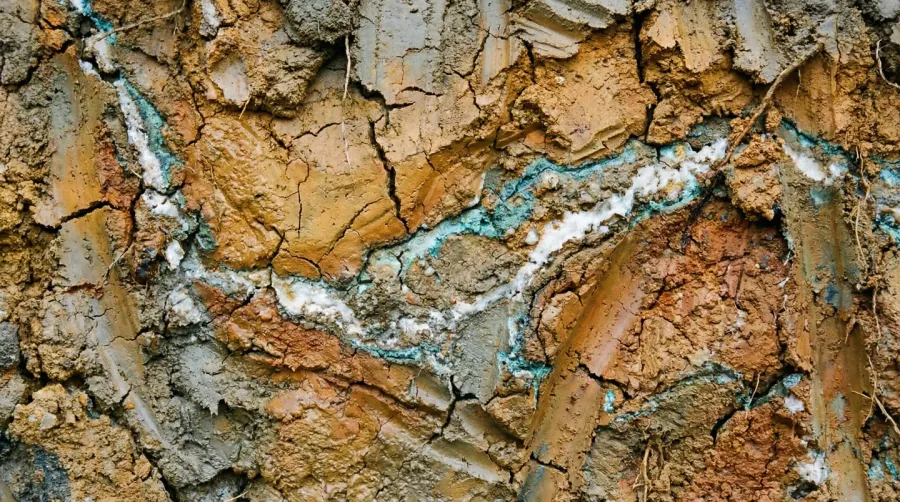
The mineral content in subsoil includes iron oxides, aluminum compounds, calcium, and magnesium that have been leached down from the topsoil through water movement. This process, called leaching, explains why subsoil often displays yellow, red, or brown colors depending on the dominant minerals present.
Unlike topsoil, subsoil contains minimal organic matter and supports fewer living organisms. You’ll find fewer earthworms, beneficial bacteria, and plant roots in this layer, which explains why it’s less fertile than the soil above it. However, this lower biological activity contributes to subsoil’s structural stability.
How deep is subsoil and where does it fit in soil layers
Subsoil depth varies significantly depending on your location, climate, and land use history. In most areas, you’ll encounter subsoil starting around 6 to 12 inches below the surface, extending down to 2 or 3 feet before reaching the substratum or bedrock.
The soil profile consists of distinct layers that form over thousands of years. Starting from the surface, you have the A horizon (topsoil), followed by the B horizon (subsoil), then the C horizon (substratum of weathered parent material), and finally bedrock. Each layer has unique characteristics that affect how water moves, how plants grow, and how suitable the area is for construction.
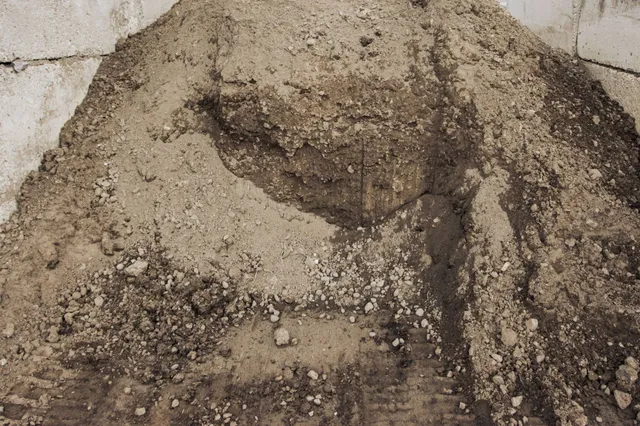
When you’re digging and notice the soil becoming lighter, denser, and harder to penetrate, you’ve likely reached the subsoil layer. This transition zone is important to recognize for both gardening and construction planning purposes.
Pro Tip: If you’re planning a construction project, have your subsoil tested for bearing capacity and drainage properties, as these characteristics directly impact foundation stability and building codes compliance.
Topsoil vs subsoil key differences
| Property | Topsoil | Subsoil |
|---|---|---|
| Organic matter | High (3-10%) | Low (less than 1%) |
| Color | Dark brown to black | Yellow, red, or light brown |
| Structure | Loose, crumbly | Dense, compact |
| Biological activity | High (worms, bacteria, fungi) | Low (minimal organisms) |
| Primary uses | Growing plants, gardening | Construction, deep-rooted plants |
Understanding these differences helps you choose the right soil type for your specific project. While topsoil excels for gardening and landscaping, subsoil provides the stability and drainage characteristics needed for construction applications.
The fertility difference between these layers is particularly important for agricultural planning. Topsoil supports most annual crops and shallow-rooted plants, while subsoil serves as a water and nutrient reservoir that deep-rooted crops like trees and certain grains can access during dry periods.
Practical uses of subsoil in construction and agriculture
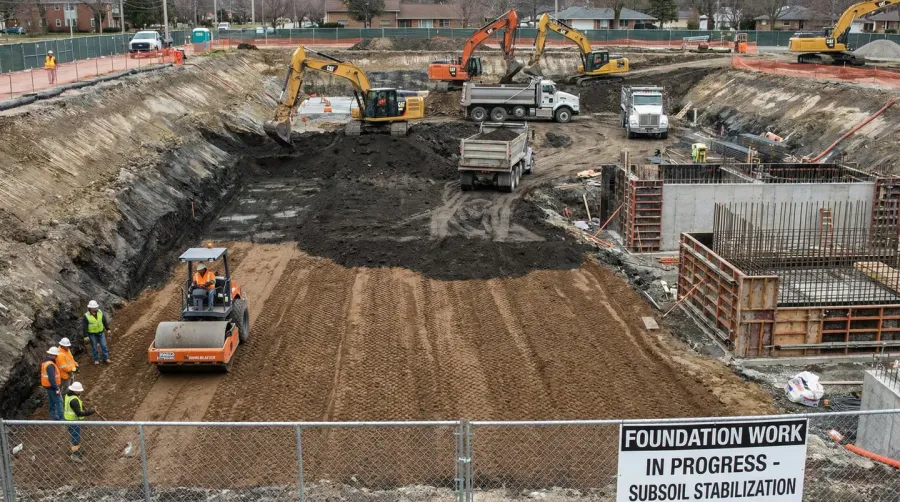
In construction, subsoil serves as an excellent foundation material due to its density and stability. Builders use subsoil for creating stable bases under roads, buildings, and other structures where settling could cause problems. The high clay content in subsoil provides good compaction characteristics when properly prepared and tested.
For drainage applications around buildings, subsoil’s structure allows controlled water movement while preventing rapid infiltration that could undermine foundations. Many construction projects also use subsoil as fill material for leveling sites or creating embankments where stability matters more than fertility.
Agricultural applications focus on subsoil’s role as a water and nutrient storage system. Deep-rooted crops like fruit trees, nut trees, and certain grains develop extensive root systems that tap into subsoil resources during dry periods. This makes subsoil quality important for long-term agricultural productivity, even though it’s not suitable for direct planting.
Important Note: Never use subsoil as a growing medium for gardens or lawns without significant amendments, as its low organic matter and dense structure will limit plant growth and water infiltration.
Environmental engineers also utilize subsoil for specialized applications like absorption fields for septic systems and as raw material for earthen construction techniques including adobe, rammed earth, and cob building methods.
Working with subsoil costs and considerations
Subsoil typically costs between $15 to $40 per cubic yard, depending on your location, quality requirements, and quantity needed. Urban areas generally see higher prices due to increased demand and transportation costs, while rural areas with local sources may offer more competitive pricing.
Several factors influence subsoil costs beyond base material prices. Delivery distance significantly impacts your total expense, especially for smaller quantities. Quality testing requirements for construction projects add to costs but ensure the material meets engineering specifications for your intended use.
Installation and preparation costs vary widely based on project complexity. Simple fill applications require minimal preparation, while foundation work demands proper compaction, grading, and sometimes soil stabilization treatments. Always request detailed quotes that include delivery, testing, and installation to accurately budget your project.
When sourcing subsoil, work with suppliers who can provide material specifications and testing results. Quality subsoil should have consistent composition, appropriate moisture content for compaction, and be free from organic debris that could decompose and cause settling issues. Depending on your specific needs, you might also consider alternatives like clay subsoil for projects requiring higher clay content, or sandy subsoil for better drainage characteristics.
For projects requiring specific soil properties, understanding the differences between various soil types is essential. If you’re working with clay soils, you’ll need different preparation techniques than when using sandy soils. Similarly, comparing fill dirt versus clay can help you determine which material best suits your foundation or grading needs.
When selecting between different fill materials, consider exploring options like clean fill for projects with strict environmental requirements, or blended soils that combine the benefits of multiple soil types for specialized applications.
Understanding subsoil helps you make informed decisions for construction, landscaping, and agricultural projects. Whether you need stable foundation material or want to understand how soil layers affect plant growth, recognizing subsoil’s unique properties ensures better project outcomes. For reliable subsoil delivery and expert guidance on material selection, Hello Gravel provides quality aggregates with nationwide service to support your project success.
FAQ
What is subsoil in simple terms?
Subsoil is the layer of soil located directly beneath topsoil and above bedrock. It contains less organic matter than topsoil but is rich in minerals like iron, aluminum, and calcium that have been washed down from the surface layers. Also known as the B horizon, subsoil is denser and more compact than topsoil, making it ideal for construction foundations while serving as a water and nutrient reservoir for deep-rooted plants.
How deep is the subsoil layer?
Subsoil typically begins around 6 to 12 inches below the surface and extends down to 2 or 3 feet before reaching the substratum or bedrock. The exact depth varies depending on your location, climate, and land use history. You can recognize when you’ve reached subsoil while digging because the soil becomes lighter in color, denser in texture, and harder to penetrate compared to the darker, looser topsoil above.
Can I use subsoil for gardening and planting?
Subsoil alone is not suitable for direct planting because it contains minimal organic matter and has a dense, compact structure that limits plant growth and water infiltration. However, subsoil can be improved for gardening by adding organic matter like compost or can serve as a base layer under topsoil for landscaping projects. It’s best used to support deep-rooted plants like trees that can access its water and nutrient reserves during dry periods.
What is subsoil used for in construction projects?
In construction, subsoil serves as an excellent foundation material due to its density and stability. Builders use subsoil for creating stable bases under roads, buildings, and other structures where settling could cause problems. It’s also used as fill material for leveling sites, creating embankments, and backfilling applications. The high clay content in subsoil provides good compaction characteristics when properly prepared, making it ideal for projects requiring structural stability.
Materials for this project
Get it delivered — dumped where you need it
Fill Dirt
Grading & Backfill
See delivered price
View product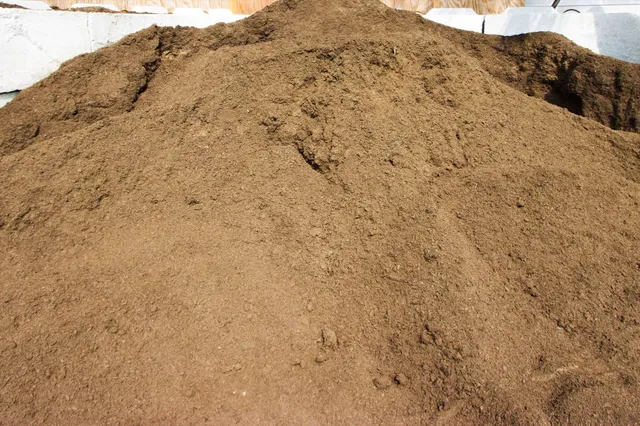
Topsoil
Lawn establishment & Garden beds
See delivered price
View product
Driveway Gravel
Driveways & Parking areas
See delivered price
View product
#57 Crushed Stone
Driveways & Drainage
See delivered price
View product
Road Base
Driveway base & Road construction
See delivered price
View product