Sandy Subsoil: What It Is, When to Use It & How Much It Costs
Published on: December 10, 2025
Get an estimate for your project in 60 seconds

Sandy subsoil is the layer beneath topsoil that contains a high percentage of sand particles, giving it excellent drainage but low water-holding capacity. If you’re planning a construction project, landscaping work, or need to improve drainage around your property, understanding sandy subsoil can help you make the right material choice for your specific needs.
Quick Answer: Sandy subsoil works best for foundations, drainage applications, and areas where you need stable, free-draining material. Avoid it for water-loving plants or unsupported heavy loads without proper compaction.
This guide covers everything you need to know about sandy subsoil, from its key properties and best uses to cost considerations and how it compares to other soil materials. Whether you’re a contractor, landscaper, or homeowner, you’ll get practical insights to help you decide if sandy subsoil fits your project.
What is sandy subsoil and how does it differ from other soils
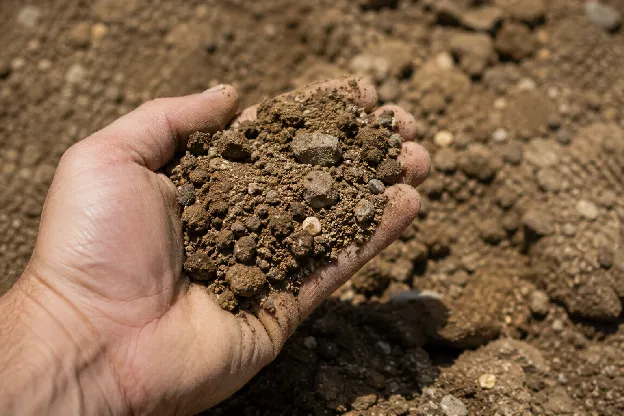
Sandy subsoil is the B horizon layer that sits beneath topsoil, characterized by larger sand particles ranging from 0.05mm to 2mm in diameter. Unlike topsoil, which contains organic matter and nutrients for plant growth, sandy subsoil serves primarily structural purposes in construction and landscaping.
The key difference lies in composition and function. While topsoil feeds plants, sandy subsoil provides drainage and stability. Fill dirt typically contains more clay and silt, making it denser but less permeable than sandy subsoil.
| Material | Organic Matter | Drainage | Best Use |
|---|---|---|---|
| Sandy Subsoil | Very Low | Excellent | Foundations, drainage |
| Topsoil | High | Moderate | Plant growth |
| Fill Dirt | Low | Poor to Moderate | Leveling, backfill |
| Fill Sand | None | Excellent | Structural backfill |

The large particle size creates spaces that allow water to move through quickly, preventing waterlogging but also meaning it dries out faster than other soil types. This makes sandy subsoil ideal for applications where drainage is critical but challenging for moisture-dependent plants.
Key properties that make sandy subsoil useful
Drainage and water movement
Sandy subsoil drains water rapidly due to large pore spaces between particles. This prevents standing water and reduces frost heave risk in cold climates. However, the fast drainage means it has low water-holding capacity, requiring irrigation for most plants.
Compaction and load-bearing capacity
When properly compacted, sandy subsoil provides good bearing capacity for foundations and roadbeds. The particles lock together under pressure, creating a stable base. Without compaction, it can shift under heavy loads, so proper preparation is essential.
Important Note: Sandy subsoil requires moisture control during compaction. Too dry and it won’t compact properly; too wet and it becomes unstable.
Workability and handling
The coarse texture makes sandy subsoil easy to excavate, move, and shape. It doesn’t stick to equipment like clay-based soils, reducing cleanup time and equipment wear. This ease of handling often translates to lower labor costs on construction projects.
Nutrient content and plant support
Sandy subsoil contains minimal organic matter and nutrients. While this limits its value for agriculture, it also means less biological activity that could affect structural stability. Plants can root through it easily, but they’ll need topsoil above for nutrition.
Best uses for sandy subsoil in construction and landscaping
Construction applications
Sandy subsoil excels in foundation work where drainage prevents water damage and frost issues. Use it for backfilling around basement walls, under concrete slabs, and as roadbed material. It also works well for utility trenches where you need easy excavation and good drainage around pipes.
For concrete work, sandy subsoil can serve as aggregate in some mixes, though engineered sand is often preferred for critical applications. Always check local building codes and engineering specifications before using it in structural concrete.
Landscaping and outdoor projects
In landscaping, sandy subsoil helps level low spots and create proper drainage slopes away from buildings. It’s excellent under patios, walkways, and driveways where you need a stable, draining base layer.

Consider sandy fill for playground areas, artificial beach features, and erosion control projects. The material provides good drainage while creating safe, workable surfaces for outdoor activities.
When to avoid or modify sandy subsoil
Don’t use sandy subsoil alone under extremely heavy point loads without engineering analysis. For agricultural use, you’ll need to amend it heavily with organic matter and use slow-release fertilizers to retain nutrients.
Avoid sandy subsoil in areas prone to wind erosion unless you plan to stabilize it with vegetation or other materials. In wet climates, consider mixing it with clay subsoil to improve water retention for landscaping applications.
Sandy subsoil costs and ordering considerations
Typical price ranges
Sandy subsoil typically costs between $15 and $40 per cubic yard for bulk deliveries, depending on quality and location. Screened, clean sandy subsoil commands higher prices than unprocessed material. Transportation adds $2 to $8 per cubic yard based on distance from the source.
Factors affecting cost
Material quality significantly impacts price. Clean fill that’s consistent and free of debris costs more than material containing varying particle sizes. Order size matters too, with bulk orders often receiving volume discounts.
Cost Tip: Calculate your needs carefully. For a 4-inch base layer, you’ll need about 1 cubic yard per 80 square feet of area.
Site accessibility affects delivery costs. Easy truck access keeps prices down, while difficult sites requiring smaller vehicles or longer carries increase the total cost. Some suppliers charge extra for spreading or grading services.
Estimating quantity needs
To calculate cubic yards needed, multiply length × width × depth (in feet), then divide by 27. For example, a 20×30 foot driveway with a 4-inch base needs: 20 × 30 × 0.33 ÷ 27 = 7.3 cubic yards.
Order 10-15% extra to account for compaction and minor variations in depth. This prevents delays if you run short during installation.
Sandy subsoil offers excellent drainage and workability for many construction and landscaping projects. Its properties make it particularly valuable for foundations, drainage applications, and areas where you need stable, free-draining material. While it requires amendments for agricultural use and proper compaction for structural applications, its ease of handling and drainage benefits often make it the right choice for your project.
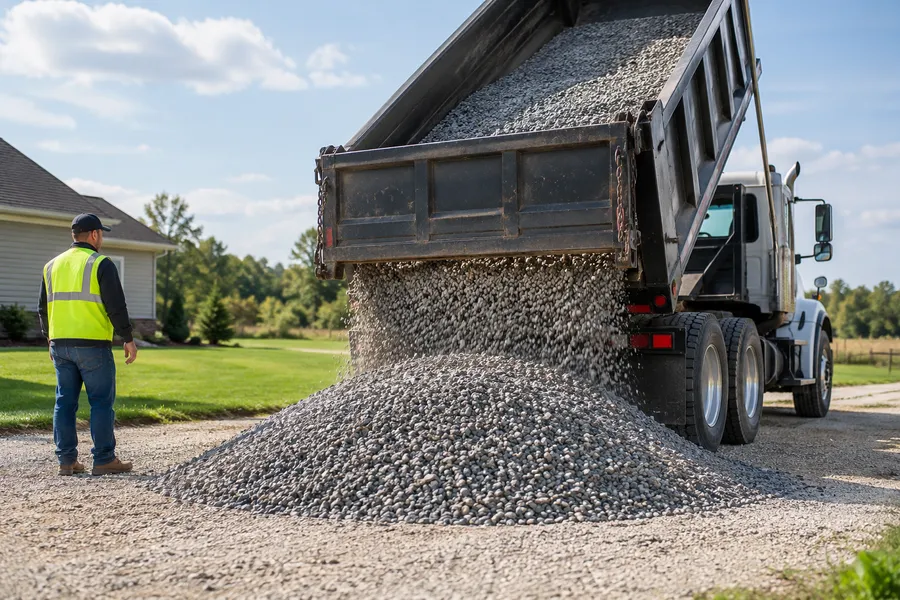
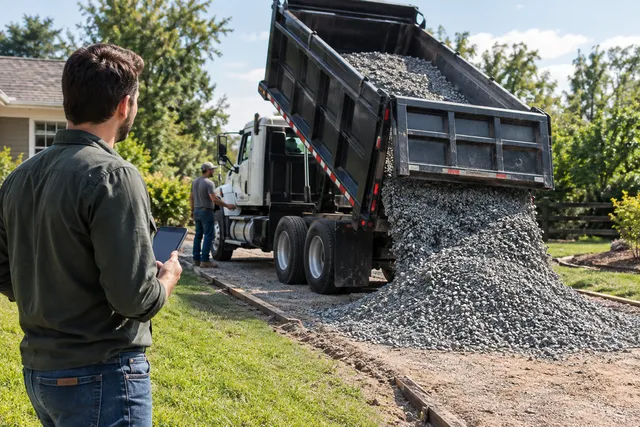
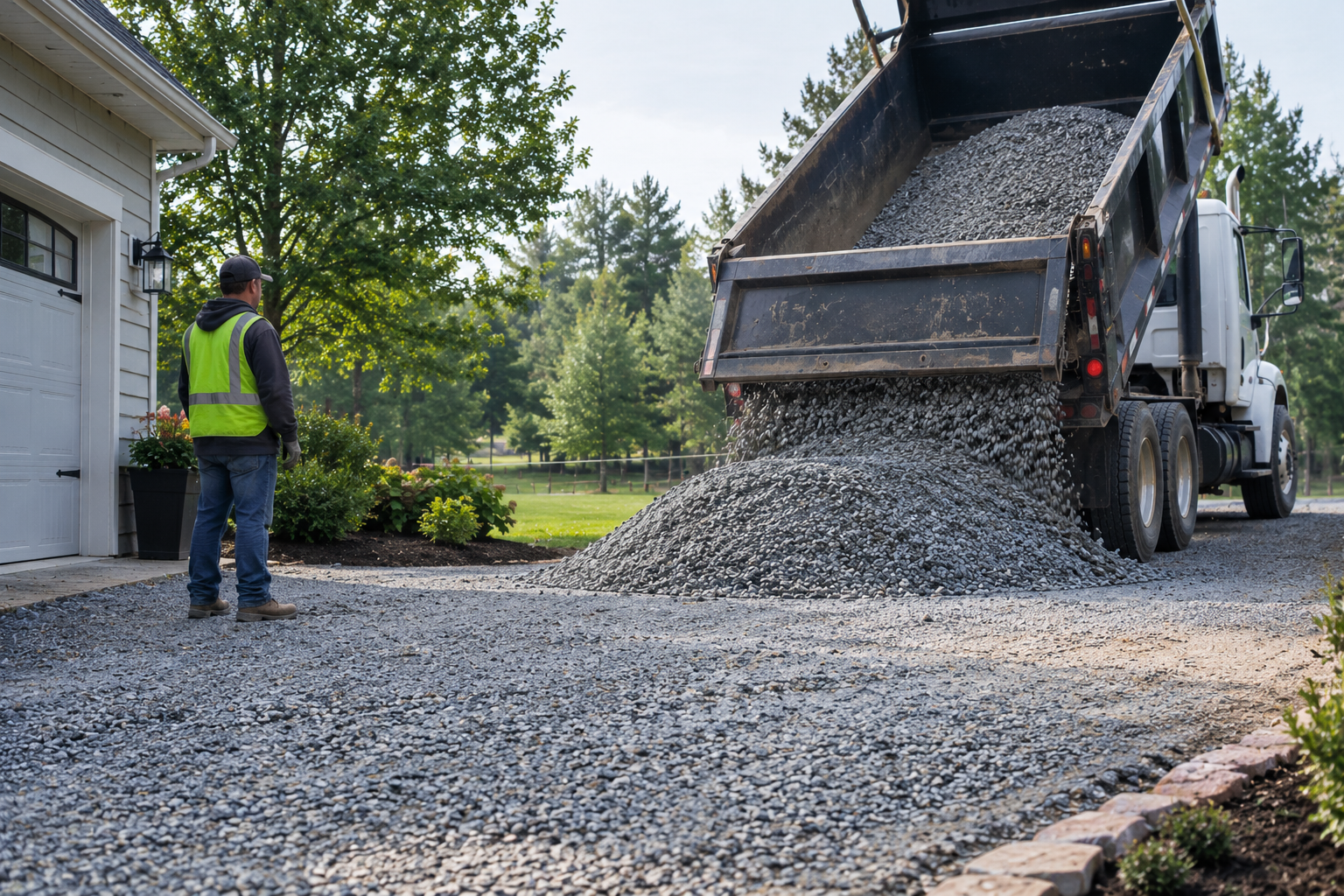
Ready to get sandy subsoil delivered to your site? Use our quick quote system to get accurate pricing based on your specific location and quantity needs. Our team can help you determine if sandy subsoil is the right material for your project and arrange convenient bulk delivery.
Frequently Asked Questions About Sandy Subsoil
What is sandy subsoil and how is it different from topsoil?
Is sandy subsoil good for construction projects?
How much does sandy subsoil cost per cubic yard?
When should I avoid using sandy subsoil?
Author: igor