
Fill Sand vs Dirt (Which Is Best for Your Project)
Free local estimate
See delivered prices for your ZIP in 60 seconds
Tell us where the project is and we'll price this material — delivered — for your exact ZIP.
- Real delivered pricing for your ZIP — not a generic range.
- Works for any quantity — driveways, pads, drains, or full projects.
- Prefer to talk? We follow up with local availability and delivery windows.
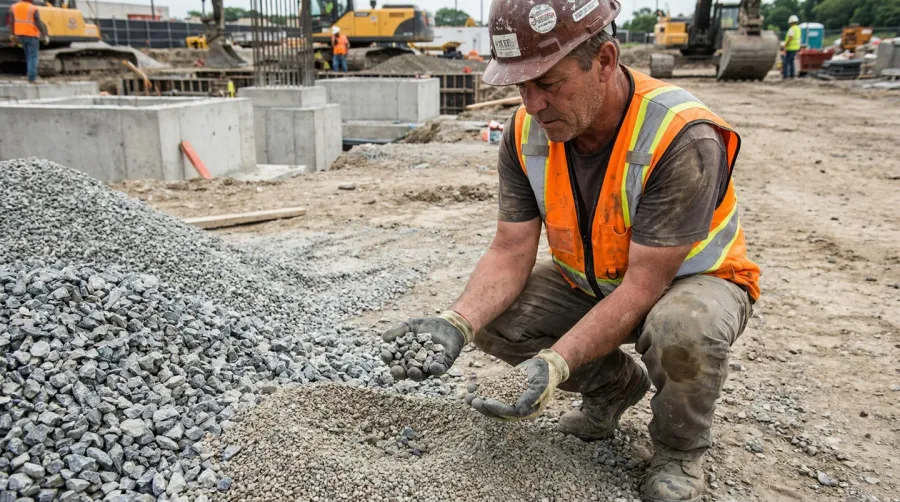
Choosing between fill dirt and fill sand can make or break your construction project. The wrong choice leads to drainage problems, structural settling, and costly repairs down the road. Here’s the simple rule: use fill dirt when you need stability and structural support, use fill sand when drainage is your priority.
Whether you’re building a driveway, installing a septic system, or leveling your yard, understanding these materials will save you time, money, and headaches. This guide covers everything from cost comparisons to project-specific recommendations, so you can make the right choice the first time.
Quick Answer: Fill dirt provides excellent compaction and stability for foundations and driveways, while fill sand offers superior drainage for septic systems and paver bases. Cost varies by region, but fill dirt is typically more affordable per cubic yard.
About Hello Gravel
Hello Gravel delivers bulk gravel, rock, dirt, and sand by the ton. Enter your ZIP code to see prices with delivery included. A local dump-truck driver places the load where access is safe; spreading is not included.
Understanding fill dirt and fill sand
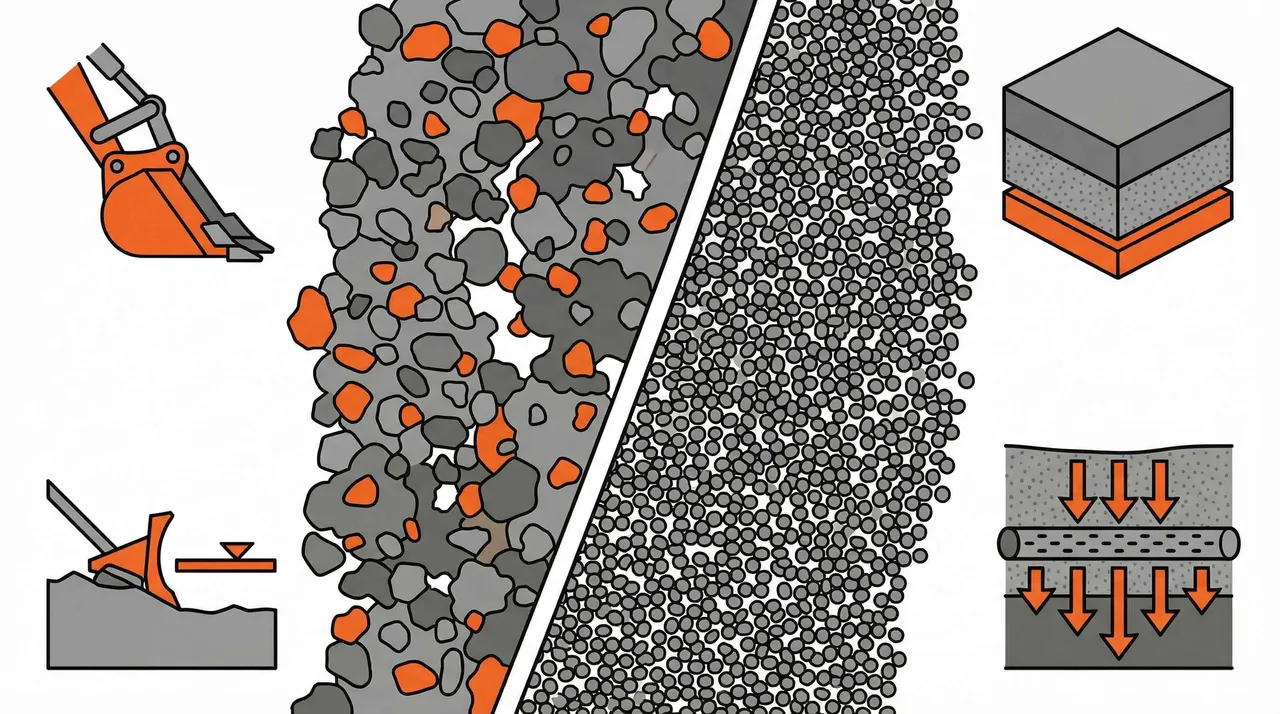
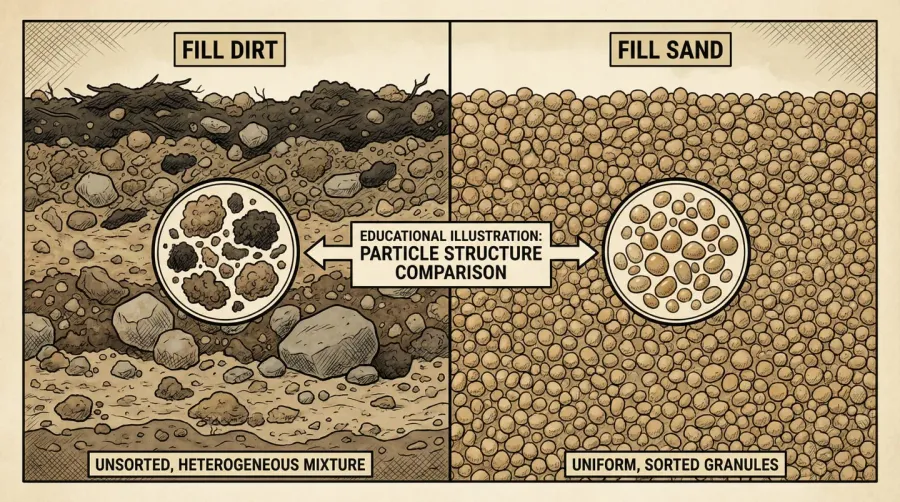
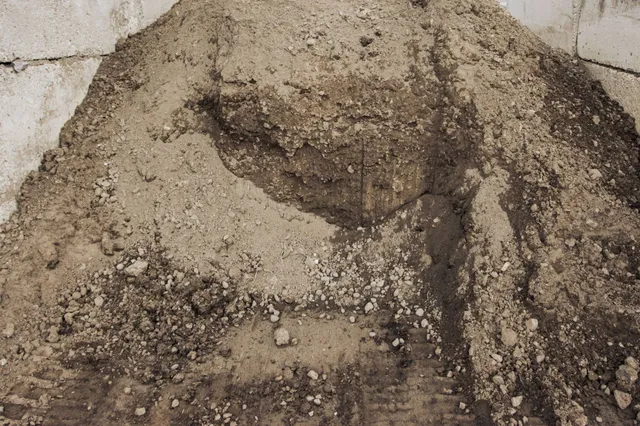
Fill dirt is excavated soil that’s been screened to remove rocks, roots, and debris. It contains a mix of clay, silt, and sand particles that pack together tightly when compacted. This makes it ideal for creating stable foundations and supporting heavy loads.
Fill sand consists of fine to medium-sized sand particles with minimal clay content. Its loose structure allows water to flow through easily, making it perfect for drainage applications. Unlike fill dirt, it doesn’t contain organic matter that could decompose and cause settling.
The key difference lies in their particle size and composition. Fill dirt’s varied particle sizes create a dense, stable base when compacted. Fill sand’s uniform particles create spaces that allow water movement but provide less structural stability.
Key differences that matter for your project
| Property | Fill Dirt | Fill Sand |
|---|---|---|
| Drainage | Poor to moderate | Excellent |
| Compaction | Excellent | Good |
| Stability | High | Moderate |
| Cost | Lower | Higher |
| Best for | Foundations, driveways | Drainage, paver bases |
Drainage capability is the biggest differentiator. Fill sand drains 10-20 times faster than fill dirt, making it essential for areas where water accumulation could cause problems. Fill dirt’s slower drainage helps prevent erosion but can create waterlogging issues if not properly planned.
Compaction behavior also varies significantly. Fill dirt compacts into a solid, stable mass that resists movement under load. Fill sand compacts well initially but can shift over time, especially under heavy traffic or freeze-thaw cycles.
Long-term stability favors fill dirt for structural applications. Its particle variety creates mechanical bonds that resist settling. Fill sand’s uniform particles can migrate and settle, particularly when exposed to vibration or water flow.
Pro Tip: Never use fill sand directly against house foundations. Its drainage properties can channel water toward your basement or crawl space, creating moisture problems.
When to choose fill dirt
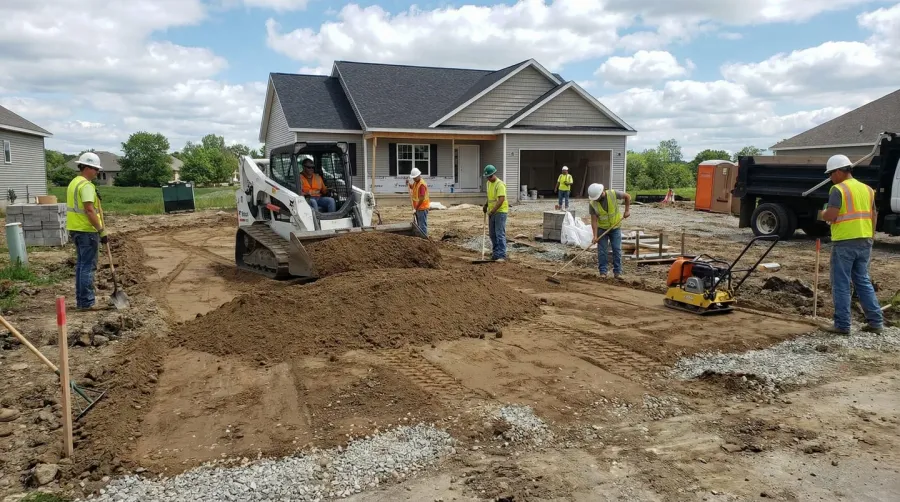
Fill dirt excels in situations where you need maximum stability and load-bearing capacity. It’s your go-to material for building pads and foundations where settling could cause structural damage. The mixed particle sizes lock together under compaction, creating a solid base that won’t shift over time.
Driveway construction benefits from fill dirt’s compaction properties. It handles vehicle traffic without developing ruts or soft spots. The material’s resistance to erosion also prevents washouts during heavy rains. For comparison, you might also consider fill dirt vs gravel for different driveway applications.
For yard grading and leveling, fill dirt provides a stable surface that supports foot traffic and landscaping. It holds its shape better than sand, reducing the need for frequent re-grading. You can also establish grass and plants more easily on fill dirt’s nutrient-retaining surface. If you’re working on landscaping projects, understanding the difference between fill dirt vs loam can help you choose the right material for plant growth.
Retaining walls and embankments require fill dirt’s erosion resistance. Its cohesive properties prevent washouts that could undermine structural integrity. The material’s weight also provides better resistance against lateral pressure.
When to choose fill sand
Fill sand shines in applications where drainage is critical. Septic system installation requires sand’s ability to filter and disperse wastewater without creating soggy conditions. The material’s porosity allows proper percolation while preventing system backups.
French drains and drainage trenches depend on sand’s water-moving capabilities. It channels water away from problem areas without clogging like finer materials might. This prevents basement flooding and foundation damage.
For paver and patio bases, fill sand provides the drainage needed to prevent frost heave while offering enough stability for pedestrian traffic. It allows water to escape rather than freezing and expanding under your hardscape. Sandy fill is specifically designed for these types of applications.
Pool and spa installations often require sand for proper drainage around equipment and to prevent water accumulation that could cause structural problems. The material’s ability to shed water quickly prevents long-term moisture issues.
Cost Reality Check: While fill sand typically costs 20-40% more than fill dirt per cubic yard, using the wrong material can cost thousands in repairs. Choose based on your project’s specific needs, not just price.
Making the right choice for your project
Start by asking yourself three key questions. Will this area support structures or heavy loads? If yes, lean toward fill dirt for its superior stability. Does water need to drain away quickly? Choose fill sand for areas prone to standing water or where drainage is required by code.
What’s your long-term plan for the area? Fill dirt works better for permanent installations where you don’t want settling or shifting. Fill sand suits temporary applications or areas where some movement is acceptable.
Consider your local climate too. Areas with freeze-thaw cycles benefit from fill sand’s drainage properties, which prevent ice formation that can cause heaving. Regions with heavy rainfall might need fill dirt’s erosion resistance for slope stability. Understanding sandy soils can help you make informed decisions about drainage in your area.
Don’t forget about access and delivery costs. Fill sand is often harder to source locally, potentially increasing transportation expenses. Factor these costs into your material decision, especially for large projects.
Budget considerations extend beyond material costs. Fill dirt typically requires less maintenance over time due to its stability. Fill sand might need periodic releveling or replacement in high-traffic areas. Calculate total project costs, not just initial material expenses. For projects requiring premium materials, consider select fill as an alternative option.
The bottom line is simple: match your material choice to your project’s primary function. Structural support calls for fill dirt, drainage requirements call for fill sand. When in doubt, consult with local contractors who understand your area’s soil conditions and building requirements. Getting expert advice upfront prevents costly mistakes that could haunt your project for years to come.
FAQ
What is the main difference between fill dirt and fill sand?
Fill dirt is a dense, compactable soil mixture containing clay, silt, and sand particles that provides excellent stability and load-bearing capacity. Fill sand consists of uniform sand particles with excellent drainage properties but less structural stability. Use fill dirt when you need a stable foundation or base, and choose fill sand when drainage is your primary concern.
Can I use fill sand instead of fill dirt for my driveway?
Fill sand alone is not recommended for driveways as it lacks the stability needed to support vehicle traffic without shifting or developing ruts. Fill dirt provides better compaction and load-bearing capacity for driveways. However, you can use a combination approach with compacted fill dirt as the base and a thin layer of sand for final leveling if needed.
Which material is better around house foundations?
Fill dirt is the better choice around house foundations. Its compaction properties provide stable support, and its slower drainage helps prevent erosion. Never use fill sand directly against foundations as its excellent drainage can actually channel water toward your basement or crawl space, creating moisture problems and potential foundation damage.
Is fill dirt or fill sand more expensive?
Fill dirt is typically 20-40% less expensive than fill sand per cubic yard, making it more budget-friendly for large projects. However, the total project cost should include long-term considerations – fill dirt requires less maintenance over time due to its stability, while fill sand may need periodic releveling or replacement in high-traffic areas.
Materials for this project
Get it delivered — dumped where you need it
Fill Dirt
Grading & Backfill
See delivered price
View product
Topsoil
Lawn establishment & Garden beds
See delivered price
View product
Driveway Gravel
Driveways & Parking areas
See delivered price
View product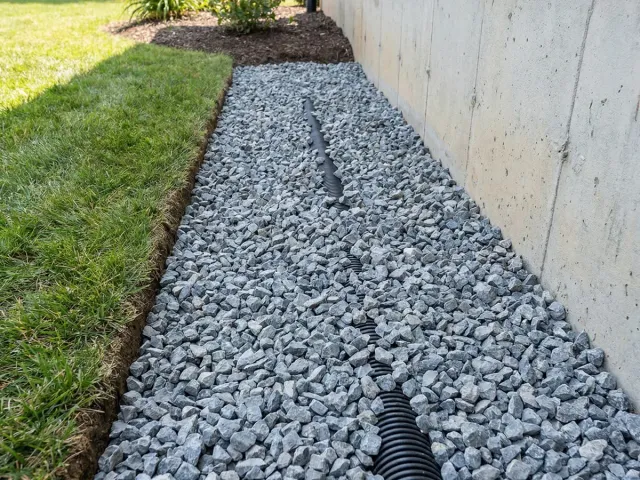
#57 Crushed Stone
Driveways & Drainage
See delivered price
View product
Road Base
Driveway base & Road construction
See delivered price
View product