
Fill Dirt vs Select Fill: Which Material Is Right for Your Project
Free local estimate
See delivered prices for your ZIP in 60 seconds
Tell us where the project is and we'll price this material — delivered — for your exact ZIP.
- Real delivered pricing for your ZIP — not a generic range.
- Works for any quantity — driveways, pads, drains, or full projects.
- Prefer to talk? We follow up with local availability and delivery windows.
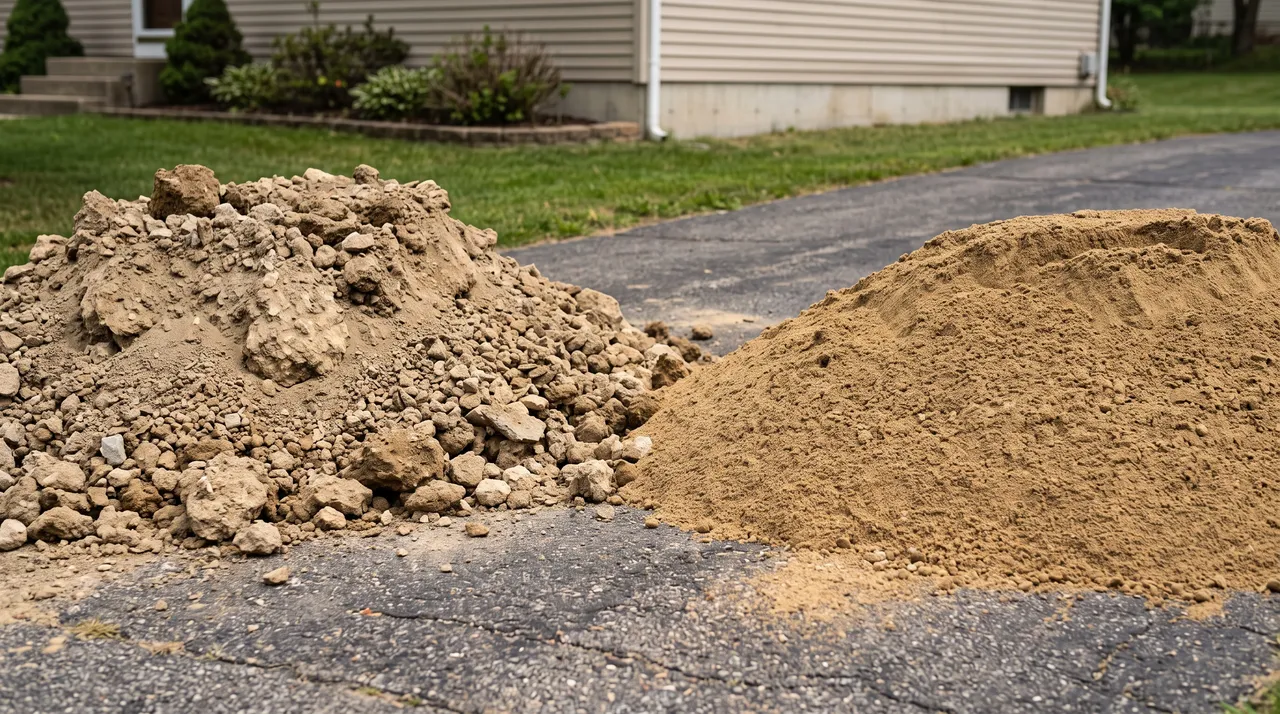
Choosing between fill dirt and select fill can make or break your construction project. While both materials serve as foundation elements, they have distinct characteristics that affect stability, drainage, and long-term performance. Fill dirt offers a cost-effective solution for basic grading and leveling, while select fill provides superior engineering properties for demanding applications.
Key insight: Select fill typically costs 20-40% more than standard fill dirt but offers better compaction and drainage properties, making it essential for critical structural applications.
Understanding these differences helps you avoid costly mistakes like foundation settling, poor drainage, or project delays. Whether you’re building a driveway, preparing a building pad, or working on a large-scale development, selecting the right fill material ensures your project stands the test of time.
About Hello Gravel
Hello Gravel delivers bulk gravel, rock, dirt, and sand by the ton. Enter your ZIP code to see prices with delivery included. A local dump-truck driver places the load where access is safe; spreading is not included.
What is fill dirt and when should you use it
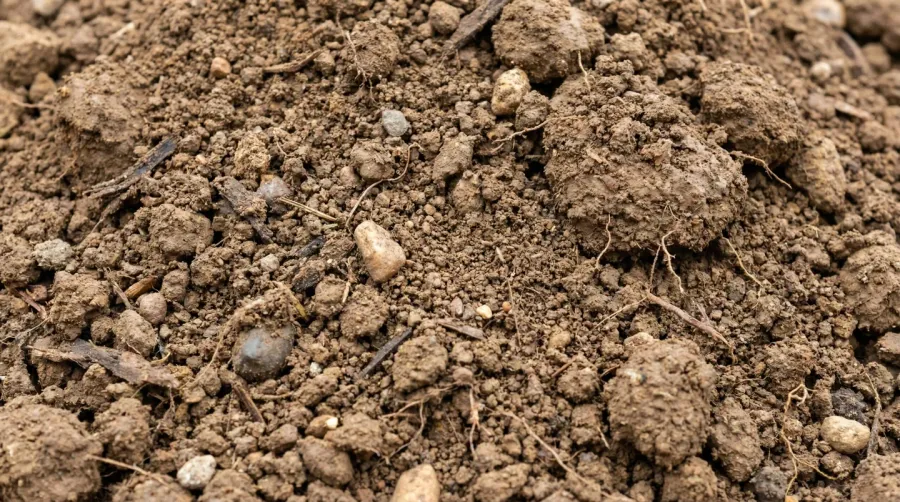
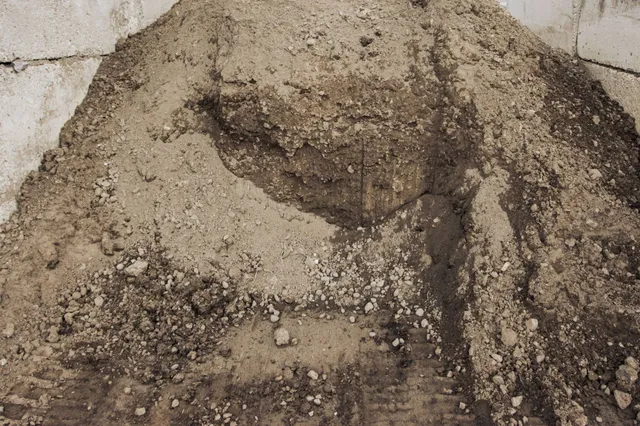
Fill dirt consists of subsoil layers containing clay, silt, and sand with minimal organic matter. This composition makes it naturally stable and resistant to settling over time. You’ll find fill dirt sourced from construction excavations, utility installations, and land development projects.
The lack of organic materials means fill dirt won’t decompose and cause unwanted settlement. This stability makes it perfect for raising ground levels, filling depressions, and creating stable foundations for structures. Most fill dirt contains 15-25% clay content, which helps with compaction but can affect drainage.
Common applications include building pads, road embankments, and landscape grading. You’ll also see fill dirt used for backfilling around foundations and creating level surfaces for concrete slabs. However, its high clay content can create drainage issues if not properly managed, especially in areas with heavy rainfall.
Understanding select fill and its advantages
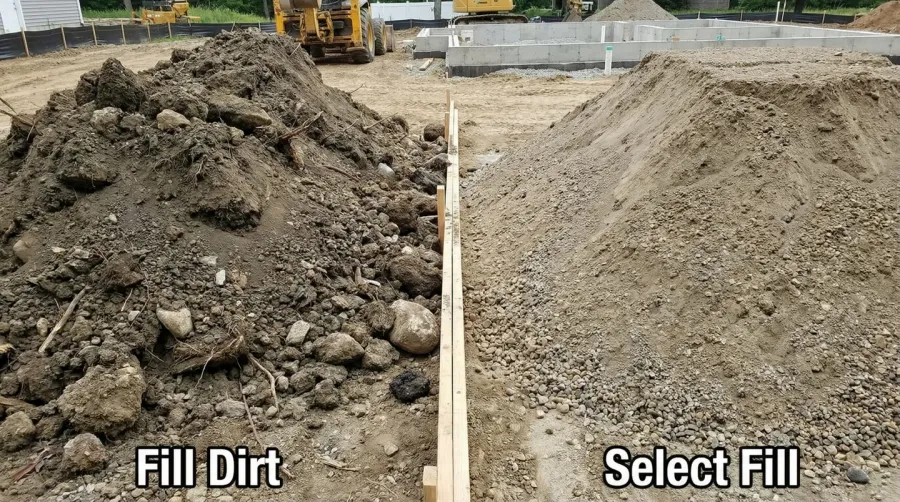
Select fill represents a higher grade of fill material that meets specific engineering standards for particle size, plasticity, and compaction characteristics. Unlike regular fill dirt, select fill undergoes testing to ensure it meets project specifications for stability and performance.
The composition typically includes a balanced mix of sand and clay, often with a plasticity index between 10-20. This engineered balance provides excellent compaction properties while maintaining adequate drainage. Select fill also contains minimal organic matter and passes through specific sieve sizes to ensure consistency.
Performance advantage: Select fill achieves 95-98% compaction rates compared to 85-90% for standard fill dirt, providing superior load-bearing capacity for critical applications.
You’ll encounter select fill requirements on highway projects, commercial foundations, and any application where soil performance is critical. The material costs more upfront but reduces the risk of settlement and provides predictable engineering properties. Many municipalities require select fill for public works projects due to its reliable performance characteristics.
Comparing costs and performance factors
The price difference between fill dirt and select fill reflects their different quality standards and applications. Fill dirt typically costs $8-15 per cubic yard, while select fill ranges from $12-25 per cubic yard depending on your location and project specifications.
| Factor | Fill Dirt | Select Fill |
|---|---|---|
| Cost per yard | $8-15 | $12-25 |
| Compaction rate | 85-90% | 95-98% |
| Drainage | Variable | Controlled |
| Best use | Basic grading | Critical structures |
Performance differences become apparent in long-term stability and maintenance requirements. Select fill’s superior compaction reduces future settling, potentially saving thousands in repair costs. The controlled composition also provides predictable drainage characteristics, reducing the risk of water-related foundation issues.
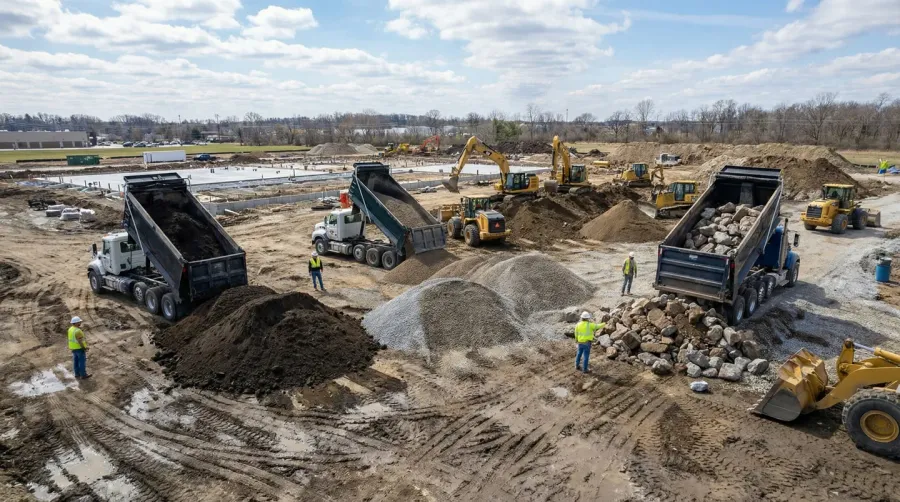
Consider your project timeline when evaluating costs. Select fill often requires less rework and provides faster project completion due to its consistent properties. While the initial investment is higher, the reduced risk of callbacks and warranty issues often justifies the additional expense for commercial projects.
Making the right choice for your project
Your project requirements should drive the material selection process. Choose fill dirt for basic landscaping, non-structural fills, and projects where drainage isn’t critical. This includes residential grading, garden bed preparation, and filling low areas in your yard.
Select fill becomes necessary when structural integrity matters. Use it for building foundations, roadway construction, and any application where settlement could cause problems. The engineered properties provide peace of mind for critical applications where failure isn’t an option.
Decision guide: If your project involves structures, utilities, or requires permits, select fill is usually the safer choice despite higher upfront costs.
Consider local soil conditions and climate factors in your decision. Areas with expansive clay soils or high water tables often benefit from select fill’s controlled drainage properties. When comparing different materials, you might also want to understand how fill dirt compares to gravel or sandy loam for your specific application. Consult with local engineers or experienced contractors who understand regional soil challenges and can recommend the appropriate material for your specific situation.
Working with reputable suppliers ensures you receive quality materials that meet your project specifications. Always request material certifications and testing data, especially for select fill applications where performance standards are critical to project success.
FAQ
What is the main difference between fill dirt and select fill?
The main difference is that fill dirt is a general-purpose subsoil with variable composition, while select fill is an engineered material that meets specific standards for plasticity index, compaction, and particle size. Select fill provides more predictable performance and is required for structural applications like foundations and concrete slabs.
When should I use select fill instead of regular fill dirt?
Use select fill for load-bearing structures such as building foundations, concrete slabs, driveways, retaining walls, and highway construction. Choose regular fill dirt for basic landscaping, filling low areas, and non-structural grading where slight settlement is acceptable.
Is select fill worth the extra cost?
Yes, for critical applications. While select fill costs 20-40% more than standard fill dirt, it provides superior compaction rates (95-98% vs 85-90%) and reduces the risk of foundation settling, cracking, and costly repairs. The higher upfront investment often pays for itself through improved long-term performance.
Can I plant grass or trees in fill dirt or select fill?
Neither fill dirt nor select fill is suitable for planting because they lack organic matter and nutrients needed for healthy plant growth. Both materials are too compacted for proper root development. You’ll need to add a layer of topsoil or compost over the fill material for successful landscaping.
Materials for this project
Get it delivered — dumped where you need it
Fill Dirt
Grading & Backfill
See delivered price
View product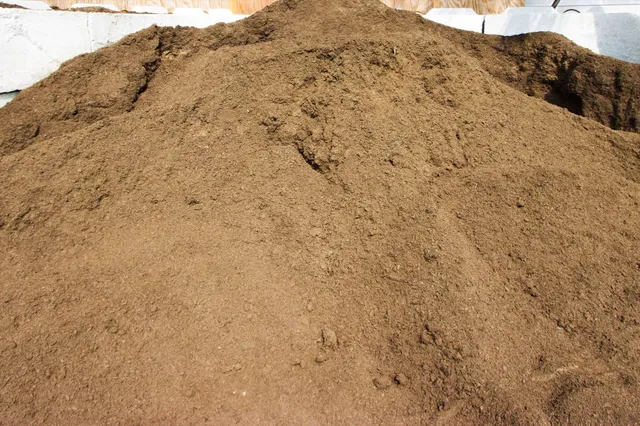
Topsoil
Lawn establishment & Garden beds
See delivered price
View product
Driveway Gravel
Driveways & Parking areas
See delivered price
View product
#57 Crushed Stone
Driveways & Drainage
See delivered price
View product
Road Base
Driveway base & Road construction
See delivered price
View product