
Fill Soil vs Backfill Soil (Key Differences)
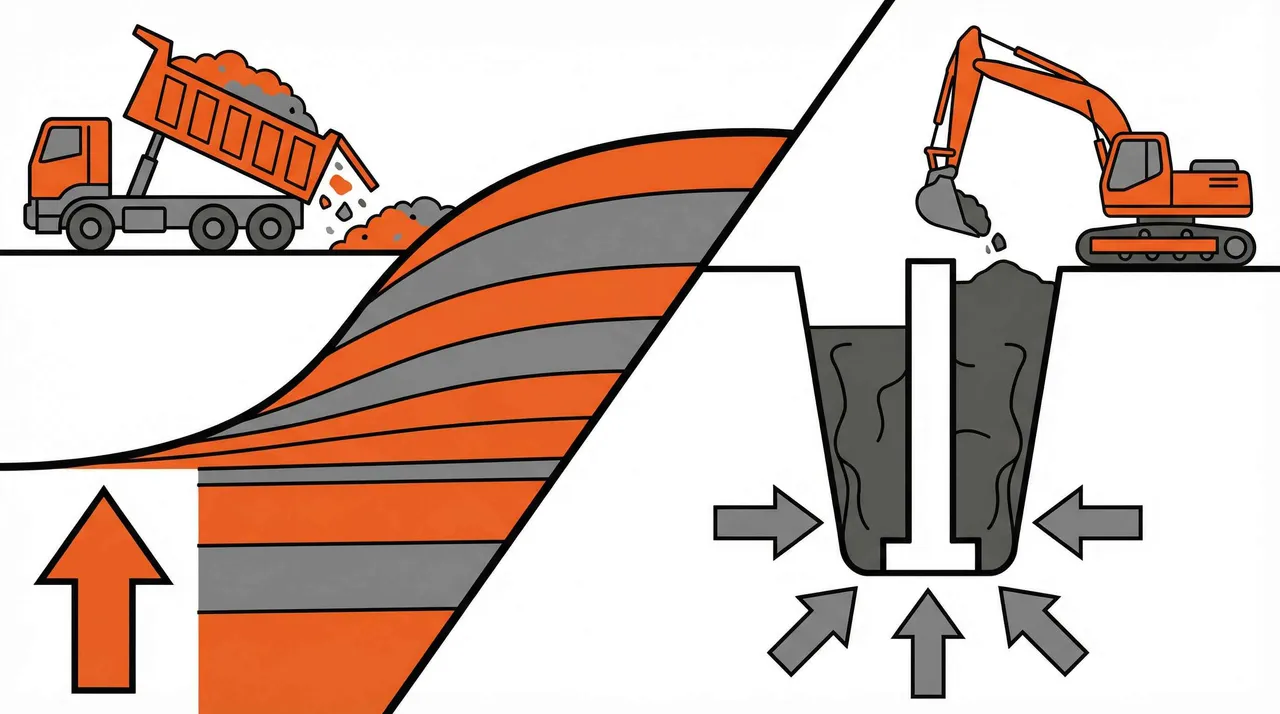
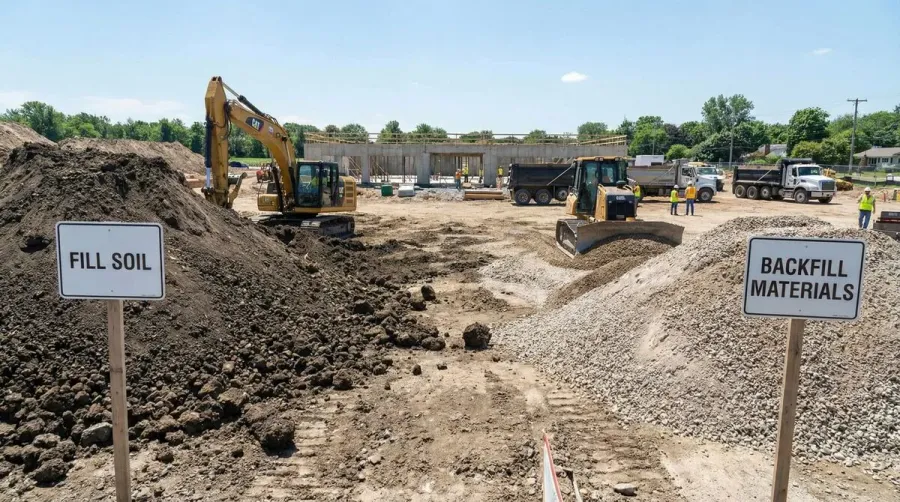
Choosing between fill soil and backfill can make or break your construction project. While these materials might look similar, they serve completely different purposes and have distinct engineering requirements. Fill soil is primarily used to raise ground levels and create stable foundations, while backfill replaces excavated material around structures to provide support and drainage.
Quick Answer: Fill soil builds up areas and creates elevation changes, while backfill fills spaces around foundations and utilities after excavation. The choice depends on whether you’re adding material to raise ground level or replacing material that was removed.
Understanding these differences helps you avoid costly mistakes like foundation settling, poor drainage, or structural instability. Let’s explore what makes each material unique and when to use them.
About Hello Gravel
Hello Gravel delivers bulk gravel, rock, dirt, and sand by the ton. Enter your ZIP code to see prices with delivery included. A local dump-truck driver places the load where access is safe; spreading is not included.
What is fill soil and how does it work
Fill soil is the material you use when you need to raise the elevation of your property or fill in low-lying areas. Think of it as the foundation layer that transforms uneven terrain into a stable, level surface for construction or landscaping.
The composition of fill soil varies based on your project needs. Most fill soil contains a mix of sand, clay, and silt, with the proportions determining its drainage and stability characteristics. Sandy fill drains quickly but may lack cohesion, while clay-heavy fill provides excellent stability but can retain water.
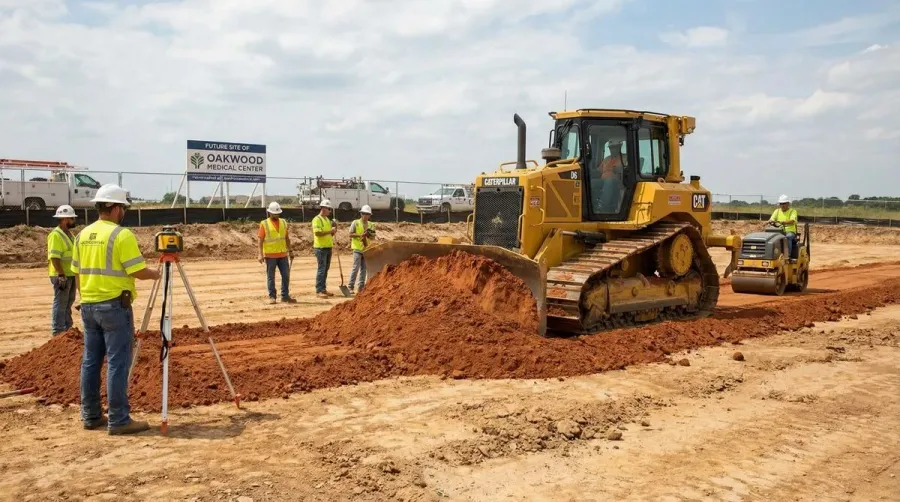
You’ll commonly encounter fill soil in projects like creating building pads, leveling yards for landscaping, or raising areas prone to flooding. The key is selecting fill soil with the right balance of drainage and compaction properties for your specific application.
Pro Tip: Always test fill soil for contamination and organic content before use. Organic materials decompose over time, leading to settling and potential structural issues.
Understanding backfill and its engineering requirements
Backfill serves a completely different purpose than fill soil. When you excavate for foundations, utilities, or trenches, backfill is the material that goes back into those spaces to support the newly installed structures.
The engineering specifications for backfill are typically more stringent than fill soil. Backfill must provide adequate support for structures, promote proper drainage around foundations, and prevent settling that could damage pipes or compromise structural integrity. This often means using materials with specific gradation, compaction requirements, and permeability characteristics.
Common backfill materials include clean sand, gravel, or engineered mixes designed to meet specific load-bearing and drainage requirements. The choice depends on factors like soil conditions, structure type, and local building codes.
Key differences between fill soil and backfill
The primary distinction lies in their intended use and performance requirements. Fill soil focuses on creating elevation and providing a stable base for future construction, while backfill supports existing structures and ensures proper drainage.
Material quality requirements also differ significantly. Backfill typically requires higher-grade materials that meet specific engineering standards for compaction, drainage, and load-bearing capacity. Fill soil, while still important, may have more flexible specifications depending on the application.
| Aspect | Fill Soil | Backfill |
|---|---|---|
| Primary Use | Raise elevation, level areas | Support structures, replace excavated material |
| Quality Requirements | Moderate to high | High, engineered specifications |
| Typical Materials | Sand, clay, silt mix | Clean sand, gravel, engineered aggregate |
| Cost | Generally lower | Higher due to specifications |
Timing also plays a role in the distinction. You typically place fill soil before construction begins, while backfill goes in after structures are installed. This sequence affects material selection and placement techniques.
Choosing the right material for your project
Your project type determines which material you need. If you’re grading a lot before building, creating landscape features, or filling in depressions, fill soil is your go-to choice. For foundation work, utility installation, or any situation where you’re replacing excavated material around structures, backfill is essential.
Consider the long-term performance requirements of your project. Areas that will support heavy loads, experience water exposure, or require precise drainage need the higher specifications that quality backfill provides. Less critical applications may work fine with appropriate fill soil.
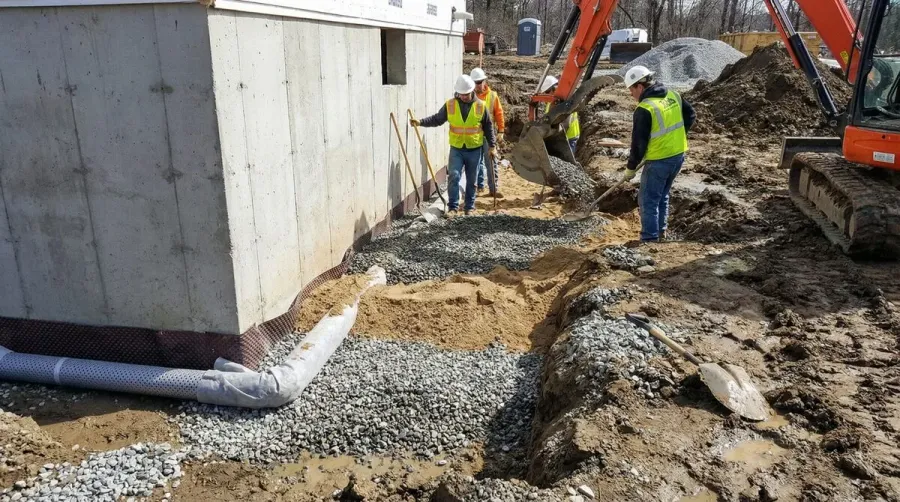
Budget considerations matter too, but don’t compromise on material quality where structural integrity is at stake. The cost difference between fill soil and proper backfill is minimal compared to potential repair costs from using the wrong material.
Important: Always consult local building codes and consider hiring a geotechnical engineer for critical applications. Soil conditions vary significantly, and professional guidance ensures you select materials that will perform reliably over time.
When sourcing materials, work with reputable suppliers who understand soil types and can provide documentation of material properties. Quality suppliers will help you match material specifications to your project requirements, ensuring optimal performance and compliance with local standards.
The success of your construction or landscaping project often depends on these foundational decisions. By understanding the distinct roles of fill soil and backfill, you can make informed choices that provide long-lasting stability and performance for your investment.
FAQ
What is the main difference between fill soil and backfill?
Fill soil is used to raise ground elevation and level areas before construction begins, while backfill replaces excavated material around foundations and structures after they’re installed. Fill soil focuses on creating stable bases and elevation changes, whereas backfill provides structural support and proper drainage around existing installations.
What materials are typically used for backfill?
Common backfill materials include clean sand, gravel, engineered aggregate mixes, and sometimes the original excavated soil if it meets specifications. The material must provide adequate drainage, compaction properties, and load-bearing capacity. Backfill typically requires higher-grade materials that meet specific engineering standards compared to general fill soil.
When should I use fill soil versus backfill for my project?
Use fill soil when you need to grade a lot before building, create landscape features, fill depressions, or raise ground levels. Choose backfill for foundation work, utility installation, or any situation where you’re replacing material around structures that were excavated. The timing matters: fill soil goes in before construction, backfill after structures are installed.
Why are the quality requirements different for fill soil and backfill?
Backfill has stricter quality requirements because it must support existing structures, ensure proper drainage around foundations, and prevent settling that could damage pipes or compromise structural integrity. Fill soil, while still important for stability, typically has more flexible specifications since it’s primarily used for elevation changes and base preparation rather than direct structural support.
Materials for this project
Get it delivered — dumped where you need it
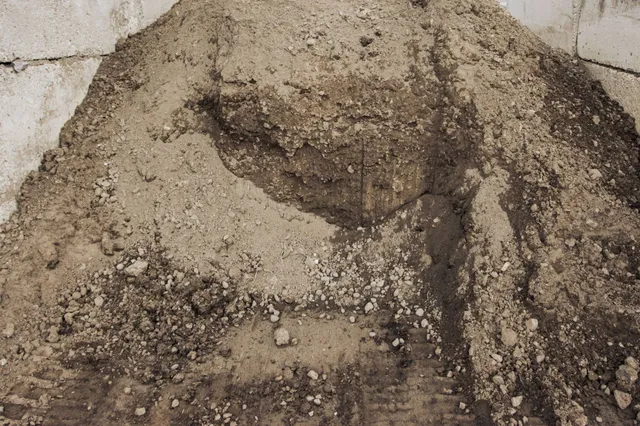
Fill Dirt
Grading & Backfill
See delivered price
View product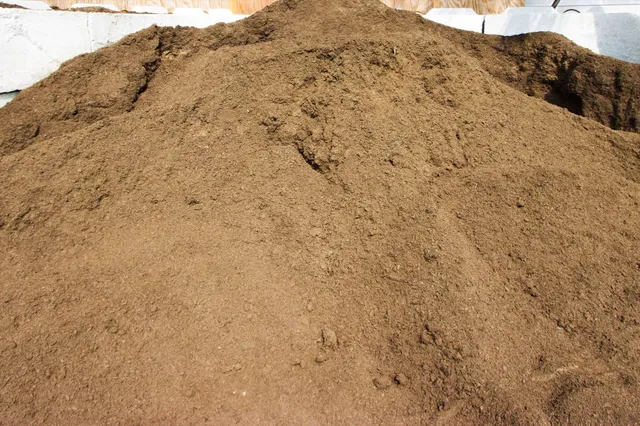
Topsoil
Lawn establishment & Garden beds
See delivered price
View product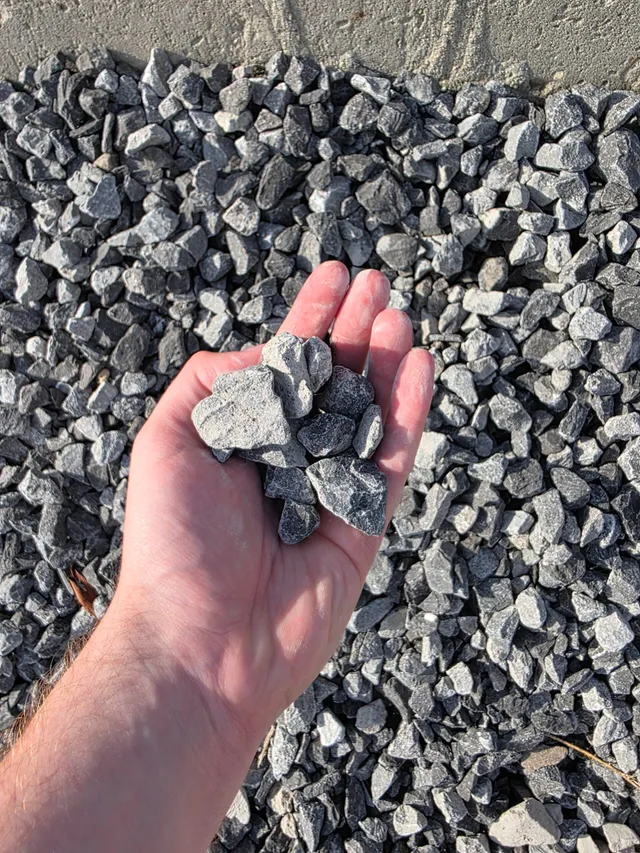
Driveway Gravel
Driveways & Parking areas
See delivered price
View product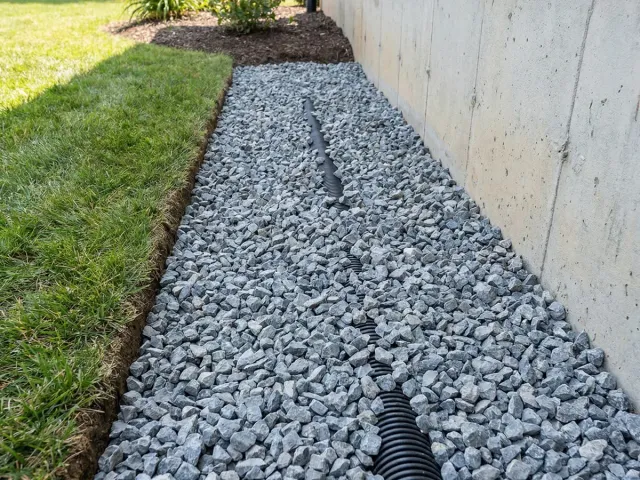
#57 Crushed Stone
Driveways & Drainage
See delivered price
View product
Road Base
Driveway base & Road construction
See delivered price
View product