
Clay Loam Soil (Properties, Uses, and Cost)
Free local estimate
See delivered prices for your ZIP in 60 seconds
Tell us where the project is and we'll price this material — delivered — for your exact ZIP.
- Real delivered pricing for your ZIP — not a generic range.
- Works for any quantity — driveways, pads, drains, or full projects.
- Prefer to talk? We follow up with local availability and delivery windows.
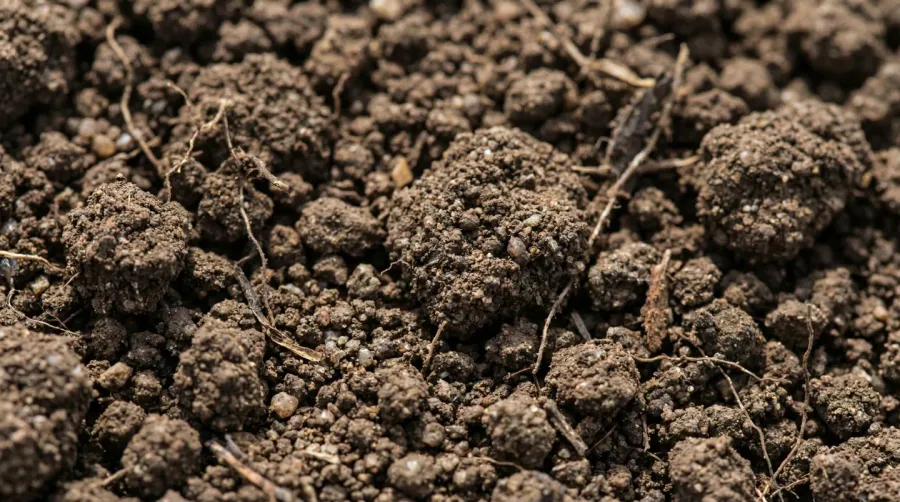
If you’re dealing with heavy, sticky soil that cracks when dry or wondering whether your garden soil is suitable for planting, you might be working with clay loam. Clay loam is a balanced soil type that contains roughly equal parts sand, silt, and clay, with clay being the dominant influence on its behavior. This makes it heavier and more water-retentive than regular loam but generally more workable than pure clay.
Understanding your soil type matters because it affects everything from drainage and plant health to construction decisions and material costs. You’ll learn how to identify clay loam, understand its key properties, discover its best uses, and get practical tips for improvement and purchasing.
Quick Answer: Clay loam contains 20-40% clay particles mixed with sand and silt, making it nutrient-rich and moisture-retentive while remaining more workable than heavy clay soils.
About Hello Gravel
Hello Gravel delivers bulk gravel, rock, dirt, and sand by the ton. Enter your ZIP code to see prices with delivery included. A local dump-truck driver places the load where access is safe; spreading is not included.
What is clay loam soil
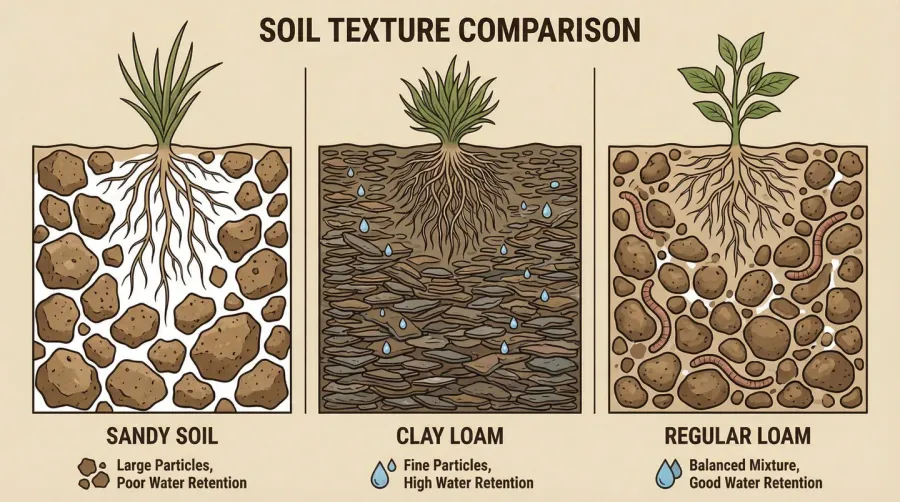
Clay loam sits in the middle ground between regular loam and heavy clay soil. Regular loam contains balanced proportions of sand, silt, and clay (typically around 40% sand, 40% silt, and 20% clay), creating an ideal growing medium that drains well while holding nutrients. Clay loam shifts this balance by containing 20-40% clay particles, depending on the classification system used.
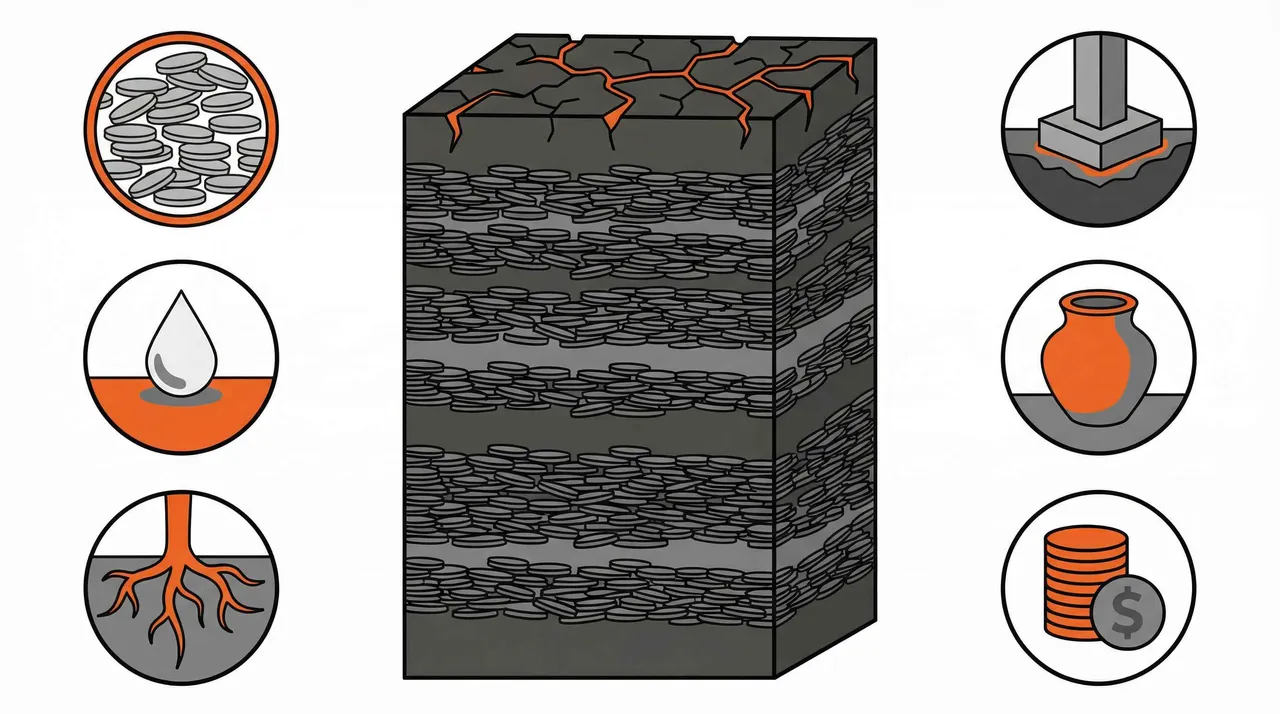
The higher clay content gives clay loam its distinctive characteristics. Clay particles are the smallest soil particles at less than 0.002mm in diameter, and their flat, plate-like structure creates a large surface area that holds water and nutrients effectively. This is why clay loam feels slightly sticky when wet and can be rolled into small balls or ribbons between your fingers.
Unlike pure clay soil, which can become waterlogged and extremely difficult to work with, clay loam maintains enough sand and silt content to provide reasonable drainage and workability. This balance makes it valuable for both agricultural and landscaping applications where you need soil that holds moisture and nutrients without becoming completely unmanageable.
Key characteristics of clay loam soil
The physical properties of clay loam create both advantages and challenges for gardeners and contractors. When you squeeze moist clay loam in your hand, it feels slightly sticky and holds together well, but it won’t form the tight, plastic-like ribbons that high clay content soil produces. This texture comes from the clay particles binding with sand and silt to create a more stable structure.
Water behavior in clay loam is generally favorable. The soil holds moisture longer than sandy soils, reducing irrigation needs during dry periods. However, drainage can become problematic if the soil becomes compacted or if you’re in an area with poor natural drainage. Clay loam tends to warm up more slowly in spring compared to sandy soils, which can delay planting schedules.
The chemical properties make clay loam particularly valuable for plant growth. Clay particles carry a negative electrical charge that attracts and holds positively charged nutrients like potassium, calcium, and magnesium. This high cation exchange capacity means fertilizers and organic nutrients stay available to plants longer instead of washing away with the first heavy rain.
Important Note: Clay loam can become severely compacted if worked when wet, leading to poor drainage and root problems that can take years to correct.
Clay loam typically maintains a neutral to slightly alkaline pH, though this varies by region and parent material. The soil’s ability to buffer pH changes makes it more stable for plant growth, but you should still test your specific soil since local conditions can vary significantly.
How to identify and work with clay loam
You can identify clay loam through simple field tests that don’t require special equipment. Start with the squeeze test by taking a handful of moist soil and squeezing it in your palm. Clay loam will hold together and feel slightly sticky, but it won’t form the long, continuous ribbons that pure clay creates. If you can roll it into a short sausage shape that holds together but breaks when you try to bend it into a circle, you’re likely dealing with clay loam.
The jar test provides more precise identification. Fill a clear jar one-third full with soil, add water until it’s nearly full, shake vigorously, and let it settle for 24 hours. Clay loam will show distinct layers with sand at the bottom, silt in the middle, and clay on top, with the clay layer making up roughly 20-40% of the total volume.
Working with clay loam requires timing and technique. Never work the soil when it’s wet enough to stick to your tools or form clumps when squeezed. This can create compaction that destroys soil structure and leads to drainage problems. Instead, wait until the soil crumbles easily in your hand and doesn’t leave mud on your tools.
Adding organic matter like compost, aged manure, or leaf mold improves clay loam’s structure and drainage. Work these amendments in during fall or early spring when soil moisture levels are appropriate. Avoid walking on clay loam beds when possible, and consider using raised beds or permanent pathways to prevent compaction in high-traffic areas.
Best uses and applications for clay loam
Clay loam excels in agricultural and gardening applications where you need soil that balances water retention with nutrient availability. Most vegetable crops thrive in well-managed clay loam because it provides steady moisture and nutrients throughout the growing season. Root vegetables like carrots and potatoes may struggle in heavy clay loam, but leafy greens, brassicas, and most fruit trees perform exceptionally well.
For lawn establishment, clay loam can work well if drainage is adequate and the soil isn’t compacted. The moisture retention helps grass survive dry periods, but you’ll need to ensure proper grading and possibly add drainage amendments in areas prone to standing water. Many landscaping professionals prefer clay loam for tree and shrub planting because it provides stable root support and consistent moisture.
| Soil Type | Drainage | Nutrients | Workability | Best Uses |
|---|---|---|---|---|
| Clay Loam | Moderate | High | Good when dry | Vegetables, trees, lawns |
| [Sandy Soil](/guides/sandy-soil-definition-characteristics-uses-cost-guide/) | Excellent | Low | Easy | Herbs, Mediterranean plants |
| Heavy Clay | Poor | High | Difficult | Specialized crops with drainage |
| Regular Loam | Good | Moderate | Excellent | Most garden plants |
In construction and landscaping projects, clay loam serves well as topsoil for planting areas and can work for grading if properly managed. However, the clay content means it may not be suitable for areas requiring rapid drainage or where freeze-thaw cycles could cause heaving. Engineers often specify clay content limits for foundation backfill and road construction because of these expansion and contraction characteristics.
Pro Tip: Clay loam works best for most gardens when mixed with 2-3 inches of compost annually to maintain good structure and prevent compaction over time.
Cost considerations and buying guide
Clay loam typically costs between $25-60 per cubic yard for bulk delivery, with prices varying significantly based on your location, the supplier’s processing methods, and delivery distance. Screened and amended clay loam costs more than raw material, but the investment often pays off in better plant performance and easier handling.
Several factors influence the final cost of your clay loam purchase. Processing level affects price significantly – basic clay loam that’s been screened to remove rocks and debris costs less than premium blended soils that include compost or other organic amendments. Order size matters too, with bulk deliveries offering better per-yard pricing than bagged materials, though you’ll pay delivery fees that can add $50-150 to your total cost.
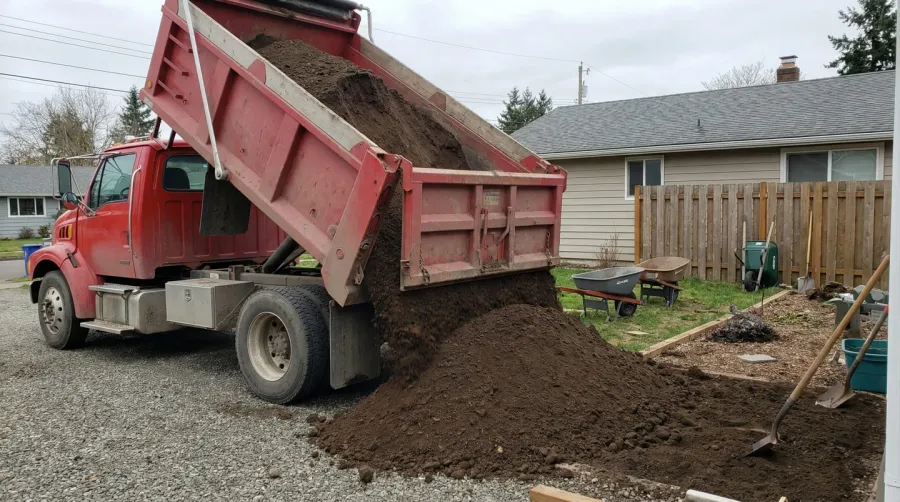
When calculating how much clay loam you need, plan for 2-4 inches depth for lawn topdressing, 6-8 inches for flower beds, and 12+ inches for vegetable gardens or areas with poor existing soil. A cubic yard covers approximately 160 square feet at 2 inches deep, so measure your project area carefully and add 10% extra to account for settling and minor grading adjustments.
Before ordering, ask suppliers about the soil’s clay percentage, whether it’s been screened, what organic matter has been added, and if it’s suitable for your intended use. Request to see a sample if possible, and verify that the supplier can access your site with their delivery equipment. Some suppliers offer soil testing results, which can help you determine if additional amendments will be needed.
Quality clay loam from reputable suppliers often costs more upfront but reduces the need for additional fertilizers and soil conditioners. When you factor in the improved plant performance and reduced maintenance requirements, premium clay loam frequently proves more economical than cheaper alternatives that require extensive amendment.
Clay loam offers an excellent balance of water retention, nutrient availability, and workability for most gardening and landscaping projects. While it requires proper management to prevent compaction and may need drainage improvements in some situations, its natural fertility and structure make it a valuable choice for creating productive growing environments. Whether you’re establishing a new garden, renovating existing beds, or planning a landscaping project, understanding clay loam’s properties helps you make informed decisions about soil selection and management that will benefit your plants for years to come.
FAQ
What is clay loam soil?
Clay loam is a balanced soil type that contains roughly equal parts sand, silt, and clay, with clay making up 20-40% of the composition. This soil type offers excellent water retention and nutrient-holding capacity while remaining more workable than pure clay soil. It’s considered ideal for most gardening and agricultural applications when properly managed.
Is clay loam good for gardening?
Yes, clay loam is excellent for gardening when properly managed. It holds moisture and nutrients better than sandy soils while draining more effectively than heavy clay. Most vegetables, flowers, trees, and lawn grasses thrive in clay loam, especially when organic matter is added annually to maintain good soil structure and prevent compaction.
How can I tell if I have clay loam soil?
You can identify clay loam through simple field tests. When moist, clay loam feels slightly sticky and holds together when squeezed, but won’t form long ribbons like pure clay. Try the jar test: mix soil with water in a clear jar, let it settle for 24 hours, and clay loam will show distinct layers with clay making up roughly 20-40% of the total volume.
How much does clay loam cost per cubic yard?
Clay loam typically costs between $25-60 per cubic yard for bulk delivery, with prices varying based on location, processing level, and delivery distance. Screened and amended clay loam costs more than raw material, but bulk deliveries offer better per-yard pricing than bagged materials. Additional delivery fees of $50-150 may apply depending on your location.
Materials for this project
Get it delivered — dumped where you need it
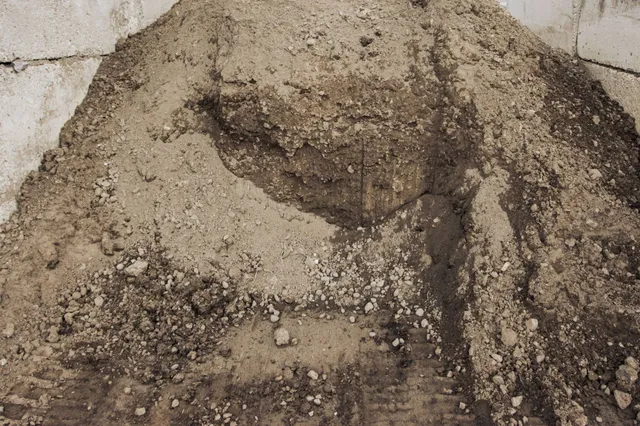
Fill Dirt
Grading & Backfill
See delivered price
View product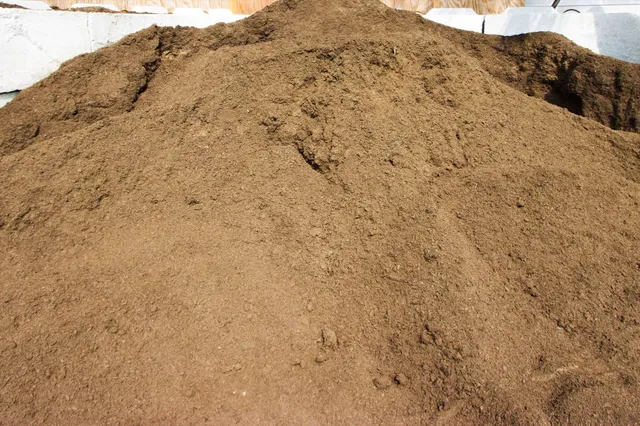
Topsoil
Lawn establishment & Garden beds
See delivered price
View product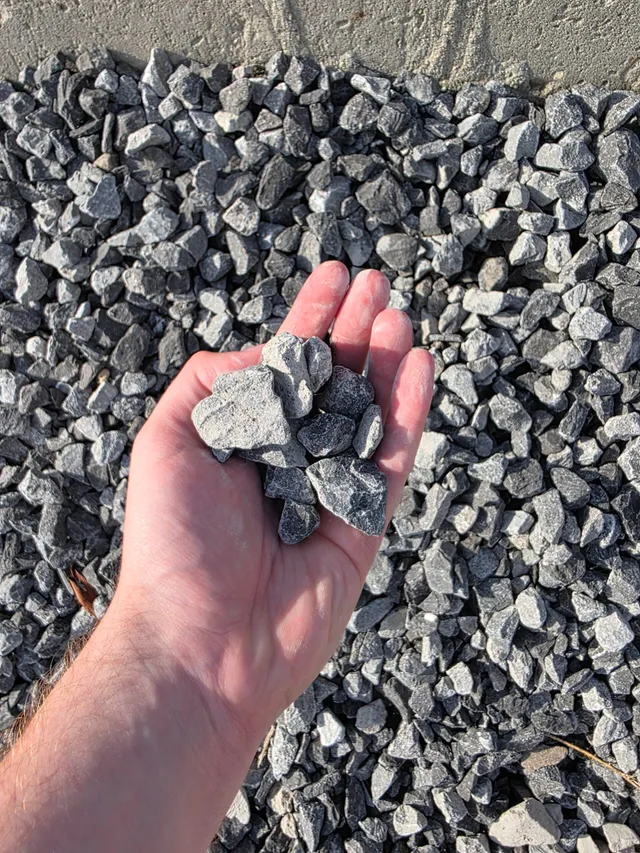
Driveway Gravel
Driveways & Parking areas
See delivered price
View product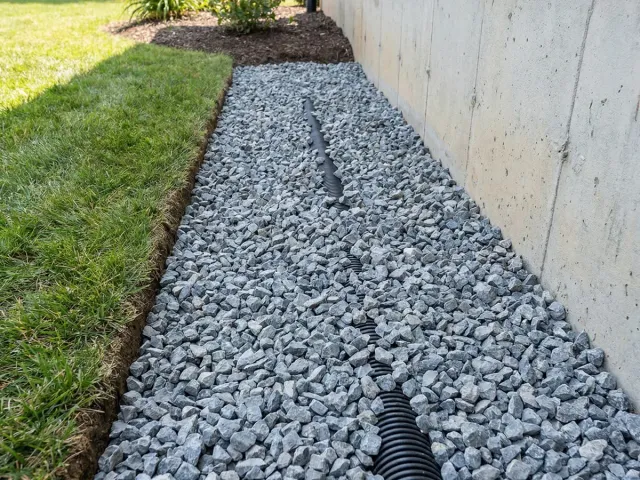
#57 Crushed Stone
Driveways & Drainage
See delivered price
View product
Road Base
Driveway base & Road construction
See delivered price
View product