
Sandy Soil Definition, Characteristics, Uses and Cost Guide
Free local estimate
See delivered prices for your ZIP in 60 seconds
Tell us where the project is and we'll price this material — delivered — for your exact ZIP.
- Real delivered pricing for your ZIP — not a generic range.
- Works for any quantity — driveways, pads, drains, or full projects.
- Prefer to talk? We follow up with local availability and delivery windows.
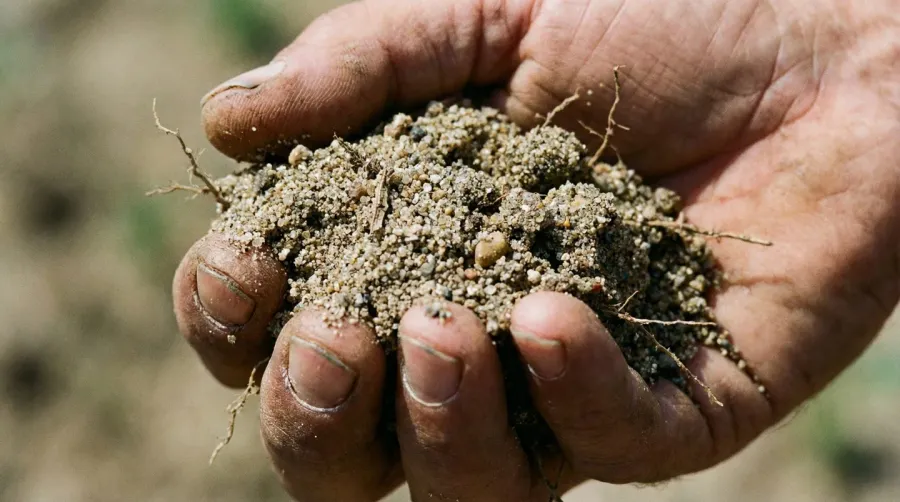
Sandy soil is a type of soil composed primarily of sand particles, typically containing over 50% sand with the remainder being silt and clay. This soil type has a distinctly gritty texture and drains water quickly due to the large spaces between sand particles, making it ideal for construction projects and certain crops but challenging for water retention.
Quick fact: Sandy soil feels rough and gritty when rubbed between your fingers, unlike the smooth feel of clay soil or the balanced texture of loam.
At a Glance – Sandy Soil Properties: – Texture: Coarse and gritty – Drainage: Excellent, sometimes too fast – Water retention: Poor – Nutrient content: Low – Typical color: Light tan to brown – Best uses: Construction base, drainage systems, root vegetables
Understanding sandy soil helps you make better decisions whether you’re planning a garden, building a foundation, or choosing materials for landscaping projects.
About Hello Gravel
Hello Gravel delivers bulk gravel, rock, dirt, and sand by the ton. Enter your ZIP code to see prices with delivery included. A local dump-truck driver places the load where access is safe; spreading is not included.
What is sandy soil and where do you find it
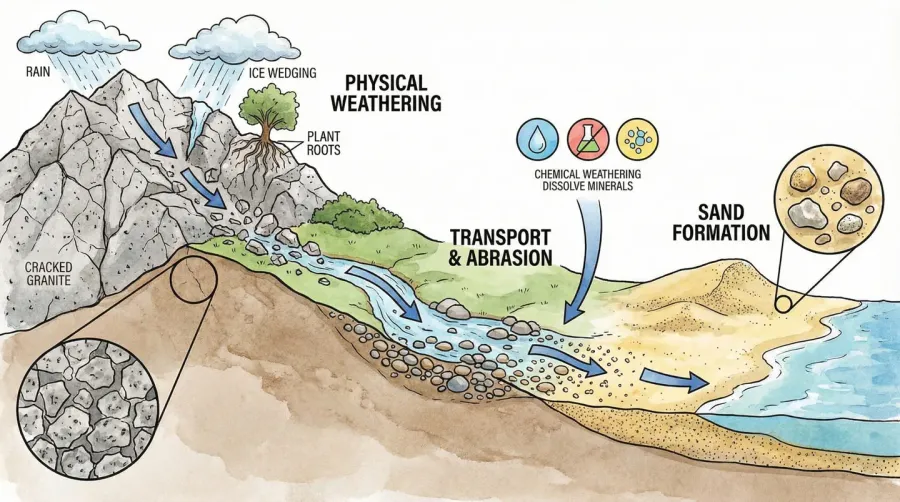
Sandy soil forms when rocks like granite, quartz, and sandstone break down over thousands of years through weathering. Wind, water, and temperature changes gradually turn solid rock into tiny sand particles that eventually accumulate in specific areas.
You’ll commonly find sandy soil in coastal regions, river valleys, and areas that were once covered by ancient seas or glaciers. Desert regions also contain extensive sandy soils, though these often lack the organic matter found in more temperate climates.
The composition typically breaks down as 50-85% sand particles, 0-20% silt, and 0-20% clay. This high sand content creates the characteristic properties that make sandy soil both useful and challenging depending on your needs.
Key characteristics that define sandy soil
Sandy soil has several distinctive features that set it apart from other soil types. The large sand particles create significant spaces between them, leading to excellent drainage but poor water and nutrient retention.
Texture and structure: The coarse particles give sandy soil its signature gritty feel. Unlike clay that sticks together when wet, sandy soil remains loose and crumbly. This makes it easy to dig and work with, but also means it doesn’t hold its shape well.
Drainage properties: Water moves through sandy soil quickly, sometimes too quickly for plants that need consistent moisture. While this prevents waterlogging, it also means you’ll need to water more frequently during dry periods.
Nutrient content: Sandy soil naturally contains fewer nutrients than clay or loam soils. The large particles can’t hold onto minerals and organic matter as effectively, so nutrients often wash away with rainfall or irrigation.
Important note: Sandy soil typically has a pH between 5.5 and 7.0, making it slightly acidic to neutral, though this can vary based on the parent rock material.
Color variations: Most sandy soils appear light tan to brown, though color depends on the original rock source and organic matter content. Granite-derived sand tends to be lighter, while sand from darker rocks like basalt appears more brown or gray.
Types of sandy soil for different applications
Not all sandy soils are the same. Understanding the different types helps you choose the right material for your specific project needs.
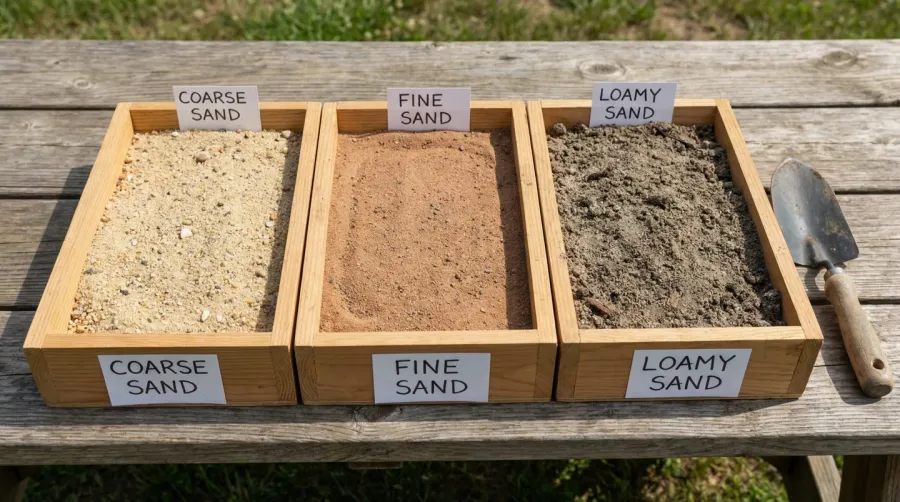
Coarse vs fine sandy soil: Coarse sandy soil contains larger particles and drains even faster than fine sandy soil. Fine sandy soil holds slightly more water and nutrients, making it better for gardening applications.
Sandy loam vs pure sand: Sandy loam contains more silt and clay mixed with sand, creating better water retention and fertility while maintaining good drainage. Pure sand offers maximum drainage but minimal nutrient value.
Natural vs engineered sandy fills: Natural sandy soil forms through geological processes, while engineered sandy fills are processed and graded for specific construction applications. Engineered fills often provide more consistent particle sizes and better compaction properties.
Practical uses of sandy soil across industries
Sandy soil serves multiple purposes across different sectors, from agriculture to heavy construction. Its unique properties make it valuable for specific applications where drainage and stability matter most.
Construction applications: Sandy soil works excellently as a base material for foundations, roads, and paving projects. The good drainage prevents water accumulation that could undermine structures, while the stable particle structure supports heavy loads without shifting significantly.
Agricultural uses: Certain crops thrive in sandy soil, particularly root vegetables like carrots, potatoes, and radishes. The loose structure allows roots to penetrate easily, and the quick drainage prevents root rot. However, you’ll need to add organic matter and fertilize more frequently.
Landscaping projects: Sandy soil helps create proper drainage around buildings and in garden beds where water accumulation could cause problems. It’s also useful for creating pathways, leveling areas, and as a base for decorative stones or pavers.
Pro tip: Sandy soil works particularly well for French drains and other drainage systems because water moves through it easily without clogging.
Industrial applications: Manufacturing industries use sandy soil in glass production, ceramics, and filtration systems. The consistent particle size and chemical properties make it valuable for these specialized applications.
Cost factors and pricing for sandy soil
Sandy soil costs vary significantly based on several factors, but you can expect to pay between $15 to $45 per cubic yard for most applications. Understanding what influences pricing helps you budget effectively for your project.
Location impact: Areas near natural sand deposits typically offer lower prices due to reduced transportation costs. Coastal regions and river valleys often have more competitive pricing than inland areas where sand must be trucked longer distances.
Quality and processing: Washed and graded sandy soil costs more than raw fill sand. Specialized sands for construction applications command higher prices than basic landscaping sand due to additional processing and quality control.
Volume considerations: Bulk orders generally reduce the per-unit cost significantly. Ordering 10 cubic yards typically costs less per yard than ordering just 2-3 cubic yards due to delivery efficiency.
| Soil Type | Price Range (per cubic yard) | Best Uses |
|---|---|---|
| Sandy soil | $15-$45 | Drainage, construction base |
| Topsoil | $25-$60 | Gardening, landscaping |
| Fill dirt | $8-$25 | Grading, filling low areas |
Delivery costs: Most suppliers charge additional fees for delivery, especially for smaller orders or remote locations. Some companies offer free delivery for orders above certain minimums, so factor this into your total project cost.
Choosing the right sandy soil for your project
Selecting the appropriate type of sandy soil depends on your specific application and local conditions. Consider these factors to make the best choice for your needs.
Match soil to purpose: Use coarse sand for drainage applications and foundation work where maximum water flow is essential. Choose fine sandy soil or sandy loam for gardening projects where you need some water retention.
Consider your climate: In areas with heavy rainfall, pure sandy soil might drain too quickly for most plants. In dry climates, the fast drainage could be beneficial for preventing salt buildup and root diseases.
Evaluate long-term needs: If you’re planning to grow plants in sandy soil, budget for ongoing amendments like compost and fertilizer. For construction applications, focus on compaction properties and load-bearing capacity. Understanding the differences between fill dirt and sandy loam can help you make informed decisions about soil amendments.
Ask the right questions: When contacting suppliers, inquire about particle size, source location, and any processing the sand has undergone. This information helps ensure you get material suitable for your specific application.
Ready to find high-quality sandy soil for your project? Hello Gravel provides premium aggregates delivered nationwide with transparent pricing and expert guidance. Whether you need sandy soil for construction, landscaping, or drainage applications, our team helps you select the right material and quantity for your specific needs. Get an instant quote online and experience the convenience of professional aggregate delivery right to your project site.
Frequently Asked Questions About Sandy Soil
What is sandy soil and its definition?
Sandy soil is a type of soil composed primarily of sand particles, typically containing over 50% sand with the remainder being silt and clay. It has a distinctly gritty texture and drains water quickly due to large spaces between particles, making it excellent for drainage but challenging for water retention.
What are the main characteristics of sandy soil?
Sandy soil has several key characteristics: coarse, gritty texture that feels rough when rubbed between fingers; excellent drainage but poor water retention; low nutrient content due to inability to hold minerals; loose, crumbly structure that doesn’t hold shape when wet; and typically light tan to brown coloration.
What are the main uses of sandy soil?
Sandy soil has multiple practical uses including construction applications as foundation base material and for drainage systems, agricultural uses for growing root vegetables like carrots and potatoes, landscaping projects for proper drainage around buildings, and industrial applications in glass production and ceramics manufacturing.
What are the advantages and disadvantages of sandy soil?
Advantages include excellent drainage preventing waterlogging, easy to dig and work with, good aeration for plant roots, and warms quickly in spring. Disadvantages include poor water retention requiring frequent irrigation, low nutrient content needing regular fertilization, and tendency for nutrients to wash away quickly during rainfall.
Materials for this project
Get it delivered — dumped where you need it
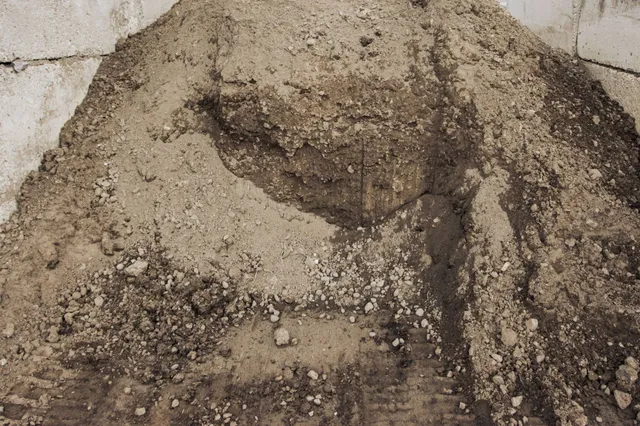
Fill Dirt
Grading & Backfill
See delivered price
View product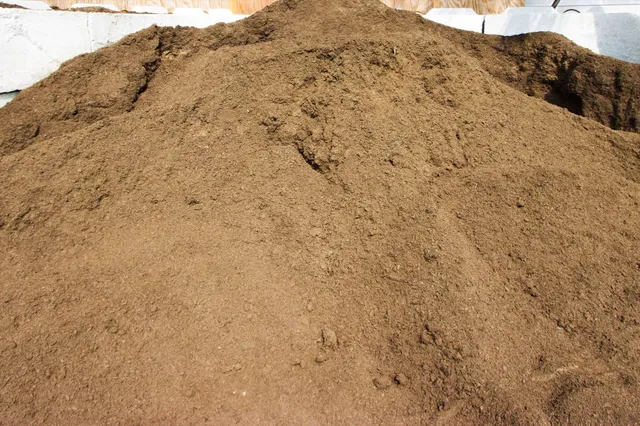
Topsoil
Lawn establishment & Garden beds
See delivered price
View product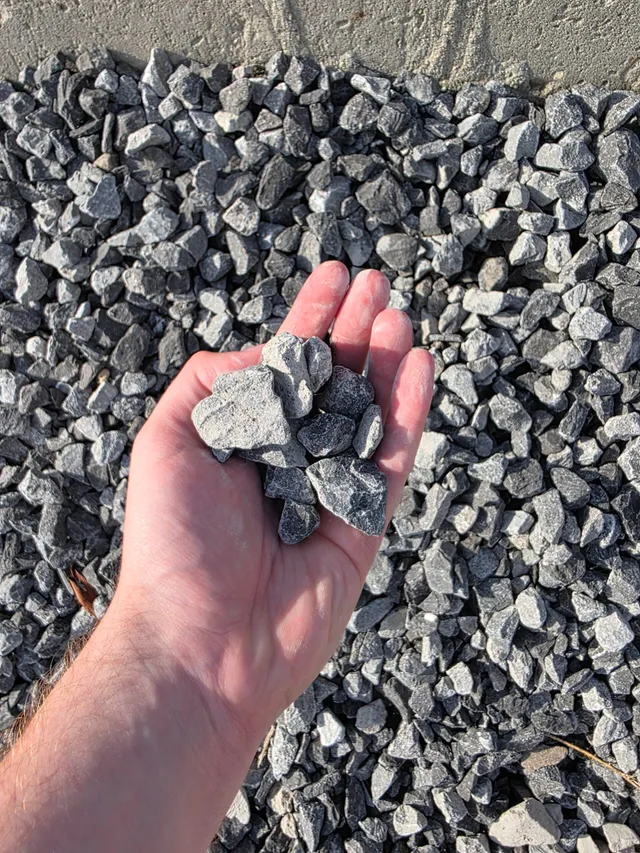
Driveway Gravel
Driveways & Parking areas
See delivered price
View product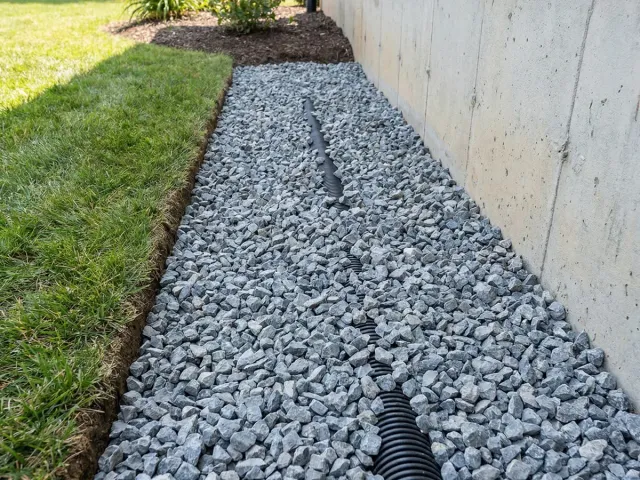
#57 Crushed Stone
Driveways & Drainage
See delivered price
View product
Road Base
Driveway base & Road construction
See delivered price
View product