
Fill Dirt vs Sandy Loam Topsoil (Which Is Best)
Free local estimate
See delivered prices for your ZIP in 60 seconds
Tell us where the project is and we'll price this material — delivered — for your exact ZIP.
- Real delivered pricing for your ZIP — not a generic range.
- Works for any quantity — driveways, pads, drains, or full projects.
- Prefer to talk? We follow up with local availability and delivery windows.
Picture this: you’re standing in your backyard, ready to tackle that landscaping project you’ve been planning for months. But when you start researching materials, you hit a wall. Fill dirt, sandy loam, topsoil – what’s the difference, and which one do you actually need?
The answer is simpler than you might think. Fill dirt is your go-to for structural support and stability, while sandy loam excels at drainage and plant growth. Choose fill dirt when you need to level ground, build foundations, or create stable bases. Pick sandy loam when you’re planting lawns, gardens, or need soil that drains well.
Quick decision guide: Building something? Use fill dirt. Growing something? Use sandy loam. Need both? Layer fill dirt as your base and top with sandy loam for planting.
Here’s what we’ll cover to help you make the right choice: the key differences between these materials, when to use each one, cost considerations, and how to calculate exactly how much you need for your project.
About Hello Gravel
Hello Gravel delivers bulk gravel, rock, dirt, and sand by the ton. Enter your ZIP code to see prices with delivery included. A local dump-truck driver places the load where access is safe; spreading is not included.
What is fill dirt and when should you use it
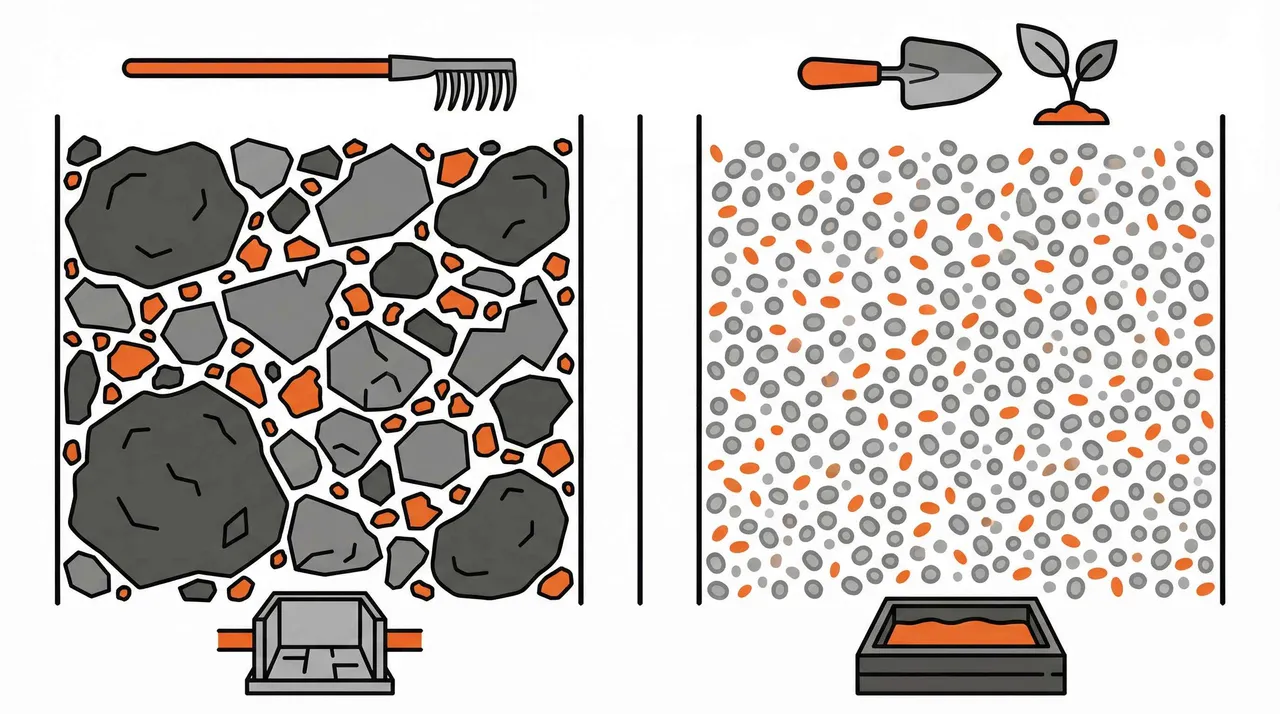
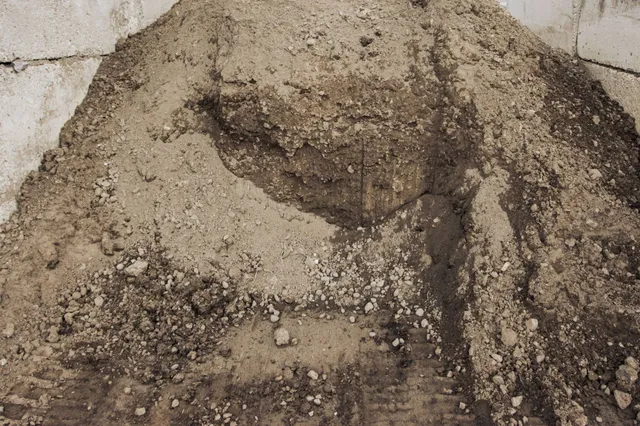
Fill dirt is essentially subsoil – the layer that sits beneath topsoil in nature. What makes it special is what it lacks: organic matter. This absence might sound like a bad thing, but it’s actually fill dirt’s superpower.
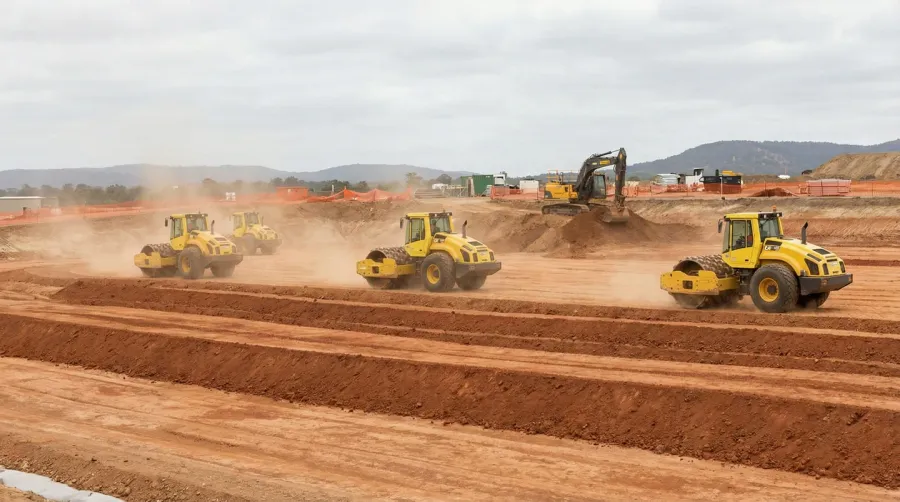
Without organic matter, fill dirt doesn’t decompose, shift, or settle over time. This stability makes it perfect for construction projects where you need a solid, unchanging foundation. Think of it as the concrete of the soil world – not pretty, but incredibly reliable.
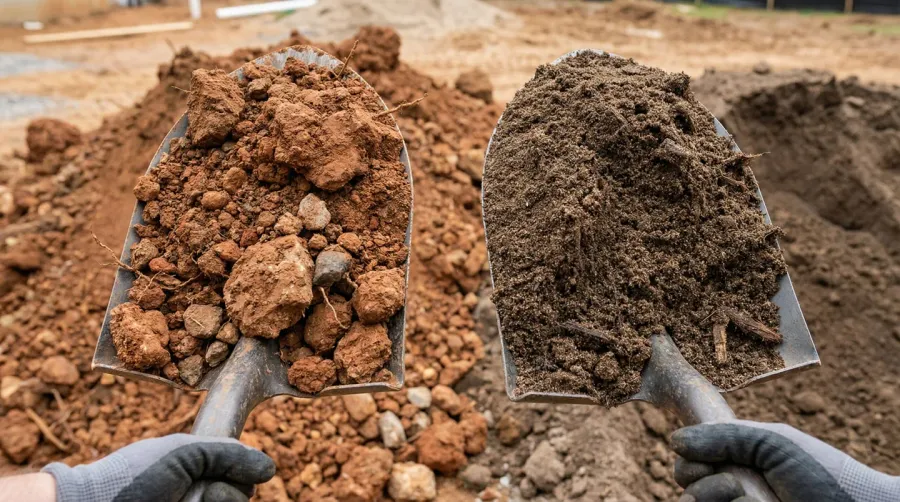
Most fill dirt contains a mix of clay, sand, and silt. The exact blend varies depending on where it’s sourced, which affects how well it compacts and drains. Clay-heavy fill dirt compacts tighter but drains slower, while sandy fill dirt compacts less but allows better water flow.
You’ll want fill dirt for leveling uneven ground, building up low areas, creating foundations for patios or driveways, and backfilling around structures. It’s also your best bet for large landscaping features like berms or retaining wall backfill.
Understanding sandy loam and its best uses
Sandy loam strikes the perfect balance for plant growth. It typically contains about 60% sand, 30% silt, and 10% clay, plus that crucial organic matter that fill dirt lacks. This combination creates soil that drains well but still holds enough moisture and nutrients for healthy plants.
The sand component prevents waterlogging by allowing excess water to drain away quickly. Meanwhile, the silt and clay help retain just enough moisture and nutrients that plant roots can access. The organic matter acts like a slow-release fertilizer, feeding plants over time.
When you squeeze sandy loam in your hand, it feels gritty but holds together loosely. It crumbles easily, which makes it simple for plant roots to penetrate and spread. This texture also makes it easier to work with when you’re planting or weeding.
Sandy loam shines in garden beds, lawn installation, raised beds, and anywhere you want plants to thrive. It’s also excellent for improving heavy clay soils when mixed in as an amendment.
Pro tip: Sandy loam isn’t the same as topsoil. Topsoil is a layer that can have various textures, while sandy loam refers specifically to this ideal soil composition for plant growth.
Key differences that matter for your project
The biggest difference comes down to purpose. Fill dirt provides structural support, while sandy loam supports life. This fundamental distinction drives every other difference between them.
| Factor | Fill Dirt | Sandy Loam |
|---|---|---|
| Primary use | Structural support | Plant growth |
| Organic matter | None | 2-5% |
| Drainage | Varies by composition | Excellent |
| Compaction | High | Moderate |
| Cost | Lower | Higher |
Drainage tells another part of the story. Sandy loam drains consistently well, making it forgiving if you overwater or get heavy rain. Fill dirt’s drainage depends entirely on its composition – clay-heavy versions can create drainage problems, while sandy versions might drain too quickly for some uses.
Stability wise, fill dirt wins hands down. It compacts into a solid base that won’t shift or settle significantly over time. Sandy loam stays looser by design, which is great for roots but terrible if you need structural support.
Cost typically favors fill dirt since it requires less processing and doesn’t need organic matter. Sandy loam costs more because it’s specifically blended for optimal plant growth, but this investment pays off in healthier plants and better drainage.
How to choose the right material for your specific project
Start by asking yourself one simple question: what’s the primary goal of this area? If you’re building something that needs to stay put – a patio, driveway, or foundation – fill dirt is your answer. If you’re growing something – lawn, garden, or landscaping plants – sandy loam is the way to go.
Consider your drainage situation carefully. If you’re dealing with a slope, low-lying area, or anywhere water tends to collect, sandy loam’s superior drainage becomes crucial. Fill dirt might create drainage problems in these situations, especially if it’s clay-heavy.
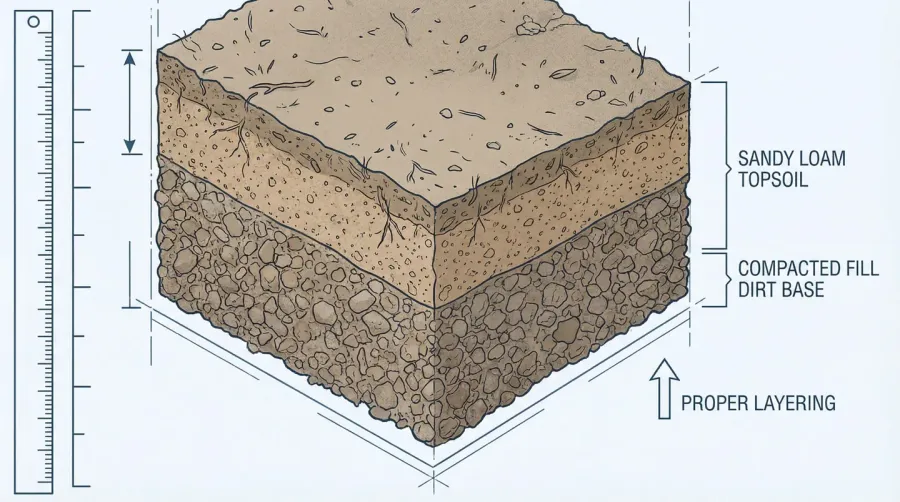
For projects that need both materials, think in layers. Use fill dirt to build up the base and create proper grading, then top with 4-6 inches of sandy loam for planting. This gives you structural stability where you need it and growing conditions where plants will live.
Budget plays a role too, but don’t let it drive the decision entirely. Using the wrong material often costs more in the long run through failed projects, drainage issues, or poor plant performance. Sometimes spending a bit more upfront saves significant money and frustration later.
Money-saving tip: For large projects, consider using fill dirt for the bulk of the work and sandy loam only in the top layer where plants will grow. This approach gives you the best of both worlds without breaking the budget.
When you’re ready to move forward with your project, getting the right material delivered makes all the difference. Hello Gravel specializes in helping homeowners and contractors choose the perfect soil for their specific needs. We deliver high-quality fill dirt and sandy loam nationwide, with expert guidance to ensure you get exactly what your project requires.
Whether you’re building a new patio foundation or creating the perfect garden bed, having the right material delivered on time sets your project up for success from day one. If you’re still weighing your options, you might also want to explore the differences between fill dirt vs loam or learn more about blended soils for specialized applications.
Frequently Asked Questions
What is fill dirt made of and why doesn’t it work for planting?
Fill dirt is primarily subsoil composed of clay, sand, and silt with very little organic matter. This lack of organic matter makes it excellent for compaction and structural stability, but poor for plant growth since it doesn’t contain the nutrients, beneficial microorganisms, or proper structure that plants need to thrive. For planting areas, you’ll want to use sandy loam or topsoil instead.
What is sandy loam used for in landscaping projects?
Sandy loam is used for establishing new lawns, creating vegetable and flower gardens, planting trees and shrubs, and improving existing soil conditions. Its balanced mix of sand, silt, clay, and organic matter provides excellent drainage while retaining enough moisture and nutrients for healthy plant growth. It’s also ideal for topdressing compacted areas and amending heavy clay soils.
Can I use sandy loam as fill dirt for construction projects?
Sandy loam is not recommended as a substitute for fill dirt in construction projects requiring structural support. While it drains well, sandy loam doesn’t compact as tightly as fill dirt and may settle or shift over time under heavy loads. For foundations, driveways, or building pads, stick with proper fill dirt for stability, then add sandy loam on top for any planting areas.
How much sandy loam should I put over fill dirt for a new lawn?
For new lawn installation, apply 4-6 inches of sandy loam over properly compacted fill dirt. This depth provides enough growing medium for grass roots to establish while ensuring good drainage and nutrient availability. The fill dirt underneath creates a stable base and proper grading, while the sandy loam surface layer supports healthy turf growth.
Materials for this project
Get it delivered — dumped where you need it
Fill Dirt
Grading & Backfill
See delivered price
View product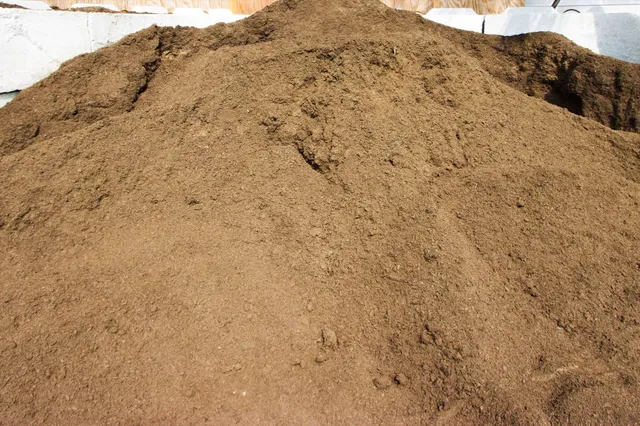
Topsoil
Lawn establishment & Garden beds
See delivered price
View product
Driveway Gravel
Driveways & Parking areas
See delivered price
View product
#57 Crushed Stone
Driveways & Drainage
See delivered price
View product
Road Base
Driveway base & Road construction
See delivered price
View product