
What Is Sandy Loam Soil (Characteristics and Uses)
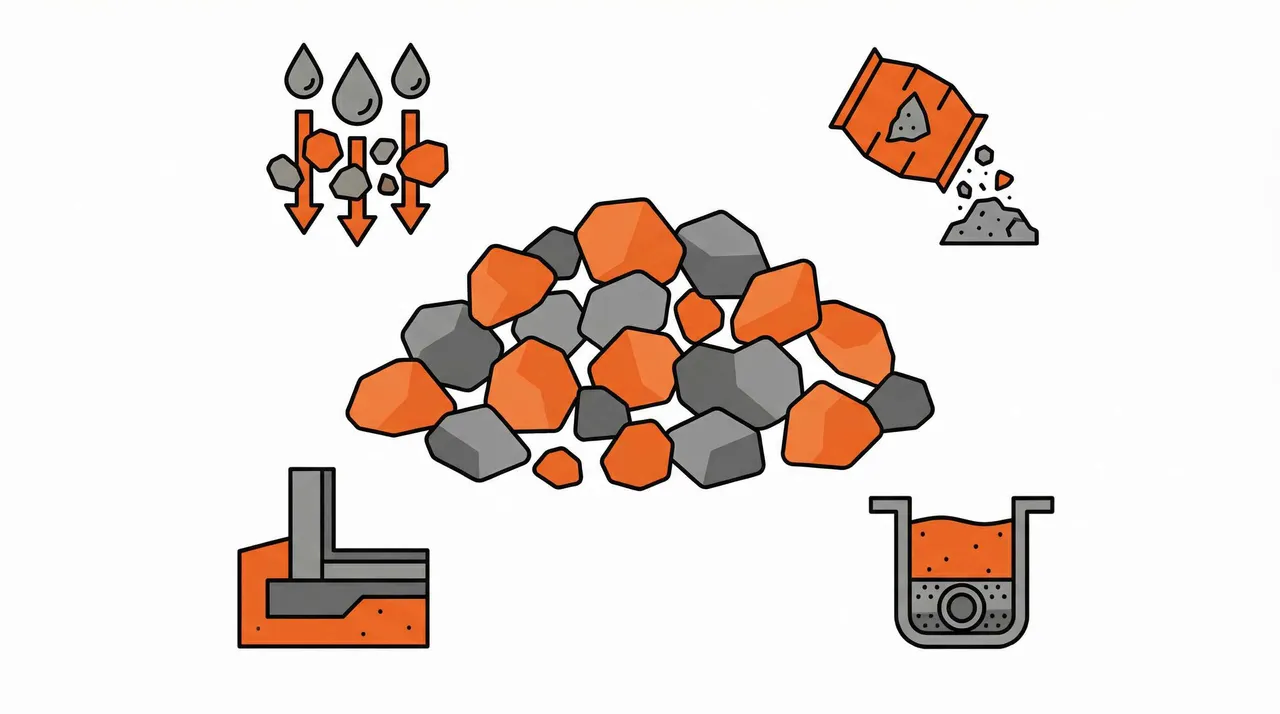
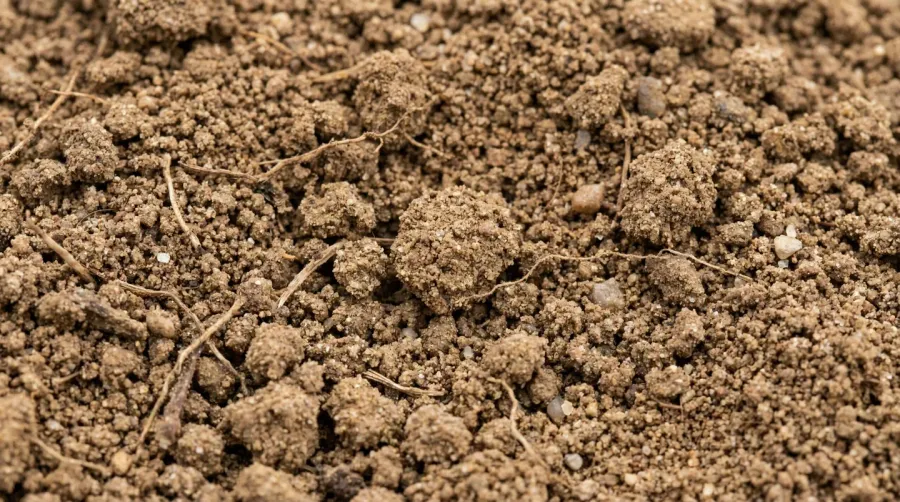
Sandy loam is a well-balanced soil type that combines approximately 60% sand, 30% silt, and 10% clay, creating an ideal growing medium for most plants and landscaping projects. This soil composition offers excellent drainage while retaining enough moisture and nutrients to support healthy plant growth, making it a favorite among gardeners, landscapers, and construction professionals.
If you’re planning a new lawn, vegetable garden, or construction project, understanding sandy loam can help you make better soil choices. This versatile soil type strikes the perfect balance between drainage and water retention, avoiding the waterlogging issues of clay soil and the rapid drying problems of pure sand.
Quick fact: Sandy loam feels gritty when rubbed between your fingers but holds together when squeezed, unlike pure sand which falls apart immediately.
Here are the key benefits that make sandy loam so popular:
-
Excellent drainage prevents root rot and waterlogged conditions
-
Easy to work with for planting, digging, and grading projects
-
Versatile applications from lawns to vegetable gardens to construction bases
-
Good aeration allows roots to breathe and develop properly
About Hello Gravel
Hello Gravel delivers bulk gravel, rock, dirt, and sand by the ton. Enter your ZIP code to see prices with delivery included. A local dump-truck driver places the load where access is safe; spreading is not included.
What is sandy loam soil made of?
Sandy loam gets its name from its dominant sand content combined with smaller amounts of silt and clay particles. The “loam” designation means it contains a balanced mix of all three soil particle types, rather than being dominated by just one.
The sand particles, measuring between 0.05mm and 2mm in diameter, give sandy loam its characteristic gritty texture and excellent drainage properties. Silt particles (0.002mm to 0.05mm) add some moisture retention and nutrient-holding capacity, while the small amount of clay (less than 0.002mm) provides structure and helps bind nutrients.
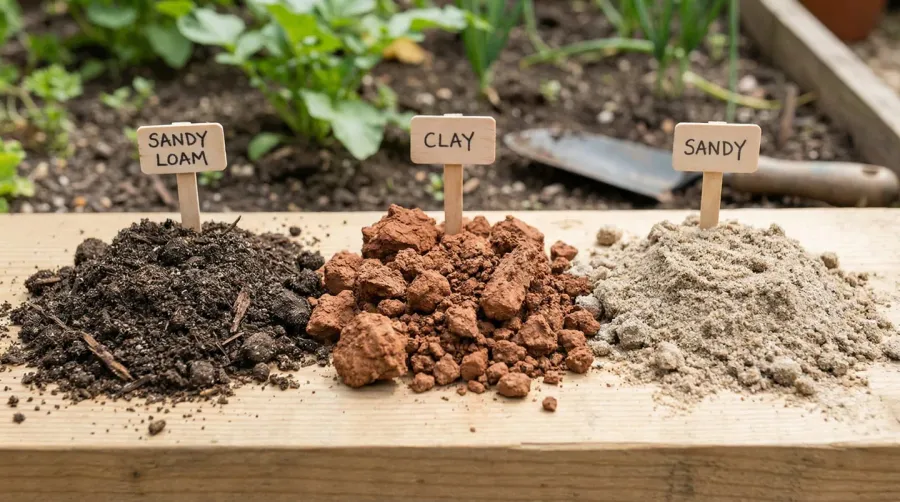
This particle size combination creates soil that drains well enough to prevent waterlogging but retains sufficient moisture for plant roots. When you squeeze a handful of moist sandy loam, it will hold together briefly before crumbling apart, unlike clay soil which forms a tight ball or sandy soil which won’t hold together at all.
Key characteristics of sandy loam soil
Sandy loam has several distinctive features that make it valuable for various applications. Understanding these characteristics helps you determine if it’s right for your project.
Texture and appearance: Sandy loam typically appears light brown to tan in color and feels noticeably gritty when handled. You can see individual sand grains mixed with finer particles, giving it a somewhat coarse but not purely sandy appearance.
Drainage properties: This soil type drains water relatively quickly, usually within 24-48 hours after heavy rain or watering. This prevents the standing water issues common with clay soils while still holding enough moisture for plant roots.
Nutrient retention: While sandy loam doesn’t hold nutrients as well as clay soil, it retains them better than pure sand. The silt and clay particles act like tiny sponges, capturing and slowly releasing nutrients to plant roots.
Important note: Sandy loam may need regular fertilization and organic matter additions to maintain fertility, especially for nutrient-hungry crops like tomatoes and corn.
Workability: You can easily dig, till, and shape sandy loam, even when slightly moist. It doesn’t become sticky and unworkable like heavy clay, nor does it lack structure like pure sand.
Where is sandy loam soil found?
Sandy loam naturally occurs in various landscapes across different regions. You’ll commonly find it in river valleys and floodplains where water has deposited sand, silt, and clay over time. Coastal areas often have sandy loam where beach sand mixes with inland sediments.
Many agricultural regions feature sandy loam soils, particularly areas with mixed geology where different rock types have weathered and combined. Former lakebeds and areas with glacial deposits also frequently contain sandy loam.
The formation process involves weathering of parent rocks like sandstone, granite, or mixed sedimentary rocks. Wind, water, and ice transport these weathered particles, which then settle and mix with organic matter to create the balanced composition we recognize as sandy loam.
Best uses for sandy loam soil
Sandy loam’s versatility makes it suitable for numerous applications, from home gardening to commercial construction projects.
Gardening and vegetable beds: Root vegetables like carrots, potatoes, and radishes thrive in sandy loam because they can easily penetrate the soil and develop properly. Most vegetables and flowers grow well in this soil type, though you may need to add compost or fertilizer for heavy feeders.
Lawns and landscaping: Sandy loam serves as an excellent base for new lawns, providing the drainage needed to prevent soggy conditions while retaining enough moisture for grass establishment. It works well for topdressing existing lawns and around trees and shrubs where good drainage is essential.
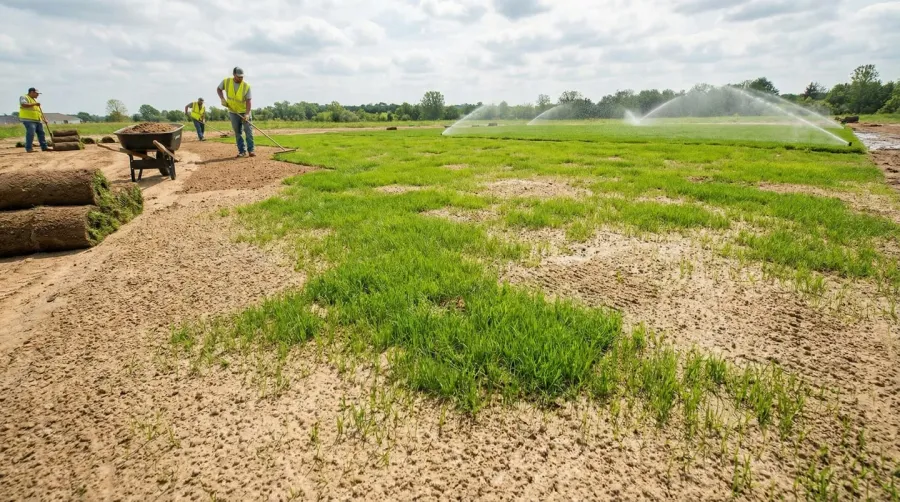
Construction and grading: The consistent texture and good drainage properties make sandy loam valuable for construction projects. It compacts reasonably well while still allowing water to move through, making it suitable for road bases, building foundations, and grading work where drainage matters. For projects requiring different soil characteristics, you might also consider fill dirt or select fill options.
Pro tip: When ordering sandy loam for lawn installation, ask specifically for “underturf” or “lawn base” blends, which are often screened and may include additional organic matter.
Sandy loam also works well for raised garden beds, landscape mounding, and erosion control projects where you need soil that won’t wash away easily but still allows water infiltration. For specialized applications, blended soils can be customized to meet specific project requirements.
Ready to enhance your next project with quality sandy loam? Hello Gravel provides reliable delivery of premium sandy loam and other soil materials. Our team can help you determine the right amount and type for your specific needs, whether you’re installing a new lawn, building garden beds, or working on construction projects.
Frequently Asked Questions
What is sandy loam soil made of?
Sandy loam soil is composed of approximately 60-70% sand particles, 20-30% silt, and 10-15% clay. This balanced mixture of particle sizes creates soil that drains well while still retaining enough moisture and nutrients for healthy plant growth. The sand provides drainage and aeration, while the silt and clay help hold water and nutrients.
Is sandy loam good for grass and lawns?
Yes, sandy loam is excellent for lawns and grass because it provides the drainage needed to prevent waterlogged roots while still holding enough moisture for healthy growth. For best results with lawn installation, choose “underturf” or “lawn base” blends and add organic matter like compost to improve nutrient retention and water-holding capacity.
What does sandy loam soil look like?
Sandy loam soil typically appears light brown to tan in color and has a gritty texture when handled. When you squeeze a handful of moist sandy loam, it will hold together briefly before crumbling apart, unlike clay soil which forms a tight ball or pure sand which won’t hold together at all. You can see individual sand grains mixed with finer particles.
How do you improve sandy loam soil?
You can improve sandy loam soil by adding 1-3 inches of compost, aged manure, or other organic matter worked into the top 6-8 inches of soil. Regular mulching helps retain moisture and prevent erosion, while periodic soil testing allows you to adjust pH and nutrient levels as needed. For established lawns, annual topdressing with 0.5-1 inch of compost helps maintain soil health.
Materials for this project
Get it delivered — dumped where you need it
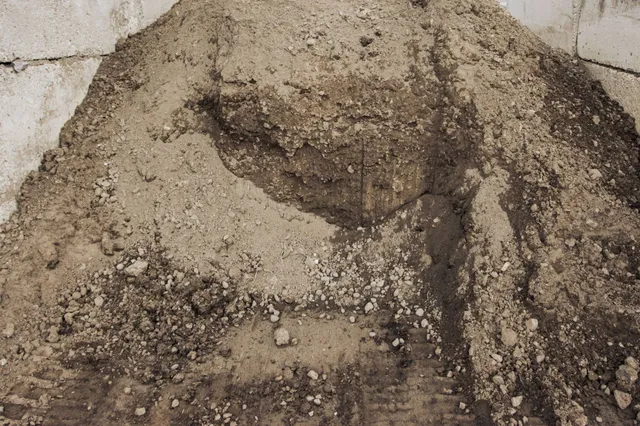
Fill Dirt
Grading & Backfill
See delivered price
View product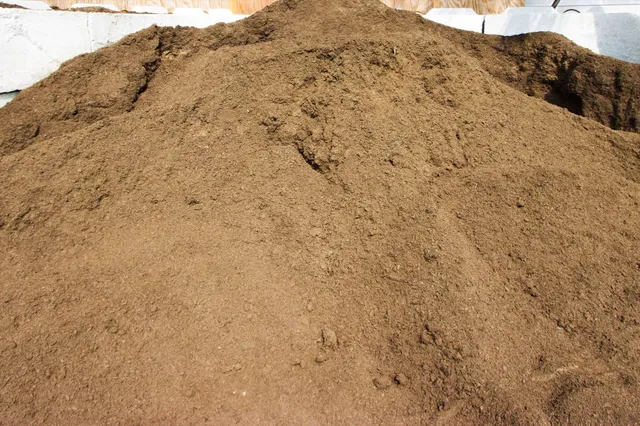
Topsoil
Lawn establishment & Garden beds
See delivered price
View product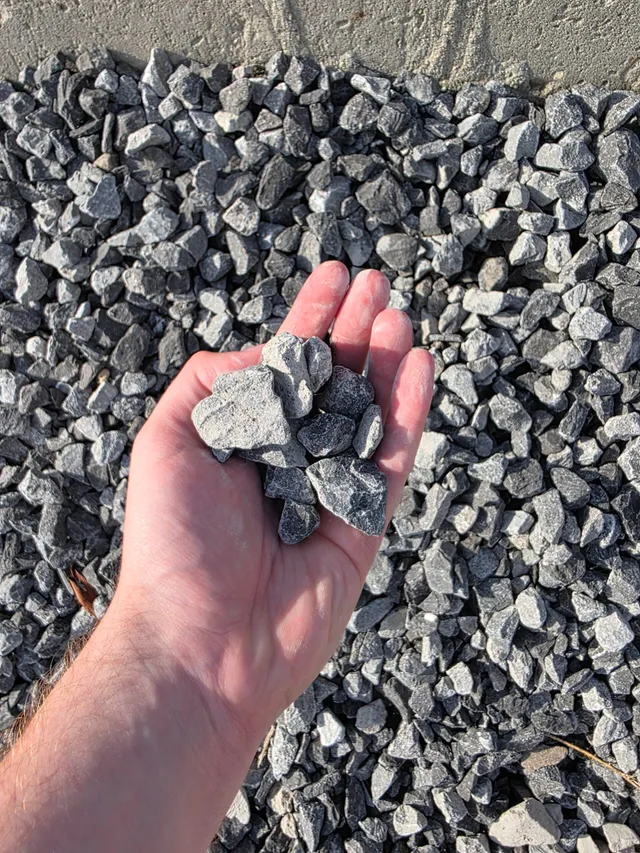
Driveway Gravel
Driveways & Parking areas
See delivered price
View product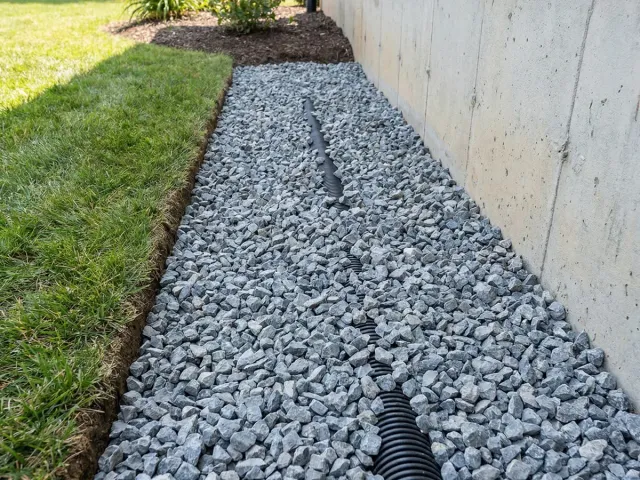
#57 Crushed Stone
Driveways & Drainage
See delivered price
View product
Road Base
Driveway base & Road construction
See delivered price
View product