Clay Soil Uses and Properties for Construction and Agriculture

Published on: December 10, 2025

Get an estimate for your project in 60 seconds

This field is hidden when viewing the form
Security lock iconYour information is secure


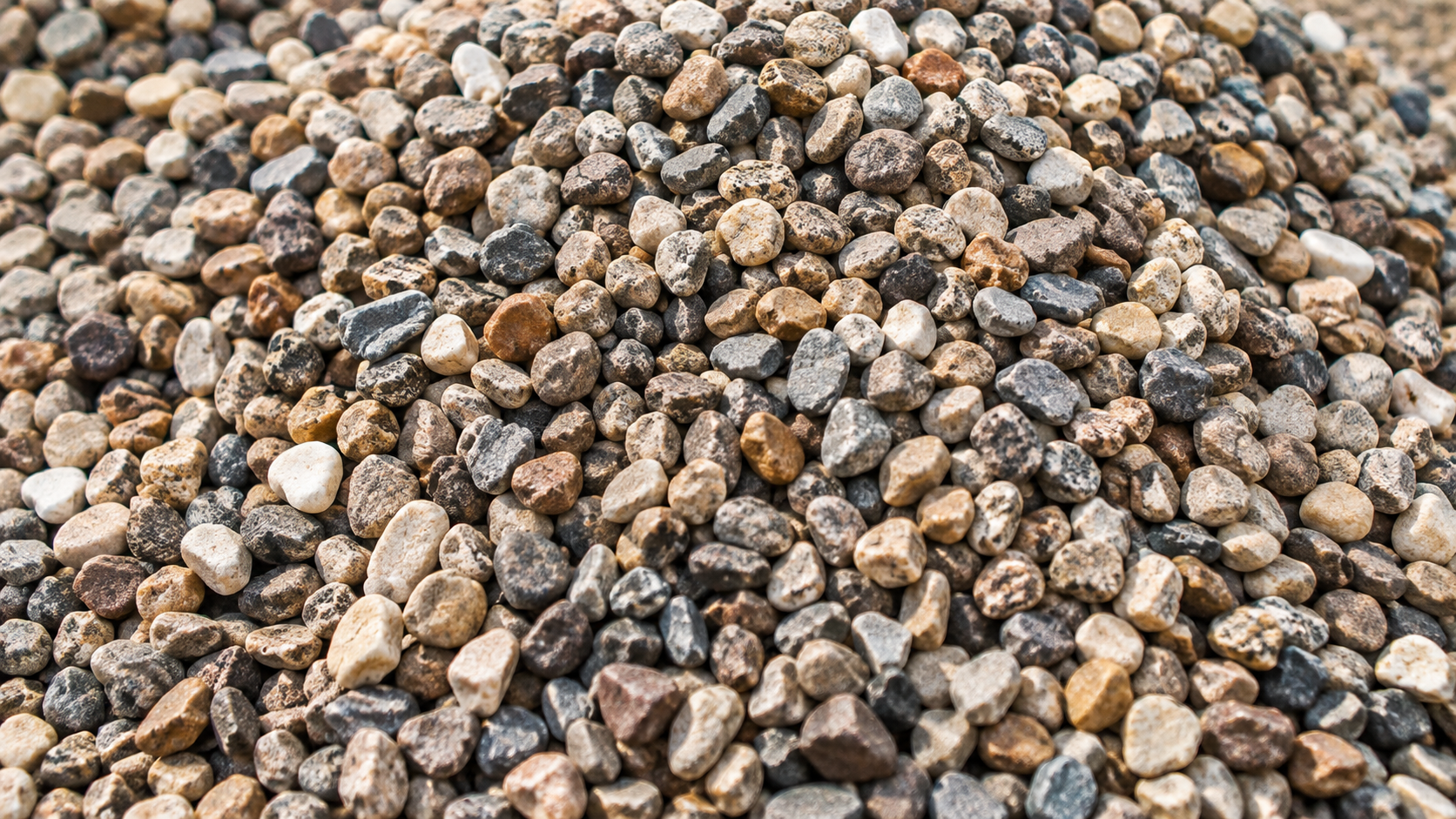
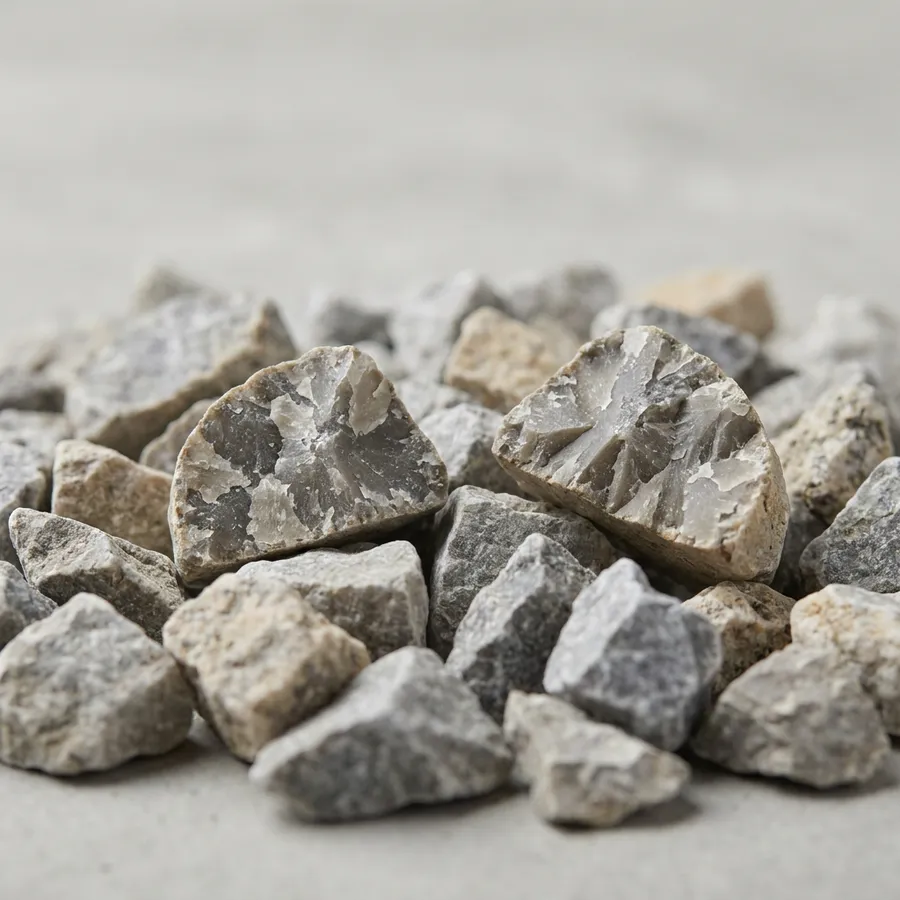
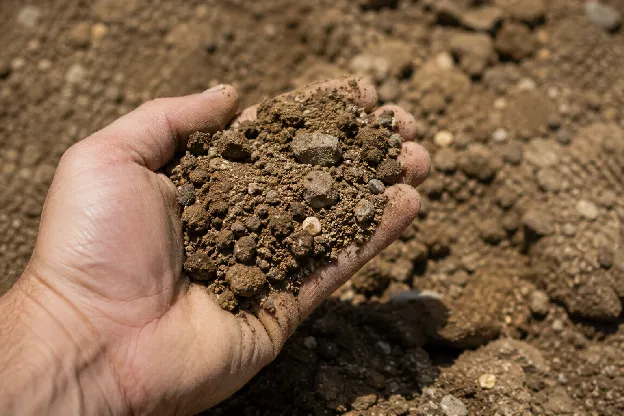
Clay soil texture showing fine particles and water retention

Clay soil might seem challenging to work with, but understanding its unique properties can unlock significant benefits for your construction or agricultural projects. This fine-textured soil, composed of particles smaller than 0.002 millimeters, offers exceptional water retention and nutrient-holding capabilities that make it valuable across multiple industries.

Quick Answer: Clay soil excels in applications requiring water retention and stability, including crop production, building foundations, and environmental barriers, though it requires proper management due to its compact nature.

Whether you’re planning a construction project, improving agricultural productivity, or exploring environmental solutions, clay soil’s distinctive characteristics can work to your advantage when properly understood and managed.

What makes clay soil unique

Clay soil stands apart from other soil types due to its incredibly fine particle structure. These microscopic particles, predominantly composed of silicate minerals like kaolinite, illite, and smectite, create a soil with remarkable properties that influence how you can use it effectively.

The formation process takes thousands of years as rocks and minerals break down through weathering. Physical forces like wind and water, combined with chemical reactions, gradually create these fine particles that eventually accumulate into clay deposits. This lengthy formation explains why clay soils often contain rich mineral content that benefits plant growth.

Clay soil formation process from weathering rocks to fine particles

When wet, clay soil becomes heavy and compact, making it challenging to dig or work with machinery. However, this same characteristic provides excellent stability for construction applications. When dry, clay can become extremely hard and may develop cracks, which affects drainage and root penetration but also demonstrates its structural integrity.

Agricultural applications and benefits

You’ll find clay soil particularly valuable for certain types of crop production due to its exceptional nutrient retention capabilities. The fine particles create a high surface area that holds onto essential nutrients and prevents them from washing away during irrigation or rainfall.

Rice cultivation thrives in clay soils because of their water-holding capacity. The soil’s ability to maintain consistent moisture levels creates ideal growing conditions for rice paddies. Similarly, wheat and cotton crops benefit from the steady nutrient supply that clay soils provide throughout the growing season.

For livestock operations, clay soils support diverse pasture grasses that provide nutritious grazing. The nutrient-rich environment encourages healthy plant growth, though you’ll need to monitor grazing patterns to prevent soil compaction from heavy animal traffic.

Management Tip: Improve clay soil workability by adding organic matter like compost, which enhances drainage while maintaining the soil’s beneficial nutrient retention properties.

Working with clay soil in agriculture requires understanding its seasonal behavior. During wet periods, avoid heavy machinery that can cause compaction. Instead, plan field operations during drier conditions when the soil structure is more stable and workable. For projects requiring better drainage and easier workability, consider using sandy loam or loamy sand soil as alternatives or amendments.

Construction and industrial uses

Clay soil serves as an excellent foundation material for buildings and roads when properly prepared. Its compact nature provides stability that resists shifting and settling, which helps ensure long-term structural integrity for your construction projects.

The construction industry values clay soil for producing bricks, tiles, and ceramics. The fine particle structure allows easy molding into various shapes, while the mineral content creates attractive colors and finishes. Once fired at high temperatures, these products become durable building materials suitable for diverse architectural applications.

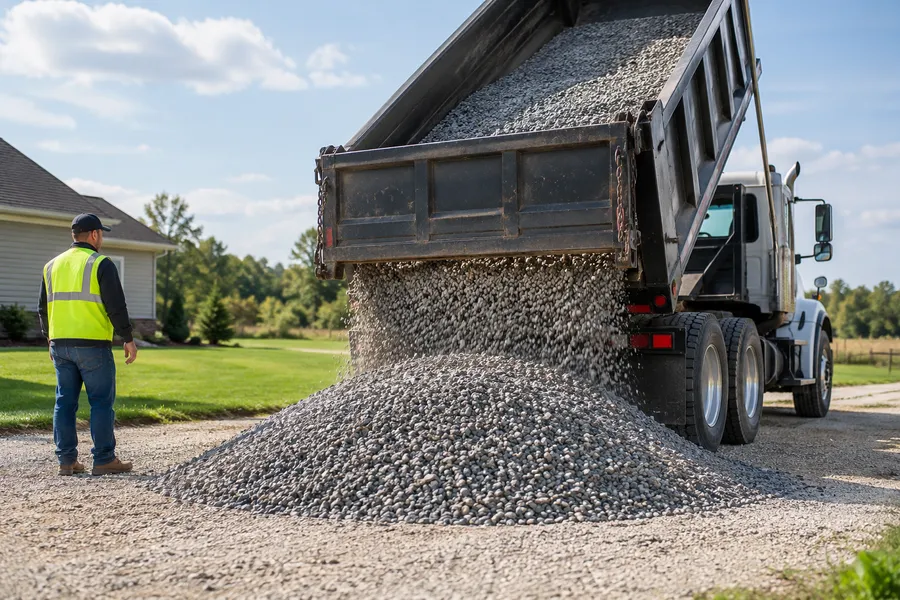
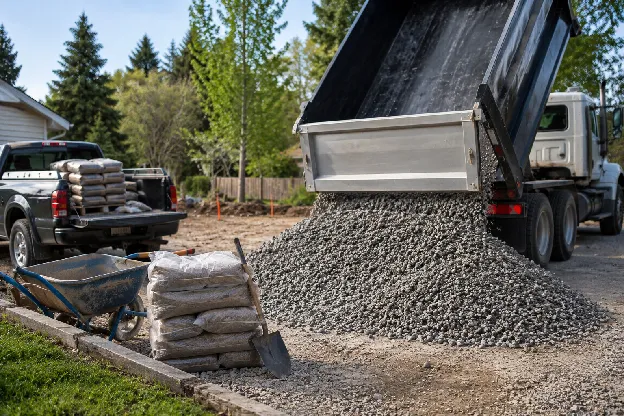
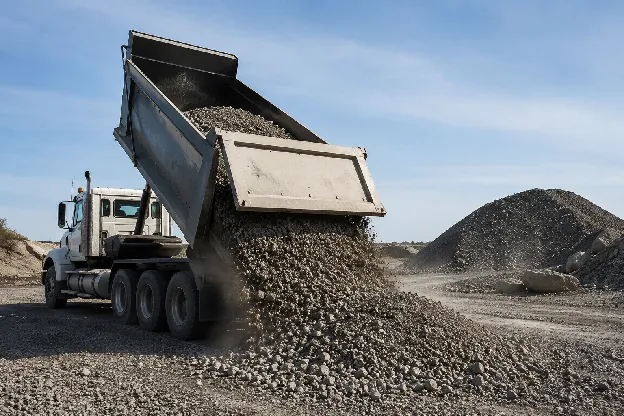
Construction site showing clay soil foundation preparation

Environmental applications leverage clay soil’s barrier properties. Landfill construction utilizes clay liners to prevent contamination from reaching groundwater. The soil’s ability to bind with contaminants makes it effective for environmental remediation projects where controlling pollutant spread is critical.

However, you must consider clay soil’s tendency to expand and contract with moisture changes. This characteristic can cause structural issues if not properly managed through appropriate drainage systems and foundation design that accommodates soil movement. Understanding the differences between fill dirt and clay can help you make informed decisions about which material best suits your construction needs.

Cost considerations and value analysis

Clay soil pricing varies significantly based on type, location, and intended use. You can expect to pay between $15 to $45 per cubic yard for quality clay soil, with specialized clays commanding higher prices due to specific properties or processing requirements.

Clay Type Price Range (per cubic yard) Primary Uses Key Properties
Standard Clay $15-25 General construction, agriculture Good water retention, moderate plasticity
Bentonite Clay $30-45 Environmental barriers, drilling High swelling capacity, excellent sealing
Kaolin Clay $25-40 Ceramics, paper production Low shrinkage, white color

Transportation costs significantly impact your total expense, especially for projects requiring large quantities. Local availability affects pricing, with abundant clay deposits reducing costs compared to areas requiring long-distance shipping.

Value Insight: While initial clay soil costs may exceed other soil types, the long-term benefits in construction stability and agricultural productivity often justify the investment through reduced maintenance and improved yields.

When evaluating clay soil for your project, consider the long-term value proposition. In agriculture, improved crop yields from better nutrient retention can offset higher soil costs. For construction, the stability and durability clay soil provides can prevent expensive structural problems that might occur with less suitable foundation materials.

For projects where pure clay presents challenges, clay loam offers a balanced alternative that combines clay’s nutrient retention with improved drainage and workability. Similarly, understanding clay subsoil properties can help you optimize excavation and foundation planning. If you’re dealing with particularly dense material, learning about heavy clay characteristics will help you prepare appropriate management strategies.

The investment in quality clay soil often pays dividends through enhanced project performance, whether you’re building structures that need stable foundations or developing agricultural land that will support productive crops for years to come. Understanding these cost-benefit relationships helps you make informed decisions that maximize your project’s success while managing expenses effectively.

Working with clay soil requires patience and proper technique, but the results can provide lasting value for construction, agricultural, and environmental applications. By understanding its unique properties and managing its challenges appropriately, you can harness clay soil’s natural advantages to achieve your project goals successfully.

FAQ

What is clay soil?

Clay soil is a type of soil dominated by extremely fine mineral particles, typically less than 0.002 millimeters in diameter. It feels smooth and sticky when wet and becomes hard or cracked when dry. Clay soil holds water and nutrients exceptionally well but often drains slowly and can become compacted due to its fine particle structure.

Is clay soil good for plants?

Clay soil can be very fertile and water-retentive, making it excellent for certain crops like rice, wheat, and cotton. However, it often needs improvement through organic matter addition and drainage management to prevent waterlogging and compaction. When properly managed, many plants thrive in clay soil due to its nutrient-holding capacity.

What are the main uses of clay soil?

Clay soil has diverse applications including agriculture for crop production due to its nutrient retention, construction for building foundations and manufacturing bricks and ceramics, and environmental engineering for landfill liners and pollution containment. Its water-holding capacity and stability make it valuable across multiple industries.

How much does clay soil cost?

Clay soil typically costs between $15 to $45 per cubic yard, depending on the type and quality. Standard clay ranges from $15-25 per cubic yard, while specialized clays like bentonite can cost $30-45 per cubic yard. Prices vary based on location, quantity, delivery distance, and local availability.

Author: igor