
Clay Subsoil Guide (Properties, Uses, and Cost)
Free local estimate
See delivered prices for your ZIP in 60 seconds
Tell us where the project is and we'll price this material — delivered — for your exact ZIP.
- Real delivered pricing for your ZIP — not a generic range.
- Works for any quantity — driveways, pads, drains, or full projects.
- Prefer to talk? We follow up with local availability and delivery windows.
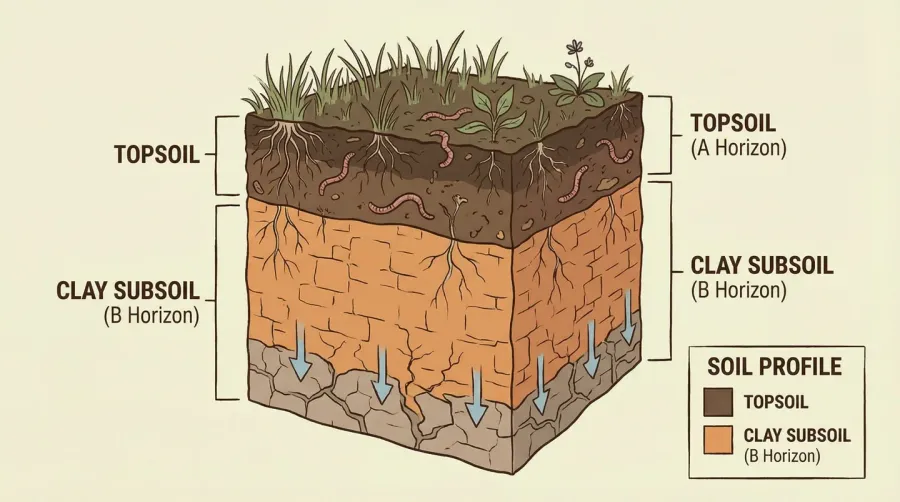
When you dig below the surface on any construction site, you’ll likely encounter clay subsoil. This dense, fine-grained material sits beneath the topsoil and can either be your project’s foundation solution or its biggest challenge. Clay subsoil is the B horizon layer of soil, composed primarily of clay particles smaller than 0.002 millimeters that have accumulated through natural weathering and leaching processes.
Understanding clay subsoil matters because it directly affects foundation stability, drainage patterns, and project costs. Whether you’re building a home, grading a driveway, or planning agricultural improvements, knowing how clay subsoil behaves helps you make better decisions about excavation, backfill, and material selection.
Quick fact: Clay subsoil typically costs $15-40 per cubic yard delivered, but its high water retention and swelling properties require careful moisture management during construction.
This guide covers everything you need to know about clay subsoil, from its key properties and formation to practical uses in construction and agriculture, plus cost factors and selection tips for your next project.
About Hello Gravel
Hello Gravel delivers bulk gravel, rock, dirt, and sand by the ton. Enter your ZIP code to see prices with delivery included. A local dump-truck driver places the load where access is safe; spreading is not included.
What makes clay subsoil unique
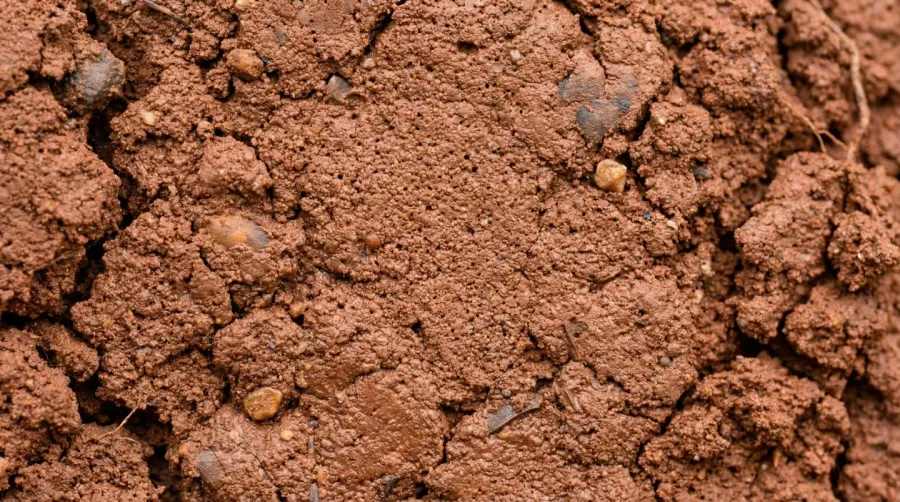
Clay subsoil stands apart from other soil types because of its incredibly fine particle structure. These microscopic clay particles create a material that’s both highly cohesive and remarkably sensitive to moisture changes. When wet, clay subsoil becomes plastic and moldable. When dry, it hardens into a rock-like consistency.
The B horizon location means clay subsoil contains fewer organic materials and living organisms compared to topsoil above it. Instead, it’s rich in minerals and clay particles that have migrated downward over thousands of years. This gives clay subsoil its characteristic density and ability to hold both water and nutrients for extended periods.
What makes clay subsoil particularly interesting for construction is its dual nature. Under controlled conditions with proper moisture content, it compacts into an extremely stable foundation material. However, when moisture levels fluctuate, high clay content soil can swell up to 10% or more, creating enough force to crack foundations and shift structures.
Construction applications and challenges
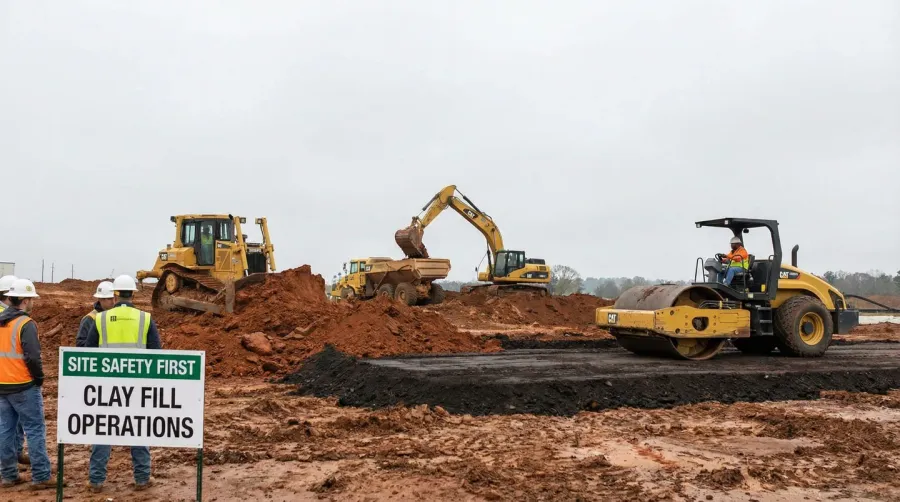
Clay subsoil serves multiple roles in construction projects, though each comes with specific considerations. As structural fill, properly conditioned clay subsoil provides excellent load-bearing capacity when compacted in thin lifts with optimal moisture content. Many successful building pads and road bases rely on engineered clay fill that meets specific compaction requirements.
The challenge lies in clay’s sensitivity to water. During construction, you’ll need to protect clay subsoil from both excessive moisture and over-drying. Wet clay becomes unstable and difficult to compact, while overly dry clay shrinks and cracks. Smart contractors test moisture levels regularly and add water or allow drying as needed to maintain the optimal range.
Foundation design on clay soils often requires special approaches. Slab-on-grade foundations with proper reinforcement work well for many residential projects. For larger structures or highly expansive clays, deep foundations like piers or caissons that extend below the active zone provide more stability. The key is getting geotechnical analysis early to understand your specific clay’s behavior.
Pro tip: Always place clay fill in 6-8 inch lifts and compact each layer separately. This prevents moisture pockets and ensures uniform density throughout the fill.
Soil stabilization with lime or cement can dramatically improve clay subsoil performance by reducing plasticity and shrink-swell potential. This treatment costs more upfront but often saves money by preventing future settlement issues and allowing standard foundation designs.
Agricultural and landscaping benefits
Clay subsoil offers significant advantages for agricultural and landscaping projects when properly managed. Its high water-holding capacity makes it valuable for improving sandy soils that drain too quickly. Mixing clay subsoil with sand creates loamy conditions that retain moisture and nutrients while still allowing adequate drainage.
For erosion control, clay subsoil’s cohesive nature makes it excellent for building terraces, berms, and retention structures. The material holds its shape well and resists washing away during heavy rains. Many landscapers use clay subsoil as a stable base layer under pavers, walkways, and garden beds where good drainage isn’t the primary concern.
However, pure clay subsoil can be challenging for plant growth due to poor aeration and drainage. Adding organic matter like compost or using amendments like gypsum helps break up clay structure and improve root penetration. Some trees and shrubs actually thrive in clay-rich soils because of the consistent moisture and nutrient availability.
The trick with landscaping applications is understanding your specific plants’ needs and modifying the clay accordingly. Native plants adapted to heavy clay often perform better than trying to completely change the soil structure.
Cost factors and selection guidance
Clay subsoil pricing varies significantly based on quality, processing level, and delivery distance. Basic clay subsoil typically ranges from $15-25 per cubic yard, while engineered clay fill that meets specific compaction and gradation requirements costs $25-40 per cubic yard. These prices usually include delivery within reasonable distances, though remote locations may incur additional charges.
Several factors influence the final cost. Material quality affects pricing, with clean fill commanding higher prices than clay with debris or poor gradation. Processing level matters too – screened and tested engineered fill costs more but provides predictable performance for structural applications. Delivery distance significantly impacts total cost, as clay subsoil is heavy and expensive to transport long distances.
Order volume also affects pricing. Small residential orders under 10 cubic yards often carry higher per-yard costs due to minimum delivery charges. Larger commercial projects benefit from volume discounts and more efficient delivery scheduling.
| Material Type | Price Range | Best Applications | Key Considerations |
|---|---|---|---|
| Basic clay subsoil | $15-25/yard | General fill, landscaping | May need processing |
| Engineered clay fill | $25-40/yard | Structural applications | Meets compaction specs |
| Stabilized clay | $30-50/yard | Problem soils, foundations | Includes lime/cement treatment |
When selecting clay subsoil for your project, consider the intended use first. General grading and landscaping can often use basic clay subsoil, while structural applications benefit from engineered fill with known properties. Ask suppliers about gradation, plasticity index, and any testing data available.
Planning tip: Calculate volume needs by measuring length × width × depth in feet, then divide by 27 to get cubic yards. Add 10-15% extra for compaction and waste.
For construction projects requiring permits or engineering approval, specify that you need clay fill meeting local compaction requirements. This ensures the material will perform as expected and pass inspection. Don’t hesitate to request references from suppliers about similar projects they’ve supplied.
Hello Gravel provides high-quality clay subsoil and engineered clay fill nationwide, with expert guidance to help match the right material to your specific project needs. Our team can assist with volume calculations, delivery scheduling, and technical specifications to ensure your project succeeds. Get a quote online or contact us directly to discuss your clay subsoil requirements and delivery options.
Whether you’re building foundations, improving agricultural land, or creating landscape features, understanding the differences between fill dirt and clay and proper handling techniques make the difference between project success and costly problems down the road.
FAQ
What is clay subsoil and how is it different from topsoil?
Clay subsoil is the dense, mineral-rich B horizon layer that sits beneath topsoil, composed primarily of clay particles smaller than 0.002 millimeters. Unlike topsoil, clay subsoil contains fewer organic materials and living organisms but has higher clay content and mineral concentration due to natural leaching processes over thousands of years.
Is clay subsoil good for building foundations and construction?
Clay subsoil can provide excellent load-bearing capacity for foundations when properly compacted and moisture-controlled, but it requires careful engineering due to its swelling and shrinking properties. For structural applications, engineered clay fill that meets specific compaction requirements is recommended, and proper drainage design is essential to prevent foundation movement.
How much does clay subsoil cost per cubic yard?
Clay subsoil typically costs $15-40 per cubic yard delivered, depending on quality and processing level. Basic clay subsoil ranges from $15-25 per cubic yard, while engineered clay fill that meets specific compaction and gradation requirements costs $25-40 per cubic yard. Factors affecting price include delivery distance, order volume, and material quality.
Can clay subsoil be used for gardening and landscaping?
Clay subsoil can benefit landscaping projects when properly managed, particularly for improving water retention in sandy soils and creating stable berms or terraces. However, pure clay subsoil is challenging for direct plant growth due to poor drainage and aeration, so it typically needs to be amended with organic matter or mixed with topsoil for successful gardening applications.
Materials for this project
Get it delivered — dumped where you need it
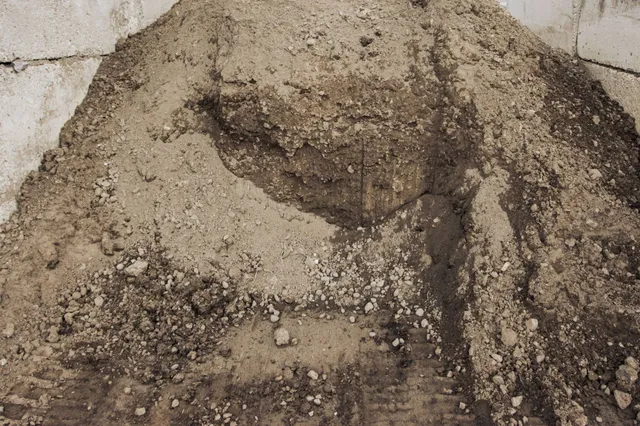
Fill Dirt
Grading & Backfill
See delivered price
View product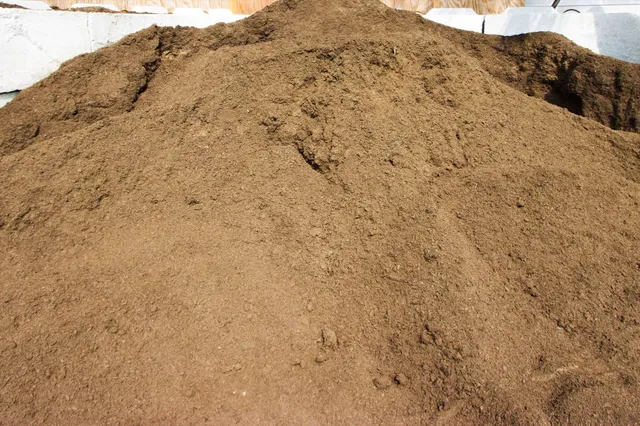
Topsoil
Lawn establishment & Garden beds
See delivered price
View product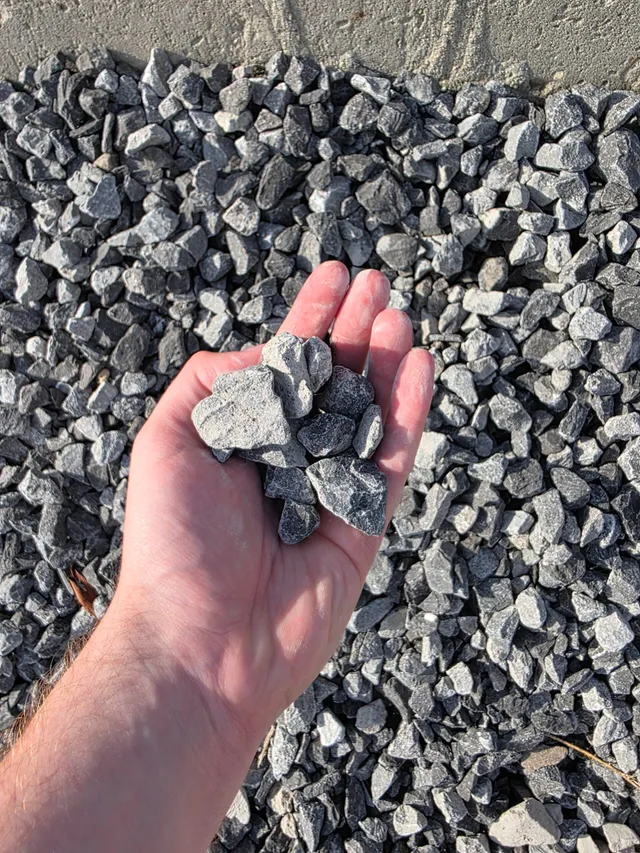
Driveway Gravel
Driveways & Parking areas
See delivered price
View product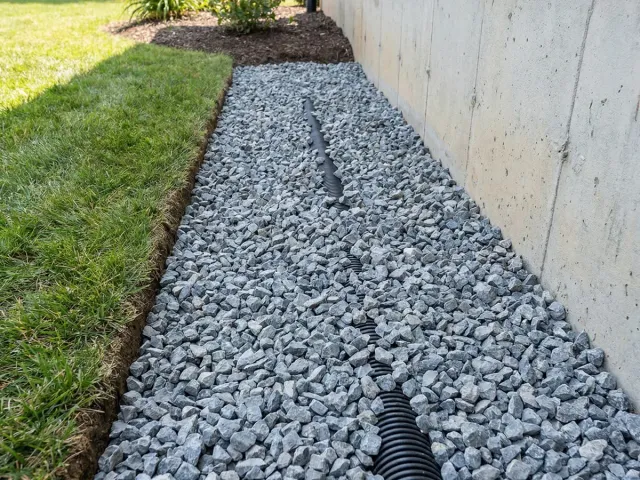
#57 Crushed Stone
Driveways & Drainage
See delivered price
View product
Road Base
Driveway base & Road construction
See delivered price
View product