
Fill Sand vs Fill Dirt (Which to Choose)
Free local estimate
See delivered prices for your ZIP in 60 seconds
Tell us where the project is and we'll price this material — delivered — for your exact ZIP.
- Real delivered pricing for your ZIP — not a generic range.
- Works for any quantity — driveways, pads, drains, or full projects.
- Prefer to talk? We follow up with local availability and delivery windows.
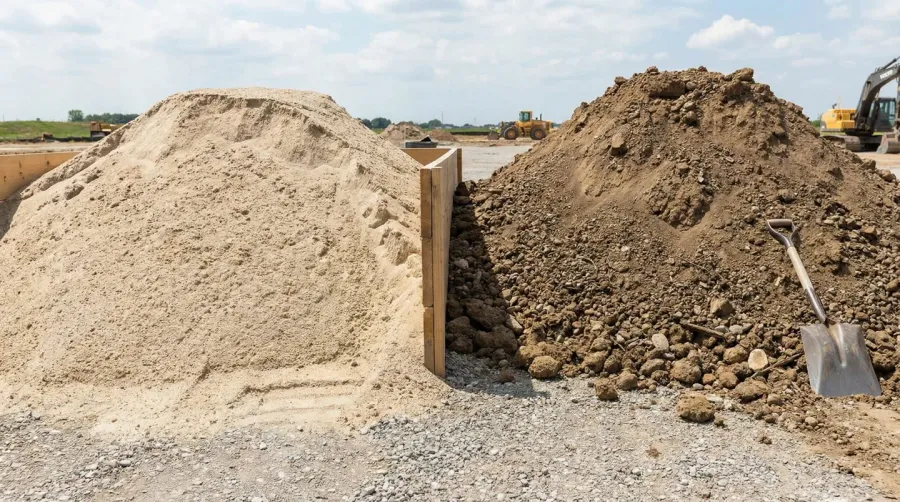
Choosing between fill sand and fill dirt can make or break your construction or landscaping project. While both materials serve as foundational elements, they have completely different properties that determine where and how you should use them. Fill sand excels at drainage and works perfectly around septic systems or under pavers, while fill dirt provides the stability needed for building foundations and major grading projects.
Quick Answer: Fill sand drains water quickly and compacts moderately, making it ideal for wet areas and drainage projects. Fill dirt holds water but provides superior stability for load-bearing foundations and elevation changes.
Understanding these differences will save you time, money, and potential headaches down the road. Whether you’re backfilling around your foundation, creating a patio base, or improving yard drainage, this guide will help you make the right choice for your specific project.
About Hello Gravel
Hello Gravel delivers bulk gravel, rock, dirt, and sand by the ton. Enter your ZIP code to see prices with delivery included. A local dump-truck driver places the load where access is safe; spreading is not included.
What is fill sand and how does it work
Fill sand, also known as sandy fill, consists primarily of fine to medium sand particles that create excellent drainage properties. The spaces between individual sand grains allow water to flow through easily, preventing pooling and moisture retention that can damage foundations or create soggy areas in your yard.
This material compacts reasonably well when properly installed, forming a stable base that can support moderate loads. However, the rounded nature of sand particles means they can shift under heavy or dynamic loads, making fill sand less suitable for major structural foundations.
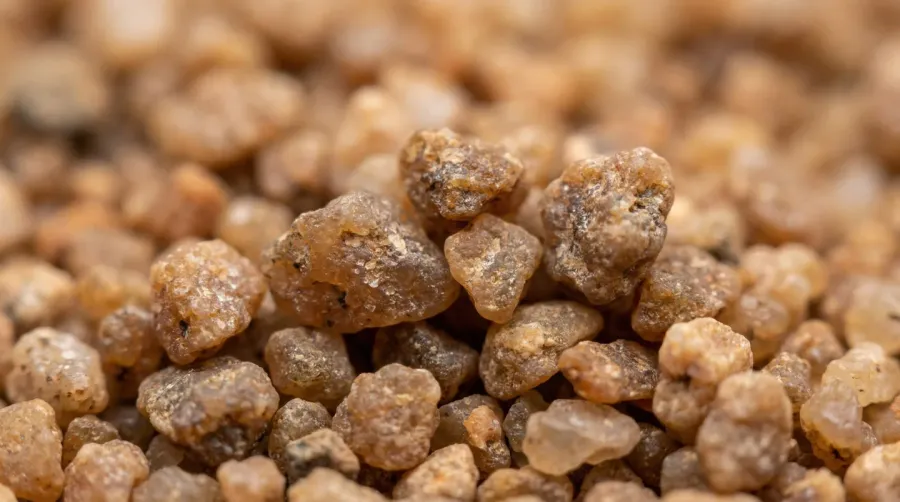
Most fill sand comes as a non-specification mix, meaning it contains various sand sizes rather than engineered gradations. This makes it more affordable than specialized materials while still providing the drainage benefits you need for most residential and light commercial projects.
The key advantage of fill sand lies in its ability to manage water movement. If you’re dealing with areas where water tends to collect or you need to prevent moisture buildup around structures, fill sand creates an effective drainage layer that keeps water moving away from problem areas.
Fill sand vs fill dirt comparison
| Material | Drainage | Stability | Best Uses | Cost Range |
|---|---|---|---|---|
| Fill Sand | Excellent | Moderate | Wet areas, around tanks, under pavers | $15-35/yard |
| Fill Dirt | Poor | High | Foundations, major grading, elevation | $10-25/yard |
| Topsoil | Variable | Low | Planting, final landscaping surface | $20-40/yard |
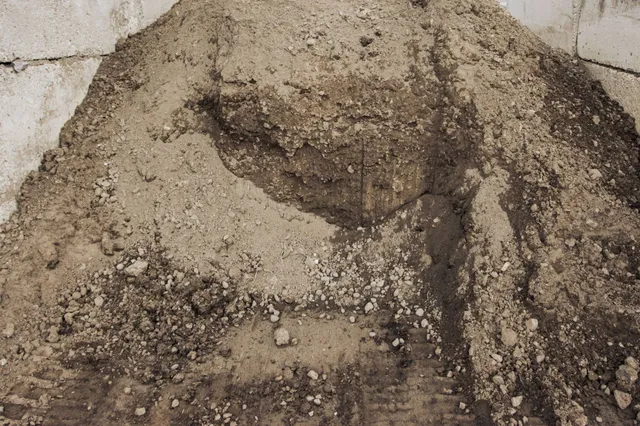
The fundamental difference between these materials comes down to particle size and composition. Fill dirt contains clay and silt particles that pack tightly together, creating a dense, stable base that resists water penetration. This makes it perfect when you need something that won’t move or settle under heavy loads.
Fill sand takes the opposite approach. Its larger, more uniform particles create spaces that allow water to pass through while still providing reasonable compaction. This drainage capability makes it invaluable in wet conditions but less suitable when you need maximum stability.
Pro Tip: Many successful projects use both materials in layers – fill dirt for stability and elevation, topped with fill sand for drainage where needed.
When choosing between them, ask yourself whether your project prioritizes drainage or load-bearing capacity. Building a house foundation? Fill dirt wins every time. Installing a septic system or improving drainage around your pool? Fill sand is your best choice.
Best uses for fill sand in construction and landscaping
Fill sand shines in applications where water management takes priority over maximum load-bearing capacity. Around septic tanks and drain fields, fill sand allows effluent to move through the soil naturally while providing adequate support for the system components.
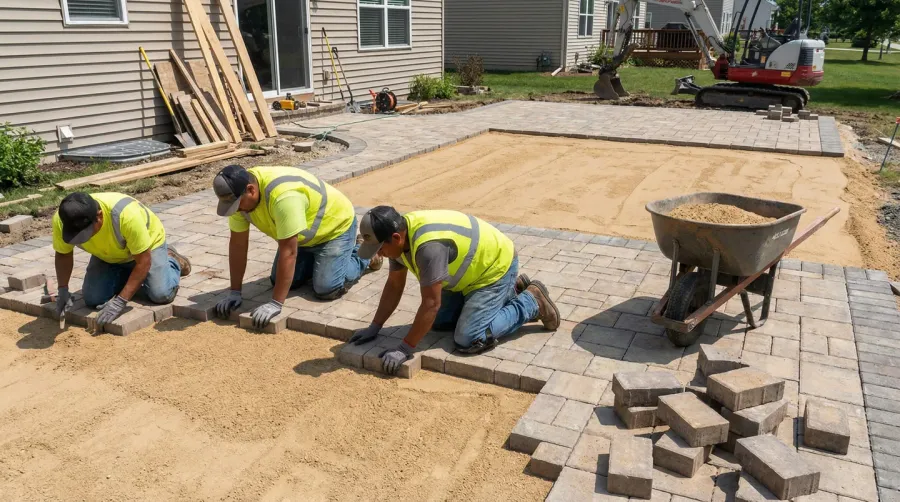
For patio and walkway projects, fill sand creates an excellent base layer under pavers or flagstone. It compacts well enough to prevent settling while allowing any water that penetrates the surface to drain away rather than creating frost heave problems in colder climates.
Backfilling around foundation walls often requires fill sand rather than dirt. The drainage properties prevent hydrostatic pressure buildup that can crack foundation walls or create basement moisture problems. Many building codes actually specify sand backfill for this reason, which is why understanding the difference between fill soil and backfill is crucial for construction projects.
In landscaping, fill sand helps solve drainage problems in low-lying areas or spots with heavy clay soil. Rather than creating raised beds that require constant maintenance, adding fill sand to problem areas improves natural drainage while maintaining a more natural grade.
Utility installations also benefit from fill sand. Around underground propane tanks, electrical conduits, or water lines, the material provides protection while allowing any moisture to drain away rather than pooling around important infrastructure.
Cost factors and how much you need
Fill sand typically costs between $15 and $35 per cubic yard, positioning it in the middle range of fill materials. Several factors influence the final price you’ll pay, with delivery distance being the most significant variable.
Local availability plays a huge role in pricing. Areas near sand pits or quarries enjoy lower costs, while remote locations may see prices increase substantially due to transportation expenses. The quality and cleanliness of the sand also affects pricing, with washed or screened materials commanding premium prices.
Money-Saving Tip: Ordering larger quantities often reduces the per-yard cost significantly. If you have multiple projects or can coordinate with neighbors, bulk orders can cut your material costs by 20-30%.
To estimate how much fill sand you need, calculate the area in square feet and multiply by the desired depth in feet, then divide by 27 to get cubic yards. A typical patio base might need 2-3 inches of sand, while backfilling around a foundation could require 6-12 inches depending on local codes.
Most suppliers offer both pickup and delivery options. Small loads under 5 yards often work better for pickup if you have appropriate equipment, while larger projects benefit from delivered materials that can be placed closer to where you need them.
How to choose the right material for your project
Start by identifying your project’s primary requirement. Does it need to bear heavy loads without settling, or does it need to manage water effectively? This single question eliminates many options and points you toward the right material family.
Consider the long-term environment your fill material will face. Areas exposed to frequent water, like around pools or in low-lying yards, benefit from fill sand’s drainage properties. Structural applications like building pads or driveway bases need the stability that only fill dirt can provide. For projects requiring even more stability, you might want to explore fill dirt versus gravel options.
Think about what goes on top of your fill material. If you’re planning to plant grass or gardens, you’ll need topsoil as the final layer regardless of what fill material you choose underneath. For projects requiring specific soil characteristics, consider options like sandy loam which combines the benefits of both sand and organic matter. For hardscaping like patios or walkways, the base material becomes more critical to long-term performance.
Don’t forget about local building codes and engineering requirements. Many municipalities specify particular materials for foundation backfill, septic installations, or utility work. Check these requirements before making your final decision to avoid costly do-overs. Understanding the distinctions between materials like clean fill and standard fill can help you meet code requirements.
When in doubt, consult with your material supplier about your specific application. Experienced suppliers can often suggest alternatives or combinations you might not have considered, potentially saving money while improving performance.
Ready to get the right fill material for your project? Hello Gravel makes it easy to get high-quality fill sand delivered directly to your site. Our experienced team can help you determine exactly what you need and ensure you get the right material for your specific application. Contact us today for an instant estimate and take the guesswork out of your next project.
FAQ
What is the difference between fill sand and fill dirt?
Fill sand provides excellent drainage due to spaces between sand particles, making it ideal for wet areas and around septic systems. Fill dirt contains clay and silt that creates a dense, stable base but retains water. Choose fill sand when drainage is priority, and fill dirt when you need maximum stability for foundations or heavy loads.
Can you use fill sand under concrete slabs and pavers?
Yes, fill sand works excellently as a base layer under pavers and concrete slabs. It compacts well to prevent settling while allowing water drainage to prevent frost heave problems. For patio projects, typically 2-3 inches of fill sand provides adequate base support under pavers or flagstone.
How much fill sand do I need for my project?
Calculate your area in square feet, multiply by desired depth in feet, then divide by 27 to get cubic yards. For example, a 12×20 foot patio with 3 inches of sand needs: 240 sq ft × 0.25 ft ÷ 27 = 2.2 cubic yards. Add 10-15% extra for compaction and settling.
Is fill sand good for fixing drainage problems in my yard?
Fill sand is excellent for drainage problems, especially in areas with heavy clay soil or standing water. The sand particles create spaces that allow water to flow through naturally rather than pooling. It’s commonly used around septic systems, in low-lying yard areas, and anywhere improved drainage is needed.
Materials for this project
Get it delivered — dumped where you need it
Fill Dirt
Grading & Backfill
See delivered price
View product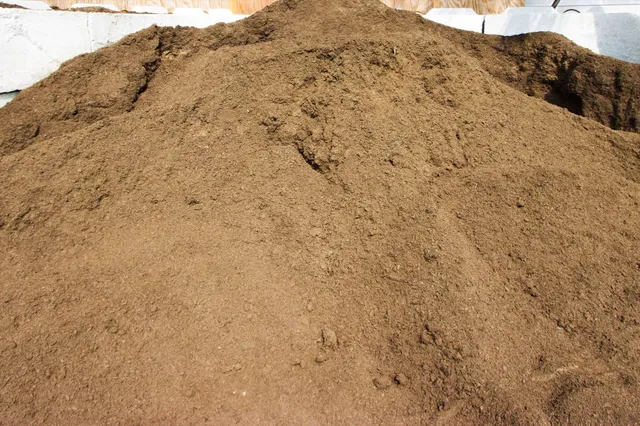
Topsoil
Lawn establishment & Garden beds
See delivered price
View product
Driveway Gravel
Driveways & Parking areas
See delivered price
View product
#57 Crushed Stone
Driveways & Drainage
See delivered price
View product
Road Base
Driveway base & Road construction
See delivered price
View product