
Fill Dirt vs Gravel: Which Material Is Best for Your Project?
Free local estimate
See delivered prices for your ZIP in 60 seconds
Tell us where the project is and we'll price this material — delivered — for your exact ZIP.
- Real delivered pricing for your ZIP — not a generic range.
- Works for any quantity — driveways, pads, drains, or full projects.
- Prefer to talk? We follow up with local availability and delivery windows.
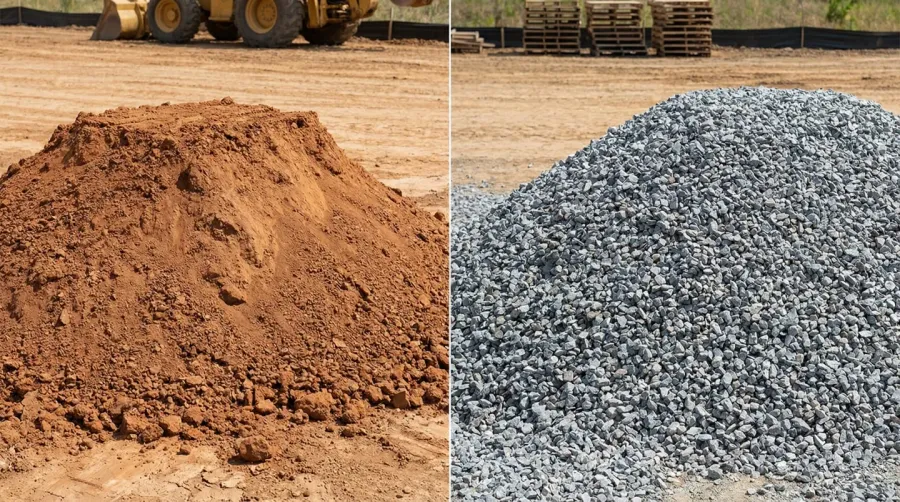
Choosing between fill dirt and gravel can make or break your construction or landscaping project. While fill dirt excels at creating stable foundations and leveling uneven ground, gravel shines when you need excellent drainage and durable surfaces. Understanding when to use each material will save you money, prevent future problems, and ensure your project succeeds long-term.
Quick Answer: Use fill dirt when you need to build up, level, or create structural support. Choose gravel when drainage, load-bearing surfaces, or decorative appeal matter most.
This guide breaks down the key differences between these materials, compares their costs and performance, and shows you exactly which one to pick for common projects like driveways, foundations, and yard grading.
About Hello Gravel
Hello Gravel delivers bulk gravel, rock, dirt, and sand by the ton. Enter your ZIP code to see prices with delivery included. A local dump-truck driver places the load where access is safe; spreading is not included.
Quick Comparison: Fill Dirt vs Gravel
Before diving deep into each material, here’s how fill dirt and gravel stack up against each other:
| Feature | Fill Dirt | Gravel |
|---|---|---|
| Primary use | Structural support, leveling | Drainage, surfaces |
| Drainage | Poor (retains water) | Excellent (water flows through) |
| Cost | Budget-friendly | Moderate to higher |
| Best for | Building pads, grading | Driveways, French drains |
| Avoid for | Wet areas, plant growth | Fine grading work |
This comparison gives you the essentials, but your specific project needs will determine which material works best. Let’s explore what makes each option unique.
What Is Fill Dirt and When Should You Use It?
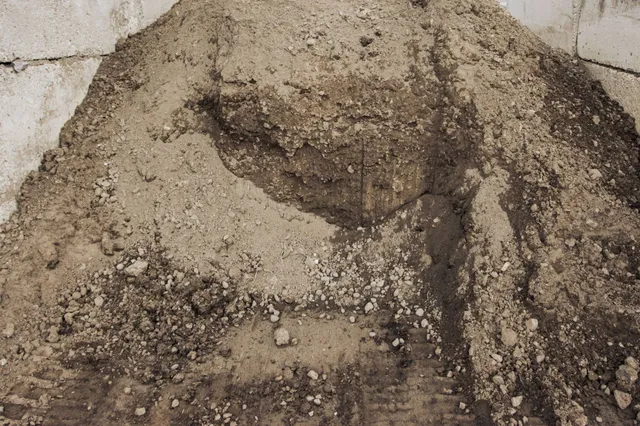
Fill dirt consists mainly of subsoil – the dense layer beneath topsoil that contains clay, sand, and small rock fragments. Unlike topsoil, fill dirt has minimal organic matter, which means it won’t decompose or settle significantly over time.
This stability makes fill dirt perfect for structural projects. You’ll want fill dirt when building house pads, leveling low spots in your yard, backfilling around foundations, or creating the base layer for roads and driveways. The material compacts well and provides solid support for whatever you build on top.
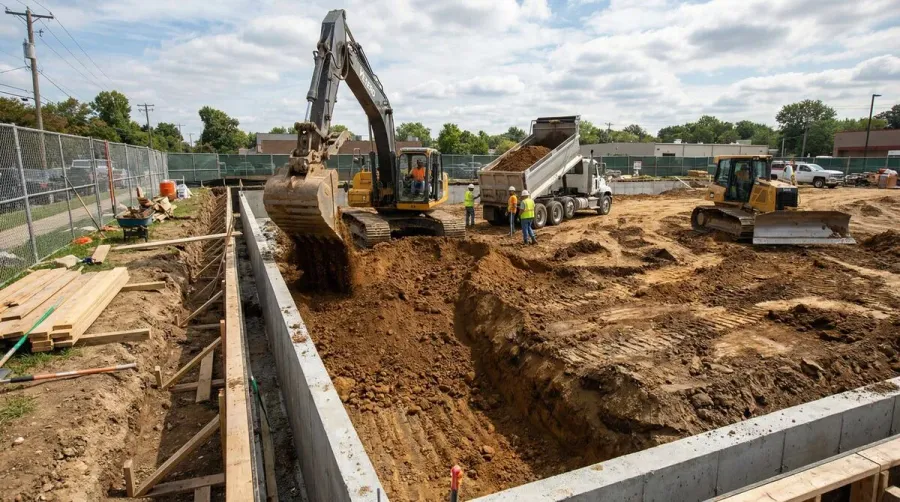
The main advantage of fill dirt is its cost-effectiveness and reliability. Since it doesn’t shift or decompose like organic materials, your foundation stays stable for decades. However, fill dirt drains poorly, so water can pool on the surface. You also can’t grow plants directly in fill dirt since it lacks nutrients and organic matter.
Think of fill dirt as the backbone of your project – it does the heavy lifting behind the scenes but needs other materials on top for functionality and appearance.
Understanding Gravel Types and Applications
Gravel encompasses various sizes and types of rock fragments, from fine pea gravel to larger crushed stone. Angular crushed gravel interlocks better than smooth river rock, making it stronger for structural applications like driveway bases and concrete pads.
You’ll choose gravel for projects requiring drainage or durable surfaces. Common uses include driveway construction, walkway creation, French drain systems, decorative landscaping, and as a base layer under concrete slabs or pavers.
Pro Tip: Angular crushed gravel creates stronger, more stable surfaces than rounded river rock because the jagged edges lock together under pressure.
Gravel’s biggest strength is drainage – water flows through quickly, preventing erosion and water damage. It also handles heavy loads well when properly installed and offers attractive finishing options for visible areas. The downside is higher cost compared to fill dirt, and gravel surfaces may shift under heavy traffic, requiring occasional maintenance.
Key Differences That Impact Your Project Choice
The choice between fill dirt and gravel often comes down to four critical factors that directly affect your project’s success and longevity.
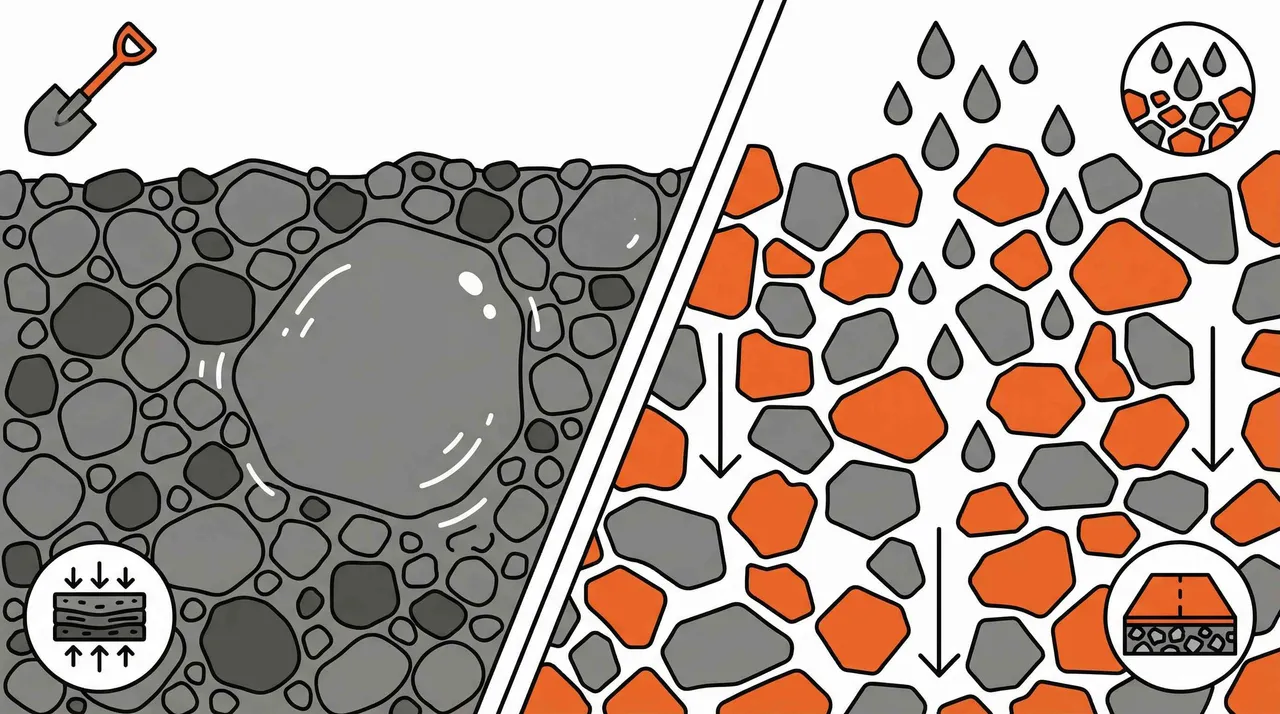
Drainage Performance Gravel allows water to pass through rapidly, making it essential for areas prone to standing water or heavy rainfall. Fill dirt acts more like a barrier, potentially creating drainage problems if not properly managed with additional systems.
Stability and Load-Bearing Properly compacted fill dirt creates an incredibly stable base that won’t shift over time. Gravel provides excellent load distribution through particle interlocking but may require periodic releveling in high-traffic areas.
Cost Considerations Fill dirt typically costs less upfront since it’s often locally sourced from excavation projects. Gravel costs more due to processing and transportation but may save money long-term by preventing drainage issues and foundation problems.
Maintenance Requirements Fill dirt areas need minimal ongoing maintenance once properly installed and covered. Gravel surfaces may require occasional raking, adding fresh material, and vegetation control, especially in decorative applications.
When to Use Fill Dirt vs Gravel for Common Projects
Most successful projects actually use both materials strategically. Here’s how to apply each one for maximum effectiveness.
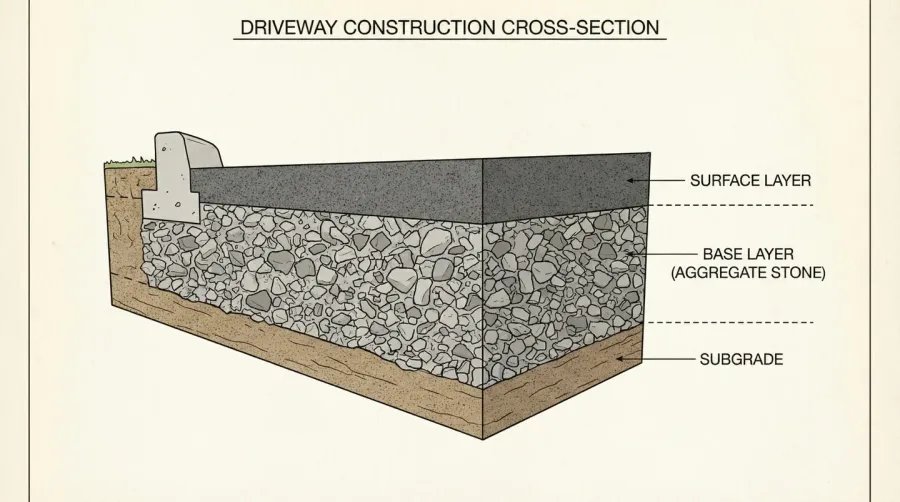
Driveways and Parking Areas Start with compacted fill dirt to level and grade the area, then add a gravel base for strength and drainage. The fill dirt handles the structural work while gravel provides the durable, well-draining surface layer.
Foundations and Building Pads Use fill dirt to build up and level building sites, compacting it in layers for maximum stability. Add gravel around the foundation perimeter for drainage, keeping water away from your structure. When comparing different materials for backfilling around foundations, understanding the specific requirements is crucial.
Drainage and Wet Areas Choose gravel exclusively for French drains, around downspouts, and in areas with standing water problems. Fill dirt would only worsen drainage issues in these locations.
Landscaping and Yard Work Fill dirt works perfectly for regrading slopes, filling depressions, and creating planting areas when topped with quality topsoil. Use decorative gravel for low-maintenance beds, pathways, and erosion control on slopes. For projects requiring better plant growth, consider sandy loam or clay loam as alternatives.
Remember: Many projects benefit from using both materials in different layers or areas rather than choosing just one throughout.
The key is matching each material to its strengths – fill dirt for structure and support, gravel for drainage and finished surfaces. When you understand these roles, your material choices become much clearer. If you’re working with specific soil conditions, learning about different clay types or sandy soils can help you make better decisions.
Whether you’re planning a simple driveway repair or a major landscaping overhaul, the right material choice sets the foundation for long-term success. Consider your drainage needs, load requirements, and budget to make the decision that serves your project best both now and in the future.
FAQ
Is fill dirt or gravel better for a driveway?
Use both materials for best results. Start with compacted fill dirt as the base layer to level and stabilize the area, then add gravel on top for drainage and a durable driving surface. Fill dirt alone retains water and creates muddy conditions, while gravel alone lacks the structural support needed for heavy vehicles.
Can you put gravel directly on dirt?
Yes, but proper preparation is essential. Remove any organic material like grass or topsoil first, then compact the existing dirt. For high-traffic areas like driveways, consider adding landscape fabric between the dirt and gravel to prevent mixing and extend the life of your gravel surface.
Does fill dirt provide good drainage?
No, fill dirt has poor drainage properties. It contains clay and fine particles that retain water rather than allowing it to pass through. This makes fill dirt excellent for structural support and stability, but problematic in areas where water needs to drain away quickly. Use gravel instead for drainage applications.
Can I grow grass over fill dirt?
Not directly. Fill dirt lacks the organic matter and nutrients plants need to grow. To establish grass over fill dirt, you’ll need to add 3-6 inches of quality topsoil on top first. The fill dirt provides stable foundation while the topsoil creates the proper growing environment for grass and other plants.
Materials for this project
Get it delivered — dumped where you need it
Fill Dirt
Grading & Backfill
See delivered price
View product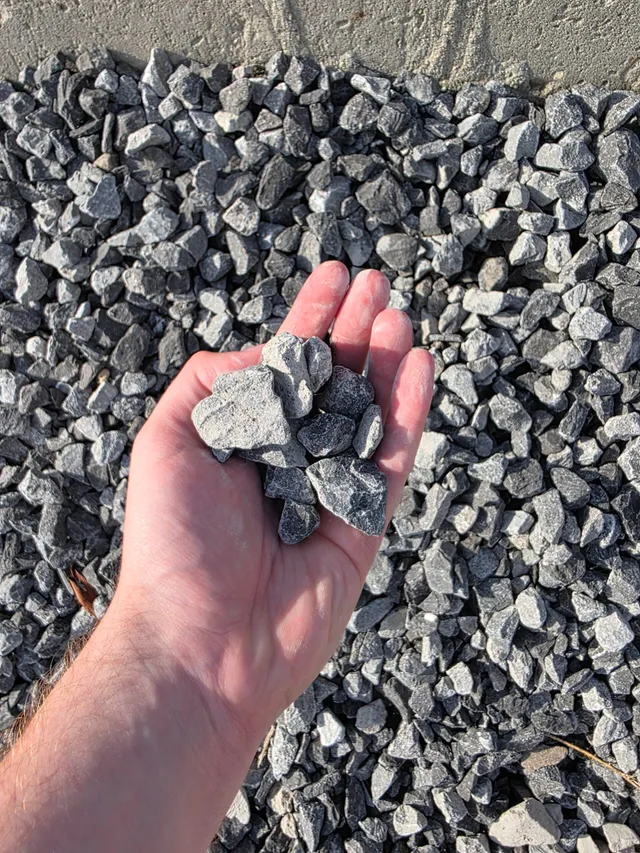
Driveway Gravel
Driveways & Parking areas
See delivered price
View product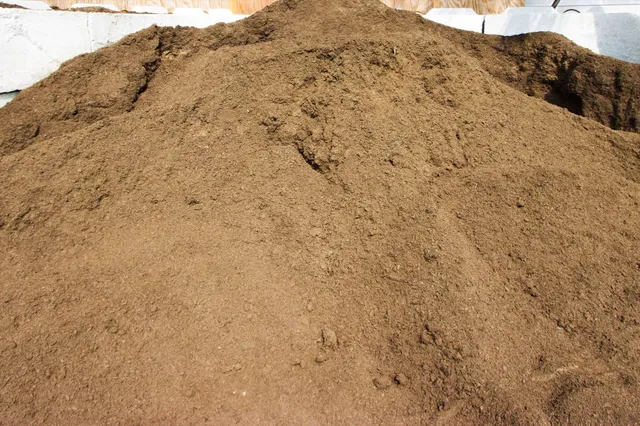
Topsoil
Lawn establishment & Garden beds
See delivered price
View product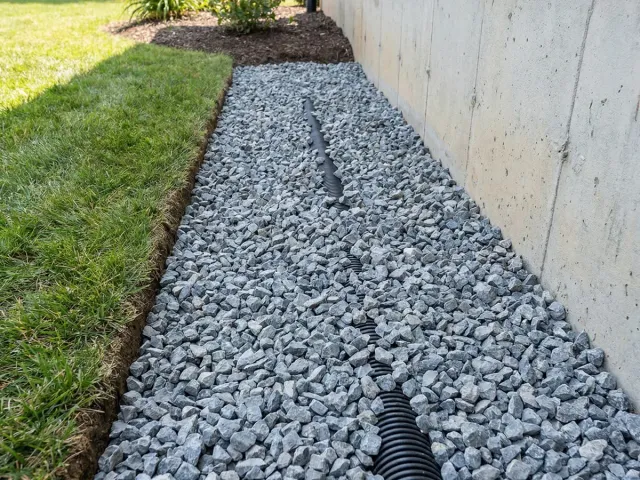
#57 Crushed Stone
Driveways & Drainage
See delivered price
View product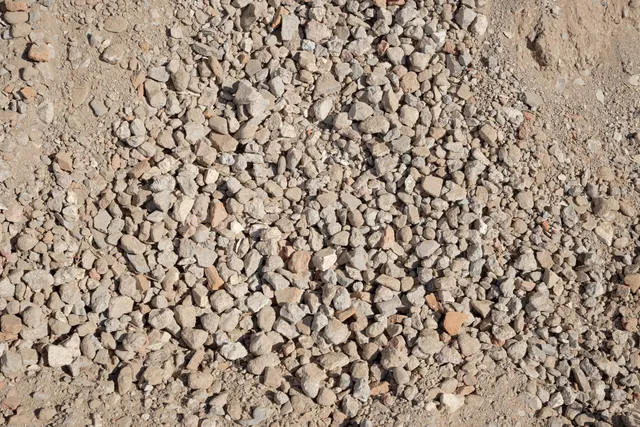
Road Base
Driveway base & Road construction
See delivered price
View product