Silty Loam Soil Guide Properties, Uses, and Cost Analysis
Published on: January 20, 2026
Get an estimate for your project in 60 seconds
 Your information is secure
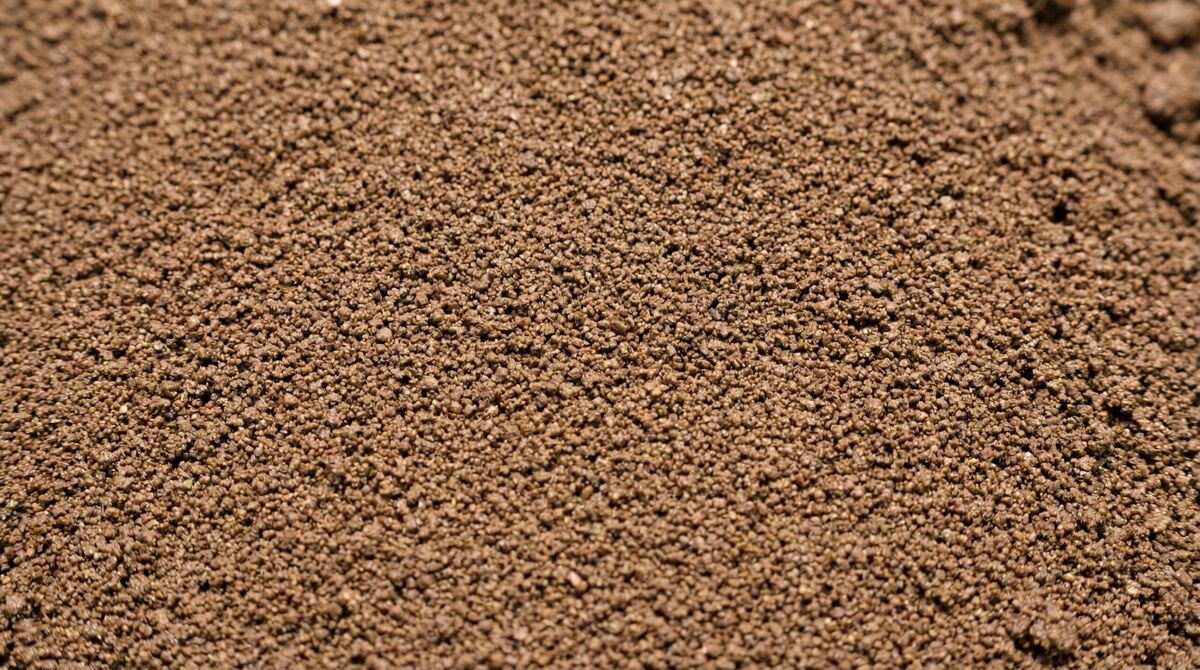
Silty loam soil represents one of the most prized soil types for agriculture and gardening, combining the best characteristics of sand, silt, and clay particles. This soil type contains a higher proportion of silt particles compared to regular loam, typically ranging from 50-80% silt content. You’ll find silty loam naturally occurring in river valleys and floodplains where sediment deposits create these fertile growing conditions.
What makes silty loam special is its exceptional ability to retain both moisture and nutrients while maintaining good drainage. The fine silt particles create a smooth, flour-like texture that holds water effectively, while the balanced composition prevents the compaction issues common with heavy clay soils. According to soil science research from extension.oregonstate.edu, this texture determines crucial factors like drainage, aeration, and nutrient storage capacity.
Quick Fact: Silty loam typically costs between $20-50 per cubic yard, making it more expensive than sandy soils but often more cost-effective long-term due to reduced fertilizer and irrigation needs.
What makes silty loam unique
Silty loam stands apart from other soil types through its distinctive particle composition and resulting properties. The soil contains silt particles measuring between 0.002mm and 0.05mm in diameter, which are larger than clay but smaller than sand particles. This size creates the perfect balance for plant growth.
The texture feels smooth and almost floury when dry, becoming slightly slippery when wet. Unlike pure clay that becomes sticky and hard to work, silty loam maintains workability across different moisture levels. The color typically ranges from brown to gray, influenced by organic matter content and mineral composition.
Most silty loam soils maintain a neutral to slightly acidic pH between 6.0-7.0, making them suitable for a wide variety of plants. This pH range allows optimal nutrient availability, as most essential plant nutrients become readily accessible within this range.
The granular structure of silty loam creates excellent conditions for root penetration and water infiltration. However, you should be aware that this soil type can become compacted under heavy traffic or when worked while too wet, potentially limiting air circulation and root growth.
Key advantages and limitations
Silty loam offers several compelling benefits that make it highly sought after for agricultural and horticultural applications. The high silt content creates an enormous surface area for nutrient retention, allowing the soil to hold onto essential elements like nitrogen, phosphorus, and potassium more effectively than sandy soils.
Water retention represents another major advantage. The fine particles hold moisture well without becoming waterlogged, providing plants with consistent access to water during dry periods. This characteristic reduces irrigation needs and helps plants survive drought conditions better than in sandy soils.
Important Note: While silty loam excels in nutrient and water retention, it can become prone to erosion on slopes and may compact easily when worked under poor conditions.
The main limitations include susceptibility to erosion, especially on sloped areas during heavy rainfall. The fine particles can wash away more easily than heavier sand or gravel. Additionally, silty loam can become compacted if you work it when too wet or subject it to heavy foot traffic, reducing its beneficial properties.
Compared to other soil types, silty loam requires more careful management but rewards proper care with superior plant performance. Sandy loam drains too quickly and requires frequent watering, while clay soils often become waterlogged and difficult to work.
Agricultural and horticultural applications
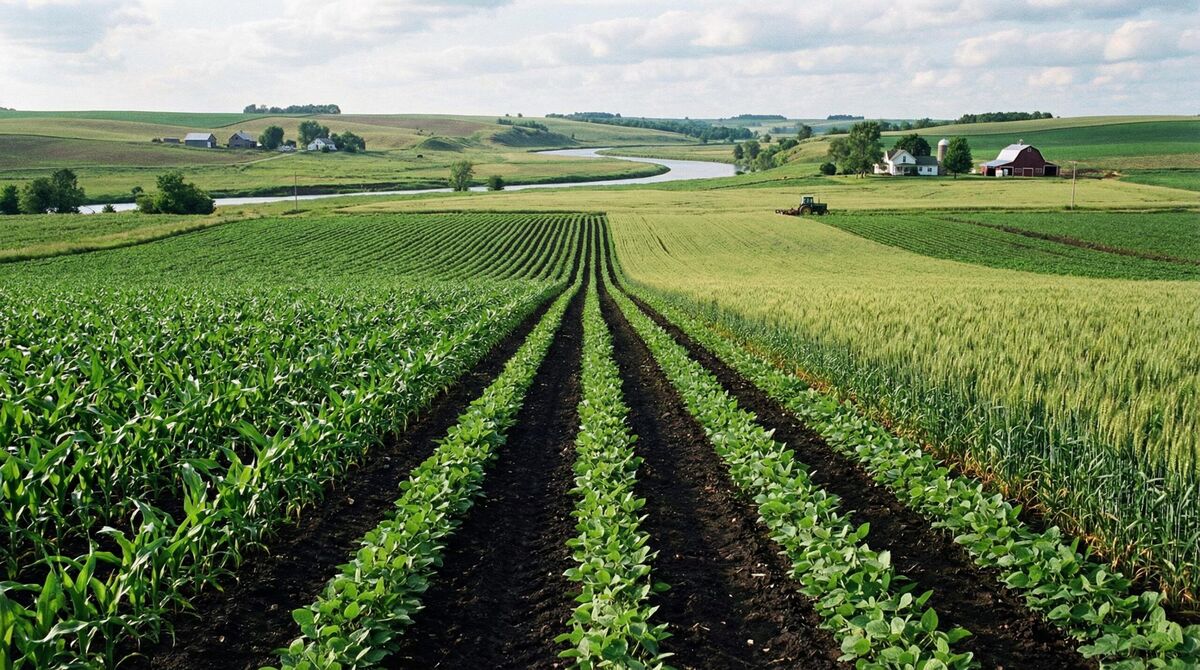
Farmers and commercial growers prize silty loam for its ability to support high-yielding crops. Corn, wheat, and soybeans perform exceptionally well in this soil type, benefiting from the consistent moisture and nutrient availability. The soil’s structure allows for easy root penetration while providing the stability needed for tall crops.
In organic farming systems, silty loam supports diverse microbial communities essential for soil health. The balanced texture provides habitat for beneficial organisms while the nutrient-holding capacity reduces the need for external inputs.
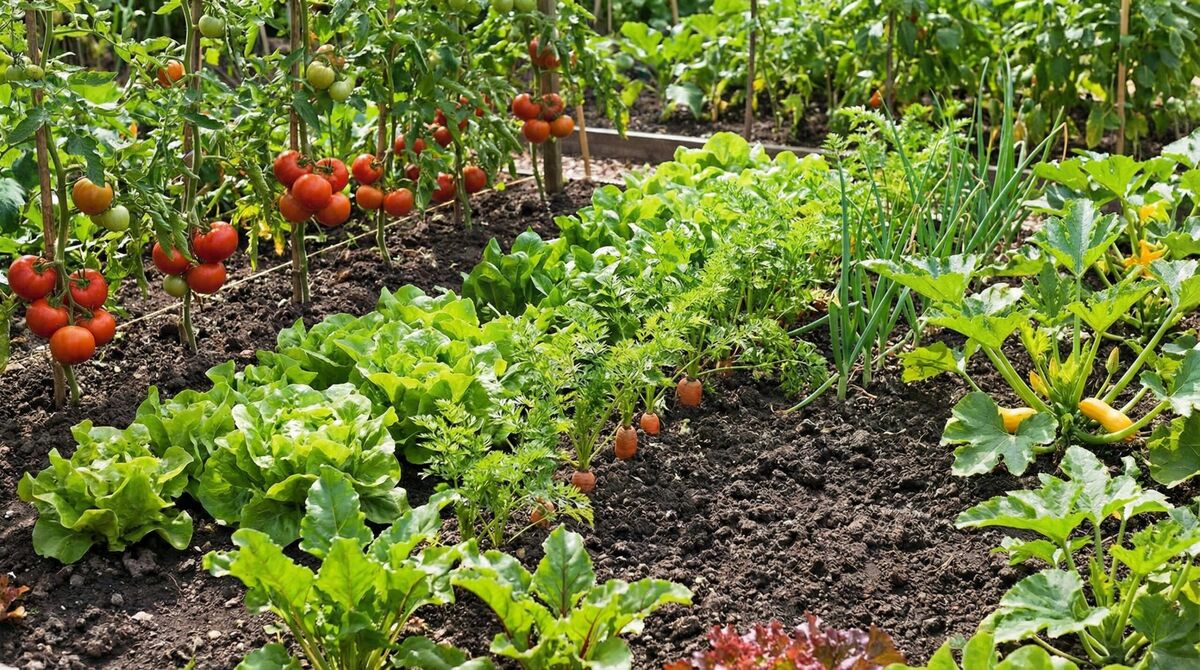
For home gardeners, silty loam creates ideal conditions for vegetable gardens, flower beds, and fruit trees. The soil works well for both shallow-rooted crops like lettuce and deep-rooted plants like tomatoes. Its neutral pH accommodates most garden plants without requiring significant amendments.
Landscaping professionals often choose silty loam for establishing lawns and ornamental plantings. The soil provides the moisture retention needed for grass establishment while supporting healthy root development. However, proper drainage must be ensured to prevent waterlogging in low-lying areas.
The soil also works well for container gardening when mixed with other amendments, though pure silty loam may be too dense for potted plants without additional perlite or compost.
Cost factors and purchasing considerations
The price of silty loam varies significantly based on quality, location, and quantity needed. According to current market data from hellogravel.com, expect to pay $20-50 per cubic yard for quality silty loam, with premium grades commanding higher prices.
Several factors influence cost beyond base price. High-quality silty loam that’s been screened and tested for contaminants costs more than basic field-run material. Location plays a major role, as transportation costs can double the price for distant deliveries.
| Factor | Impact on Cost | Typical Range |
|---|---|---|
| Quality Grade | High | $30-50/yard |
| Standard Grade | Medium | $20-35/yard |
| Bulk Quantity | Lower per yard | 15-25% discount |
| Delivery Distance | Variable | $50-200 fee |
Quantity purchases often provide savings, with many suppliers offering bulk discounts for orders over 10 cubic yards. However, consider storage and timing needs before ordering large quantities, as soil quality can degrade if stored improperly.
When comparing costs with other soil types, remember that silty loam’s superior properties often justify the higher initial investment. Sandy fill may cost less upfront but requires more frequent watering and fertilization. Clay loam might need expensive amendments to improve drainage and workability.
For most gardening and landscaping projects, the long-term benefits of silty loam make it a cost-effective choice despite higher initial costs.
Understanding silty loam’s properties and applications helps you make informed decisions for your specific needs. Whether you’re planning a vegetable garden, establishing a lawn, or managing agricultural land, this versatile soil type offers excellent performance when properly managed. The investment in quality silty loam typically pays dividends through improved plant health, reduced maintenance needs, and better long-term soil structure.
FAQ
What is silty loam soil?
What are the main characteristics of silty loam soil?
Is silty loam good for farming and gardening?
How much does silty loam soil cost?
Author: