What is Clay Loam Soil and Why Gardeners Love It
Published on: January 31, 2026
Get an estimate for your project in 60 seconds

If you’ve ever wondered why some gardens thrive while others struggle, the answer often lies beneath the surface. Clay loam soil represents the sweet spot that most gardeners dream of achieving. This balanced soil type combines the best characteristics of clay, silt, and sand particles to create an environment where plants can truly flourish.
According to the USDA soil classification system, clay loam contains 20-30% clay particles, 30-50% silt, and less than 52% sand. This specific combination gives clay loam its reputation as one of the most productive soil types for both agriculture and home gardening.
Quick Fact: Clay loam can hold up to 25% more water than sandy soils while still maintaining proper drainage, making it ideal for most crops and garden plants.
Understanding Clay Loam Composition
Clay loam gets its name from having a higher proportion of clay particles compared to other loam types. These tiny clay particles, measuring less than 0.002 millimeters in diameter, create the foundation for this soil’s exceptional properties.
The magic happens when these microscopic clay particles work alongside medium-sized silt particles and larger sand grains. Think of it like a well-designed puzzle where each piece serves a specific purpose. The clay provides nutrient storage and water retention, silt adds fertility and smooth texture, while sand ensures proper drainage and prevents compaction.
What makes clay loam special is its structure. The clay particles naturally form stable aggregates that create the perfect balance of air spaces and water-holding pockets. This means your plants get consistent moisture without becoming waterlogged, and their roots can still breathe properly.

Physical Properties That Make Clay Loam Ideal
The physical characteristics of clay loam explain why experienced gardeners consider it the gold standard. Its water-holding capacity stands out as perhaps its most valuable feature. While sandy soils let water drain away too quickly and heavy clay holds too much water, clay loam strikes the perfect balance.
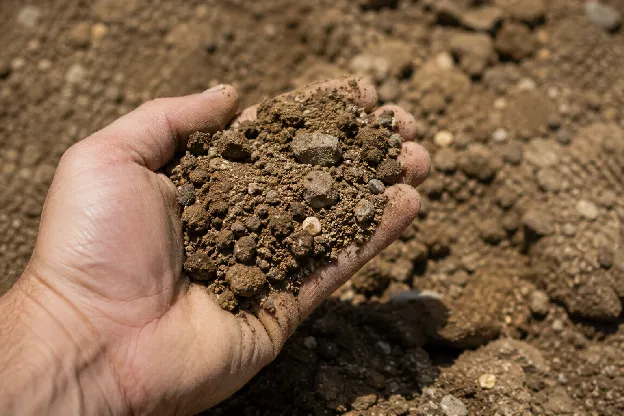
You can actually test clay loam by feel. When you squeeze moist clay loam in your hand, it forms a ribbon about 1-2 inches long before breaking. It feels slightly gritty from the sand particles but maintains enough cohesion to hold together. This “ribbon test” helps gardeners identify clay loam in the field.
The soil structure also promotes excellent root penetration. Unlike pure clay that can become hard and impenetrable when dry, clay loam maintains its workable texture throughout different moisture conditions. This means plant roots can easily explore the soil to find nutrients and water.
Pro Tip: Clay loam typically maintains its structure even after heavy rains, reducing the need for frequent soil amendments and making garden maintenance easier.
Chemical Benefits for Plant Growth
Beyond its physical advantages, clay loam excels chemically. The high surface area of clay particles creates what soil scientists call “cation exchange capacity” or CEC. In simple terms, this means clay loam can grab onto and store essential nutrients like potassium, calcium, and magnesium, then release them slowly to plant roots.
This nutrient-holding ability translates to real benefits in your garden. You’ll find that fertilizers last longer in clay loam compared to sandy soils where nutrients quickly wash away. The soil acts like a natural slow-release fertilizer system, providing steady nutrition throughout the growing season.
Most clay loam soils naturally maintain a pH between 6.0 and 7.0, which happens to be the ideal range for most garden plants and crops. This near-neutral pH ensures that nutrients remain available to plants rather than getting locked up in chemical forms they can’t use.
Practical Uses in Agriculture and Gardening
Clay loam’s versatility makes it valuable across different growing situations. In agriculture, farmers prize clay loam fields for growing everything from corn and soybeans to vegetables and fruit trees. The soil’s ability to retain moisture during dry spells while draining excess water during wet periods creates stable growing conditions.
For home gardeners, clay loam works exceptionally well in raised beds, container gardens, and traditional in-ground plantings. Vegetable gardeners particularly appreciate how clay loam supports heavy-feeding crops like tomatoes and peppers while also working well for root vegetables that need good drainage.
The soil’s natural resistance to erosion makes it ideal for sloped areas where other soil types might wash away during heavy rains. This stability also means less soil replacement and amendment over time, making clay loam a cost-effective choice for long-term gardening projects.

| Soil Type | Water Retention | Drainage | Nutrient Holding | Workability |
|---|---|---|---|---|
| Clay Loam | Excellent | Good | Excellent | Good |
| Sandy Loam | Fair | Excellent | Fair | Excellent |
| Silt Loam | Good | Fair | Good | Good |
| Pure Clay | Excellent | Poor | Excellent | Poor |
Cost Considerations and Value
When purchasing clay loam, expect to pay between $25 and $55 per cubic yard, depending on your location and the supplier’s processing methods. While this might seem expensive compared to basic fill dirt, the long-term benefits often justify the initial investment.
Several factors influence clay loam pricing. Screened and processed clay loam costs more than raw soil but provides better consistency and fewer weeds or debris. Bulk purchases typically reduce the per-yard cost, making larger projects more economical.
Money-Saving Insight: Clay loam’s nutrient retention means you’ll spend less on fertilizers over time, and its stability reduces the need for frequent soil replacement or major amendments.
The real value becomes apparent when you consider reduced maintenance costs. Gardens planted in quality clay loam typically require less frequent watering, fewer fertilizer applications, and minimal soil amendments. Many gardeners find that the improved plant health and higher yields more than compensate for the initial soil investment.
Clay loam represents an investment in your garden’s future success. Its balanced properties create an environment where plants can reach their full potential while requiring less intensive management from you. Whether you’re starting a new garden bed or improving existing soil with sandy loam or silty loam blends, understanding clay loam’s benefits helps you make informed decisions that will pay dividends for years to come.
Ready to experience the benefits of premium clay loam for your next gardening project? At Hello Gravel, we provide high-quality clay loam delivered directly to your location. Our carefully sourced and processed clay loam gives you the foundation for gardening success, backed by our commitment to quality and customer service.
FAQ
What is clay loam soil and how is it different from regular loam?
What plants grow best in clay loam soil?
How much does clay loam soil cost and is it worth the investment?
How can I identify clay loam soil in my garden?
Author: