
Sandy Loam Soil Characteristics, Uses, and Benefits
Free local estimate
See delivered prices for your ZIP in 60 seconds
Tell us where the project is and we'll price this material — delivered — for your exact ZIP.
- Real delivered pricing for your ZIP — not a generic range.
- Works for any quantity — driveways, pads, drains, or full projects.
- Prefer to talk? We follow up with local availability and delivery windows.
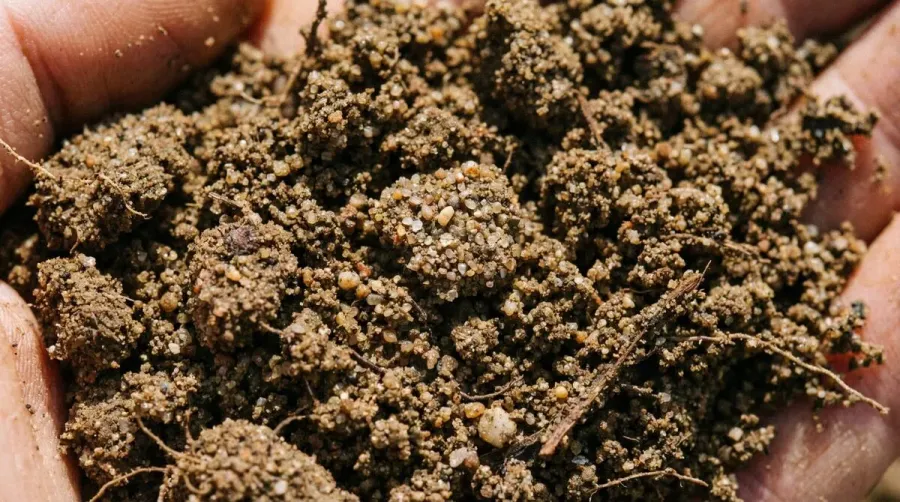
Sandy loam soil represents one of the most versatile and widely used soil types in both agriculture and construction. This balanced soil composition contains approximately 60% sand, 30% silt, and 10% clay, creating a unique texture that offers excellent drainage while maintaining moderate nutrient retention capabilities.
Key Insight: Sandy loam’s balanced particle composition makes it ideal for crops requiring good drainage, such as root vegetables, while its loose texture allows for easy cultivation and compaction in construction projects.
Understanding sandy loam’s properties helps you make informed decisions whether you’re planning agricultural activities, construction projects, or landscaping endeavors. According to hellogravel.com/guides, this soil type costs between $20-$50 per cubic yard, making it an economical choice for various applications.
About Hello Gravel
Hello Gravel delivers bulk gravel, rock, dirt, and sand by the ton. Enter your ZIP code to see prices with delivery included. A local dump-truck driver places the load where access is safe; spreading is not included.
What makes sandy loam unique
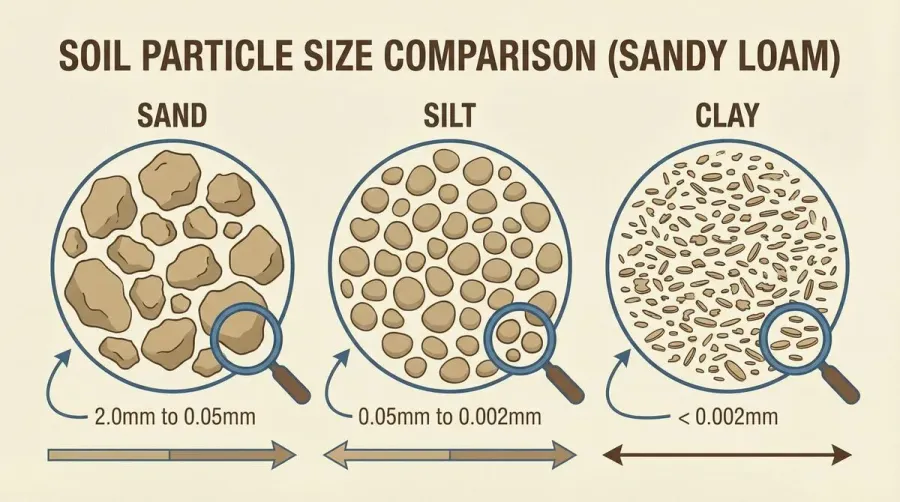
Sandy loam gets its name from its dominant sand content combined with smaller amounts of silt and clay particles. The sand particles, measuring between 0.05mm and 2mm in diameter, provide the soil’s characteristic gritty texture and excellent drainage properties. Meanwhile, the smaller silt particles (0.002mm to 0.05mm) and clay particles (less than 0.002mm) contribute to nutrient retention and soil cohesiveness.
This particle combination creates a granular structure with a light color and loose consistency. You can easily identify sandy loam by its crumbly texture when damp and its ability to drain water quickly without becoming waterlogged. The soil feels gritty to the touch due to the high sand content, yet maintains enough structure from the silt and clay components to hold its shape temporarily when squeezed.
The formation process involves weathering of rocks, particularly sandstone and other sedimentary rocks, combined with decomposition of organic material. Wind, water, and ice transport these particles over time, allowing them to accumulate and mix with organic matter. Coastal areas often contain sandy loam where beach sand combines with inland silt and clay deposits.
Agricultural applications and benefits
Sandy loam excels in agricultural settings due to its balanced drainage and nutrient retention properties. The soil’s structure prevents waterlogging while allowing plant roots to access both water and oxygen efficiently. This makes it particularly suitable for root vegetables like carrots and potatoes, which can rot in overly wet conditions.
Growing Tip: Sandy loam warms up quickly in spring, extending your growing season and allowing for earlier planting compared to heavier clay soils.
The loose texture makes cultivation easier, reducing the effort needed for tilling and planting. However, sandy loam typically requires additional fertilization since it doesn’t retain nutrients as effectively as clay-rich soils. You can enhance its fertility by adding organic matter such as compost or well-rotted manure.
Crops that thrive in sandy loam include grapes, which benefit from the excellent drainage that prevents fungal diseases, and various vegetables that require consistent but not excessive moisture. The soil’s workability also makes it ideal for crops requiring regular cultivation throughout the growing season.
Construction and engineering uses
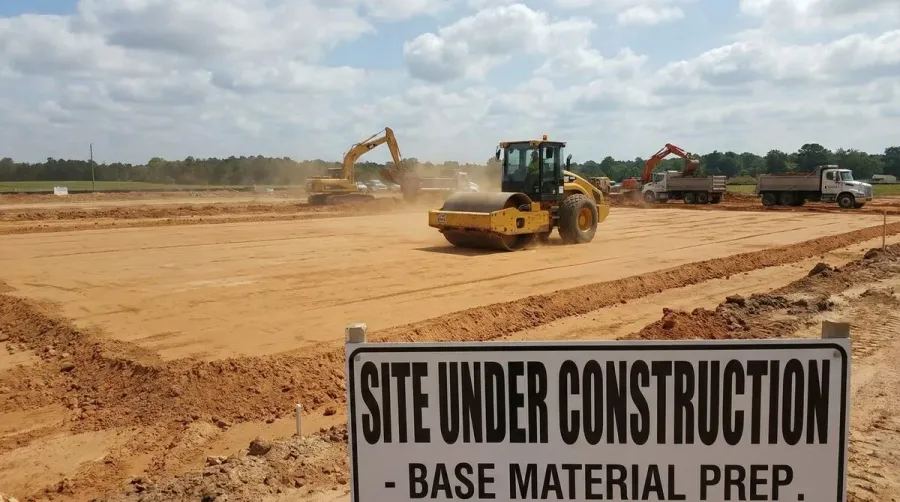
In construction, sandy loam serves multiple purposes due to its drainage capabilities and compaction properties. The soil’s loose texture allows for easy compaction, making it valuable as a base material for roads, buildings, and other structures. Its drainage properties prevent water accumulation that could cause structural problems over time.
According to hellogravel.com/guides, sandy loam is commonly used in septic system construction where it filters and treats wastewater effectively. The large sand particles allow water to pass through quickly while the smaller silt and clay particles help remove impurities, creating an environmentally friendly treatment option.
The soil’s stability when compacted makes it suitable for foundation work, though engineers must consider its lower bearing capacity compared to denser soils. For projects requiring higher structural integrity, contractors often compare fill dirt options to determine the best material for their specific needs. Proper grading and geotextile reinforcement can enhance its performance in construction applications.
Cost factors and practical considerations
Sandy loam pricing varies significantly based on quality, location, and quantity requirements. High-quality sandy loam with balanced composition and rich organic matter commands higher prices than standard grades. Regional availability affects costs substantially, with areas lacking natural sandy loam deposits requiring expensive importation.
| Soil Type | Average Cost per Cubic Yard | Nutrient Content | Drainage |
|---|---|---|---|
| Sandy Loam | $20-$50 | Moderate | Excellent |
| Clay Soil | $40-$100 | High | Poor |
| Potting Mix | $60-$120 | Very High | Good |
Bulk purchases often provide cost savings, though you’ll need to factor in delivery expenses for large quantities. Distance from the source location significantly impacts transportation costs, making local sourcing more economical when possible. If you’re wondering about how much fill dirt you need for your project, using a calculator can help you estimate quantities and costs accurately.
Budget Planning: Consider your project’s specific nutrient requirements when choosing between sandy loam and more expensive, nutrient-rich alternatives, as sandy loam can be amended cost-effectively with organic matter.
Quality assessment involves checking the soil’s composition balance, organic matter content, and absence of contaminants. Testing services can verify pH levels and nutrient content, helping you determine if additional amendments are necessary for your intended use.
Sandy loam’s versatility and moderate cost make it an excellent choice for projects requiring good drainage and workability. Whether you’re establishing agricultural plots, constructing foundations, or creating landscape features, understanding its properties helps you maximize its benefits while planning for any necessary amendments or modifications.
The soil’s balanced characteristics provide a solid foundation for success in various applications, from supporting healthy crop growth to creating stable construction bases. By considering factors like local availability, quality requirements, and intended use, you can make informed decisions that optimize both performance and cost-effectiveness for your specific project needs. For those exploring different soil options, comparing blended soils can also provide insights into custom mixtures that might better suit specialized applications.
FAQ
What is sandy loam soil made of?
Sandy loam soil is composed of approximately 60% sand particles (0.05mm to 2mm), 30% silt particles (0.002mm to 0.05mm), and 10% clay particles (less than 0.002mm). This balanced composition creates a soil with excellent drainage from the sand, moderate nutrient retention from the silt and clay, and good workability for both agricultural and construction applications.
What does sandy loam soil look like and feel like?
Sandy loam has a light-colored, granular appearance with a crumbly texture. When you touch it, it feels gritty due to the high sand content but maintains enough structure to hold its shape temporarily when squeezed while damp. The soil drains water quickly without becoming waterlogged and has a loose consistency that makes it easy to work with.
Is sandy loam good for growing grass and vegetables?
Yes, sandy loam is excellent for both grass and vegetables. For lawns, it provides good drainage that prevents waterlogging while retaining enough moisture and nutrients for healthy growth. For vegetables, it’s particularly ideal for root crops like carrots and potatoes, as well as grapes and other plants that require well-draining soil. The soil warms up quickly in spring, extending the growing season.
How much does sandy loam soil cost?
Sandy loam soil typically costs between $20-$50 per cubic yard, making it an economical choice for various projects. The price varies based on quality, location, and quantity requirements. High-quality sandy loam with rich organic matter commands higher prices, while regional availability significantly affects costs, with areas lacking natural deposits requiring expensive importation.
Materials for this project
Get it delivered — dumped where you need it
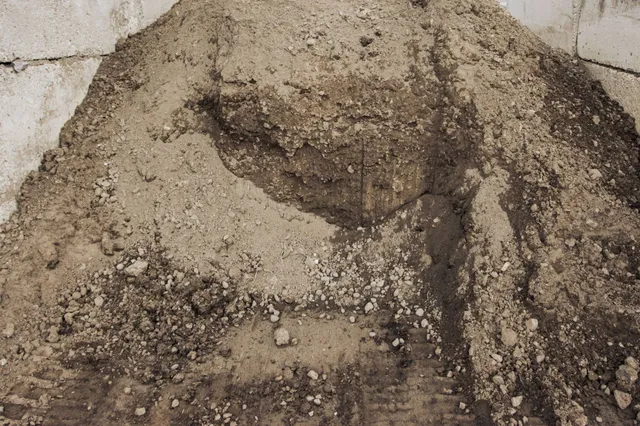
Fill Dirt
Grading & Backfill
See delivered price
View product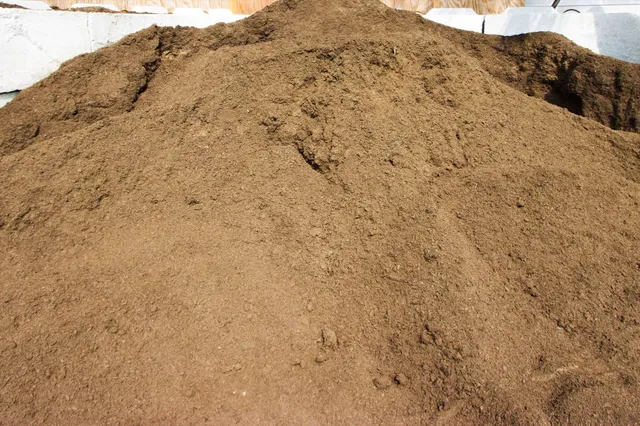
Topsoil
Lawn establishment & Garden beds
See delivered price
View product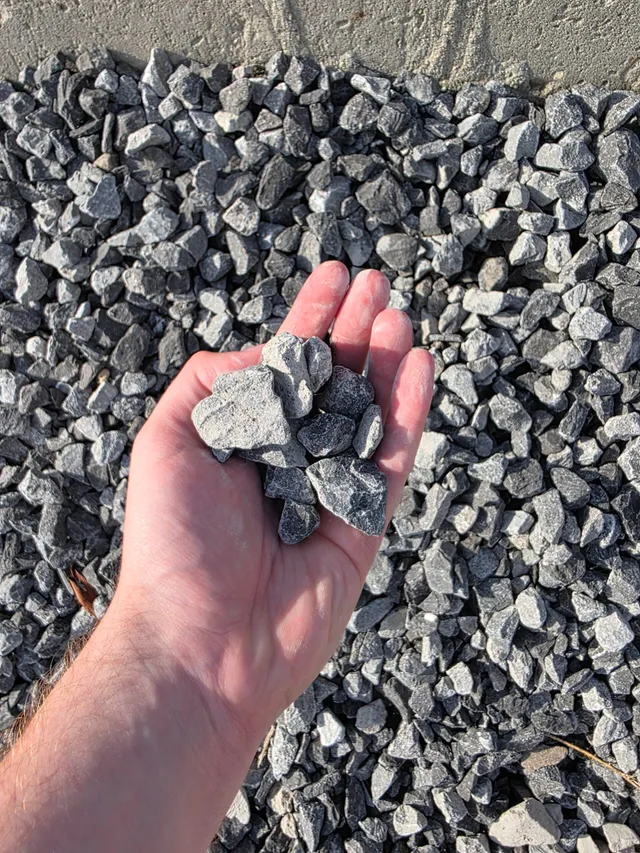
Driveway Gravel
Driveways & Parking areas
See delivered price
View product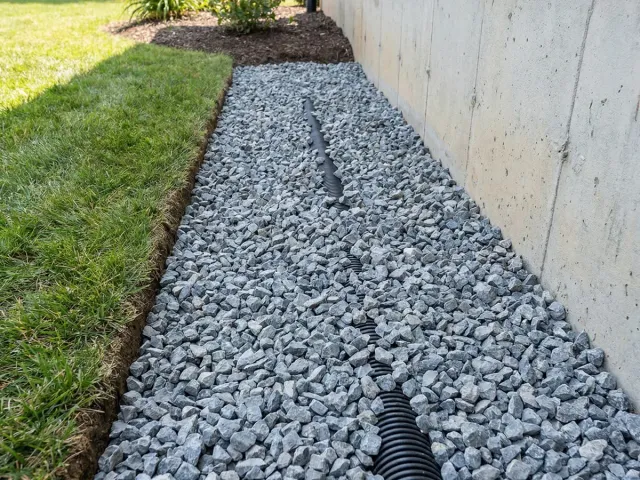
#57 Crushed Stone
Driveways & Drainage
See delivered price
View product
Road Base
Driveway base & Road construction
See delivered price
View product