Fill Dirt vs Sandy Loam Which Soil Type is Best for Your Project
Published on: January 29, 2026
Get an estimate for your project in 60 seconds

Choosing the wrong soil material can cost you thousands in project delays and repairs. Fill dirt excels in construction projects requiring stability, while sandy loam is ideal for gardening and landscaping where drainage and plant growth matter most. Understanding these differences helps you select the right material from the start.
Quick Answer: Fill dirt provides structural stability for construction projects, while sandy loam offers excellent drainage and nutrients for plant growth. Your project type determines which material works best.
Both materials serve distinct purposes in construction and landscaping. This guide breaks down their unique properties, applications, and helps you make the right choice for your specific needs.
What is Fill Dirt and When Should You Use It
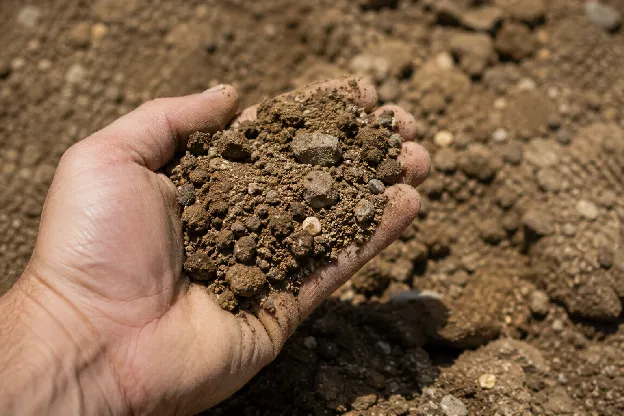
Fill dirt consists of subsoil material found beneath the topsoil layer. According to hellogravel.com, this material typically contains a mixture of clay, sand, and silt but lacks organic matter, making it highly stable and resistant to settling over time.
The absence of organic content prevents decomposition that could cause ground movement. This stability makes fill dirt perfect for creating solid foundations and level surfaces. Construction professionals rely on fill dirt because it compacts well and maintains its structure under heavy loads.

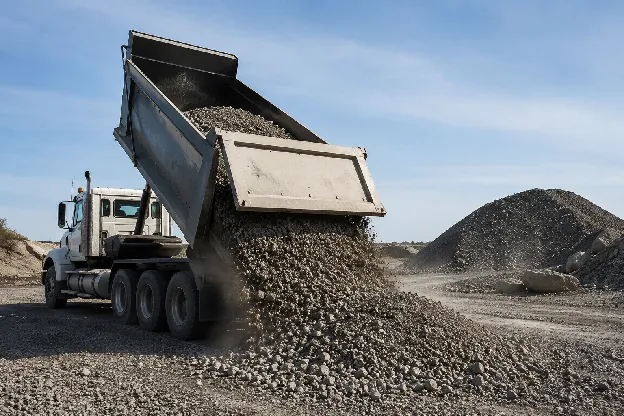
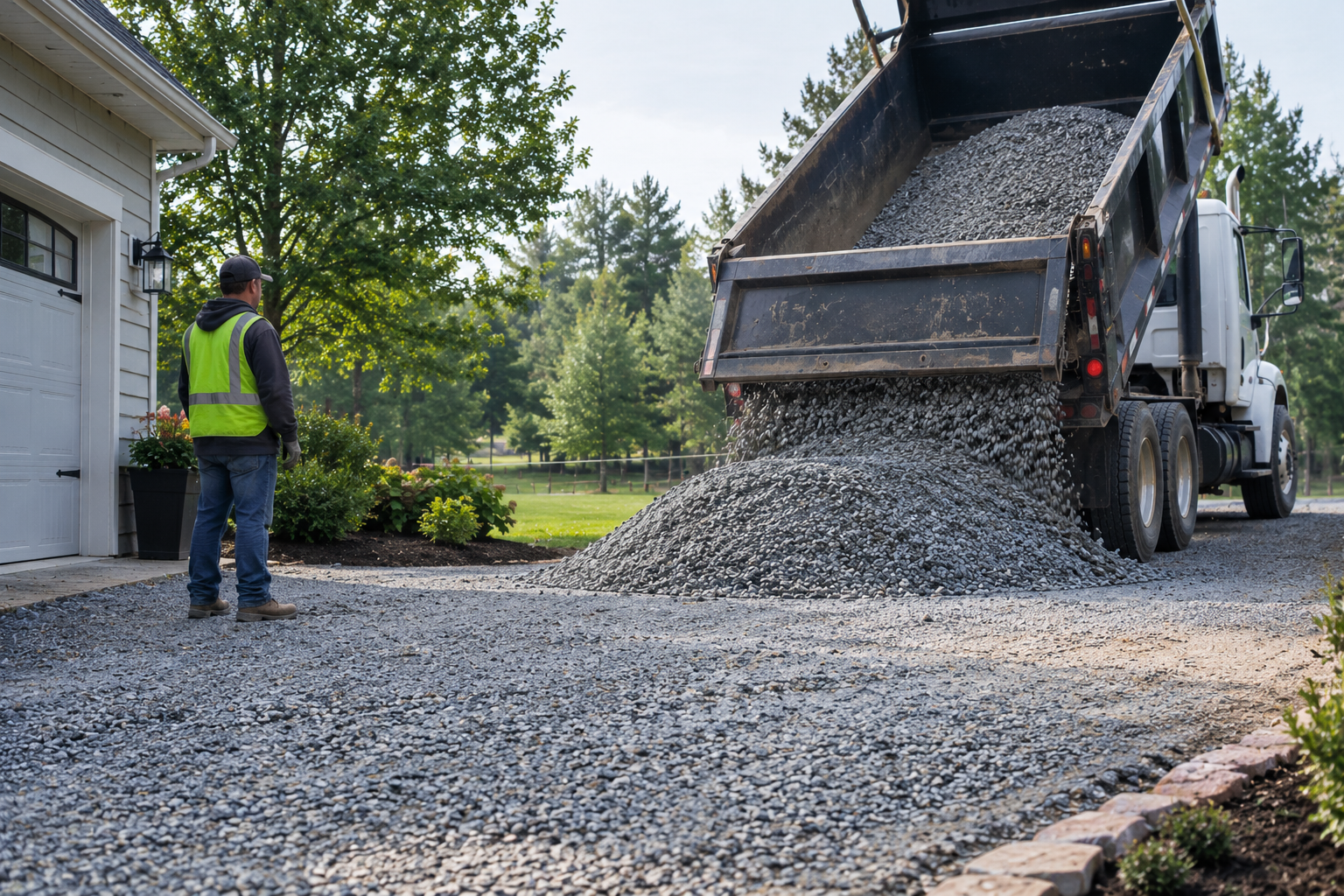
Fill dirt works best for construction projects, foundation work, and large-scale grading. You’ll find it used in road construction and driveway applications, building foundations, and filling low-lying areas. The material provides the structural support needed for permanent installations where stability matters more than plant growth.
Understanding Sandy Loam and Its Applications
Sandy loam represents the gold standard for gardening soil. This material combines sand, silt, and clay in balanced proportions, typically containing 40-60% sand, 20-40% silt, and 10-25% clay. Unlike fill dirt, sandy loam includes organic matter that provides essential nutrients for plants.
The sand content creates excellent drainage while the clay and silt components retain moisture and nutrients. This balance allows plant roots to penetrate easily while preventing waterlogging. The organic matter feeds beneficial soil organisms and slowly releases nutrients to support healthy plant growth.
Pro Tip: Sandy loam’s crumbly texture makes it easy to work with using standard gardening tools, unlike heavy clay soils that require special equipment.
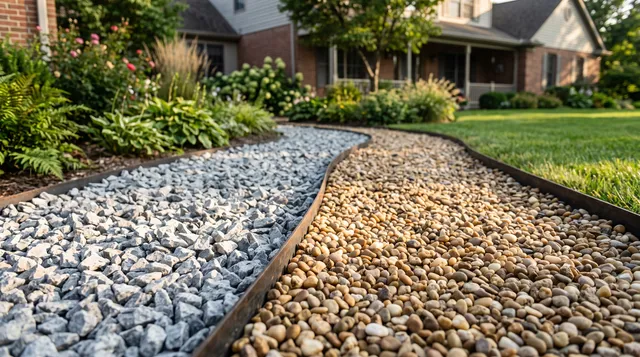
Gardeners and landscapers choose sandy loam for vegetable gardens, flower beds, and lawn installation. The material supports most plant types while providing the drainage necessary to prevent root rot. You’ll achieve better results with sandy loam when establishing new landscapes or improving existing garden areas.
Key Differences Between Fill Dirt and Sandy Loam
The fundamental difference lies in organic content and intended use. Fill dirt contains no organic matter, making it stable but unsuitable for plant growth. Sandy loam includes organic materials that support vegetation but may settle over time as these materials decompose.
| Property | Fill Dirt | Sandy Loam |
|---|---|---|
| Organic Matter | None | 3-5% |
| Primary Use | Construction/Stability | Gardening/Landscaping |
| Drainage | Variable | Excellent |
| Compaction | High | Moderate |
Drainage characteristics also differ significantly. Fill dirt’s drainage depends on its specific composition of clay, sand, and silt. Some fill dirt drains well while clay-heavy varieties retain water. Sandy loam consistently provides good drainage due to its balanced composition.
Cost considerations matter for large projects. Fill dirt typically costs less per cubic yard than sandy loam because it requires less processing and doesn’t include organic amendments. However, using the wrong material often costs more in the long run through project failures or poor plant performance.

Choosing the Right Material for Your Specific Project
Your project type determines which material serves you best. Construction projects requiring structural stability need fill dirt’s compaction properties and resistance to settling. Foundation work and structural applications, road building, and large-scale grading benefit from fill dirt’s structural integrity.
Landscaping and gardening projects perform better with sandy loam. New lawn installation, garden bed creation, and ornamental plantings thrive in sandy loam’s nutrient-rich environment. The material’s drainage prevents common problems like root rot while supporting healthy plant development.
Consider This: Mixing materials often creates problems. Use fill dirt for structural work and top with sandy loam only in areas designated for planting.
Climate factors influence your choice too. Areas with heavy rainfall benefit from sandy loam’s superior drainage in planted areas. Dry climates may require sandy loam’s water retention properties to support plant growth. Fill dirt works in any climate for structural applications.
Budget and timeline affect material selection. Fill dirt typically arrives ready to use, while sandy loam may need time to settle before planting. Consider delivery costs, as sandy loam often costs more to transport due to its organic content and specialized handling requirements. You can estimate your fill dirt costs to better plan your budget.
Understanding these differences ensures you select the right material for lasting project success. Whether building foundations or creating beautiful landscapes, choosing appropriate soil materials from the start saves time, money, and frustration down the road.
The right soil choice sets your project up for long-term success, whether you’re building something that needs to last decades or creating a thriving garden space.
FAQ
What is the main difference between fill dirt and sandy loam?
When should I use fill dirt over sandy loam?
Is sandy loam good for all types of gardening projects?
What are the cost differences between fill dirt and sandy loam?
Author: