
Structural Fill Dirt Guide for Construction Projects
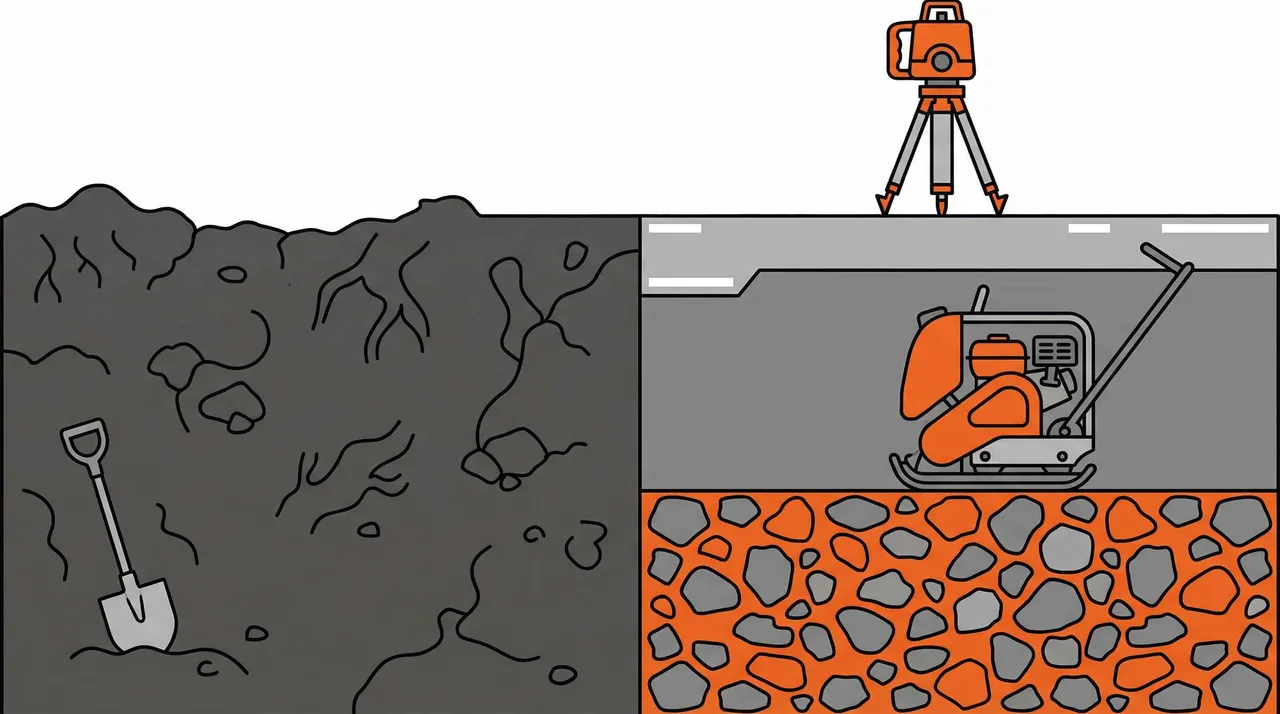
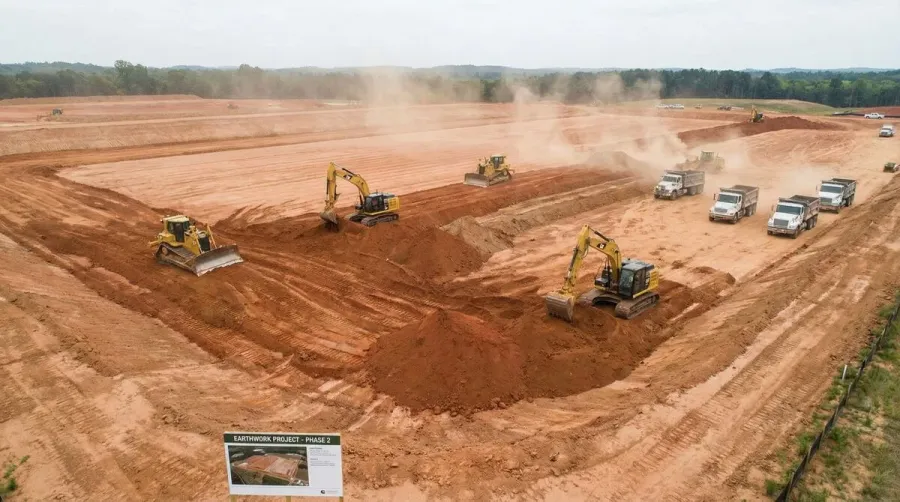
Structural fill dirt is subsoil material specifically used to create stable foundations for buildings, roads, and other structures. Unlike topsoil rich in organic matter, structural fill dirt contains minimal organic content to prevent settling and shifting over time. This engineered material typically consists of sand, clay, and rock particles that compact well and provide reliable load-bearing capacity for construction projects.
Key Insight: Structural fill dirt differs from regular topsoil because it’s free of organic materials that decompose and cause ground instability, making it essential for any construction requiring a solid foundation.
About Hello Gravel
Hello Gravel delivers bulk gravel, rock, dirt, and sand by the ton. Enter your ZIP code to see prices with delivery included. A local dump-truck driver places the load where access is safe; spreading is not included.
What makes structural fill dirt essential
You need structural fill dirt whenever your construction project requires a stable, uniform base that won’t shift or settle over time. This material serves as the foundation layer that distributes the weight of your structure evenly across the ground surface.
The primary benefit comes from its composition. Since structural fill dirt contains no organic matter, it won’t decompose like regular soil. When organic materials break down, they create voids that cause uneven settling and potential structural damage. By using clean fill dirt, you eliminate this risk entirely.
Structural fill dirt also improves drainage around your construction site. When properly graded, it directs water away from foundations and prevents pooling that could undermine your structure’s stability.
Types of structural fill dirt materials
Different types of structural fill dirt work better for specific applications. Understanding these options helps you choose the right material for your project needs.
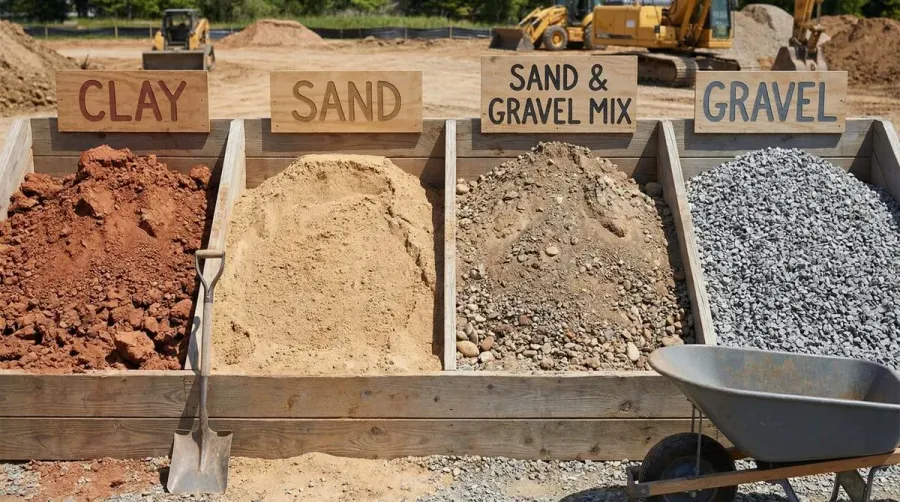
Clay-based fill
Clay compacts exceptionally well, creating a dense, stable base for heavy structures. Its fine particles lock together tightly when compacted, providing excellent load-bearing capacity. However, clay retains water and can become problematic in areas with poor drainage or high moisture levels.
Sand fill material
Sand offers excellent drainage properties and compacts moderately well. It works particularly well in areas where water management is crucial. The downside is that sand can shift if not properly contained or mixed with other materials for added stability.
Gravel fill options
Gravel provides superior drainage but doesn’t compact as tightly as clay or sand. It’s often mixed with other materials to create a balanced fill that offers both stability and water management. Pure gravel works well for drainage applications but may require additional stabilization for structural support.
| Material Type | Compaction | Drainage | Best Use |
|---|---|---|---|
| Clay | Excellent | Poor | Heavy structures |
| Sand | Good | Excellent | Wet conditions |
| Gravel | Fair | Excellent | Drainage systems |
Selecting the right fill dirt for your project
Your site conditions and project requirements determine which type of structural fill dirt works best. Start by evaluating your soil’s current drainage characteristics and the load requirements of your planned structure.
For projects in areas with poor natural drainage, prioritize materials with good permeability like sand or gravel mixes. If you’re building heavy structures that need maximum stability, clay-based fills provide superior compaction and load distribution.
Pro Tip: Consider having a soil engineer evaluate your site conditions before selecting fill dirt type, especially for large construction projects or challenging soil conditions.
Consider the long-term performance of your chosen material. While clay provides excellent immediate stability, it may cause issues if your area experiences frequent wet-dry cycles that cause expansion and contraction.
Proper installation and quality considerations
The quality of your structural fill dirt installation directly impacts your project’s long-term success. Proper preparation starts with removing all organic material from the installation area and ensuring adequate compaction of existing soil.
Install structural fill dirt in lifts of 6-8 inches, compacting each layer before adding the next. This layered approach ensures uniform density throughout the fill and prevents future settling issues.
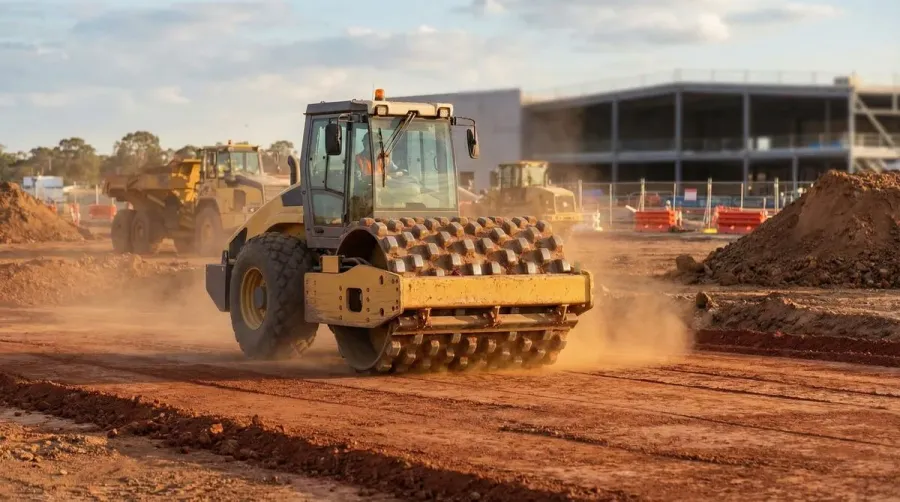
Moisture content during installation affects compaction quality. The material should have optimal moisture content for your specific soil type. Too dry and it won’t compact properly; too wet and it becomes unstable.
Quality structural fill dirt should be tested for proper gradation and cleanliness before delivery. Reputable suppliers provide material certificates showing the fill meets engineering specifications for your intended use.
Working with experienced suppliers ensures you receive properly screened and tested material that meets construction standards. This upfront investment in quality materials prevents costly problems during and after construction.
Structural fill dirt forms the invisible foundation that supports every successful construction project. By understanding the different types available and matching them to your specific site conditions, you create a stable base that will support your structure for decades. Whether you’re building a simple driveway or a complex commercial facility, choosing the right structural fill dirt and installing it properly sets the stage for long-term success.
FAQ
What is the difference between structural fill dirt and regular topsoil?
Structural fill dirt is engineered subsoil material that contains minimal organic matter to prevent decomposition and settling, making it ideal for construction foundations. Regular topsoil is nutrient-rich with organic materials designed for gardening and planting. While topsoil supports plant growth, structural fill dirt provides the stable, non-shifting base needed for buildings, roads, and other structures.
What are the main types of structural fill dirt and their best uses?
The three main types are clay-based fill (excellent compaction for heavy structures but poor drainage), sand fill (good drainage and moderate compaction, ideal for wet conditions), and gravel fill (superior drainage but requires mixing for stability). Clay works best for heavy structures, sand for areas with moisture issues, and gravel for drainage systems or flood-prone areas.
How should structural fill dirt be properly installed for best results?
Install structural fill dirt in 6-8 inch lifts, compacting each layer before adding the next to ensure uniform density. Remove all organic material from the installation area first, and maintain optimal moisture content during installation – not too dry (won’t compact properly) or too wet (becomes unstable). This layered approach prevents future settling and ensures long-term stability.
How do I choose the right structural fill dirt for my construction project?
Evaluate your site’s drainage characteristics and load requirements first. For poor drainage areas, prioritize sand or gravel mixes with good permeability. For heavy structures requiring maximum stability, choose clay-based fills. Consider having a soil engineer evaluate challenging site conditions, and work with experienced suppliers who provide material certificates showing the fill meets engineering specifications.
Materials for this project
Get it delivered — dumped where you need it
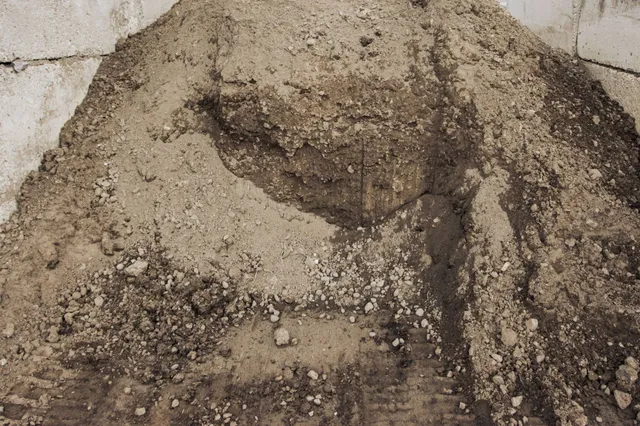
Fill Dirt
Grading & Backfill
See delivered price
View product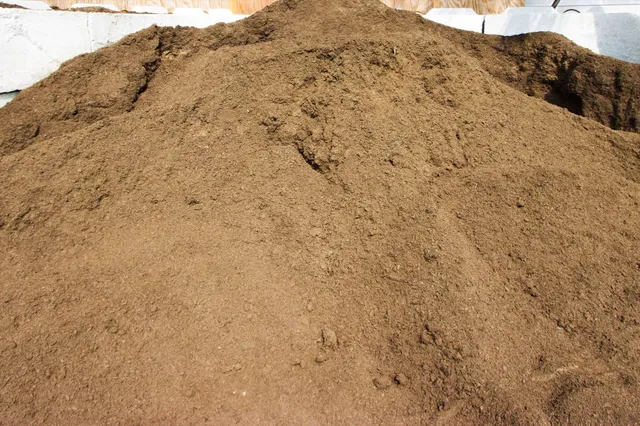
Topsoil
Lawn establishment & Garden beds
See delivered price
View product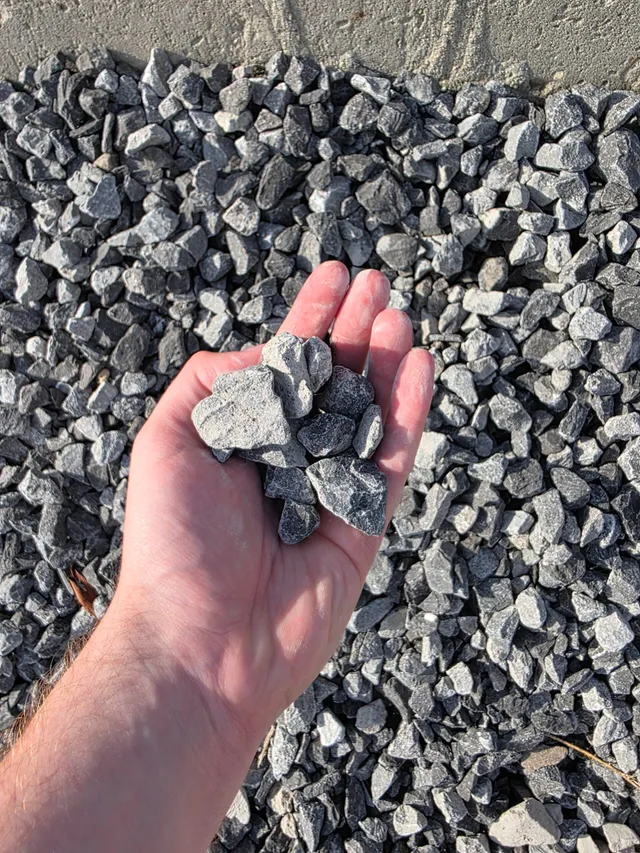
Driveway Gravel
Driveways & Parking areas
See delivered price
View product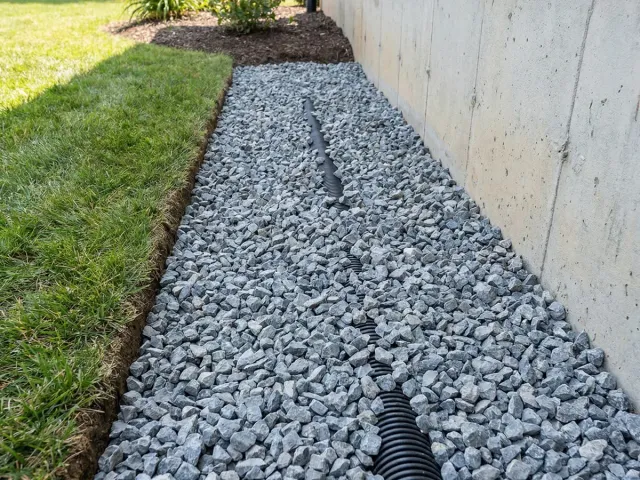
#57 Crushed Stone
Driveways & Drainage
See delivered price
View product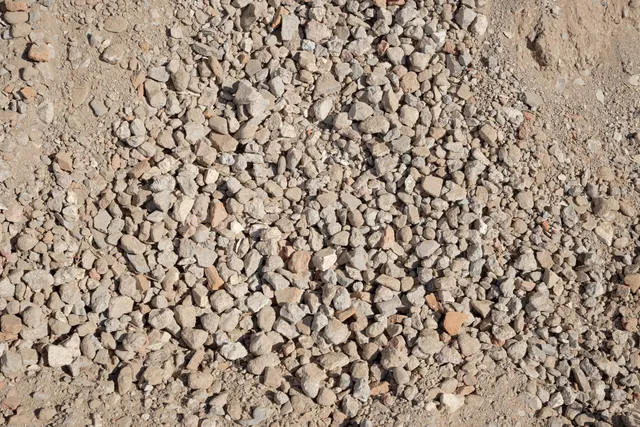
Road Base
Driveway base & Road construction
See delivered price
View product