What Is Sandy Fill – Complete Guide to Uses, Properties and Cost
Published on: January 16, 2026
Get an estimate for your project in 60 seconds

Sandy fill is a granular aggregate material composed primarily of sand particles, widely used in construction and landscaping for creating stable foundations and improving drainage. This versatile material costs between $15-45 per cubic yard and offers excellent compaction properties that make it ideal for base layers, foundation work, and drainage applications.
Quick Fact: Sandy fill allows water to drain 3-5 times faster than clay-based materials, making it essential for projects requiring superior drainage performance.
Understanding sandy fill helps you make informed decisions for construction projects, landscaping improvements, and foundation work. You’ll discover its key properties, practical applications, cost considerations, and how it compares to other fill materials available in the market.
What Is Sandy Fill and Its Key Properties
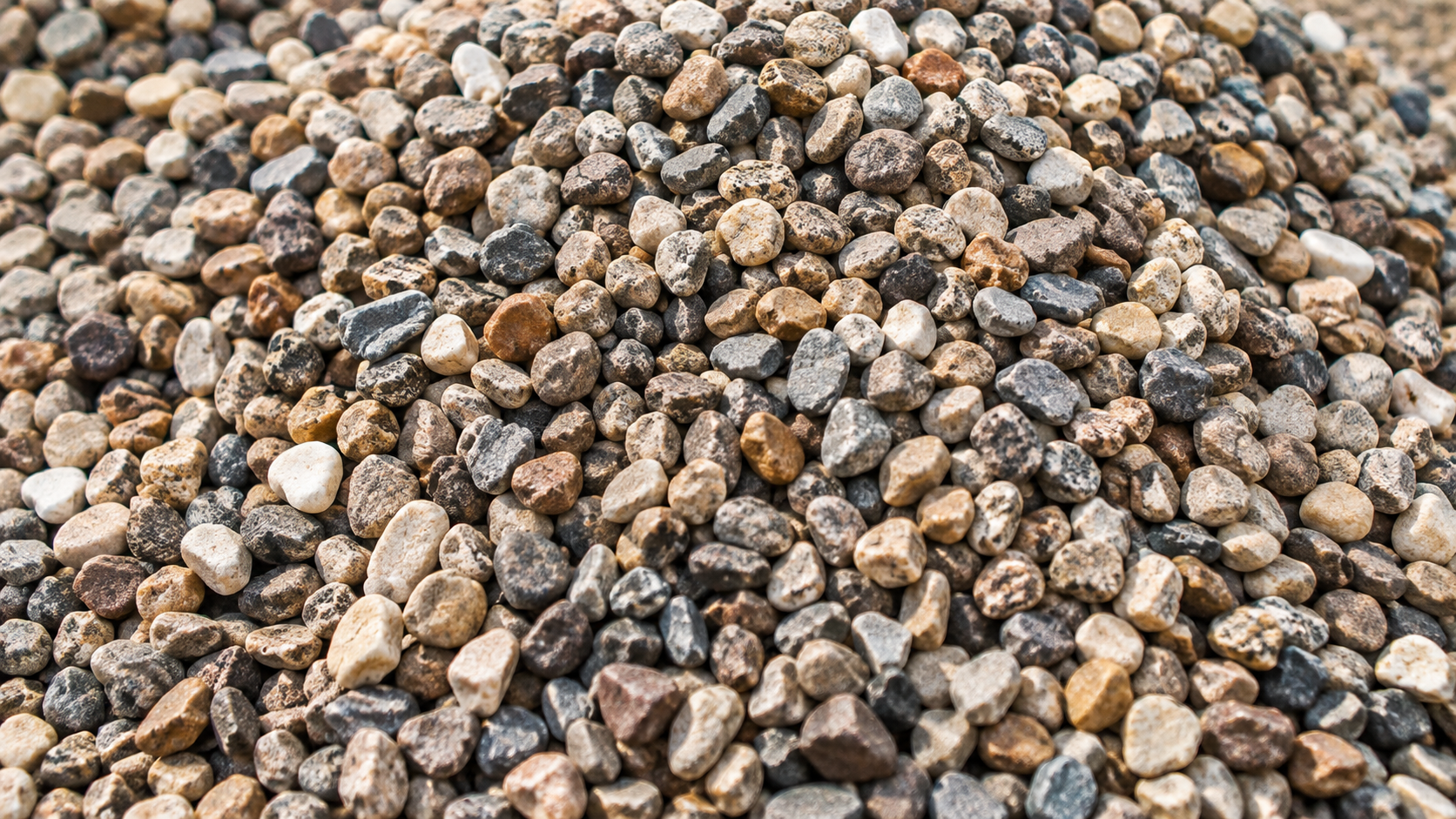
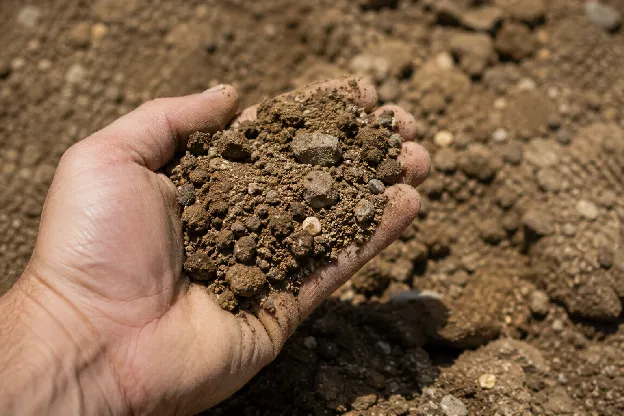
Sandy fill consists predominantly of sand particles ranging from 0.1mm to 2mm in diameter, typically containing 70-85% sand with small amounts of silt and clay. The material originates from quarries, riverbeds, or coastal deposits, giving it natural variations in color from light tan to reddish-brown depending on the source location.
The granular structure creates large pore spaces between particles, allowing water to flow through easily. This characteristic makes sandy fill drain approximately 10-20 inches per hour compared to clay soils that drain less than 0.2 inches per hour. When properly compacted, sandy fill achieves excellent stability while maintaining its drainage capabilities.
Sandy fill resists weathering and erosion better than organic materials because it contains minimal decomposable matter. The silica content, primarily quartz, provides durability that maintains structural integrity over time. These properties make it particularly valuable for long-term construction applications where both stability and drainage are essential.
Construction Applications for Sandy Fill
Construction professionals use sandy fill primarily as a foundation base material for buildings, roads, and concrete slabs. Before pouring foundations, contractors spread and compact sandy fill to create a level, stable surface that distributes structural loads evenly across the ground.
Road construction projects rely heavily on sandy fill for base layers beneath asphalt or concrete surfaces. The material provides excellent load-bearing capacity when compacted to 95% standard density, supporting heavy traffic loads while allowing water to drain away from the roadway structure.

Septic system installations require sandy fill around drain fields and leach lines to ensure proper wastewater filtration. The material’s permeability allows effluent to filter through naturally while preventing system backup. Contractors also use sandy fill for backfilling utility trenches, providing stable support for buried pipes and cables.
Pro Tip: Compact sandy fill in 6-8 inch lifts using a plate compactor to achieve optimal density and prevent future settling issues.
Landscaping and Drainage Uses
Landscaping projects benefit significantly from sandy fill’s drainage properties, especially in areas with heavy clay soils that retain water. Mixing sandy fill with existing soil improves drainage around plant roots, preventing waterlogging that can damage or kill vegetation.
Creating raised garden beds with sandy fill provides plants with better growing conditions. The improved drainage prevents root rot while the loose structure allows roots to penetrate easily and access nutrients. Many gardeners use sandy fill as a base layer beneath topsoil in raised beds and container gardens.
French drain systems and drainage swales incorporate sandy fill as a key component for moving water away from structures. The material surrounds perforated drain pipes, allowing water to enter the system while filtering out debris that could cause clogs. Landscape architects specify sandy fill for areas requiring both aesthetic appeal and functional drainage solutions.
Sandy Fill Cost Analysis and Factors
| Material Type | Cost per Cubic Yard | Drainage Rating | Best Applications |
|---|---|---|---|
| Sandy Fill | $15-45 | Excellent | Foundations, drainage |
| Fill Dirt | $8-25 | Poor | General filling |
| Topsoil | $25-60 | Good | Planting areas |
| Gravel | $30-65 | Excellent | Heavy-duty bases |
Sandy fill pricing varies based on several key factors that affect your project budget. Local availability significantly impacts cost, with materials sourced within 50 miles typically costing 20-30% less than imported sand. Quantity purchases offer substantial savings, with bulk orders over 20 cubic yards often receiving 15-25% discounts from suppliers.
Quality grades also influence pricing, with washed and screened sandy fill commanding premium prices compared to raw materials. Transportation costs add $5-15 per cubic yard depending on delivery distance and accessibility of your project site. Urban areas generally see higher prices due to increased demand and limited local sources.

Seasonal demand affects pricing, with spring and summer months typically seeing 10-20% higher costs due to increased construction activity. Planning purchases during off-peak seasons can result in significant savings for larger projects.
Cost Savings: Buying 30+ cubic yards during winter months can save you $200-500 compared to peak season pricing.
Sandy Fill vs Other Fill Materials
Sandy fill offers superior drainage compared to standard fill dirt, which often contains clay that retains water and can cause foundation problems. While fill dirt costs less initially, sandy fill prevents costly drainage issues that could require expensive remediation later.
Compared to gravel, sandy fill provides better compaction for foundation applications while costing 25-40% less per cubic yard. Gravel works better for heavy-duty applications like driveways, but sandy fill excels in situations requiring both stability and moderate drainage.
Topsoil serves different purposes than sandy fill, focusing on plant growth rather than structural support. Sandy fill creates the stable base layer, while topsoil provides the growing medium for vegetation. Many successful landscaping projects use both materials in complementary applications.
The choice between materials depends on your specific project requirements, budget constraints, and long-term performance expectations. Understanding the differences between sandy loam and sandy fill can help you select the right material for your needs.
Sandy fill proves its value through reliable performance in diverse applications, from foundation work to landscape drainage solutions. Its combination of stability, drainage, and cost-effectiveness makes it an excellent choice for projects requiring dependable base materials that perform well over time.
FAQ
What is sandy fill used for?
What is the difference between sandy fill and fill dirt?
How much does sandy fill cost per cubic yard?
Can sandy fill be used under concrete foundations?
Author: