Heavy Clay Soil Complete Guide to Properties, Uses, and Costs

Published on: January 14, 2026

Get an estimate for your project in 60 seconds

This field is hidden when viewing the form
Security lock iconYour information is secure


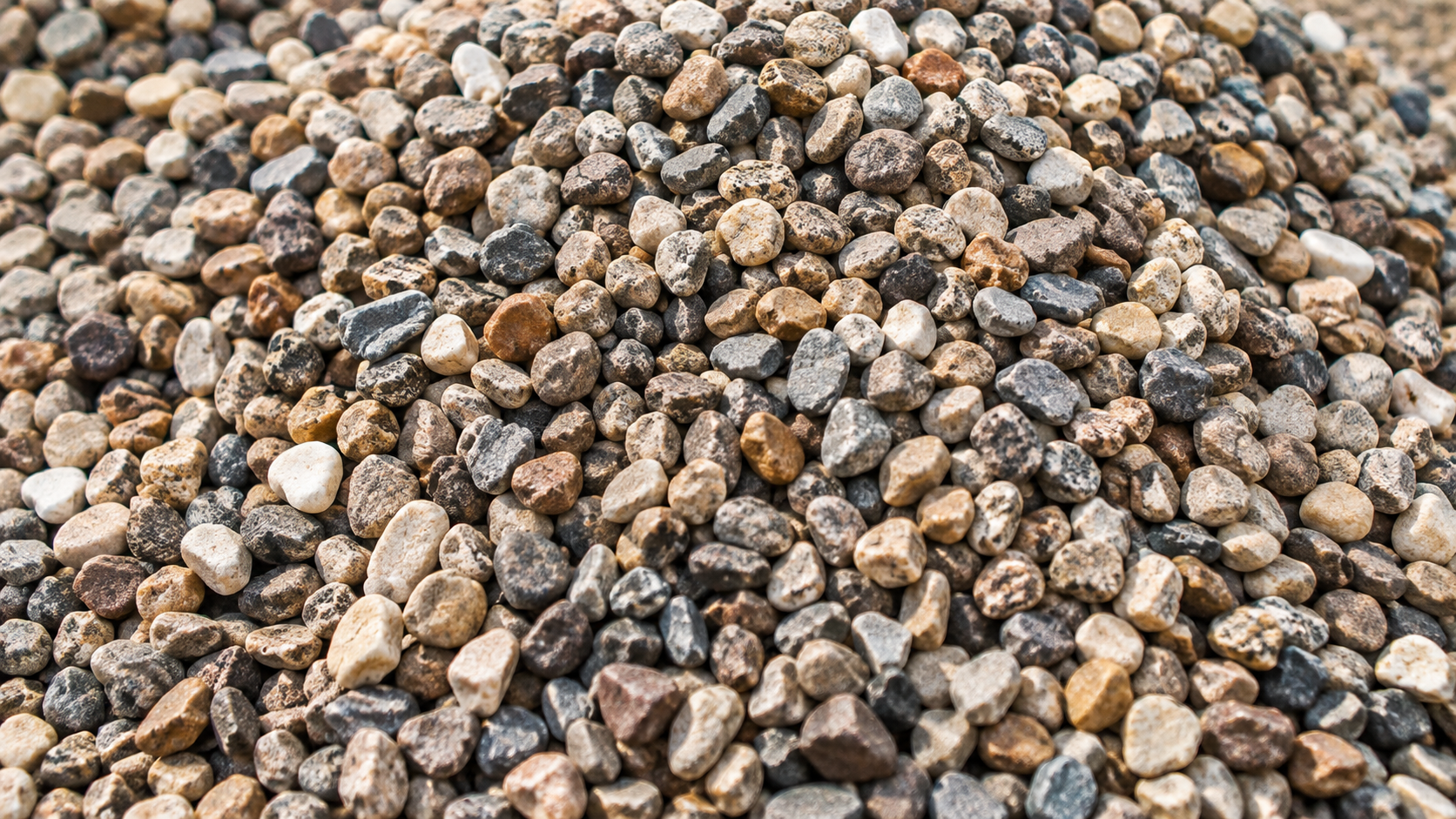
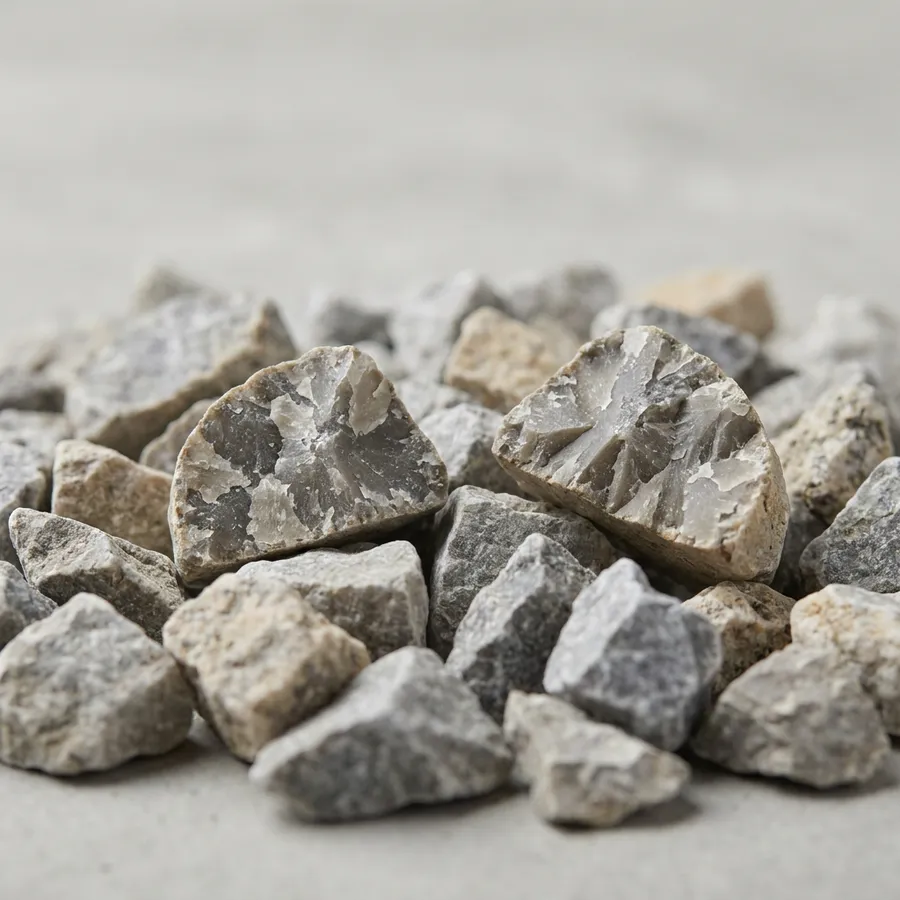
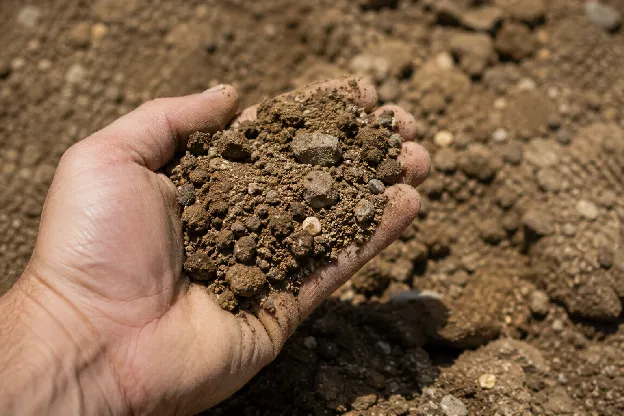
Microscopic view of heavy clay soil texture showing fine particles

Heavy clay soil contains more than 30% clay particles and serves as a foundation material for 80% of brick production worldwide. This dense, nutrient-rich soil type plays a crucial role in construction, ceramics, and landscaping projects despite its challenging working characteristics.

If you’re wondering what makes heavy clay soil unique, it’s the combination of fine particles (less than 0.002mm), exceptional water retention, and remarkable durability that sets it apart from other soil types. Understanding these properties helps you make informed decisions for your construction or landscaping needs.

Key Insight: Heavy clay soil’s high surface area allows it to hold 2-3 times more water and nutrients than sandy soils, making it invaluable for specific applications despite handling challenges.

What is heavy clay soil

Heavy clay soil represents a specific soil classification containing over 30% clay particles by composition. These microscopic particles create a tightly packed structure that becomes sticky when wet and extremely hard when dry.

The term “heavy” refers to the soil’s substantial weight when saturated with water, not its density alone. This characteristic stems from clay particles’ ability to absorb and retain significant moisture volumes. According to hellogravel.com, these particles measure less than 0.002mm in diameter and pack together densely, leaving minimal air space.

Formation occurs through weathering processes that break down rocks and minerals over thousands of years. Climate, topography, and parent rock type influence the specific characteristics of heavy clay deposits in different regions.

Diagram illustrating heavy clay soil formation through weathering process

Key properties of heavy clay

Heavy clay soil exhibits distinct physical and chemical characteristics that determine its suitability for various applications. Understanding these properties helps you work effectively with this challenging but valuable material.

Physical characteristics include exceptional water retention capacity due to the large surface area of clay particles. This feature proves beneficial in dry climates for water conservation but can lead to waterlogging in wet conditions. The soil’s high density results from tightly packed particles, creating a compact structure that becomes extremely hard when dried.

Chemical properties center around nutrient retention capabilities. Clay particles effectively hold onto essential nutrients like potassium, calcium, and magnesium, preventing them from washing away during rainfall. However, this same characteristic can create nutrient imbalances, particularly when soil pH levels become too high, reducing nutrient availability to plants.

Important Note: Heavy clay soil often maintains a high pH, which can make certain nutrients less accessible to plants even when the soil is nutrient-rich overall.

Top uses in construction and ceramics

Heavy clay soil serves multiple industries due to its unique combination of strength, durability, and moldability. The construction and ceramics sectors represent the largest consumers of this versatile material.

Construction applications leverage heavy clay’s stability and durability. Brick and tile manufacturing relies heavily on clay’s ability to maintain shape during firing while providing excellent structural integrity. Road construction utilizes heavy clay as base material because its density creates stable, long-lasting surfaces resistant to erosion and settling.

The material also serves as an effective foundation element for buildings, though proper drainage management becomes essential to prevent swelling and shrinking issues that could compromise structural stability. For projects requiring different soil characteristics, understanding the differences between fill dirt and clay can help you select the right material.

Ceramics industry applications take advantage of heavy clay’s fine texture and heat resistance. Pottery production benefits from the material’s moldability and ability to maintain intricate shapes during kiln firing. Porcelain manufacturing specifically requires heavy clay’s high mineral content to achieve the characteristic strength and translucent finish that defines quality porcelain products.

Infographic showing heavy clay applications in construction and ceramics

Heavy clay cost breakdown

Heavy clay pricing varies significantly based on quality, location, and transportation requirements. Understanding these cost factors helps you budget effectively for projects requiring this specialized material.

According to industry data from hellogravel.com, heavy clay typically costs between $10 to $50 per ton, though actual prices can fluctuate based on market conditions and specific circumstances.

Primary cost factors include clay quality, with nutrient-rich, fine-textured varieties commanding premium prices due to higher demand in ceramics applications. Source location significantly impacts total costs, as transportation expenses can double the base price for distant suppliers.

Market demand fluctuations also influence pricing. High construction activity periods typically drive prices upward, while surplus conditions can create more favorable pricing opportunities. If you’re comparing material costs, you may want to explore how much a dump truck load of fill dirt costs for alternative options.

Cost Factor Impact Level Price Range
High-quality clay High $35-50/ton
Standard grade Medium $20-35/ton
Local sourcing Low $10-25/ton
Long-distance transport High +$15-30/ton

Cost Tip: Sourcing heavy clay locally can reduce total project costs by 30-50% compared to distant suppliers due to eliminated transportation expenses.

While heavy clay costs more than standard soil types, its durability and longevity often provide better long-term value. Construction projects using heavy clay typically require fewer repairs and replacements, offsetting higher initial material costs through extended service life. For projects requiring specific soil mixtures, clay loam offers a balanced alternative with improved workability.

The investment in quality heavy clay pays dividends through reduced maintenance requirements and superior performance in demanding applications. Whether you’re planning construction work or ceramic production, understanding these cost dynamics helps you make informed material selection decisions that balance upfront expenses with long-term project success. For comprehensive soil comparisons, consider reviewing information about clay subsoil and other clay soil types to determine the best fit for your specific needs.

FAQ

What is heavy clay soil and how is it different from other soil types?

Heavy clay soil contains over 30% clay particles smaller than 0.002mm in diameter, making it much denser and more water-retentive than sandy soils. It becomes sticky when wet and extremely hard when dry, with the ability to hold 2-3 times more water and nutrients than sandy soils. The term “heavy” refers to its substantial weight when saturated with water.

Is heavy clay soil good for building foundations?

Yes, heavy clay soil can provide excellent foundation stability when properly managed. Its high density and load-bearing capacity make it suitable for supporting structures. However, proper drainage management is essential to prevent swelling and shrinking issues that could compromise structural stability. Many construction projects use heavy clay as base material due to its durability and resistance to erosion.

How much does heavy clay soil cost per ton?

Heavy clay soil typically costs between $10 to $50 per ton, with prices varying based on quality, location, and transportation requirements. High-quality clay for ceramics applications ranges from $35-50 per ton, while standard grade costs $20-35 per ton. Local sourcing can reduce total project costs by 30-50% compared to distant suppliers due to eliminated transportation expenses.

What are the main uses of heavy clay soil in construction?

Heavy clay soil is primarily used for brick and tile manufacturing, road construction as base material, and foundation elements due to its stability and durability. In the ceramics industry, it’s essential for pottery production and porcelain manufacturing because of its moldability and heat resistance. The material serves as foundation for 80% of brick production worldwide and creates stable, long-lasting surfaces resistant to erosion.

Author: