Clay Subsoil Guide Properties, Uses, and Cost Analysis for 2026
Published on: January 6, 2026
Get an estimate for your project in 60 seconds

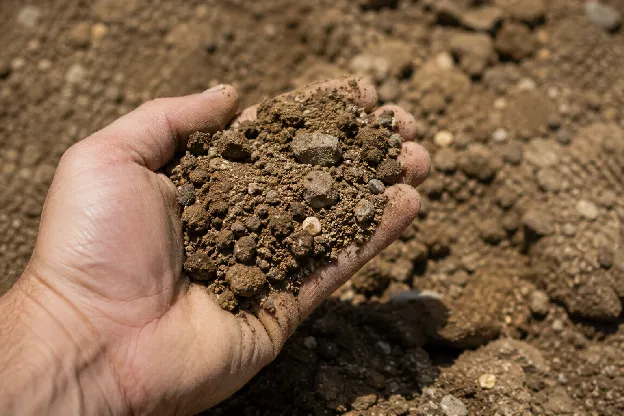
Clay subsoil represents the B horizon layer beneath your topsoil, characterized by dense clay particles smaller than 0.002 millimeters. This compact soil layer plays a crucial role in construction foundations, agricultural water retention, and manufacturing applications like brick production.
Understanding clay subsoil helps you make better decisions whether you’re planning construction projects, improving agricultural land, or selecting materials for specific applications. According to hellogravel.com, clay soils offer excellent water retention but require careful management due to their expansive properties.
Quick Fact: Clay subsoil costs between $10-50 per cubic yard, making it an affordable option for projects requiring dense, water-retaining soil material.
What makes clay subsoil unique
Clay subsoil forms through a complex weathering process where parent materials break down over thousands of years. The smallest soil particles accumulate in the B horizon, creating a dense layer with exceptional water-holding capacity.
The formation begins when rock, organic matter, or existing soil weathers through erosion, decomposition, and leaching. These tiny particles wash down from upper soil layers, gradually building the characteristic dense structure that defines clay subsoil. Understanding subsoil properties and composition helps you identify the right material for your project needs.
Clay particles measure less than 0.002 millimeters and have a flat, plate-like shape. This microscopic structure creates numerous small spaces that trap water and nutrients effectively. The result is soil that feels sticky when wet and becomes hard and compact when dry.

Construction applications and considerations
Clay subsoil serves as an excellent foundation material for roads, buildings, and heavy structures due to its dense, stable nature. Construction professionals value its load-bearing capacity and resistance to settling when properly managed.
However, clay subsoil’s expansive properties require careful attention. The material swells when wet and contracts during dry periods, potentially causing structural issues if not properly controlled. Successful construction projects incorporate drainage systems and moisture management techniques. For projects requiring fill dirt with clay content, understanding these expansion characteristics is essential.
The manufacturing industry uses clay subsoil for brick and ceramic production. Its high clay content makes molding easy, while mineral components provide strength and durability to finished products. Quality selection and processing remain critical for optimal results. If you’re working with heavy clay materials, proper testing ensures structural integrity.
Pro Tip: Always test clay subsoil moisture content before construction use, as expansion and contraction cycles can compromise structural integrity without proper preparation.
Agricultural benefits and soil improvement
Farmers often mix clay subsoil with sandy soils to create loamy conditions ideal for crop growth. This combination improves water retention in sandy areas while maintaining adequate drainage for plant roots. Creating clay loam mixtures provides optimal growing conditions for most crops.
Clay subsoil’s high cation exchange capacity means it holds onto essential nutrients like potassium, calcium, and magnesium. This nutrient retention reduces fertilizer requirements and supports sustained plant growth over time.
Agricultural applications include creating raised beds, terraces, and erosion control structures. The dense nature of clay subsoil helps prevent soil loss during heavy rainfall while maintaining moisture for extended periods.
The material works particularly well for crops requiring consistent water supply, such as vegetables and fruit trees. However, proper soil amendment with organic matter improves workability and prevents compaction issues. Understanding different clay soil types helps you select the best material for your agricultural needs.

Cost factors and purchasing considerations
Clay subsoil pricing varies significantly based on quality, location, and transportation costs. High-quality material with good nutrient content and proper structure commands premium pricing compared to lower-grade options.
| Cost Factor | Price Impact | Typical Range |
|---|---|---|
| Quality Grade | High | $20-50/yard |
| Transportation | Medium | $5-15/yard |
| Local Availability | Variable | $10-35/yard |
| Seasonal Demand | Low-Medium | $2-8/yard |
Location plays a major role in final costs. Areas with abundant clay deposits offer lower base prices, while regions requiring long-distance transportation see significant price increases. Local suppliers typically provide the most cost-effective options. For detailed pricing information, check our fill dirt cost calculator to estimate your project expenses.
Market demand affects pricing throughout the year. Construction season peaks drive higher prices, while off-season periods offer potential savings. Planning purchases during lower-demand periods can reduce project costs substantially.
Budget Insight: Factor in delivery and site preparation costs when budgeting for clay subsoil, as these can add 20-40% to your total material expenses.
Quality assessment involves checking nutrient content, contamination levels, and structural properties. Contaminated soil with heavy metals or pesticides requires special handling and may be unsuitable for certain applications, affecting both price and usability. When comparing options, consider high clay content soil characteristics to ensure you’re getting the right material.
Clay subsoil offers valuable properties for construction, agriculture, and manufacturing applications when properly understood and managed. Its dense structure provides excellent foundation support and water retention, making it suitable for diverse project needs. Cost considerations include quality, location, and timing factors that can significantly impact your project budget. Whether you’re building foundations, improving agricultural land, or manufacturing ceramics, clay subsoil’s unique characteristics make it a versatile material worth considering for your specific requirements.
FAQ
What is clay subsoil and how is it different from topsoil?
Is clay subsoil suitable for construction projects?
How much does clay subsoil cost in 2026?
Can clay subsoil be used for agricultural purposes?
Author: