
Complete Guide to Driveway Fill Dirt Types and Installation
Free local estimate
See delivered prices for your ZIP in 60 seconds
Tell us where the project is and we'll price this material — delivered — for your exact ZIP.
- Real delivered pricing for your ZIP — not a generic range.
- Works for any quantity — driveways, pads, drains, or full projects.
- Prefer to talk? We follow up with local availability and delivery windows.
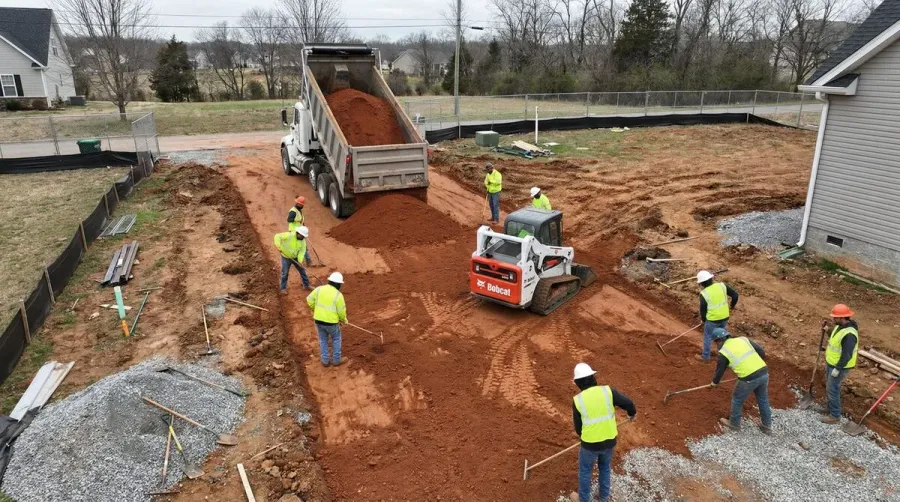
If you’re planning a driveway project, fill dirt is the foundation that determines whether your investment lasts decades or develops problems within a few years. Many homeowners focus on the surface material while overlooking this critical base layer. The right fill dirt provides stability, proper drainage, and prevents costly repairs down the road.
Quick Answer: Fill dirt is clean, compactable soil used to create a stable foundation for driveways. The best types include clay-sand mixtures, screened fill dirt, and engineered fill that compact well and provide proper drainage.
This guide covers everything you need to know about selecting, installing, and maintaining driveway fill dirt for long-lasting results.
About Hello Gravel
Hello Gravel delivers bulk gravel, rock, dirt, and sand by the ton. Enter your ZIP code to see prices with delivery included. A local dump-truck driver places the load where access is safe; spreading is not included.
Understanding driveway fill dirt basics
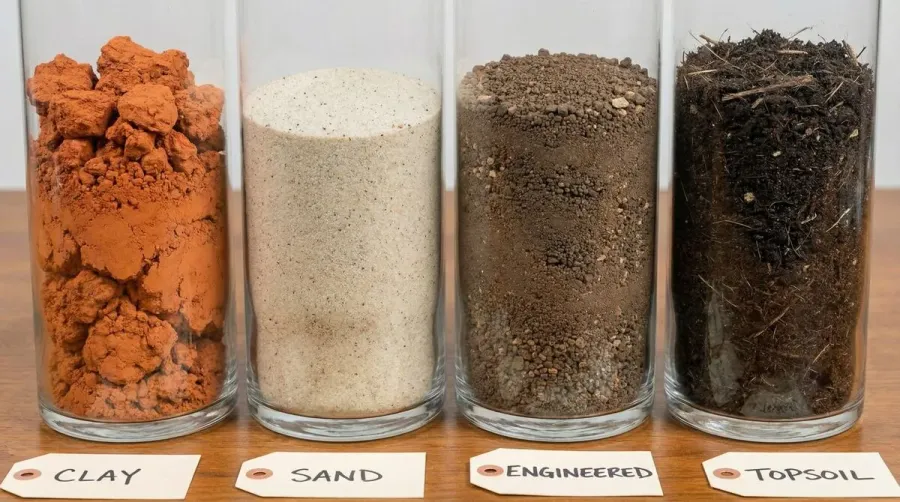
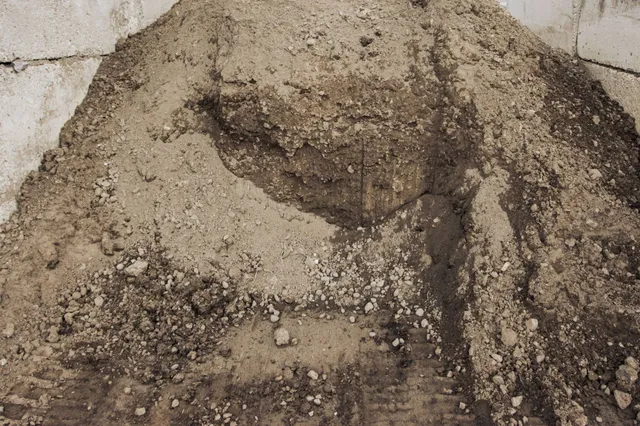
Fill dirt serves as the structural foundation beneath your driveway surface. Unlike topsoil, which contains organic matter that decomposes over time, fill dirt consists primarily of sand, clay, and silt particles that create a stable base when properly compacted.
The key difference between regular fill dirt and driveway-specific material lies in the engineering. Driveway fill dirt undergoes screening to remove debris, organic matter, and oversized particles. This process ensures consistent particle size distribution and optimal compaction characteristics.
When vehicles drive over your driveway, the weight transfers through the surface material into the fill dirt layer. A properly installed fill dirt base distributes this load evenly, preventing settling, cracking, and pothole formation. Without adequate fill dirt preparation, even high-quality surface materials will fail prematurely.
The composition typically includes 15-25% clay for binding, 60-70% sand for stability, and 10-15% silt for workability. This mixture provides the right balance of drainage and compaction strength for most driveway applications.
Types of fill dirt for driveways
Different fill dirt types serve specific purposes depending on your soil conditions, climate, and budget requirements.
Screened fill dirt represents the most common choice for residential driveways. This material passes through screening equipment to remove rocks, roots, and debris larger than 3 inches. The consistent particle size allows for uniform compaction and reduces settling issues. Most suppliers source screened fill dirt from construction sites or dedicated quarries. For optimal results, many contractors layer screened fill dirt beneath crushed stone or gravel surfaces to create a comprehensive base system.
Clay-rich fill dirt works well in areas with sandy soil or where maximum stability is required. The clay content provides excellent binding properties, creating a solid foundation that resists erosion. However, clay-heavy soils can retain water, so proper drainage planning becomes essential in wet climates.
Engineered fill dirt undergoes laboratory testing to meet specific compaction and drainage standards. While more expensive than standard fill dirt, engineered materials provide predictable performance and often come with supplier warranties. This option makes sense for high-traffic driveways or challenging soil conditions.
| Fill Dirt Type | Best For | Compaction | Drainage | Cost |
|---|---|---|---|---|
| Screened Fill | General use | Good | Moderate | Low |
| Clay-Rich | Stability | Excellent | Poor | Low |
| Engineered | High-traffic | Excellent | Good | High |
Sand-based fill dirt offers superior drainage but requires careful installation to prevent shifting. This type works well in wet climates or areas with poor natural drainage. The trade-off comes in reduced binding strength compared to clay-rich alternatives.
Selecting the right fill dirt for your project
Your driveway’s specific requirements determine which fill dirt type will perform best. Start by evaluating your existing soil conditions through a simple percolation test. Dig a hole 12 inches deep and fill it with water. If the water drains within 4-6 hours, you have good natural drainage. Slower drainage indicates clay-heavy soil that may require sand-based fill dirt for balance.
Consider your local climate patterns when making this decision. Areas with freeze-thaw cycles need fill dirt that drains well to prevent ice expansion damage. Regions with heavy rainfall benefit from materials that shed water quickly while maintaining stability.
Traffic load plays a crucial role in material selection. A standard residential driveway handles passenger vehicles and occasional delivery trucks. Commercial applications or driveways serving heavy equipment require engineered fill dirt with higher compaction specifications, similar to the requirements for selecting the best aggregate base for driveways.
Pro Tip: Request a soil analysis from your supplier before ordering. Many companies provide basic testing that reveals compaction characteristics and drainage properties for a small fee.
Budget considerations extend beyond the initial material cost. Higher-quality fill dirt may cost more upfront but reduces long-term maintenance expenses. Factor in delivery costs, which can vary significantly based on distance from the supplier and order quantity.
The depth of fill dirt needed depends on your existing grade and desired final elevation. Most residential driveways require 6-12 inches of compacted fill dirt, but areas with poor soil conditions may need deeper preparation.
Installation process and best practices
Proper installation determines whether your fill dirt investment succeeds or fails. The process begins with site preparation, which involves removing existing vegetation, debris, and unsuitable soil. Mark utility lines before excavation to avoid costly damage and safety hazards.
Excavate to the planned depth, typically 8-10 inches below your final grade to account for compaction. The excavated area should extend 2-3 feet beyond your planned driveway edges to provide adequate support for the surface material.
Application technique makes the difference between professional and amateur results. Spread fill dirt in 4-6 inch lifts rather than dumping the entire quantity at once. Each lift requires thorough compaction before adding the next layer. This approach eliminates air pockets and ensures uniform density throughout the base, following similar principles used when building a gravel road.
Use a plate compactor or vibratory roller for best results. Hand tamping works for small areas but lacks the force needed for proper compaction on larger projects. Make multiple passes with compaction equipment, overlapping each pass by 6 inches.
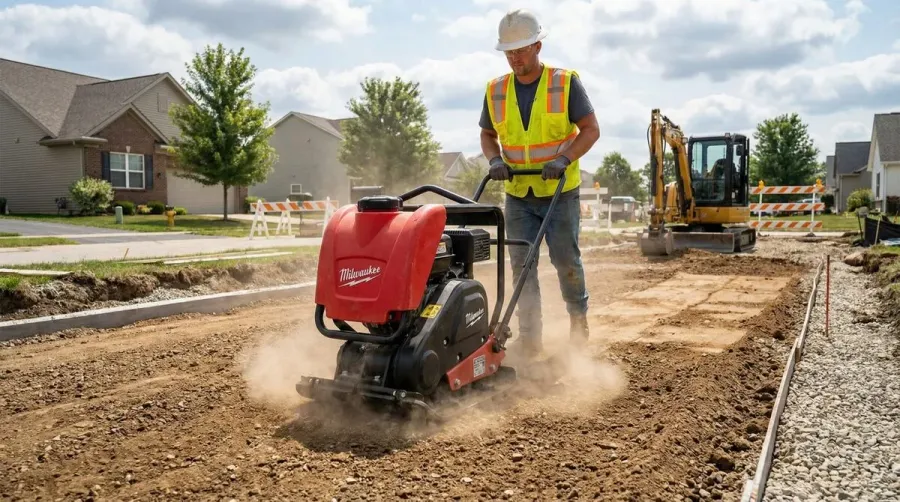
Moisture content during compaction affects the final result significantly. Fill dirt should feel slightly damp but not muddy when squeezed in your hand. Too dry, and particles won’t bind properly. Too wet, and you’ll create a unstable, spongy base that settles over time.
Test compaction quality by walking on the surface. Properly compacted fill dirt should not show footprints or give underfoot. If you notice soft spots, add more compaction passes in those areas.
Installation Tip: Rent professional compaction equipment rather than buying for one-time use. Most tool rental centers offer plate compactors and provide basic operation instructions.
Cost factors and planning considerations
Fill dirt costs vary widely based on material type, quantity, and delivery distance. Standard screened fill dirt typically costs $15-30 per cubic yard delivered, while engineered materials range from $25-45 per cubic yard. These prices fluctuate based on local availability and seasonal demand.
Calculate your needs accurately to avoid ordering too much or too little material. Measure your driveway length, width, and required depth in feet, then multiply these dimensions together. Divide by 27 to convert cubic feet to cubic yards. Add 10-15% extra to account for compaction and minor grade adjustments. For help with calculations, check out our guide on how much gravel you need for a driveway, which uses similar calculation methods.
Delivery costs often represent 30-40% of your total material expense. Consolidate orders when possible, as suppliers typically charge similar delivery fees regardless of load size within their minimum requirements. Most companies require minimum orders of 5-10 cubic yards for delivery.
Timing your project affects both material availability and pricing. Spring and fall represent peak construction seasons when demand and prices reach their highest levels. Winter ordering often provides cost savings, though weather may delay delivery and installation.
Consider additional expenses beyond the fill dirt itself. Equipment rental for compaction typically costs $50-100 per day. If you hire contractors, labor costs range from $2-5 per square foot depending on project complexity and local rates. To get a better sense of overall project costs, review our breakdown of how much a 100-foot gravel driveway costs.
Planning ahead allows you to secure better pricing and ensure material availability. Contact suppliers 2-3 weeks before your planned start date to discuss options and schedule delivery. This timeline also provides flexibility if weather or other factors cause delays.
Quality fill dirt forms the foundation of every successful driveway project. By understanding the different types available, selecting materials appropriate for your specific conditions, and following proper installation techniques, you create a base that supports your driveway for decades. Take time to plan carefully and invest in quality materials upfront rather than dealing with costly repairs later.
FAQ
What is the best fill dirt for a driveway base?
The best fill dirt for a driveway base is screened fill dirt with a balanced composition of 15-25% clay for binding, 60-70% sand for stability, and 10-15% silt for workability. This mixture provides optimal compaction characteristics and drainage properties. Avoid topsoil or organic-rich materials as they decompose over time and cause settling issues.
How much fill dirt do I need for my driveway?
To calculate fill dirt needs, multiply your driveway length × width × depth (in feet), then divide by 27 to get cubic yards. Most residential driveways require 6-12 inches of compacted fill dirt. Add 10-15% extra to account for compaction. For example, a 20×50 foot driveway with 8-inch depth needs approximately 25 cubic yards of fill dirt.
How much does driveway fill dirt cost?
Driveway fill dirt costs typically range from $15-30 per cubic yard for standard screened fill dirt, while engineered materials cost $25-45 per cubic yard. Delivery fees often add 30-40% to the total cost. Most suppliers require minimum orders of 5-10 cubic yards for delivery. Prices vary based on location, material quality, and seasonal demand.
How do you properly compact fill dirt for a driveway?
Proper compaction involves spreading fill dirt in 4-6 inch lifts and compacting each layer thoroughly before adding the next. Use a plate compactor or vibratory roller, making multiple overlapping passes. The material should be slightly damp (not muddy) during compaction. Properly compacted fill dirt won’t show footprints and feels solid underfoot.
Materials for this project
Get it delivered — dumped where you need it
Fill Dirt
Grading & Backfill
See delivered price
View product
Driveway Gravel
Driveways & Parking areas
See delivered price
View product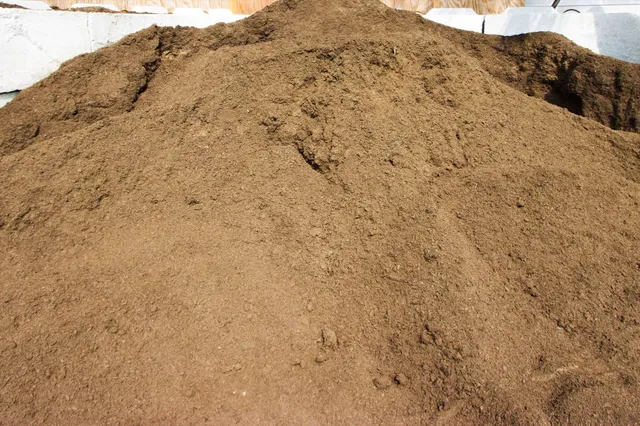
Topsoil
Lawn establishment & Garden beds
See delivered price
View product
#57 Crushed Stone
Driveways & Drainage
See delivered price
View product
Road Base
Driveway base & Road construction
See delivered price
View product