Fill Dirt Compaction Guide How to Achieve Maximum Density and Stability
Published on: January 3, 2026
Get an estimate for your project in 60 seconds

Yes, fill dirt does compact effectively when proper techniques and conditions are met. The key lies in understanding soil composition, moisture content, and using the right compaction methods for your specific project needs.
Quick Answer: Fill dirt compacts best at 12-14% moisture content using a balanced mix of sand, silt, and clay particles. Proper layering and mechanical compaction can achieve 95% maximum density for stable foundations.
Understanding how fill dirt compacts is crucial for any construction or landscaping project. Whether you’re building a foundation, creating a driveway base, or preparing ground for landscaping, achieving proper compaction determines the long-term stability and success of your project. The compaction process removes air pockets between soil particles, creating a dense, stable surface that can support heavy loads without settling or shifting over time.
Understanding fill dirt composition and compaction basics
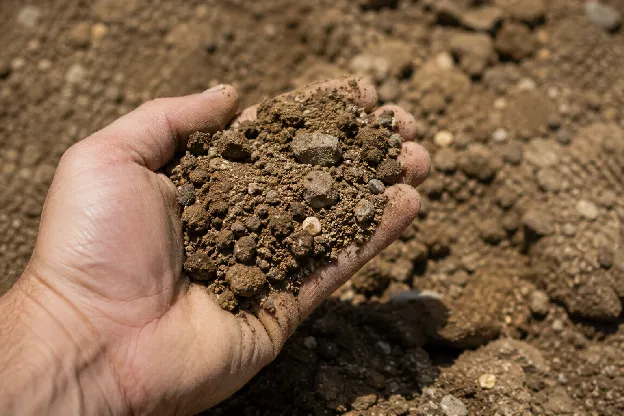
Fill dirt consists of subsoil material that’s free from organic matter, making it ideal for construction applications. Unlike topsoil, which contains decomposable organic materials that can cause settling, fill dirt provides a stable foundation when properly compacted.
The compaction process works by applying mechanical force to densify soil particles and eliminate air voids. When you compact fill dirt correctly, the particles lock together more tightly, increasing the soil’s bearing capacity and reducing future settlement. This process is essential for creating stable bases under foundations, roadways, and other load-bearing structures.
Different soil types within fill dirt respond differently to compaction. Sandy soils have larger particles that don’t compact as tightly as finer materials, while clay-rich soils can achieve high compaction but may present challenges with moisture sensitivity. The most effective fill dirt for compaction typically contains a balanced mixture of sand, silt, and clay particles.
Key factors that determine compaction success
Several critical factors influence how well your fill dirt will compact, and understanding these elements helps you achieve optimal results for your project.
Soil composition plays the primary role in compaction effectiveness. According to hellogravel.com, materials with angular particles and proper gradation of fines create the most stable compacted surfaces. Fill dirt with too much sand won’t achieve tight compaction, while excessive clay content can lead to expansion and contraction issues with moisture changes.
Moisture content represents the most controllable factor in successful compaction. The optimal moisture content, known as the Proctor Standard, typically ranges from 12-14% for most soil types. At this moisture level, soil particles have enough lubrication to move and settle into tight arrangements without excess water preventing proper compaction.
Pro Tip: Test your fill dirt’s moisture content before compaction. Soil that crumbles when squeezed is too dry, while soil that holds its shape and feels sticky is too wet for optimal compaction.
Equipment selection directly impacts your compaction results. Vibratory plate compactors work well for granular soils and smaller areas, while smooth drum rollers are more effective for cohesive soils over larger areas. The equipment choice should match both your soil type and project scale for best results.

Proven methods for compacting fill dirt effectively
Successful fill dirt compaction requires systematic application of proven techniques that ensure uniform density throughout your project area.
Layer management forms the foundation of effective compaction. Spread fill dirt in lifts of 8-12 inches maximum thickness, as recommended by construction standards from hellolandmark.com. Thicker layers prevent adequate compaction penetration to the bottom of each lift, creating weak spots that can lead to future settlement.
Compaction patterns ensure complete coverage and uniform density. Make multiple passes with your compaction equipment, overlapping each pass by 6 inches. For most projects, 4-6 passes achieve adequate compaction, but you may need additional passes for clay-rich soils or critical applications like foundation preparation.
Testing and verification confirm that your compaction meets project requirements. Field density tests using nuclear gauges or sand cone methods verify that you’ve achieved the specified percentage of maximum dry density, typically 95% for most construction applications.
The compaction process requires patience and attention to detail. Rush the process or skip proper moisture preparation, and you’ll likely face settlement issues later. Take time to prepare each lift properly, maintain consistent moisture levels, and verify your results through testing.
| Soil Type | Optimal Moisture % | Best Equipment | Typical Passes |
|---|---|---|---|
| Sandy Fill | 8-12% | Vibratory Plate | 4-6 |
| Balanced Mix | 12-14% | Smooth Roller | 5-7 |
| Clay-Rich | 14-18% | Sheepsfoot Roller | 6-8 |
Choosing the right fill dirt for your compaction needs
Selecting appropriate fill dirt material significantly impacts your compaction success and project longevity. The best fill dirt for compaction contains a well-graded mixture of particle sizes that work together to create maximum density.
Gradation analysis helps you evaluate fill dirt quality before purchase. Look for material that contains a range of particle sizes from coarse to fine, with enough fines to fill voids between larger particles but not so many that drainage becomes problematic. A good mix typically contains 10-20% fines passing the #200 sieve.
Source verification ensures you receive quality material suitable for compaction. Reputable suppliers provide gradation reports and can recommend specific fill dirt types based on your project requirements. Avoid fill dirt from unknown sources that may contain organic matter, debris, or unsuitable soil types.
Important Note: Clean fill free from organic matter, debris, and contamination is essential for achieving stable, long-lasting compaction results.
Project-specific considerations guide your material selection. Foundation work requires the highest quality, well-graded fill dirt, while general landscaping applications may accept broader gradation ranges. Consider factors like drainage requirements, load-bearing needs, and local building code specifications when making your selection.

Proper fill dirt compaction creates the stable foundation your project needs for long-term success. By understanding soil composition, controlling moisture content, using appropriate equipment, and following systematic compaction procedures, you can achieve the density and stability required for any construction or landscaping application. Remember that quality fill dirt selection and proper technique implementation are investments in your project’s durability and performance.
When you need reliable fill dirt for your compaction project, working with experienced suppliers ensures you get the right material for optimal results. Take time to plan your compaction approach, test your methods on a small area first, and don’t hesitate to consult with professionals when dealing with critical applications like driveway construction or challenging soil conditions.
FAQ
What moisture content is best for compacting fill dirt?
How thick should each layer be when compacting fill dirt?
What type of equipment works best for compacting different soil types?
How do you know if fill dirt is properly compacted?
Author: