
Best Fill Dirt for Foundation Stability and Drainage
Free local estimate
See delivered prices for your ZIP in 60 seconds
Tell us where the project is and we'll price this material — delivered — for your exact ZIP.
- Real delivered pricing for your ZIP — not a generic range.
- Works for any quantity — driveways, pads, drains, or full projects.
- Prefer to talk? We follow up with local availability and delivery windows.
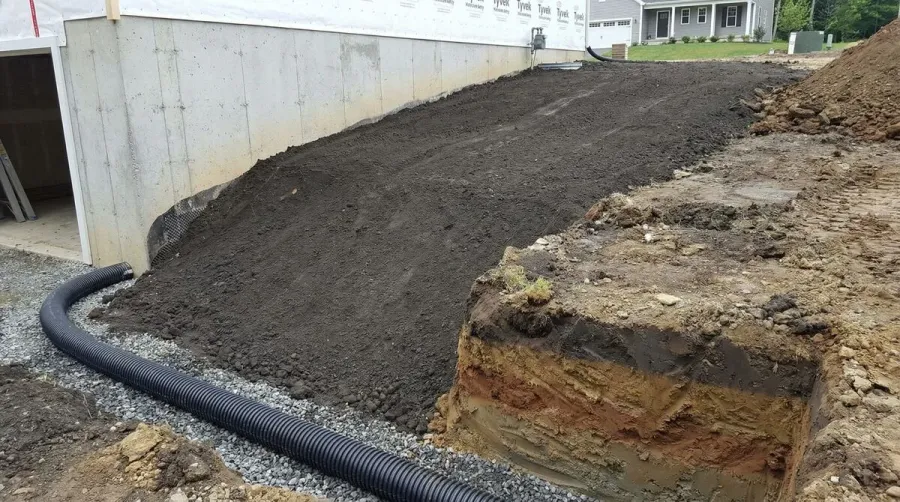
Your foundation is only as strong as what surrounds it. When water pools around your home’s base or the soil settles unevenly, you’re looking at thousands in potential damage. The right fill dirt around your foundation creates a protective barrier that directs water away from your home while maintaining structural stability.
Quick Answer: Use clean fill dirt free of organic matter, applied in 6-inch layers and compacted to create a 6-inch slope away from your foundation within the first 10 feet.
This guide walks you through selecting quality fill dirt, understanding why it matters for your foundation, and applying it correctly to protect your biggest investment.
About Hello Gravel
Hello Gravel delivers bulk gravel, rock, dirt, and sand by the ton. Enter your ZIP code to see prices with delivery included. A local dump-truck driver places the load where access is safe; spreading is not included.
What makes fill dirt different from regular soil
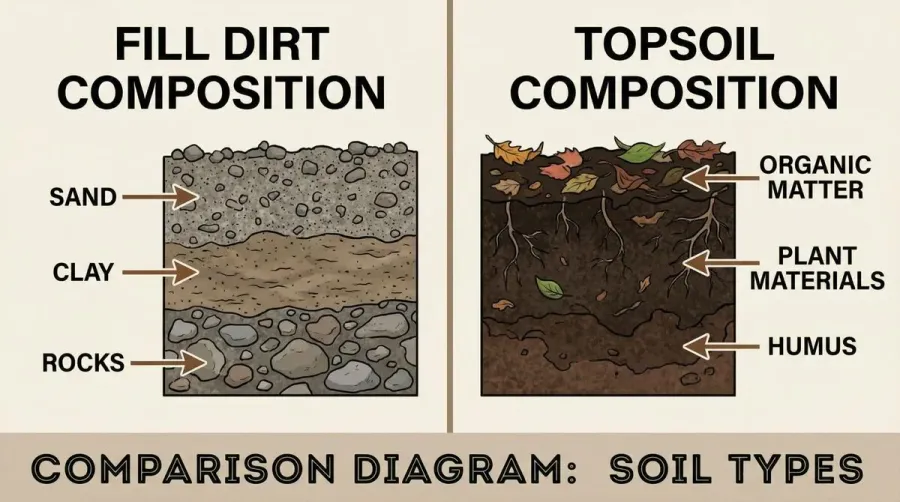
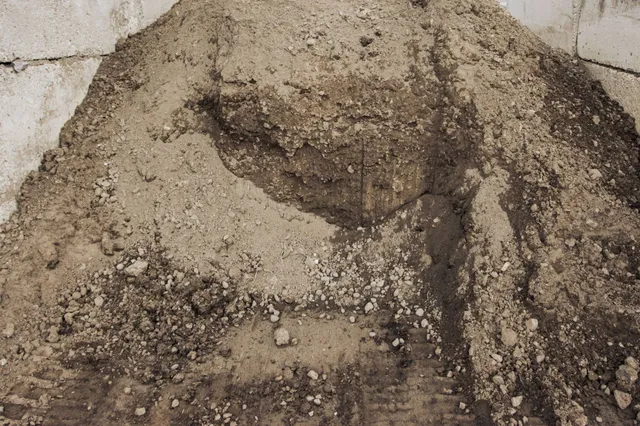
Fill dirt comes from deep underground layers called subsoil, making it fundamentally different from the topsoil in your garden. According to hellogravel.com/guides, this material consists primarily of sand, clay, and rock particles without organic matter that can decompose over time.
The absence of organic materials gives fill dirt its stability. When leaves, roots, or other organic matter break down in regular soil, they create air pockets and cause settling. Fill dirt maintains its volume and density, making it perfect for foundation work where consistency matters most.
You’ll find fill dirt typically contains a mixture of clay for binding, sand for drainage, and small rocks for structure. This combination creates a material that compacts well while still allowing water to move through it at a controlled rate.
Why your foundation needs proper fill dirt placement
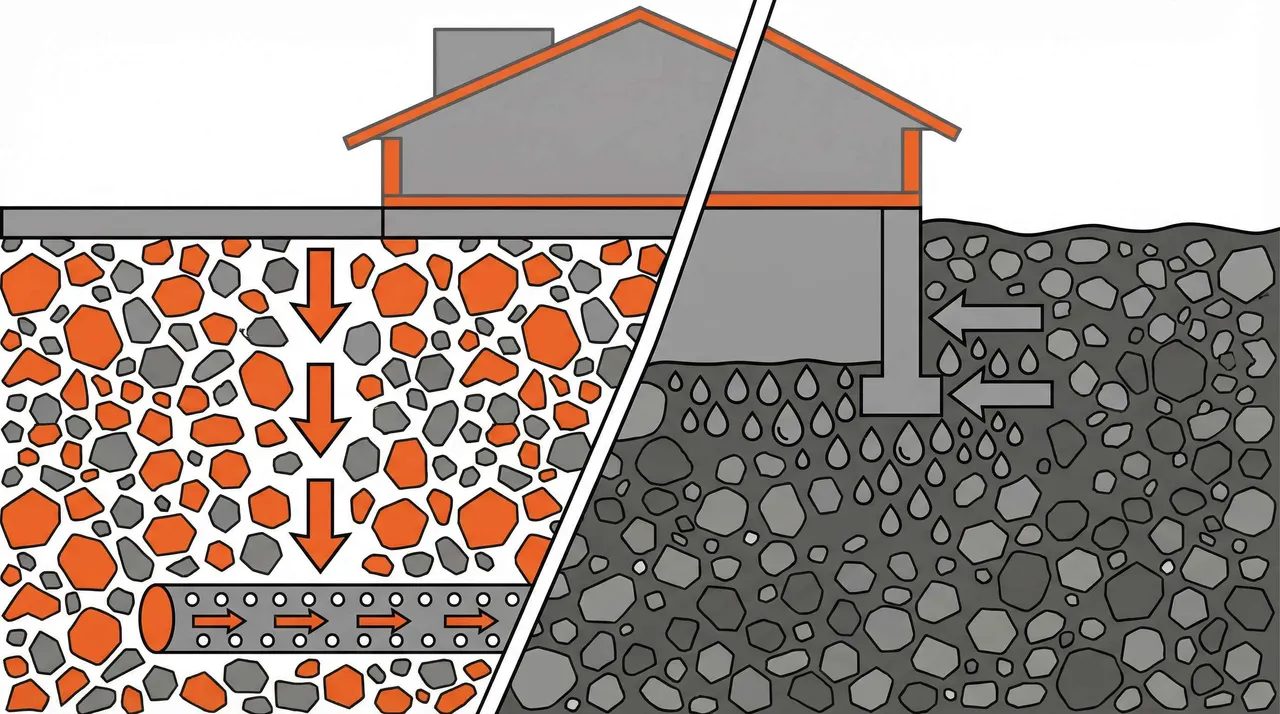
Foundation problems often start with poor drainage and unstable soil conditions around your home’s perimeter. When water sits against your foundation walls, it creates hydrostatic pressure that can cause cracks, leaks, and even structural failure over time.
Proper fill dirt placement solves three critical issues. First, it creates the necessary slope to direct water away from your foundation, preventing pooling and moisture problems. Second, it provides stable support that won’t shift or settle, keeping your foundation level. Third, it eliminates gaps where water can collect and freeze, which expands and damages foundation materials.
The hellogravel.com/guides research shows that foundations with proper fill dirt grading experience significantly fewer water-related issues. When you slope fill dirt away from your foundation at the correct angle, you’re essentially creating a drainage system that protects your home 24/7.
Professional Tip: Maintain a minimum 6-inch drop in the first 10 feet away from your foundation to ensure proper water runoff.
Choosing quality fill dirt for foundation work
Not all fill dirt works equally well for foundation applications. The best fill dirt for your foundation should be completely free of organic matter, debris, and large rocks that could create settling issues later.
Look for clean fill that has been screened to remove materials larger than 3 inches. This screening process ensures consistent compaction and eliminates voids that could cause future problems. The ideal composition includes 15-25% clay for binding, 45-65% sand for drainage, and the remainder in small rock particles for stability.
| Fill Dirt Quality Factor | Good Choice | Poor Choice |
|---|---|---|
| Organic Matter | None present | Contains roots, leaves |
| Particle Size | Screened, under 3″ | Large rocks, debris |
| Moisture Content | Slightly damp | Bone dry or saturated |
| Clay Content | 15-25% | Over 40% or under 10% |
Quality suppliers like Hello Gravel test their fill dirt to ensure it meets construction standards. They screen out debris and verify the material composition, giving you confidence that your foundation work will last.
Step-by-step fill dirt application process
Applying fill dirt around your foundation requires careful preparation and technique to achieve lasting results. Start by removing any existing vegetation, debris, or loose soil within 10 feet of your foundation walls.
Begin with site preparation by marking utility lines and ensuring the area is dry. Wet soil compacts poorly and can create future settling problems. If you’re working after rain, wait for the soil to reach optimal moisture content, which feels slightly damp but doesn’t stick to your tools.
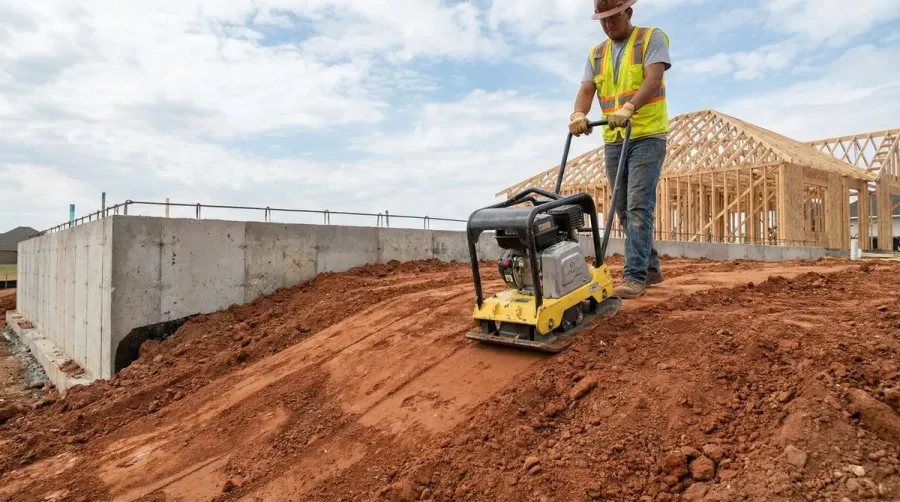
Apply fill dirt in 6-inch lifts, spreading each layer evenly before compaction. Understanding how much fill dirt will settle is crucial for achieving the proper final grade. Use a plate compactor for larger areas or a hand tamper for smaller spaces around foundation details. Each layer should be compacted to 95% of its maximum density to prevent future settling.
Create your drainage slope as you build up the fill dirt. The final grade should drop 6 inches in the first 10 feet away from your foundation, then continue sloping away from the house at a gentler rate. This ensures water moves away from your foundation rather than pooling against it. If you’re wondering about whether fill dirt will wash away, proper compaction and grading are key to preventing erosion.
Safety Note: Always call 811 before digging to locate underground utilities and prevent dangerous accidents or costly repairs.
The investment in quality fill dirt and proper application pays dividends in foundation protection. When you take time to do this work correctly, you’re preventing water damage, structural issues, and costly repairs that could affect your home for decades. Whether you’re building new or maintaining an existing foundation, understanding what structural fill dirt is and applying it correctly creates a solid defense against the elements while maintaining your home’s structural integrity.
FAQ
How high should dirt be around foundation?
Keep soil 6-8 inches below the foundation sill plate or weep holes, sloping outward at a 6-inch drop over the first 10 feet to direct water away from your foundation. This prevents hydrostatic pressure and water damage while maintaining proper drainage around your home’s base.
What is the best dirt for foundation work?
Clean fill dirt free of organic matter and debris is ideal for foundation work. It consists of sand, clay, and rock particles that compact densely for stability without settling over time. Avoid topsoil which contains organic materials that decompose and create air pockets, causing future settling issues.
Should I put gravel around my foundation?
Use gravel as a top layer over properly graded fill dirt for enhanced drainage in wet areas, but fill dirt provides the primary stable base. The gravel helps with surface water management while the compacted fill dirt underneath ensures structural stability and proper foundation support.
How do you properly compact fill dirt around a foundation?
Apply fill dirt in 6-inch layers, ensuring each layer is slightly damp but not saturated. Use a plate compactor for larger areas or hand tamper for smaller spaces, compacting each layer to 95% of maximum density before adding the next. This prevents future settling and ensures long-term stability.
Materials for this project
Get it delivered — dumped where you need it
Fill Dirt
Grading & Backfill
See delivered price
View product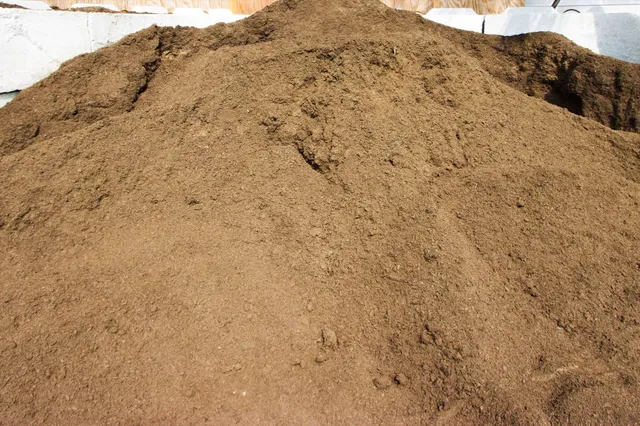
Topsoil
Lawn establishment & Garden beds
See delivered price
View product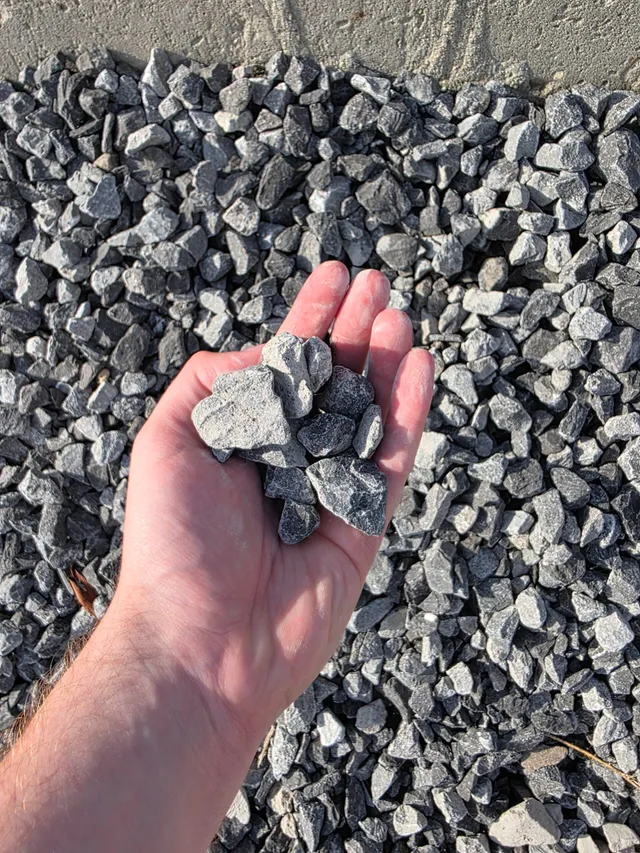
Driveway Gravel
Driveways & Parking areas
See delivered price
View product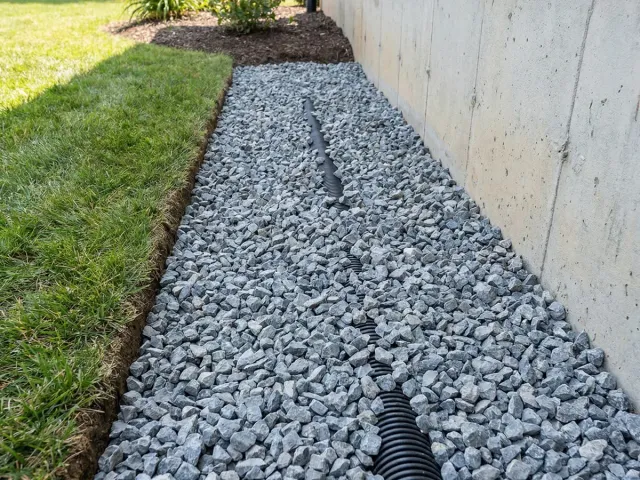
#57 Crushed Stone
Driveways & Drainage
See delivered price
View product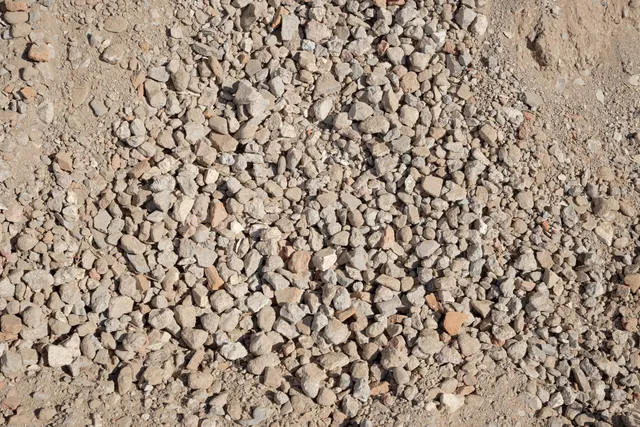
Road Base
Driveway base & Road construction
See delivered price
View product