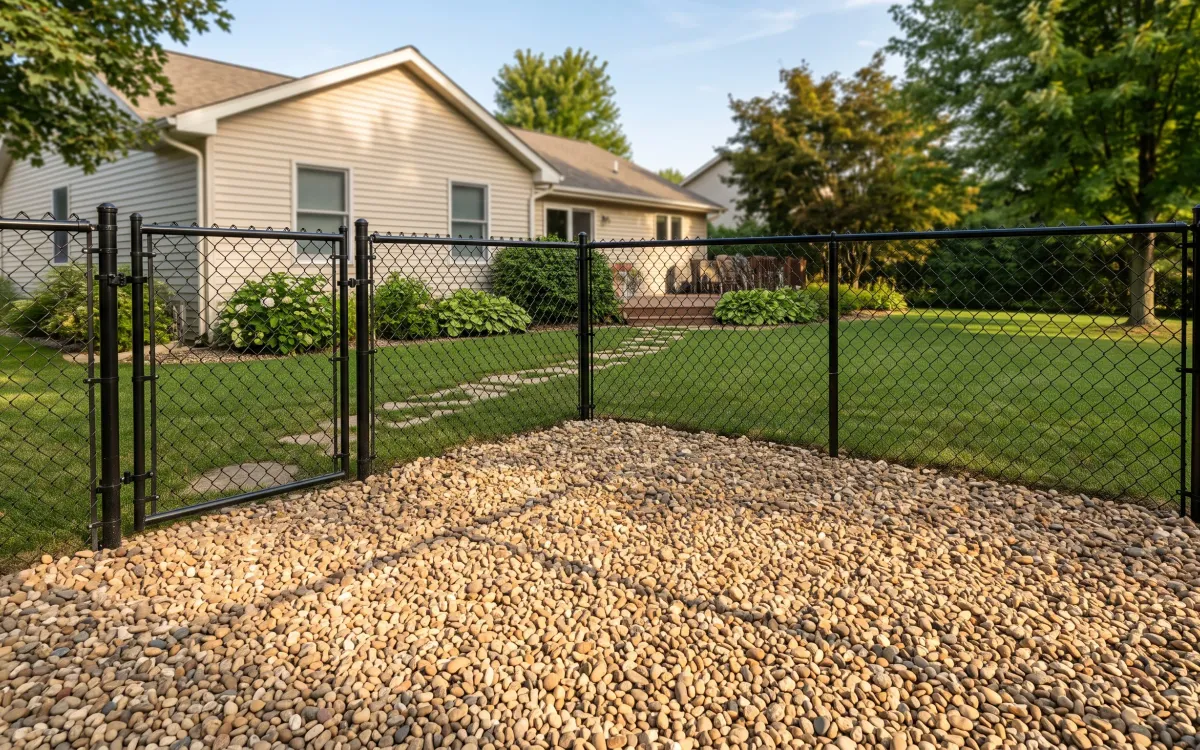
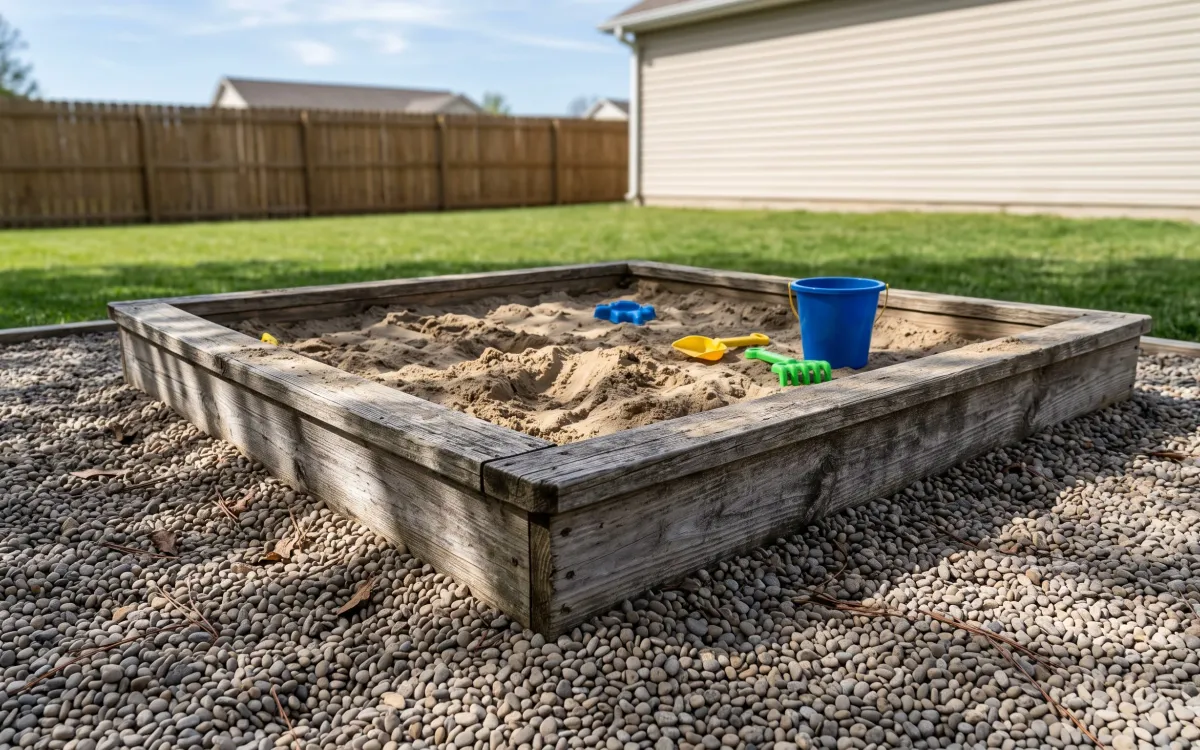
Playground Surface Gravel: Pea Gravel Depth & Tonnage
Creating a safe and durable playground requires careful selection of materials and proper installation techniques. This guide explains what a playground is, which materials you need, how to design the layout, how to install it step by step, and how to estimate the amount of gravel required. Whether you are building a backyard play area for your children or planning a community playground installation, use the sections below to navigate through the process.
See How to Build a Playground
This visual guide shows the complete installation sequence for building a safe, durable playground surface. It clarifies the step-by-step process from excavation to final surfacing, while the layered diagram illustrates how the compacted subgrade, drainage gravel, impact-absorbing rubber mulch, and play sand work together to create a cushioned, drainable play area.
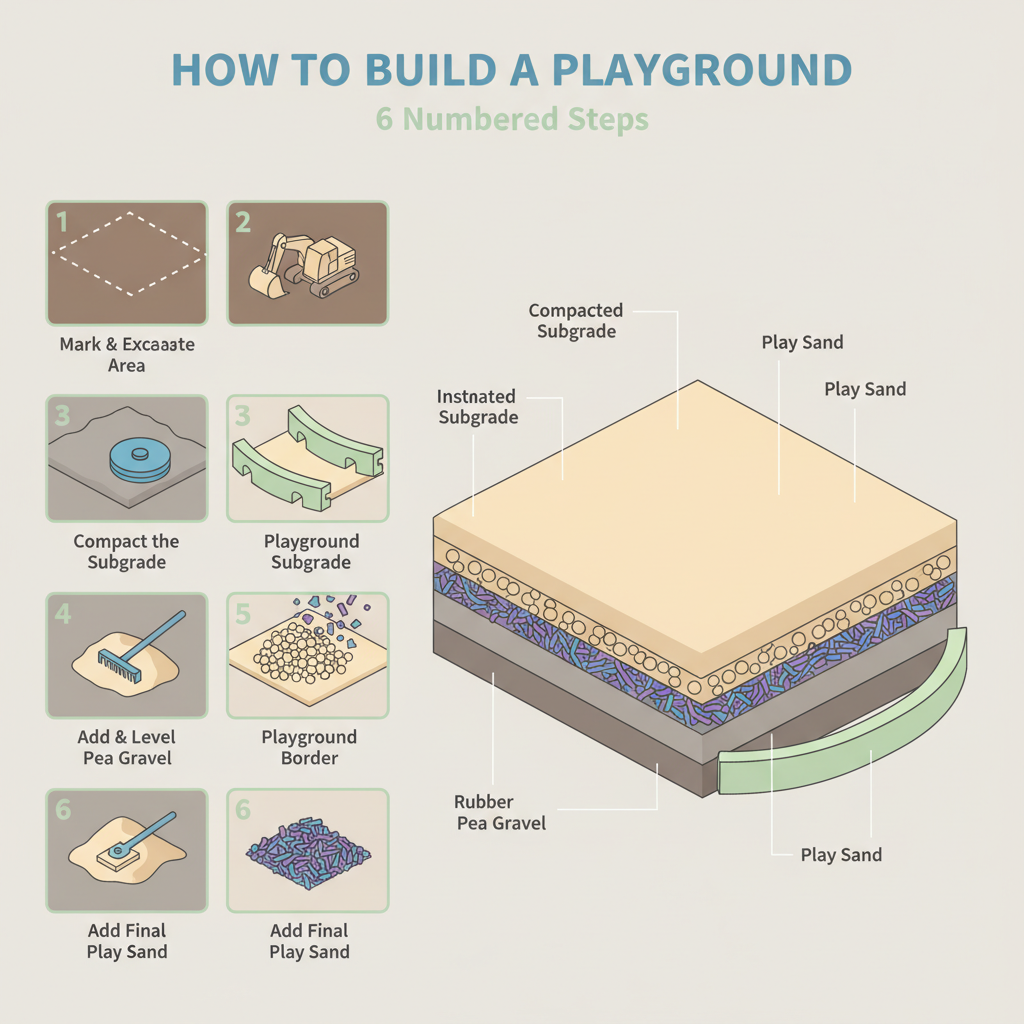
This diagram couldn't load.
Watch the video guide insteadGravel for Playgrounds: Best Materials, Depth, Safety & How to Build
Building a safe playground requires careful material selection and proper installation. We recommend pea gravel as the drainage base layer, using 3/8 to 3/4 inch rounded stones at 2-3 inches depth beneath your safety surface. This layered system with compacted subgrade, drainage gravel, shock-absorbing rubber mulch, and play sand creates a well-drained, impact-attenuating surface that prevents puddles and cushions falls. Proper compaction and slight slope ensure long-term stability and water runoff.
How This Playground Is Built (Layer-by-Layer System)
This playground's layered system creates a safe, well-drained surface for play while cushioning falls. The structure begins with a compacted subgrade, topped by a drainage layer of pea gravel that allows water to percolate away from the surface. Above this, a shock-absorbing layer of rubber mulch provides impact attenuation, while play sand forms the uppermost surface for play activities. Proper compaction of each layer ensures stability, and the system's slight slope directs surface water runoff to prevent puddles and maintain a dry play area.
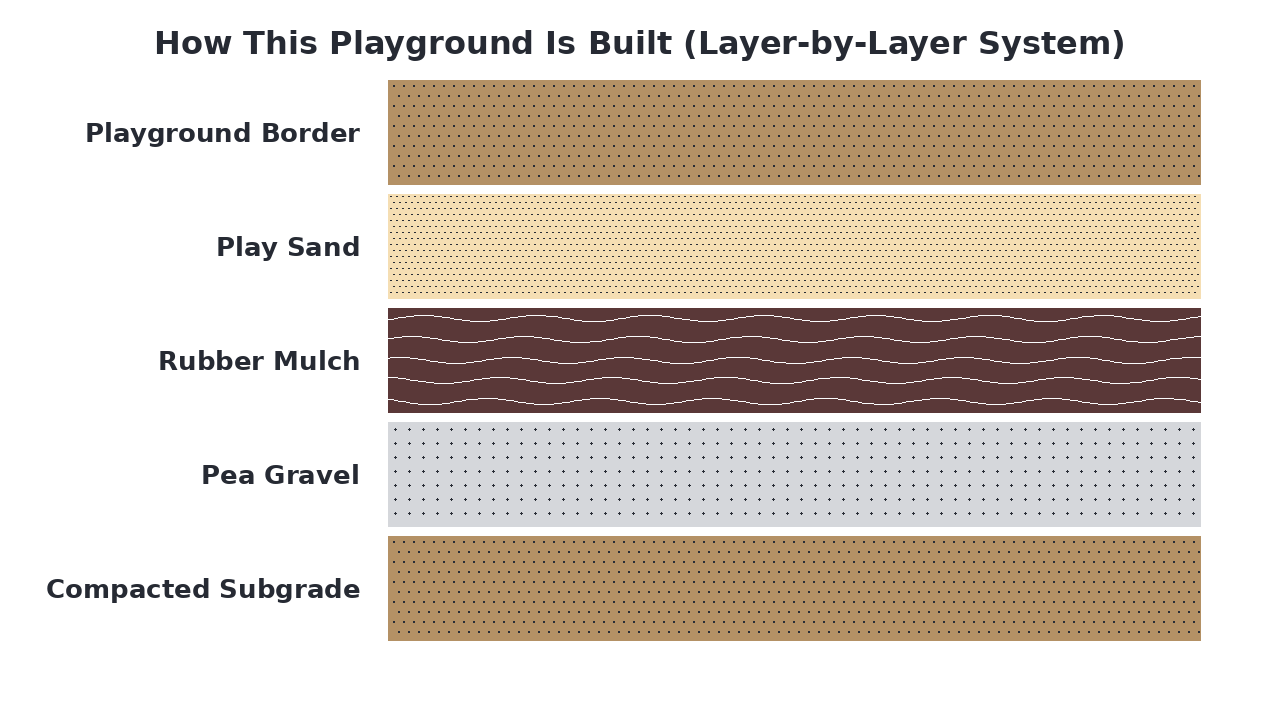
Materials Breakdown: What Each Layer Does
A playground surface is built as a layered system, where each material serves a specific purpose for safety, drainage, and play. The layers work together to provide a stable, cushioned, and well-draining surface that protects children from falls while keeping the area clean and dry. Choosing the right product for each layer ensures long-term durability and low maintenance.
Compacted Subgrade
The firm, level base of native soil that provides a stable foundation for the playground layers and prevents settling.
Pea Gravel
A free-draining aggregate layer that promotes rapid water runoff, preventing puddles and keeping the surface dry.
View Pea Gravel →Rubber Mulch
A resilient, shock-absorbing layer that cushions falls, meets safety standards, and reduces injury risk.
Play Sand
A soft, fine-grained surface that provides a comfortable play area for digging, molding, and creative activities.
Playground Border
Edging material that contains the surface layers, defines the play area, and prevents material migration.
What Is a Playground and Why Does It Matter?
A playground is a designated outdoor space designed for children's play activities, typically featuring equipment like swings, slides, and climbing structures. It matters because proper playground construction provides safe environments for physical development, social interaction, and imaginative play. Unlike simple grass or hard surfaces, a properly built playground uses layered materials that cushion falls, provide drainage, and create accessible play areas that meet safety standards while encouraging outdoor activity.
Common Types of Playground Systems
Playgrounds come in several common types based on their surface materials and safety features. Traditional playgrounds often use loose-fill materials like sand or wood mulch that provide natural cushioning but require regular maintenance. Rubber-based systems offer excellent fall protection and durability but come at higher cost. Gravel-based playgrounds provide good drainage and natural aesthetics while meeting safety standards for impact absorption.
- Natural, soft surface
- Easy to shape and dig
- Good drainage
- Requires frequent raking
- Can track indoors
Best for: Younger children's creative play areas
- Excellent drainage properties
- Natural, attractive appearance
- Good impact absorption
- Low maintenance needs
- Discourages weed growth
Best for: Durable, low-maintenance family playgrounds
- Superior fall protection
- Long-lasting durability
- Minimal maintenance required
- Higher initial cost
- Synthetic material
Best for: High-traffic public or school playgrounds
- Natural, organic material
- Good cushioning for falls
- Affordable installation
- Requires regular replenishment
- Can attract insects
Best for: Budget-friendly residential play areas
When a Playground Is the Best Solution
A pea gravel playground is ideal when you need a durable, low-maintenance play surface that provides good drainage and natural aesthetics. It's perfect for family yards where children play regularly but you want to minimize ongoing upkeep and maintenance costs. Choose pea gravel when safety standards for fall height protection are important but you prefer natural materials over synthetic options. This solution works well in areas with proper drainage needs and where you want an attractive, long-lasting play environment.
Everything You Need to Build a Playground
Building a safe playground surface requires a layered approach using specific materials for foundation, drainage, and cushioning. You'll need foundational materials like road base and pea gravel, a cushioned layer of rubber mulch or play sand, and a border to contain everything. Essential tools for excavation, leveling, and compaction will ensure a stable, long-lasting surface.
- Road base, Pea gravel, Rubber mulch, Play sand, Playground border
- Shovel, Rake, Hand tamper or plate compactor, Wheelbarrow, Tape measure, Level
- Hello Gravel (materials), A contractor supply store, Local equipment rental (compactor)
What to Consider Before You Start
Proper planning ensures your playground is safe, functional, and meets local requirements. Consider these key points before you begin digging.
- Local regulations and permits
Check with your municipality for any permits required for playground construction and specific safety standards for surfacing materials and fall zones.
- Site drainage and slope
Evaluate the area for natural drainage and ensure the final surface has a slight slope (about 1-2%) to prevent water pooling.
- Play equipment layout and fall zones
Plan the placement of all play structures and map out the required safety fall zones, which dictate the size of your cushioned surface area.
- Material depth and quantity
Calculate the required depth for each layer (especially the cushioning layer) based on the fall height of your equipment to determine the total volume of materials needed.
- Access for delivery and installation
Ensure there is clear access for material delivery (e.g., bulk bags of gravel) and space to maneuver tools during excavation and installation.
How to Prepare the Ground for a Playground
Begin by clearing the area of all vegetation, rocks, and debris to create a clean base. Mark the perimeter of your playground using stakes and string, then grade the ground to establish a gentle slope of about 1-2% for proper drainage away from any structures. Finally, thoroughly compact the subgrade with a plate compactor to create a firm, stable foundation that prevents settling and shifting.
How a Playground Works
The layered playground surface functions as an integrated safety and drainage system. The compacted subgrade provides structural stability, while the pea gravel layer acts as a drainage base that quickly channels water away. Above this, rubber mulch offers critical impact absorption to cushion falls, and the top layer of play sand provides a soft, moldable surface for play while allowing for easy maintenance.
How to Install a Playground
Mark & Excavate Area
Outline the playground perimeter with stakes and string, then excavate the marked area to the required depth, typically 6-8 inches, ensuring the bottom is level.
Compact the Subgrade
Use a mechanical plate compactor to thoroughly compact the excavated soil, creating a solid, unyielding base layer for the entire playground system.
Install Playground Border
Place and secure a durable border, such as landscape timbers or plastic edging, around the entire perimeter to contain the surface materials.
Add & Level Pea Gravel
Spread a 2-3 inch layer of pea gravel evenly across the compacted subgrade, then rake it level to create a stable drainage base.
Spread Rubber Mulch Layer
Pour and spread a 3-4 inch layer of rubber mulch over the pea gravel, ensuring an even depth for consistent impact absorption across the play area.
Add Final Play Sand
Apply a 2-3 inch top layer of play sand, raking it smooth and level to complete the cushioned, drainable play surface.
Alternative Gravel Options for Playgrounds
Playground surfaces require materials that provide safety cushioning, drainage, and stability. While pea gravel offers good drainage and natural cushioning, play sand provides excellent impact absorption but requires containment. Rubber mulch offers superior fall protection but is more expensive, while traditional mulch decomposes quickly. Pea gravel typically wins for playgrounds because it provides a good balance of safety, drainage, and low maintenance while being cost-effective.
Best overall option providing good drainage, natural cushioning, and low maintenance.
View Product →Excellent for impact absorption but requires containment and regular leveling.
Superior fall protection but higher cost and potential for heat retention.
Natural appearance but decomposes quickly requiring frequent replacement.
Too compact and lacks proper cushioning for playground safety.
Common Playground Mistakes (And How to Avoid Them)
Common playground mistakes often compromise safety, drainage, or durability. Avoiding these errors ensures a safer, longer-lasting play area that requires less maintenance over time.
- Insufficient depth
- Poor drainage design
- No containment borders
- Wrong material choice
- Uneven surface
- No weed barrier
How to Maintain a Playground
Regular playground maintenance ensures safety and extends the life of your surface. Rake and level the surface monthly to prevent uneven spots and maintain proper cushioning. Check and replenish material depth annually, especially in high-traffic areas, and inspect drainage channels to prevent water pooling. Remove debris and monitor containment borders to keep materials in place.
Calculate How Much Gravel You Need
Enter Your Dimensions
Measure your project area and we'll calculate how much material you need.