Pea Gravel for Parking Areas: Pros, Cons, and Installation Guide
Published on: December 12, 2025
Get an estimate for your project in 60 seconds

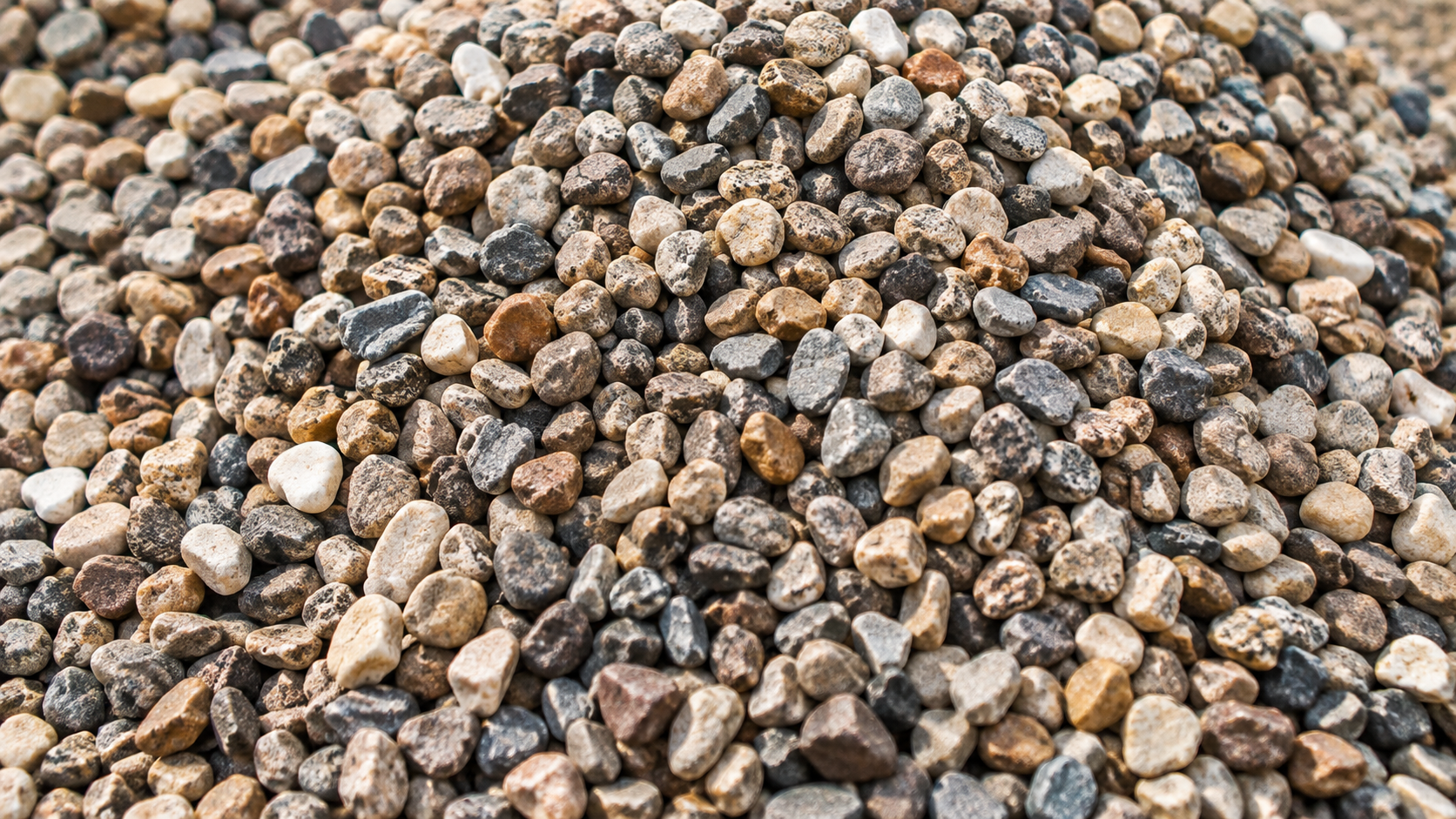
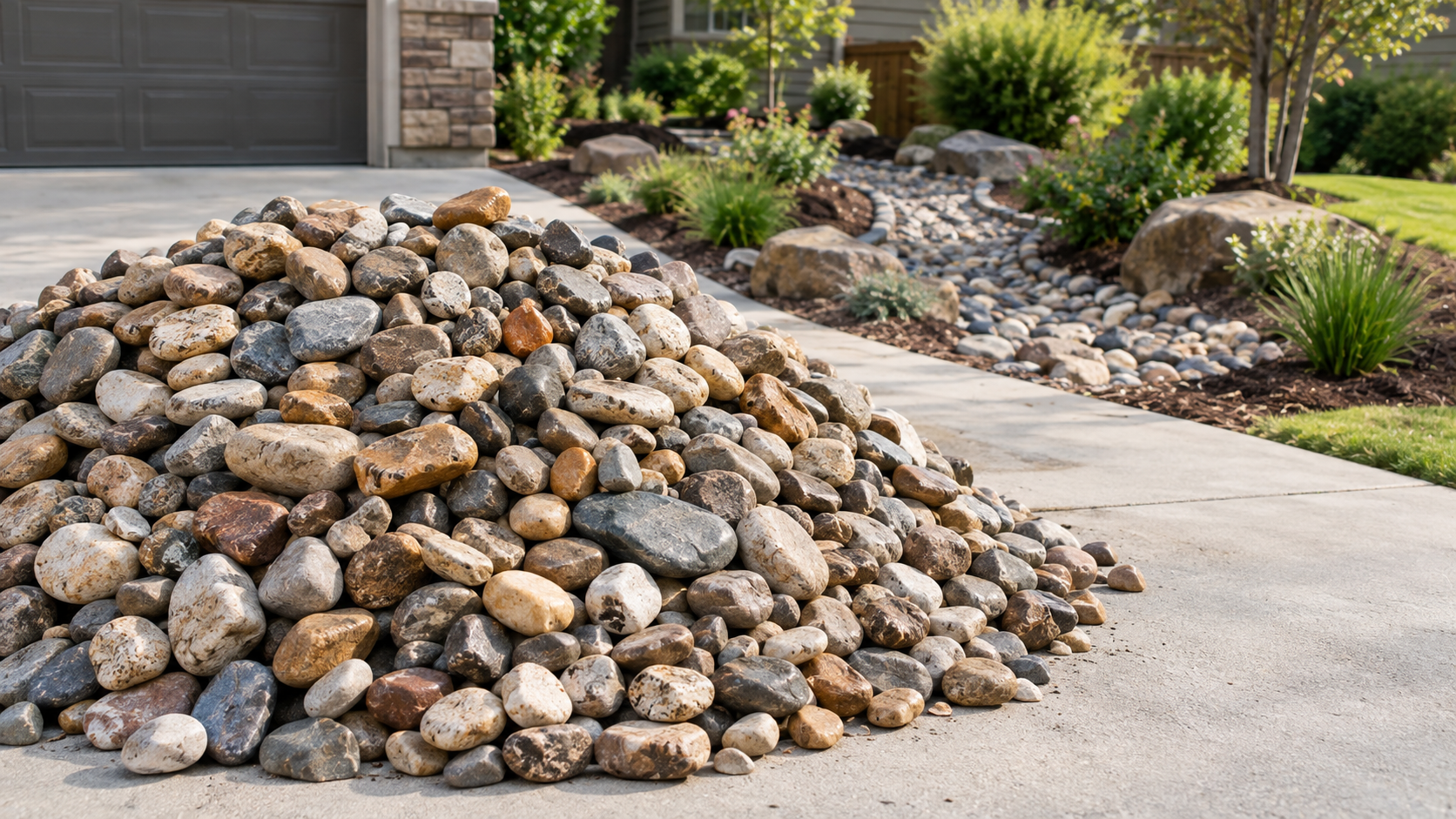
Pea gravel is a small, smooth stone aggregate roughly the size of a garden pea that comes in various natural colors. You can absolutely use pea gravel for parking areas, but success depends on understanding where it works best and where it struggles.
While pea gravel offers excellent drainage and an attractive natural appearance at a lower cost than concrete or pavers, it does shift under vehicle weight and requires more maintenance than crushed stone alternatives. This guide will help you decide if pea gravel fits your parking project and show you how to install it properly for the best results.
Quick Answer: Pea gravel works well for light-traffic residential parking pads and guest spaces on flat terrain, but crushed stone is better for high-traffic areas or steep slopes.
What makes pea gravel suitable for parking areas
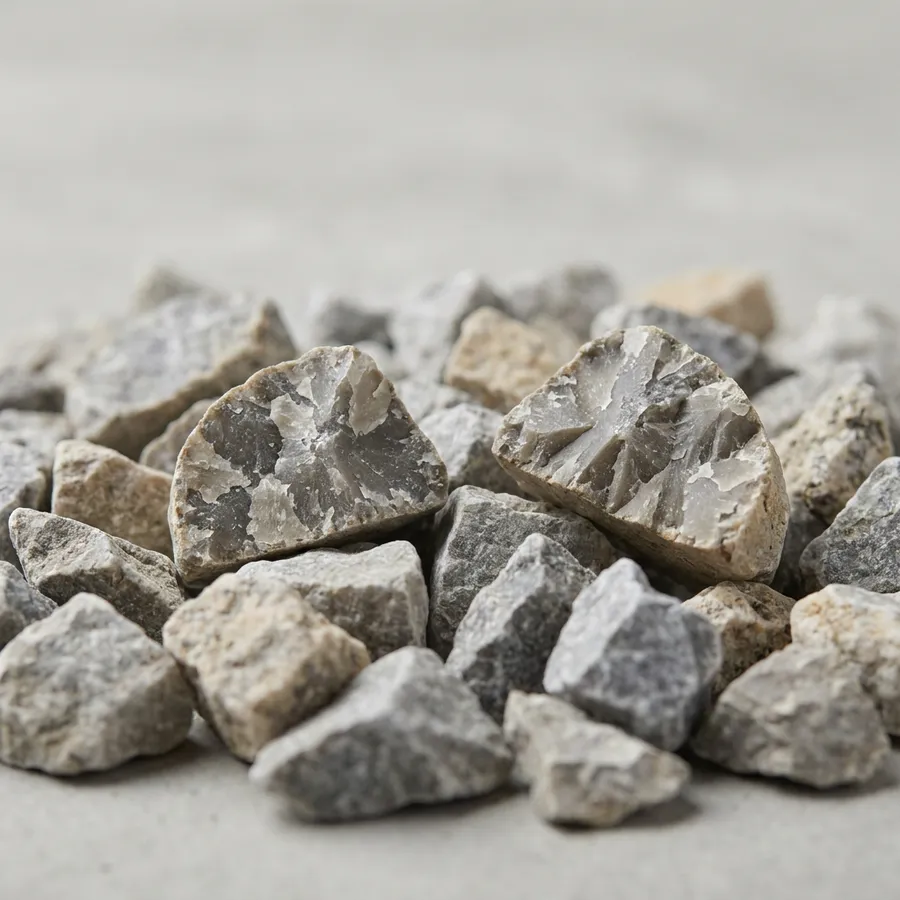
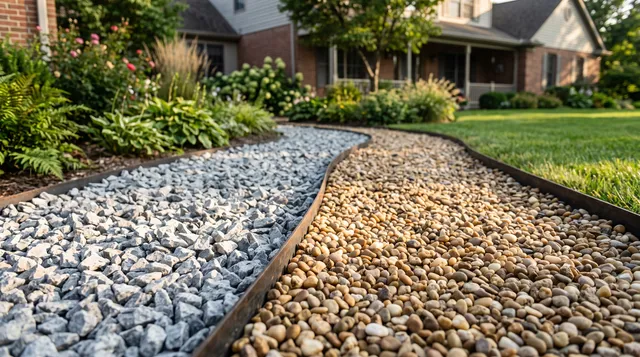
Pea gravel consists of naturally rounded stones typically ranging from 1/8 to 3/8 inch in diameter. The smooth, water-worn surface gives it an appealing aesthetic that complements most landscape designs while providing functional benefits for parking applications.
The rounded shape allows excellent water drainage, preventing puddles and reducing runoff issues common with solid surfaces. This drainage capability makes pea gravel particularly valuable in areas with heavy rainfall or poor soil drainage.
For parking areas, pea gravel offers a cost-effective alternative to concrete or asphalt. Installation requires basic tools and skills, making it accessible for DIY projects. The material also allows for easy adjustments and repairs compared to permanent surfaces.

Advantages and disadvantages for vehicle areas
The benefits of pea gravel parking areas include:
Excellent drainage prevents water pooling and ice formation. The permeable surface allows rainwater to filter through naturally, reducing environmental impact and eliminating standing water problems.
Lower upfront costs compared to concrete, asphalt, or paver installations. Material and delivery expenses typically run significantly less than permanent alternatives, especially for larger areas.
Easy installation and modification capabilities. You can adjust the layout, add more material, or change the design without major reconstruction. Repairs involve simply adding fresh gravel to worn spots.
However, pea gravel has notable limitations:
Shifting and scattering under vehicle tires creates maintenance challenges. The smooth, rounded stones move easily, especially during turning or braking, requiring regular raking and releveling.
Important Consideration: Pea gravel can be challenging for wheelchairs, walkers, and strollers due to the loose, shifting surface that doesn’t provide stable footing.
Less stability than angular crushed stone options. The rounded shape provides less interlocking between stones, making the surface less suitable for heavy vehicles or frequent traffic.
Higher maintenance requirements include regular raking, weed control, and periodic replenishment. Snow removal becomes more difficult since plowing can displace the gravel.
When pea gravel works best versus alternatives
Pea gravel performs well in specific parking scenarios. Light to moderate traffic situations like residential side parking, guest spaces, or seasonal vehicle storage work excellently with proper installation.
Flat or gently sloped areas provide the best conditions for pea gravel stability. Steep grades cause the material to migrate downhill, creating thin spots and requiring constant maintenance.
For high-traffic commercial parking lots or areas requiring ADA accessibility, crushed stone or solid surfaces prove more practical. The angular shape of crushed stone creates better interlocking and stability under heavy use. If you’re considering alternatives, limestone offers excellent compaction properties for parking areas, while bluestone provides a more stable parking surface.
| Material | Stability | Drainage | Cost | Maintenance |
|---|---|---|---|---|
| Pea Gravel | Moderate | Excellent | Low | High |
| Crushed Stone | High | Good | Low-Moderate | Moderate |
| Concrete | Very High | Poor | High | Low |
| Asphalt | High | Poor | Moderate | Low |
Consider your specific needs carefully. If you prioritize drainage and natural appearance for light-use areas, pea gravel excels. For durability and low maintenance with heavier traffic, crushed stone or solid surfaces work better.
Installation process for parking areas
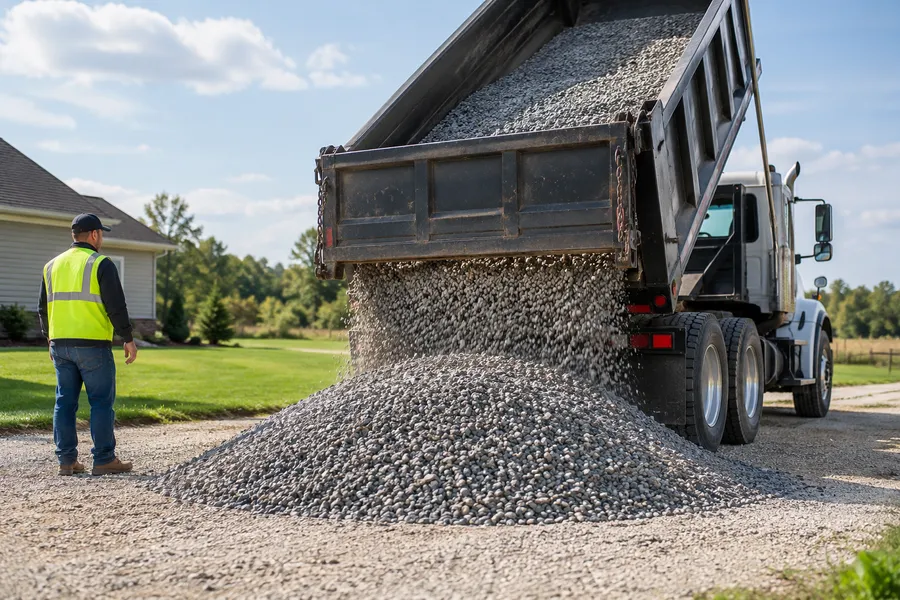
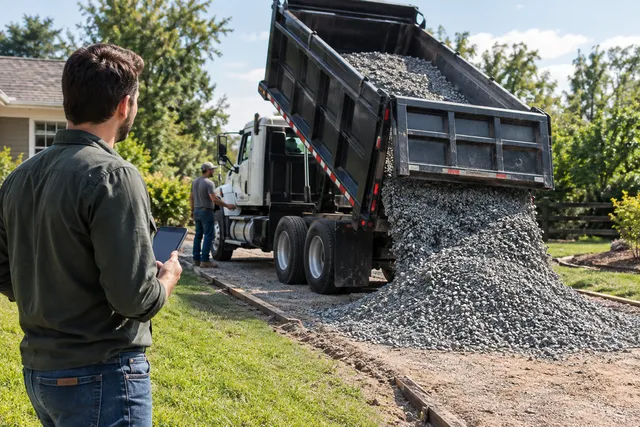
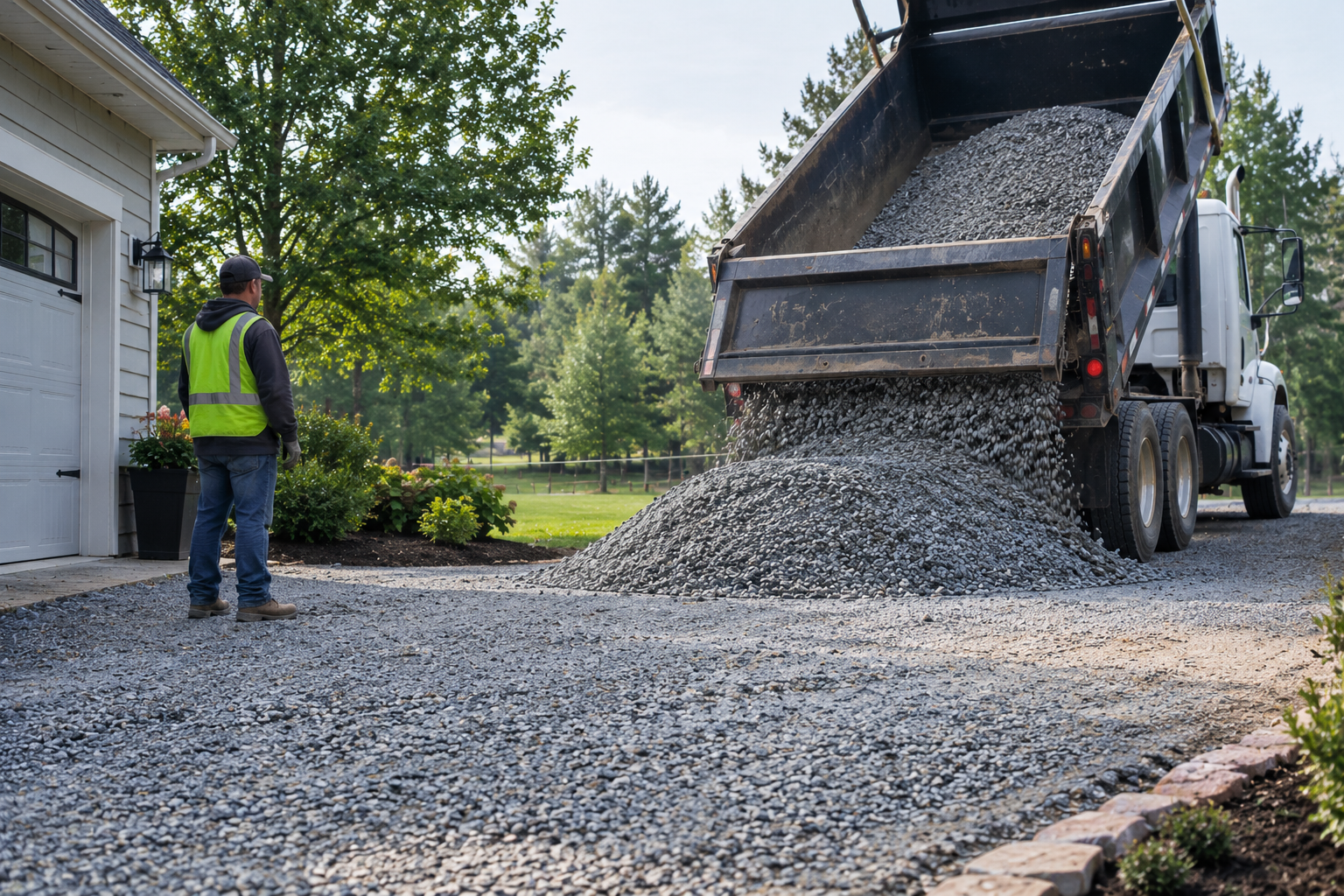
Proper installation determines the long-term success of your pea gravel parking area. Start by marking the boundaries and calculating the area to determine material quantities. Plan for 4 to 6 inches of pea gravel depth for vehicle areas, compared to 2 to 3 inches for walkways.
Excavate the area to accommodate both base material and pea gravel layers. Remove vegetation, debris, and loose soil, then compact the subgrade thoroughly. Poor base preparation leads to settling and uneven surfaces later.
Install a crushed stone base layer of 2 to 4 inches for stability. Compact this base material thoroughly using a plate compactor or hand tamper. This step provides the structural foundation that prevents rutting and extends the life of your parking area. For similar foundation projects, you might also consider using pea gravel for shed foundations.
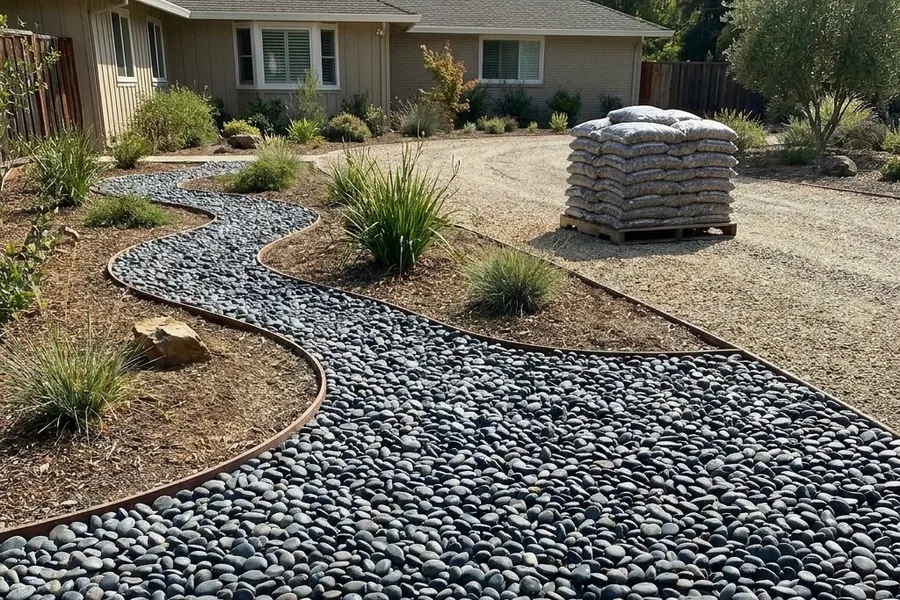
Add edging or borders to contain the pea gravel and prevent spreading. Options include metal landscape edging, concrete borders, or natural stone barriers. Proper containment keeps the gravel in place and maintains clean edges.

Spread the pea gravel evenly across the prepared area, maintaining consistent depth. Use a rake to level the surface, then lightly compact with a plate compactor. Avoid over-compacting, which can create a hard surface that doesn’t drain properly.
Pro Tip: Add gravel in two layers, compacting each separately for better stability and easier leveling.
Maintenance and seasonal considerations
Regular maintenance keeps your pea gravel parking area functional and attractive. Rake the surface monthly to redistribute displaced stones and maintain level areas. High-traffic spots may need attention more frequently.
Replenish the gravel annually or as needed, typically adding a thin layer to restore proper depth. Traffic and weather gradually reduce the material through displacement and natural settling.
Weed control requires ongoing attention despite proper base preparation. Apply pre-emergent herbicides in spring or hand-pull weeds as they appear. Maintaining proper gravel depth helps suppress weed growth naturally. If you’re looking for other low-maintenance applications, pea gravel works excellently in raised garden beds and as an attractive fire pit area surface.
Winter presents unique challenges for pea gravel surfaces. Snow removal requires careful technique to avoid displacing the gravel. Use a snow blower or shovel gently, leaving a thin snow layer rather than scraping to bare gravel. Apply ice melt products sparingly to prevent environmental damage.
Planning ahead for seasonal needs helps maintain your parking area year-round. Stock extra gravel for spring touch-ups after winter displacement, and consider temporary markers to identify the parking area boundaries under snow cover.
Hello Gravel provides high-quality pea gravel and expert guidance for your parking area project. Our experienced team can help you calculate material quantities, recommend the right gravel size for your specific application, and arrange convenient delivery to your location. Contact us today to discuss your project requirements and get a detailed quote for premium materials that will create a durable, attractive parking solution.
FAQ
Can pea gravel be used for a parking area?
How deep should pea gravel be for a parking pad?
How do you keep pea gravel in place on a parking area?
Is pea gravel better than crushed stone for parking areas?
Author: igor