Heavy Clay Soil Guide for Construction and Landscaping Projects
Get an estimate for your project in 60 seconds
 Your information is secure
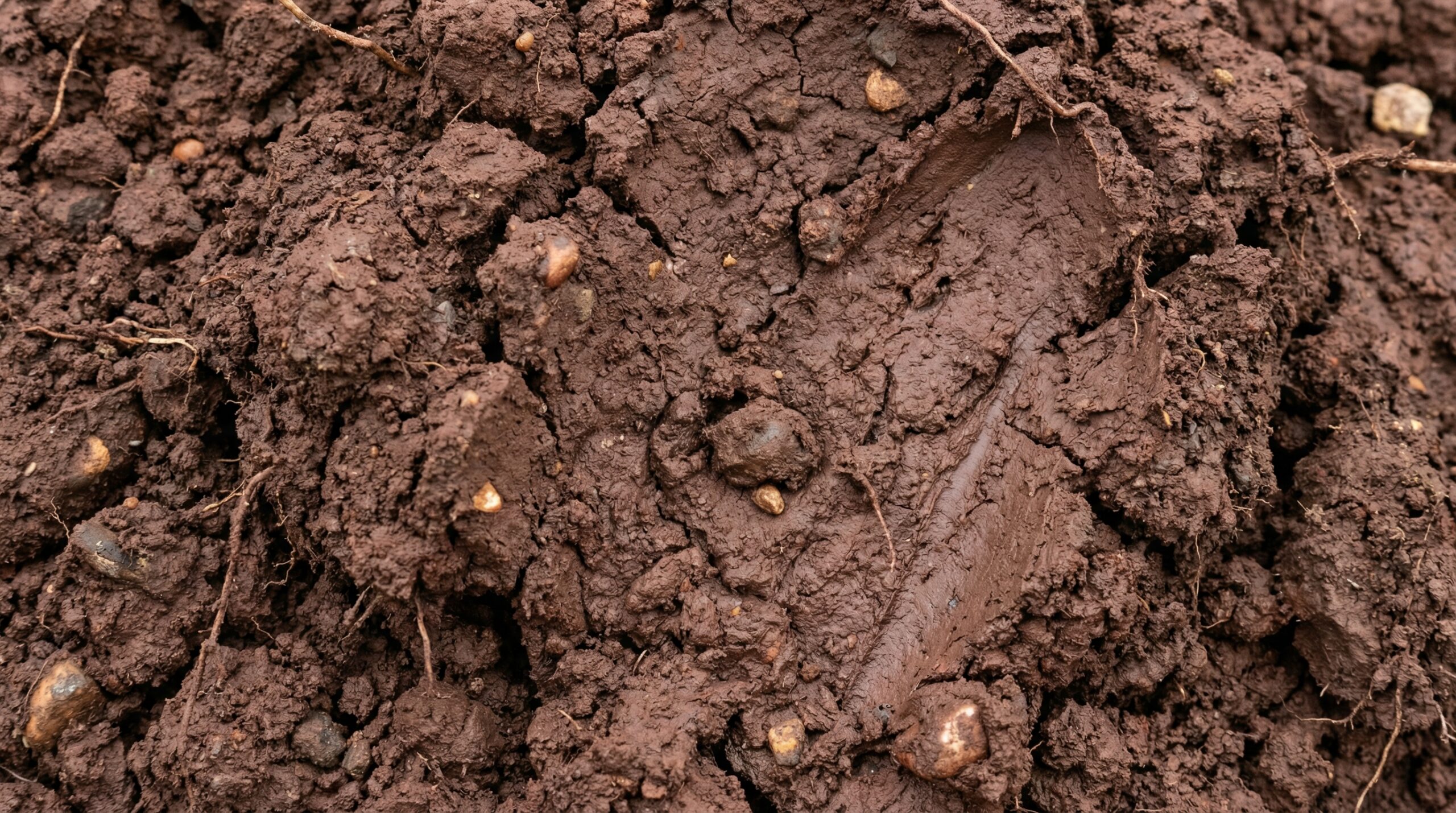
Heavy clay soil contains more than 30% clay particles and is known for its dense, compact nature that becomes sticky when wet and hard when dry. You’ll find this soil type valuable for construction projects like brick making and road foundations, though it requires careful handling due to its weight and water retention properties.
Understanding heavy clay soil helps you make informed decisions for your construction or landscaping project. This soil type offers unique benefits including excellent water retention, high nutrient content, and exceptional durability that makes it ideal for specific applications.
Quick fact: Heavy clay soil can retain up to 50% more water than sandy soil, making it excellent for drought-prone areas but challenging in wet conditions.
What makes heavy clay soil unique
Heavy clay soil gets its name from the microscopic clay particles that measure less than 0.002mm in diameter. These tiny particles pack tightly together, creating a dense material that feels heavy when you handle it, especially when wet.
The small particle size gives heavy clay an enormous surface area relative to its volume. This characteristic allows the soil to hold onto water and nutrients much more effectively than coarser soils like sandy soils or gravel. You’ll notice this soil becomes plastic and moldable when wet, which makes it perfect for certain industrial applications.
When heavy clay dries out, it becomes extremely hard and can develop deep cracks. This shrink-swell behavior happens because the clay particles release water and contract. Understanding this property helps you plan better for construction projects that involve high clay content soil.

Construction applications for heavy clay
You’ll find heavy clay soil essential in several construction applications. The brick and tile industry relies heavily on this material because the high clay content provides strength and durability to finished products. When fired in kilns, heavy clay creates strong, weather-resistant building materials that last for decades.
Road construction benefits significantly from heavy clay as a base material. The soil’s natural compaction properties create stable foundations that resist erosion and settling. Many highway projects use heavy clay subgrades because they provide excellent load-bearing capacity once properly compacted and drained. For projects requiring different characteristics, you might consider fill dirt versus clay options.
Construction tip: Always ensure proper drainage when using heavy clay in construction projects to prevent water-related issues like heaving and settling.
Heavy clay also works well for creating impermeable barriers in construction. You might use it for pond liners, landfill caps, or foundation waterproofing where you need to prevent water movement. The tight particle structure naturally resists water penetration when properly installed. Understanding how clay subsoil behaves is crucial for these applications.
Landscaping and agricultural benefits
For landscaping projects, heavy clay soil offers both challenges and opportunities. The high water retention capacity makes it excellent for areas where you want to conserve moisture and reduce irrigation needs. Plants that prefer consistent moisture levels often thrive in well-managed heavy clay soil.
The nutrient-holding capacity of heavy clay soil makes it naturally fertile. Clay particles attract and hold onto essential plant nutrients like potassium, calcium, and magnesium. This means you’ll often need less fertilizer compared to sandy soils that quickly lose nutrients through leaching.
However, you’ll need to address drainage issues in heavy clay soil for most landscaping applications. Adding organic matter like compost helps improve soil structure and creates better growing conditions. Many successful landscaping projects involve amending heavy clay rather than replacing it entirely. For better drainage and workability, consider blended soils that combine clay with other materials.

Cost considerations and market factors
Heavy clay soil typically costs between $15 and $45 per ton, depending on quality and location. You’ll pay more for high-grade clay suitable for ceramics or specialized construction applications compared to general fill material. Transportation costs significantly impact the final price, so sourcing locally often provides the best value.
| Clay Type | Price Range (per ton) | Primary Use |
|---|---|---|
| Construction grade | $15-25 | Road base, fill |
| Ceramic grade | $30-45 | Pottery, tiles |
| Agricultural grade | $20-35 | Soil amendment |
Several factors influence heavy clay pricing in your area. Seasonal demand from construction projects can drive prices higher during peak building months. The quality of the clay deposit affects pricing, with purer clays commanding premium prices. Local regulations and environmental considerations also impact availability and cost.
Budget planning: Factor in delivery costs and potential soil amendment expenses when budgeting for heavy clay soil projects.
When comparing costs with other soil types, heavy clay often provides better long-term value despite higher upfront costs. The durability and performance characteristics mean you’ll likely need less maintenance and replacement over time. For construction applications, the engineering properties of heavy clay can reduce the need for additional stabilization materials. If you’re considering alternatives, explore options like clay loam or sandy loam for different project requirements.
Planning your project with heavy clay soil requires understanding its unique properties and applications. Whether you’re building roads, creating landscape features, or manufacturing construction materials, heavy clay offers reliable performance when properly handled. The key lies in matching the soil’s characteristics with your specific project requirements and budget considerations.
Working with experienced suppliers helps ensure you get the right type of heavy clay for your application. They can provide guidance on handling, installation techniques, and any amendments needed for optimal performance in your specific project conditions.


 Chance Kittrell
