
What Is Muck Soil (Uses for Farming and Gardening)
Pricing your fill dirt? Get delivered prices for your ZIP.
We'll text your delivered price. No obligation.
Delivered to your driveway. You pick the date.
* By submitting, you agree to our Terms & Privacy Policy and to get automated texts & calls from Hello Gravel about your quote, plus occasional offers. Agreeing isn’t required to buy. Msg frequency varies. Msg & data rates may apply. Reply STOP to opt out, HELP for help.
- Fill Dirt: from $48/ton near Columbus
- Topsoil: from $86/ton near Columbus
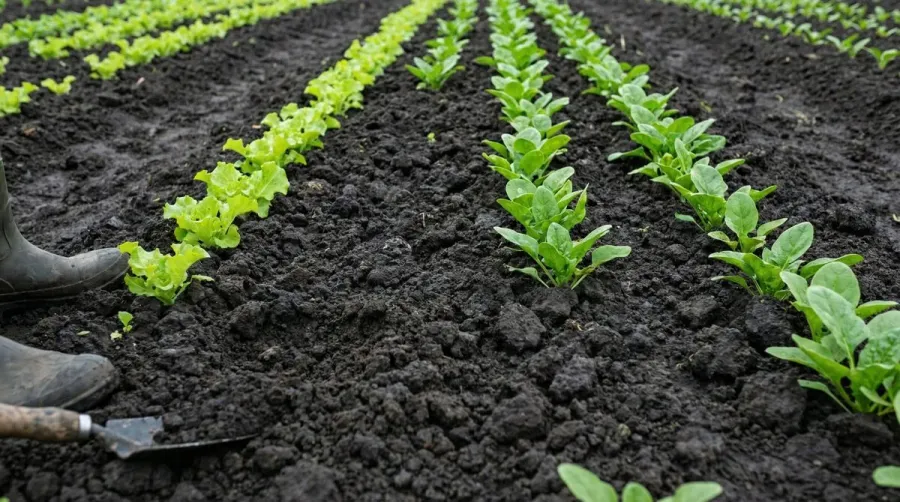
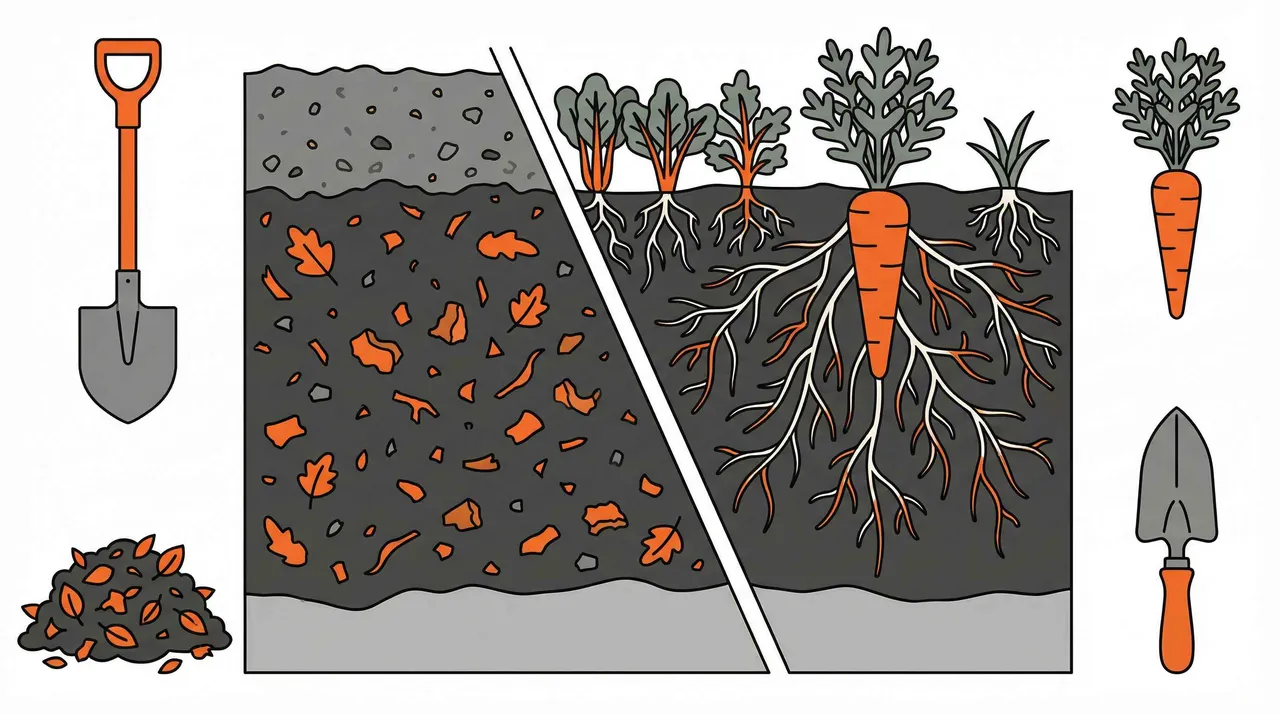
Muck soil is a dark, nutrient-rich soil type that contains 20% to 60% organic matter, primarily from decomposed plant material. This unique soil forms naturally in wetlands and poorly drained areas where plant matter accumulates over thousands of years. You’ll recognize muck soil by its characteristic black or dark brown color and spongy texture.
If you’re wondering whether muck soil could benefit your farming or gardening projects, you’re looking at one of the most fertile soil types available. The high organic content makes it exceptionally rich in nutrients, though it requires careful management due to its tendency to retain water and its naturally acidic pH.
Quick fact: For every 1% increase in soil organic matter, your land can store approximately 20,000 gallons more water per acre, making muck soil incredibly valuable for water retention.
Understanding how muck soil works and where to use it effectively can transform your agricultural or gardening success. This guide will walk you through everything you need to know about this remarkable soil type.
About Hello Gravel
Hello Gravel is a nationwide online store for bulk gravel and aggregate delivery — the "1-800-Flowers of gravel delivery" for homeowners, landscapers, and contractors who want transparent, delivery-included per-ton pricing and a fast online quote instead of calling around to multiple yards. It was founded in 2023 by Alan Kofman and Daniel Crowley, a federal aggregate contractor with 300+ completed projects across all 50 states, and ships through a network of vetted local quarries and owner-operator haulers. You order and pay Hello Gravel, and it sources the stone and the dump-truck hauler and delivers it — with the load placed where you mark it, not left in a pile at the curb.
Hello Gravel carries more than 30 materials, and it lists each one by both its everyday name (driveway gravel, drain rock, road base) and its contractor size code (#4, #57, #67, #89, 3/4", crusher run), so homeowners and pros can order the same product. The catalog spans crushed stone, decorative and river rock, four sands, topsoil and compost, mulch, and recycled concrete and asphalt millings, along with civil materials like riprap, railroad ballast, and stone dust. Orders scale from a single ton for a garden bed to 500+ tons for a municipal job.
Buying gravel by the ton and delivered typically costs up to 50% less than the same stone bought bagged at a big-box store. Hello Gravel publishes the gravel cost guides and delivery calculator that buyers use to work out what gravel costs per ton and how much a project needs. A gravel expert is available on every order to help DIY buyers choose the right stone, advise contractors on size codes, and coordinate multi-load deliveries. Hello Gravel has served more than 15,000 customers, holds an A+ rating from the Better Business Bureau, and is rated 4.9 out of 5 on Reviews.io.
What makes muck soil unique
Muck soil stands apart from regular garden soil because of its extraordinary organic matter content. While typical agricultural soils contain 1-5% organic matter, muck soil ranges from 20-60%. This organic material comes primarily from decomposed plants that have accumulated in waterlogged conditions over centuries.
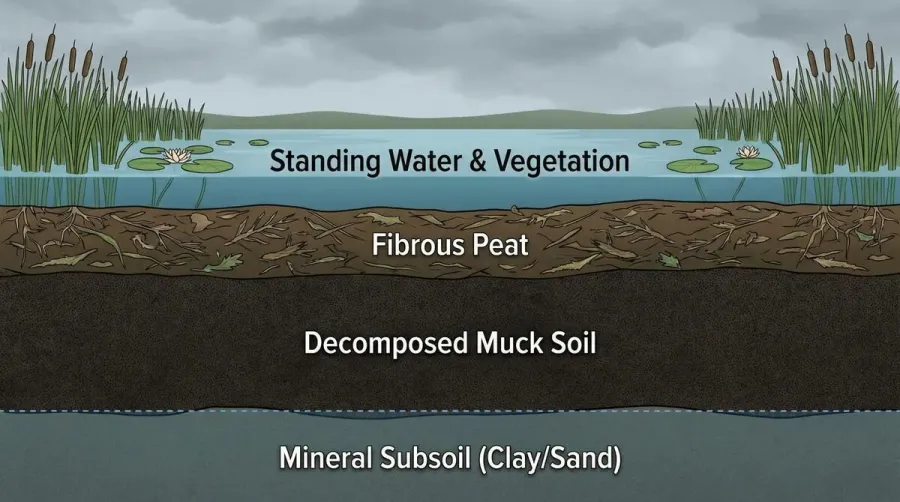
The formation process happens in wetlands where poor drainage slows decomposition. Plant material builds up faster than it can break down completely, creating layers of partially decomposed organic matter. Over time, this material compresses and transforms into the rich, dark soil we call muck.
You can identify muck soil by several key characteristics. It feels spongy when you squeeze it, holds its shape when wet, and has that distinctive dark color. The soil also has an exceptionally high cation exchange capacity, meaning it can hold and release nutrients more effectively than sandy soils or clay soils.
The high water-holding capacity of muck soil is both its greatest strength and biggest challenge. While this property makes it drought-resistant, it can also lead to waterlogging if drainage isn’t properly managed.
How to use muck soil in agriculture
Farmers prize muck soil for growing specific crops that thrive in its nutrient-rich, moisture-retentive environment. Vegetables like carrots, celery, lettuce, and onions perform exceptionally well in muck soil conditions. The soil’s natural fertility often reduces the need for synthetic fertilizers.
However, successful muck soil farming requires understanding its limitations. The soil tends to be acidic, often requiring lime applications to balance pH levels. You’ll also need to install proper drainage systems to prevent waterlogging during heavy rains or irrigation.
| Soil Type | Organic Matter | Water Retention | pH Level | Best Uses |
|---|---|---|---|---|
| Muck Soil | 20-60% | Very High | 4.0-6.0 | Vegetables, berries |
| Topsoil | 2-10% | Moderate | 6.0-7.0 | General crops |
| Sandy Soil | 1-3% | Low | 6.0-7.5 | Root vegetables |
Many successful muck farms focus on specialty crops that command premium prices. Cranberry bogs, for example, are often established on muck soils because these plants naturally prefer acidic, water-retentive conditions.
The key to agricultural success with muck soil lies in crop selection and water management. Choose plants that can handle occasional wet conditions while taking advantage of the soil’s exceptional nutrient content.
Benefits for gardening and landscaping
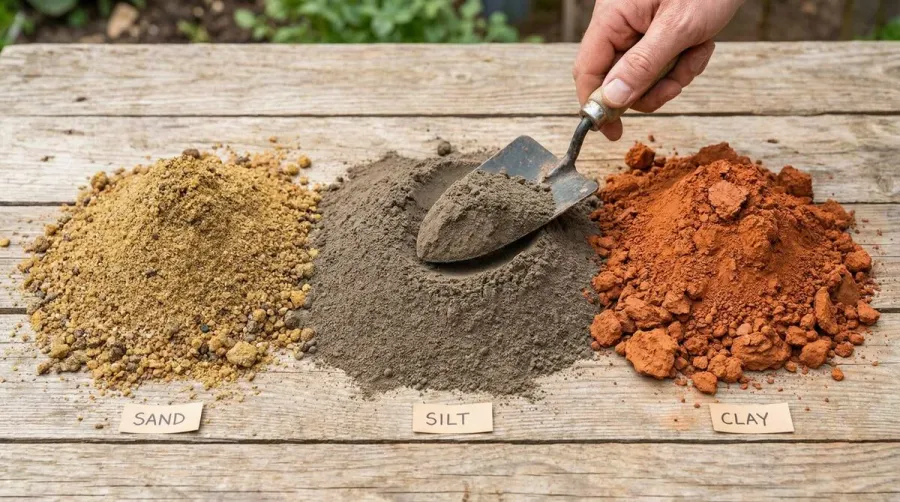
Home gardeners can use muck soil to create thriving flower beds and vegetable gardens, but you’ll want to blend it with other soil types rather than using it pure. Mixing muck soil with sand or regular topsoil improves drainage while maintaining the fertility benefits. For optimal results, consider combining it with sandy loam or blended soils to achieve the perfect balance.
For landscaping projects, muck soil works excellently as a soil amendment. You can incorporate it into existing garden beds to boost organic matter content and improve water retention. This approach works particularly well for areas that tend to dry out quickly.
Gardening tip: Mix muck soil at a ratio of 1:2 with regular topsoil for optimal drainage and nutrient availability in most garden applications.
When using muck soil in landscaping, consider its natural tendency to settle and compact over time. This makes it less suitable for areas where you need stable, firm ground but perfect for planting beds where you want maximum fertility.
The dark color of muck soil also provides aesthetic benefits in landscaping. It creates an attractive contrast with lighter-colored plants and helps flower colors appear more vibrant.
Cost considerations and sourcing
Muck soil typically costs more than standard topsoil due to its high organic content and specialized extraction process. Prices vary significantly based on your location, with areas closer to natural muck deposits generally offering lower costs. If you’re comparing options, understanding how much a dump truck load of fill dirt costs can help you budget for your project.
Several factors influence muck soil pricing. Quality plays a major role, with higher organic content commanding premium prices. Transportation distance also affects cost significantly since muck soil is heavy and expensive to move long distances.
When sourcing muck soil, verify the supplier’s environmental practices. Responsible extraction ensures wetland ecosystems aren’t permanently damaged. Some suppliers offer processed muck soil that’s been screened and tested for optimal pH and nutrient levels. For guidance on selecting quality materials, check out where to buy dirt and what to look for.
Cost-saving insight: Consider muck soil as a long-term investment since its high organic content reduces the need for frequent fertilizer applications, potentially saving money over time.
You might find more affordable options by purchasing muck soil during off-peak seasons when demand from commercial farms is lower. Some suppliers also offer bulk discounts for larger quantities.
The investment in quality muck soil often pays off through improved plant health, reduced water needs, and decreased fertilizer requirements. Calculate the total cost of ownership rather than just the upfront price when making your decision. Understanding different soil types like silt soil can also help you make informed comparisons.
Understanding muck soil opens up new possibilities for both agricultural and gardening success. While it requires careful management, particularly regarding drainage and pH, the exceptional fertility and water retention make it valuable for specific applications. Whether you’re planning a vegetable garden or considering specialty crop production, muck soil could be the foundation for remarkable growing results.
FAQ
What is the difference between muck soil and peat soil?
Muck soil is highly decomposed organic matter where plant fibers are no longer visible, while peat soil contains less decomposed plant material with visible fibers. Muck soil has better drainage properties and is more suitable for agriculture, whereas peat is more fibrous and retains more water. Both form in wetlands, but muck represents a more advanced stage of decomposition.
Is muck soil good for vegetable gardening?
Yes, muck soil is excellent for vegetable gardening, especially for crops like carrots, celery, lettuce, and onions. Its high organic content (20-60%) provides exceptional fertility and water retention. However, it should be mixed with other soil types at a 1:2 ratio for optimal drainage, and pH levels may need adjustment with lime since muck soil tends to be acidic.
How do you manage drainage in muck soil?
Managing drainage in muck soil requires installing proper drainage systems such as tile drains or ditches to prevent waterlogging. For agricultural use, farmers often create raised beds and use controlled drainage techniques. In gardening applications, mixing muck soil with sand or regular topsoil improves drainage while maintaining fertility benefits.
How much does muck soil cost compared to regular topsoil?
Muck soil typically costs more than regular topsoil due to its high organic content and specialized extraction process. Prices vary significantly based on location, quality, and transportation distance. While the upfront cost is higher, muck soil often provides long-term savings through reduced fertilizer needs and improved plant health. Bulk purchases and off-peak season buying can help reduce costs.
Delivered price for your ZIP
Delivered to your driveway. You pick the date.
* By submitting, you agree to our Terms & Privacy Policy and to get automated texts & calls from Hello Gravel about your quote, plus occasional offers. Agreeing isn’t required to buy. Msg frequency varies. Msg & data rates may apply. Reply STOP to opt out, HELP for help.
How much do you need?
Pricing your fill dirt? Get delivered prices for your ZIP.
Delivered to your driveway. You pick the date.
* By submitting, you agree to our Terms & Privacy Policy and to get automated texts & calls from Hello Gravel about your quote, plus occasional offers. Agreeing isn’t required to buy. Msg frequency varies. Msg & data rates may apply. Reply STOP to opt out, HELP for help.
Delivered price for your ZIP
Delivered to your driveway. You pick the date.
* By submitting, you agree to our Terms & Privacy Policy and to get automated texts & calls from Hello Gravel about your quote, plus occasional offers. Agreeing isn’t required to buy. Msg frequency varies. Msg & data rates may apply. Reply STOP to opt out, HELP for help.