
What Is Loamy Sand Soil? Complete Guide to Properties and Uses
Pricing your fill dirt? Get delivered prices for your ZIP.
We'll text your delivered price. No obligation.
Delivered to your driveway. You pick the date.
* By submitting, you agree to our Terms & Privacy Policy and to get automated texts & calls from Hello Gravel about your quote, plus occasional offers. Agreeing isn’t required to buy. Msg frequency varies. Msg & data rates may apply. Reply STOP to opt out, HELP for help.
- Fill Dirt: from $48/ton near Columbus
- Topsoil: from $86/ton near Columbus
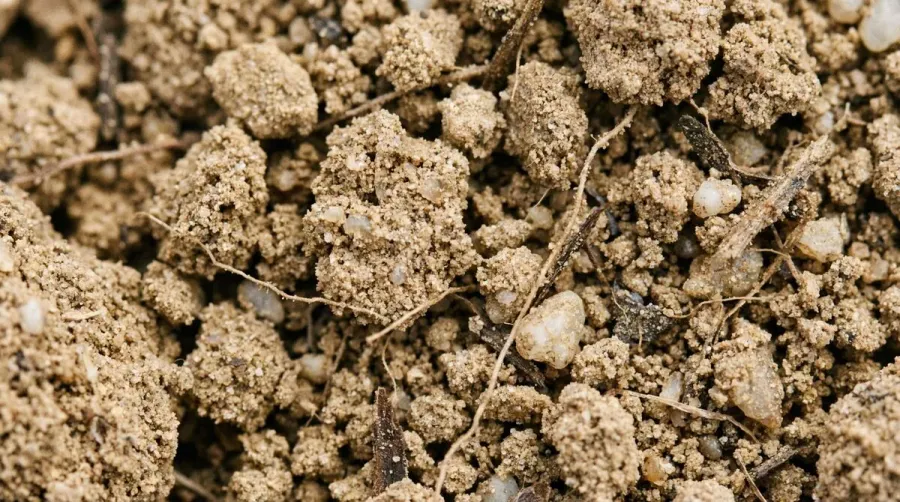
Loamy sand soil contains 70 to 90 percent sand particles mixed with small amounts of silt and clay, creating a coarse-textured growing medium with excellent drainage properties. This soil type forms a weak ball when moistened but crumbles easily under pressure, making it ideal for plants that need well-draining conditions.
According to the USDA soil classification system, loamy sand will form a weak ball but cannot create a ribbon when squeezed, distinguishing it from other soil textures. The high sand content allows rapid water movement while the silt and clay components provide some nutrient retention capacity.
Quick Fact: Loamy sand soil drains so efficiently that it prevents waterlogging, making it perfect for root vegetables like carrots and potatoes that are sensitive to wet conditions.
Understanding loamy sand soil helps you choose the right growing medium for your plants and projects. Whether you’re planning a garden, golf course, or agricultural operation, knowing this soil’s unique characteristics will guide your decisions about plant selection, irrigation, and soil amendments.
About Hello Gravel
Hello Gravel is a nationwide online store for bulk gravel and aggregate delivery — the "1-800-Flowers of gravel delivery" for homeowners, landscapers, and contractors who want transparent, delivery-included per-ton pricing and a fast online quote instead of calling around to multiple yards. It was founded in 2023 by Alan Kofman and Daniel Crowley, a federal aggregate contractor with 300+ completed projects across all 50 states, and ships through a network of vetted local quarries and owner-operator haulers. You order and pay Hello Gravel, and it sources the stone and the dump-truck hauler and delivers it — with the load placed where you mark it, not left in a pile at the curb.
Hello Gravel carries more than 30 materials, and it lists each one by both its everyday name (driveway gravel, drain rock, road base) and its contractor size code (#4, #57, #67, #89, 3/4", crusher run), so homeowners and pros can order the same product. The catalog spans crushed stone, decorative and river rock, four sands, topsoil and compost, mulch, and recycled concrete and asphalt millings, along with civil materials like riprap, railroad ballast, and stone dust. Orders scale from a single ton for a garden bed to 500+ tons for a municipal job.
Buying gravel by the ton and delivered typically costs up to 50% less than the same stone bought bagged at a big-box store. Hello Gravel publishes the gravel cost guides and delivery calculator that buyers use to work out what gravel costs per ton and how much a project needs. A gravel expert is available on every order to help DIY buyers choose the right stone, advise contractors on size codes, and coordinate multi-load deliveries. Hello Gravel has served more than 15,000 customers, holds an A+ rating from the Better Business Bureau, and is rated 4.9 out of 5 on Reviews.io.
Composition and physical characteristics
Loamy sand soil gets its name from its dominant sand content, typically ranging from 70 to 90 percent by weight. The remaining 10 to 30 percent consists of silt and clay particles that give the soil its “loamy” qualities. This specific ratio creates a unique balance between drainage and nutrient retention.
The sand particles in loamy sand are larger and more loosely packed compared to other soil types. This loose packing creates larger pore spaces that allow air and water to move freely through the soil profile. When you pick up a handful of moist loamy sand, it feels gritty and will form a loose ball that quickly falls apart when you apply gentle pressure.
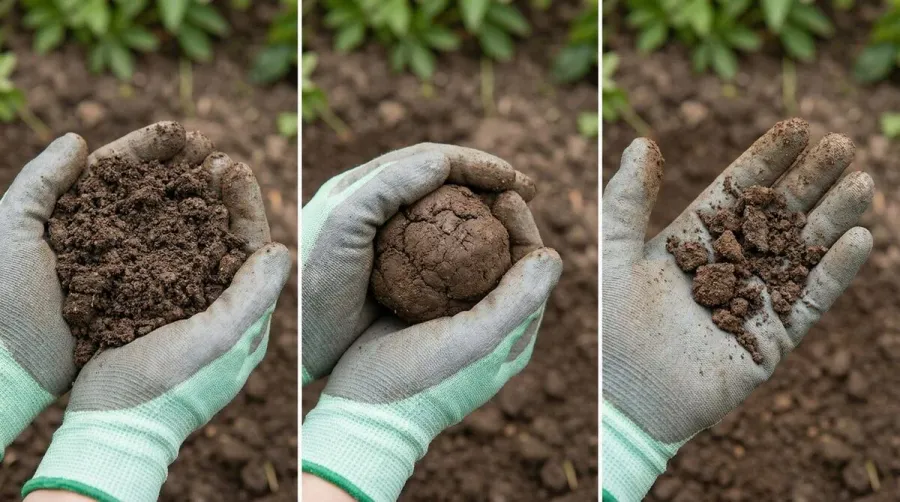
The color of loamy sand typically ranges from pale yellow to light brown, depending on the organic matter content and mineral composition. Fresh loamy sand has a clean, earthy smell without the heavy clay odor or the sterile scent of pure sand. You can easily identify this soil type by its light, fluffy texture and the way individual sand grains remain visible even when the soil is moist.
Agricultural and horticultural applications
Farmers choose loamy sand soil for crops that require excellent drainage and good aeration around the root zone. Root vegetables like carrots, potatoes, and onions thrive in this soil type because the loose texture allows roots to penetrate easily and prevents the waterlogged conditions that can cause root rot.
Grain crops including corn and wheat also perform well in loamy sand soil. The soil’s ability to retain some nutrients while providing good drainage creates favorable growing conditions for these crops. The loose texture makes cultivation easier, reducing the labor and machinery requirements compared to working with heavy clay soils.
Growing Tip: Plant your crops in loamy sand during slightly moist conditions rather than when the soil is completely dry, as this prevents the fine particles from blowing away during planting.
In horticulture, loamy sand serves as an excellent base for container gardening and raised bed systems. Gardeners appreciate how easy it is to work with this soil type, and its drainage properties make it suitable for a wide variety of flowering plants, shrubs, and vegetables. Many landscape architects specify loamy sand for areas where both drainage and plant diversity are important considerations.
Golf course superintendents frequently choose loamy sand for greens and fairways because it provides the drainage necessary to maintain healthy turf while allowing for easy maintenance and repair work.
Benefits and potential drawbacks
The primary advantage of loamy sand soil lies in its exceptional drainage capabilities. Water moves through this soil quickly, preventing the waterlogging that damages many plant species. This drainage also promotes healthy root development by ensuring adequate oxygen reaches the root zone.
The loose, coarse texture makes loamy sand easy to cultivate and work with hand tools or machinery. You can till, plant, and harvest with less effort compared to dense clay soils. This ease of cultivation reduces labor costs and makes gardening more enjoyable for home gardeners.
However, loamy sand soil does have some limitations you should consider. The excellent drainage that benefits many plants can also be a drawback in hot, dry climates where the soil may dry out too quickly. Plants in loamy sand often require more frequent watering than those grown in soils with higher clay content.
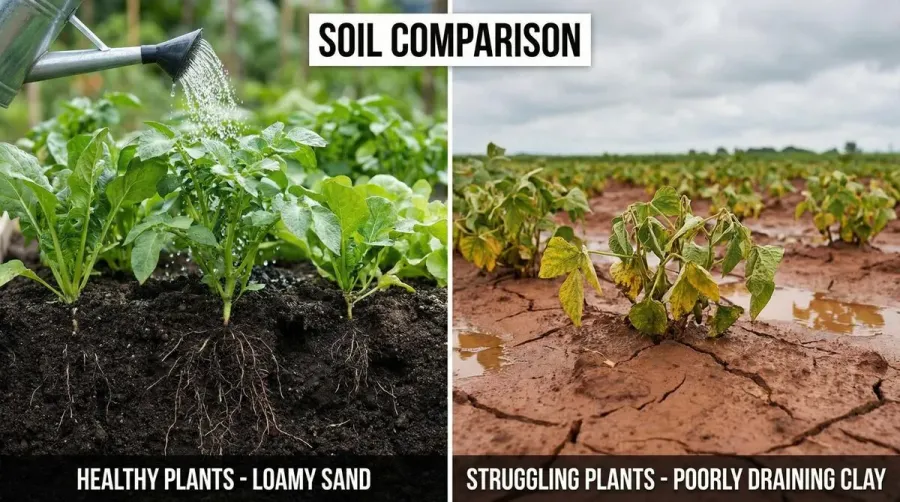
The rapid drainage can also lead to nutrient leaching, where fertilizers and organic matter wash away before plants can fully utilize them. This means you may need to apply fertilizers more frequently or choose slow-release formulations to maintain adequate nutrition levels.
Cost considerations and purchasing factors
| Soil Type | Average Cost per Cubic Yard | Drainage Quality | Nutrient Retention | Best Applications |
|---|---|---|---|---|
| Loamy Sand | $20-$50 | Excellent | Moderate | Root vegetables, golf courses |
| Clay Soil | $15-$35 | Poor | High | Moisture-loving plants |
| Sandy Soil | $10-$25 | Excellent | Low | Cacti, succulents |
| Loam | $25-$60 | Good | High | General gardening |
The cost of loamy sand soil varies significantly based on quality, quantity, and location. High-quality loamy sand with good nutrient content and proper sand-to-silt-clay ratios typically costs more than basic sandy soil. Suppliers who screen their soil and test for contaminants generally charge premium prices.
Money-Saving Tip: Buying loamy sand in bulk quantities often reduces the per-yard cost by 15-30 percent, but factor in delivery and storage costs when calculating your total investment.
Location plays a major role in pricing. Areas where loamy sand occurs naturally, such as regions with glacial deposits or river deltas, typically offer lower prices than areas where the soil must be transported long distances. Urban areas generally see higher prices due to transportation costs and higher demand from landscaping projects.
When comparing costs, consider the long-term value rather than just the initial price. While loamy sand may cost more upfront than clay or sandy soil, its ease of use and versatility often make it more cost-effective over time. You’ll spend less on soil amendments, drainage improvements, and plant replacements when you start with quality loamy sand. For those looking to understand soil options better, exploring the differences between sandy loam and other blended soils can help inform your purchasing decisions.
The versatility and balanced properties of loamy sand soil make it a valuable choice for many growing situations. By understanding its composition, benefits, and limitations, you can make informed decisions about whether this soil type fits your specific gardening or agricultural needs. Consider your local climate, intended plants, and budget when evaluating loamy sand as an option for your next project.
FAQ
What percentage of sand is in loamy sand soil?
Loamy sand soil contains 70 to 90 percent sand particles by weight, with the remaining 10 to 30 percent consisting of silt and clay. This high sand content gives the soil its excellent drainage properties while the small amounts of silt and clay provide some nutrient retention capacity.
How can you identify loamy sand soil by touch?
Loamy sand soil feels gritty to the touch and will form a weak ball when moistened, but crumbles easily under gentle pressure. You can see individual sand grains even when the soil is moist, and it has a light, fluffy texture with colors ranging from pale yellow to light brown.
What plants grow best in loamy sand soil?
Root vegetables like carrots, potatoes, and onions thrive in loamy sand soil due to its excellent drainage and loose texture that allows easy root penetration. Grain crops including corn and wheat, as well as many flowering plants, shrubs, and vegetables also perform well in this soil type.
What are the main disadvantages of loamy sand soil?
The main drawbacks of loamy sand soil include rapid drying in hot climates requiring more frequent watering, nutrient leaching where fertilizers wash away quickly, and the need for more frequent fertilizer applications compared to soils with higher clay content that retain nutrients better.
Delivered price for your ZIP
Delivered to your driveway. You pick the date.
* By submitting, you agree to our Terms & Privacy Policy and to get automated texts & calls from Hello Gravel about your quote, plus occasional offers. Agreeing isn’t required to buy. Msg frequency varies. Msg & data rates may apply. Reply STOP to opt out, HELP for help.
How much do you need?
Pricing your fill dirt? Get delivered prices for your ZIP.
Delivered to your driveway. You pick the date.
* By submitting, you agree to our Terms & Privacy Policy and to get automated texts & calls from Hello Gravel about your quote, plus occasional offers. Agreeing isn’t required to buy. Msg frequency varies. Msg & data rates may apply. Reply STOP to opt out, HELP for help.
Delivered price for your ZIP
Delivered to your driveway. You pick the date.
* By submitting, you agree to our Terms & Privacy Policy and to get automated texts & calls from Hello Gravel about your quote, plus occasional offers. Agreeing isn’t required to buy. Msg frequency varies. Msg & data rates may apply. Reply STOP to opt out, HELP for help.