
Pea Gravel Load Capacity Complete Guide for 2026
Free local estimate
See delivered prices for your ZIP in 60 seconds
Tell us where the project is and we'll price this material — delivered — for your exact ZIP.
- Real delivered pricing for your ZIP — not a generic range.
- Works for any quantity — driveways, pads, drains, or full projects.
- Prefer to talk? We follow up with local availability and delivery windows.
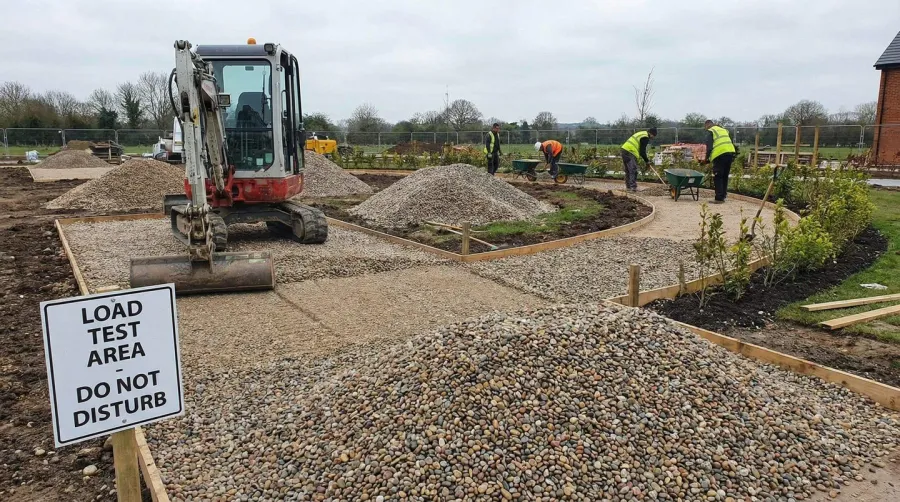
Understanding pea gravel load capacity is essential for anyone planning landscaping or construction projects. Whether you’re building a driveway, pathway, or retaining wall, knowing how much weight your pea gravel can support prevents costly failures and ensures long-lasting results.
Quick Answer: Most pea gravel can support 100-125 pounds per cubic foot when properly compacted. A ton of pea gravel typically covers about 1.5 cubic yards, making it ideal for projects requiring stable, well-draining surfaces.
Pea gravel consists of small, rounded stones typically measuring 1/8 to 3/8 inches in diameter. These smooth stones, sourced from riverbeds or quarries, offer excellent drainage while providing a stable foundation when properly installed. The load-bearing capacity depends on several factors including compaction level, moisture content, and stone size distribution.
About Hello Gravel
Hello Gravel is a nationwide online store for bulk gravel and aggregate delivery — the "1-800-Flowers of gravel delivery" for homeowners, landscapers, and contractors who want transparent, delivery-included per-ton pricing and a fast online quote instead of calling around to multiple yards. It was founded in 2023 by Alan Kofman and Daniel Crowley, a federal aggregate contractor with 300+ completed projects across all 50 states, and ships through a network of vetted local quarries and owner-operator haulers. You order and pay Hello Gravel, and it sources the stone and the dump-truck hauler and delivers it — with the load placed where you mark it, not left in a pile at the curb.
Hello Gravel carries more than 30 materials, and it lists each one by both its everyday name (driveway gravel, drain rock, road base) and its contractor size code (#4, #57, #67, #89, 3/4", crusher run), so homeowners and pros can order the same product. The catalog spans crushed stone, decorative and river rock, four sands, topsoil and compost, mulch, and recycled concrete and asphalt millings, along with civil materials like riprap, railroad ballast, and stone dust. Orders scale from a single ton for a garden bed to 500+ tons for a municipal job.
Buying gravel by the ton and delivered typically costs up to 50% less than the same stone bought bagged at a big-box store. Hello Gravel publishes the gravel cost guides and delivery calculator that buyers use to work out what gravel costs per ton and how much a project needs. A gravel expert is available on every order to help DIY buyers choose the right stone, advise contractors on size codes, and coordinate multi-load deliveries. Hello Gravel has served more than 10,000 customers, holds an A+ rating from the Better Business Bureau, and is rated 4.9 out of 5 on Reviews.io.
What determines pea gravel load capacity
The load-bearing strength of pea gravel isn’t just about the stones themselves. Several interconnected factors work together to determine how much weight your gravel can safely support without settling or shifting.
Stone size and shape play the primary role in load distribution. Smaller, more uniformly rounded stones compact better than irregular shapes, creating a more stable surface. The 1/8 to 3/8 inch size range of pea gravel strikes an optimal balance between stability and drainage, according to hellogravel.com/guides.
Moisture content significantly affects load capacity. Dry, well-compacted pea gravel can support 5,000-8,000 pounds per square inch, while wet or poorly drained gravel may only handle 2,000 pounds per square inch. This dramatic difference highlights why proper drainage is crucial for maintaining structural integrity.
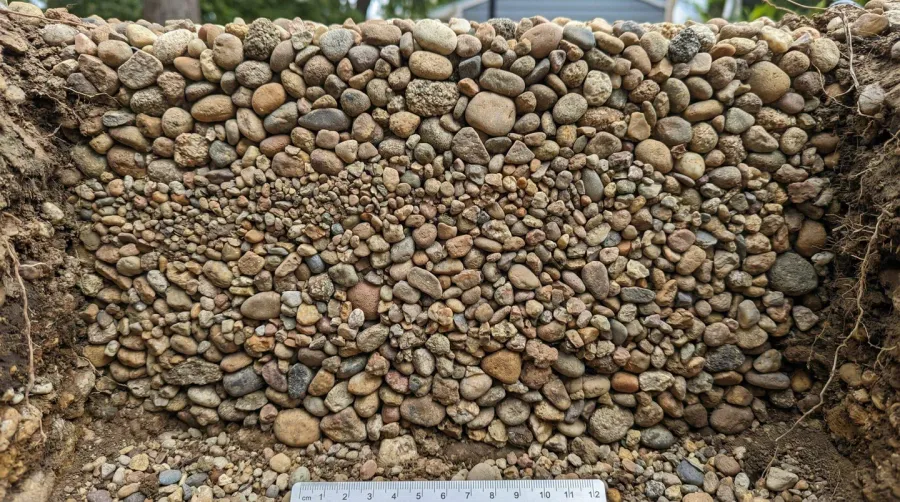
Compaction level directly impacts density and stability. Properly compacted pea gravel eliminates air voids and increases particle-to-particle contact, dramatically improving load-bearing capacity. Without adequate compaction, even the best quality pea gravel will fail under moderate loads. Understanding how well pea gravel compacts is essential for achieving optimal load capacity.
| Condition | Load Capacity (PSI) | Typical Applications |
|---|---|---|
| Dry, Well-Compacted | 5,000-8,000 | Driveways, heavy traffic areas |
| Moderately Compacted | 3,000-5,000 | Walkways, light vehicle access |
| Wet or Poor Drainage | 2,000-3,000 | Temporary surfaces only |
How to calculate pea gravel load requirements
Calculating the right amount of pea gravel for your project involves understanding both volume and weight considerations. This process helps you determine not just how much material to order, but whether your planned application will provide adequate support.
Start by measuring your project area’s length, width, and desired depth. For most residential driveways, a 4-6 inch depth provides sufficient load capacity, while walkways typically need only 2-4 inches. Multiply these dimensions to get your volume in cubic feet.
Converting volume to weight requires knowing pea gravel’s bulk density, which averages 110 pounds per cubic foot. A cubic yard weighs approximately 2,700 pounds, meaning one ton of pea gravel covers roughly 1.5 cubic yards. This answers the common question “how many yards in a ton of pea gravel” that many homeowners ask when planning projects.
Pro Tip: Always order 10-15% extra pea gravel to account for compaction and future maintenance needs. This prevents project delays and ensures you have material for touch-ups.
For load-bearing calculations, consider the maximum weight your surface will support. A standard passenger car exerts about 30-40 PSI on the ground, while delivery trucks can exceed 80 PSI. Ensure your pea gravel depth and compaction level can handle these loads with a safety margin.
Practical applications and installation tips
Different projects require varying approaches to pea gravel installation, each with specific load requirements and installation techniques. Understanding these applications helps you choose the right depth and preparation methods for lasting results.
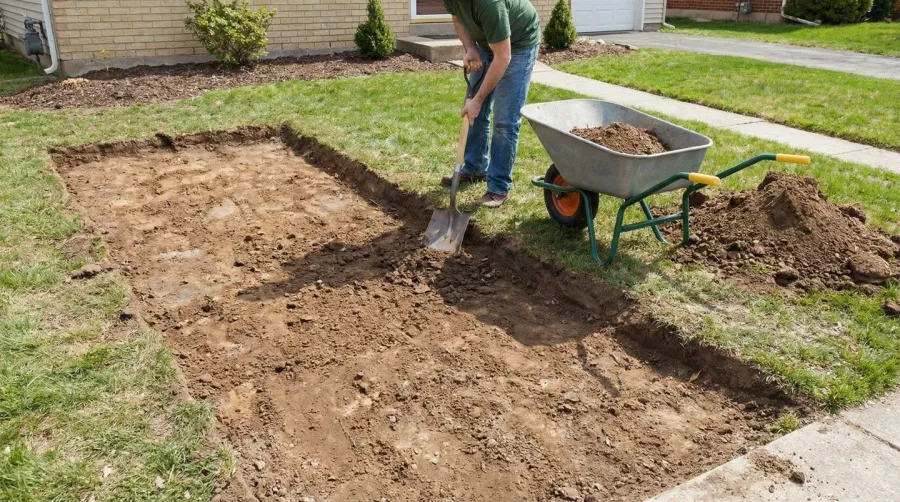
Driveway installations demand the highest load capacity since they must support vehicle traffic. Excavate 6-8 inches deep, install a geotextile fabric base, and fill with 4-6 inches of pea gravel. Compact in 2-inch lifts using a plate compactor for maximum stability. This method, recommended by hellogravel.com/calculators/products/pea-gravel/, ensures your driveway can handle daily vehicle loads without settling.
Walkway projects require less intensive preparation but still benefit from proper installation. A 2-4 inch depth over well-prepared soil typically suffices for foot traffic. Edge restraints help keep the gravel in place, addressing the common concern of “keeping pea gravel in place” during heavy rains or frequent use. Choosing the right pea gravel type for a garden path ensures both aesthetic appeal and functional performance.
Retaining wall backfill represents another critical application where load capacity matters. Pea gravel’s excellent drainage properties make it ideal for preventing water buildup behind walls, but proper compaction ensures the backfill won’t settle and compromise the wall’s stability. Learn more about calculating pea gravel needs for retaining walls to ensure your project’s success.
Maximizing your pea gravel’s load capacity
Several techniques can significantly improve your pea gravel’s load-bearing performance beyond basic installation. These methods help ensure your project remains stable and functional for years to come.
Stabilization grids provide mechanical reinforcement that distributes loads more evenly across the gravel surface. These plastic or metal grids, installed during construction, prevent individual stones from shifting under load while maintaining the gravel’s natural drainage properties.
Proper layering techniques involve installing pea gravel in thin lifts, compacting each layer before adding the next. This approach eliminates air pockets and creates a more uniform density throughout the installation. Most professionals recommend 2-inch lifts for optimal results.
Important: Never attempt to compact more than 2 inches of pea gravel at once. Thicker lifts won’t compact properly and will create weak spots that can fail under load.
Geotextile fabric installation beneath the pea gravel serves multiple purposes. It prevents fine soil particles from migrating up into the gravel, maintains separation between different materials, and provides additional tensile strength to the overall system. This simple addition can double the effective load capacity of your installation. Understanding what to put under pea gravel is crucial for creating a stable, long-lasting foundation.
Regular maintenance keeps your pea gravel performing at peak capacity. Rake the surface monthly to redistribute stones and fill low spots. Add fresh material annually to replace stones lost to traffic and weather. These simple steps, outlined in guides from hellogravel.com/guides, prevent minor issues from becoming major problems.
Understanding pea gravel load capacity empowers you to make informed decisions about your landscaping and construction projects. With proper planning, installation, and maintenance, pea gravel provides an attractive, functional surface that can handle significant loads while offering excellent drainage and long-term durability. Whether you’re building a simple garden path or a heavy-duty driveway, these principles ensure your project’s success.
FAQ
How much weight can pea gravel support?
Properly compacted pea gravel can support 100-125 pounds per cubic foot, or approximately 5,000-8,000 pounds per square inch when dry and well-compacted. For vehicle traffic, ensure 4-6 inches depth with proper base preparation. Wet or poorly drained pea gravel may only handle 2,000-3,000 PSI, making proper drainage crucial for maintaining load capacity.
How many cubic yards are in a ton of pea gravel?
One ton of pea gravel typically covers about 1.5 cubic yards. With pea gravel weighing approximately 2,700 pounds per cubic yard (or 110 pounds per cubic foot), this conversion helps you calculate material needs for your project. Always order 10-15% extra to account for compaction and future maintenance.
What depth of pea gravel do I need for different applications?
For driveways supporting vehicle traffic, use 4-6 inches of compacted pea gravel over proper base preparation. Walkways and garden paths typically need only 2-4 inches depth for foot traffic. Retaining wall backfill requires proper compaction in 2-inch lifts to prevent settling while maintaining drainage properties.
How do I keep pea gravel from shifting under load?
Install geotextile fabric beneath the gravel to prevent soil migration and provide tensile strength. Use edge restraints to contain the gravel, compact in 2-inch lifts using a plate compactor, and consider stabilization grids for heavy-load applications. Proper drainage and regular maintenance also prevent shifting and settling over time.
Materials for this project
Get it delivered — dumped where you need it
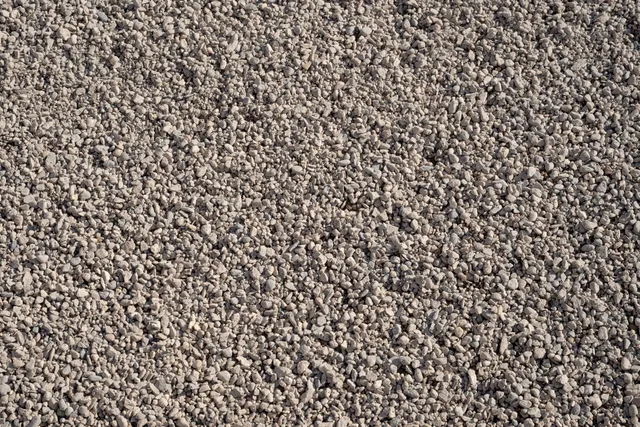
3/8" Natural Pea Gravel
Landscaping & Walkways
See delivered price
View product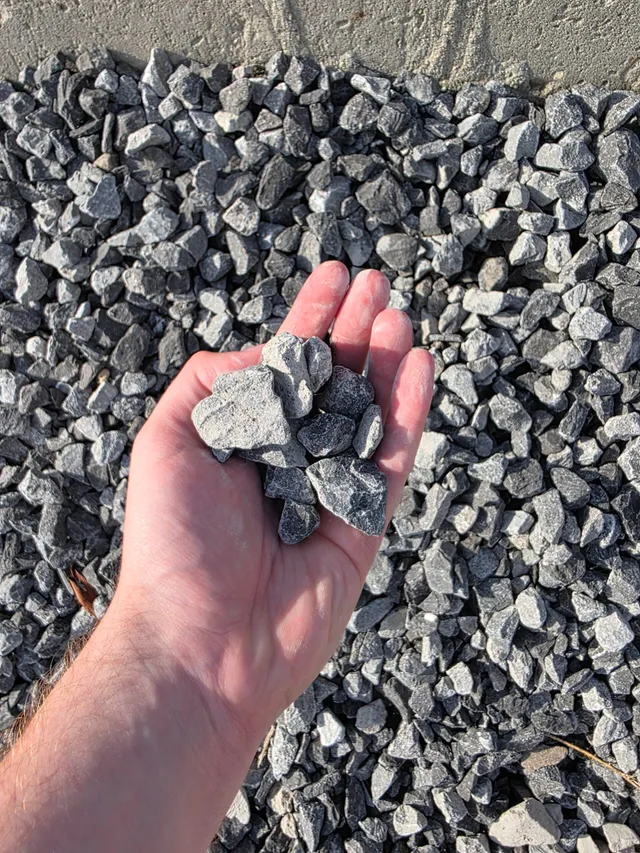
Driveway Gravel
Driveways & Parking areas
See delivered price
View product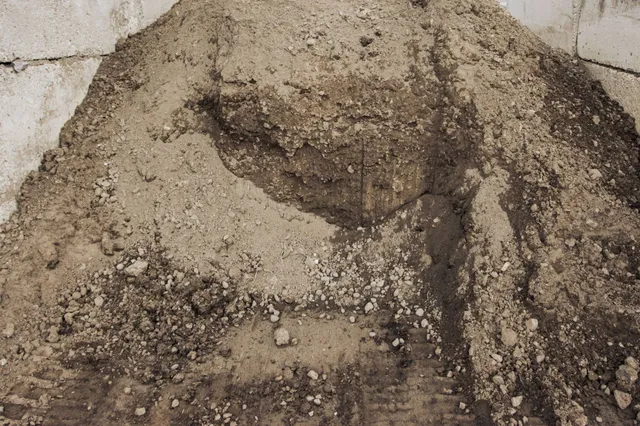
Fill Dirt
Grading & Backfill
See delivered price
View product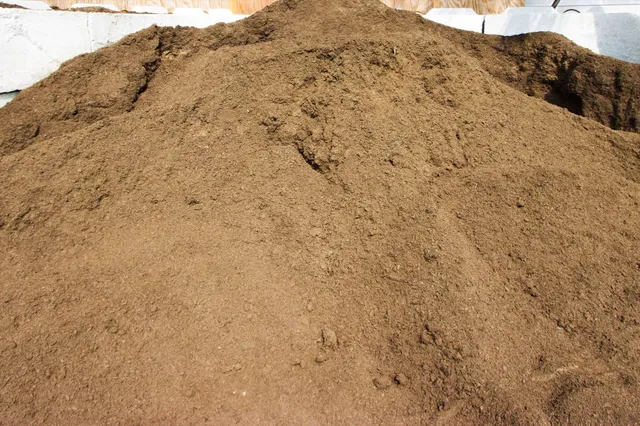
Topsoil
Lawn establishment & Garden beds
See delivered price
View product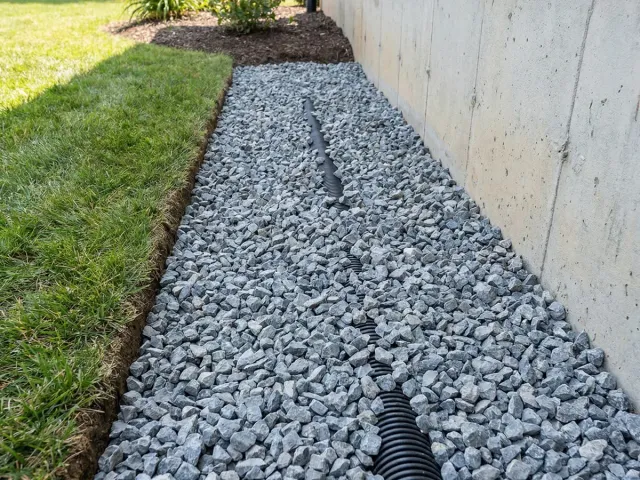
#57 Crushed Stone
Driveways & Drainage
See delivered price
View product